
A freestanding room mirror with stand is one of the most effective tools for instantly transforming a cramped or dimly lit room into an open, airy sanctuary. By strategically positioning this versatile decor piece, you can manipulate natural light, extend sightlines, and create the convincing illusion of doubled floor space. The secret lies not just in having a large glass surface, but in understanding how light bounces off its face and what specific parts of your room are reflected back to the viewer. When placed thoughtfully, a freestanding mirror acts as a visual portal, breaking up solid walls and drawing the eye outward to make even the most compact home feel expansive and bright.
Assess Your Room's Light and Layout
Before moving a heavy floor mirror into place, you must carefully evaluate the existing layout and lighting patterns of your room. Start by mapping the positions of your windows and tracking how natural sunlight moves across the space from morning to late afternoon. In tropical climates like the Philippines, afternoon sun can be incredibly intense, meaning a mirror placed directly opposite an unshaded west-facing window might bounce blinding glare into your living or working areas. Observing these daily light shifts helps you identify the optimal angles where the mirror can capture soft, ambient illumination rather than harsh, direct rays.
Next, identify the primary focal points already established in your room. This could be a beautifully styled wooden console table, a vibrant indoor plant arrangement, or a piece of statement artwork. A mirror should always be positioned to reflect something visually appealing; pointing it toward an empty corner or a blank wall misses the opportunity to enhance the room’s design. By identifying these key features beforehand, you can plan an angle that captures and duplicates these attractive elements, effectively doubling their visual impact.
Products mentioned in this guide

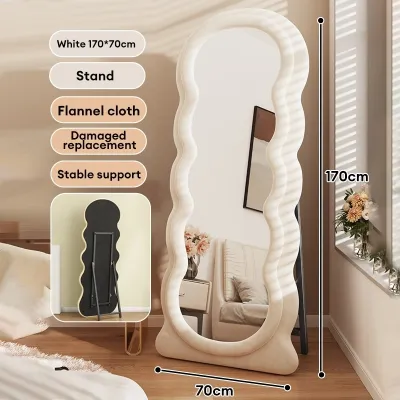
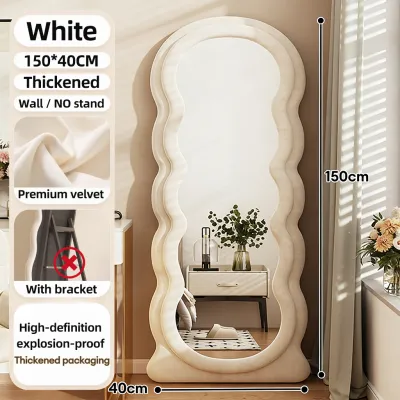

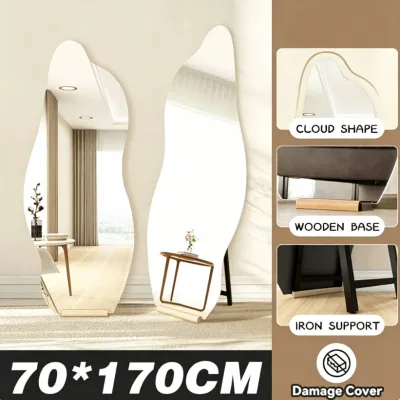
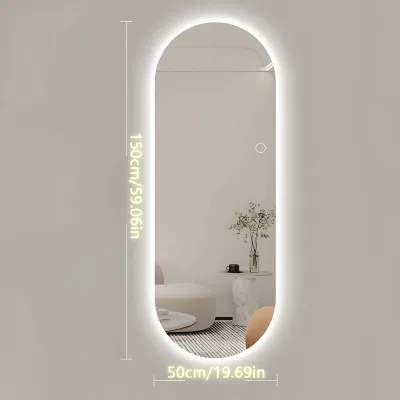
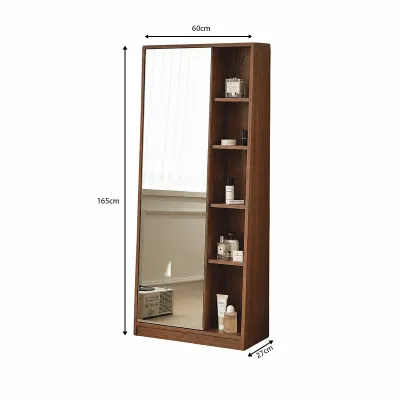
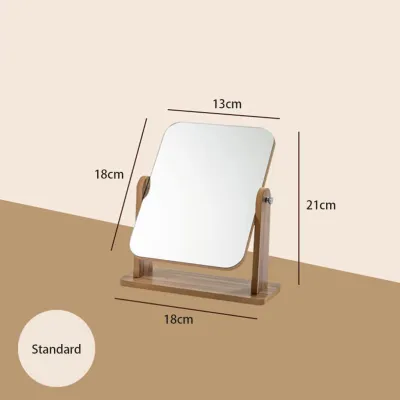
Prices are valid at publication and may change. Please refer to the product page for the latest price.
Finally, physical measurements are crucial to maintaining a comfortable flow in your home. Use a measuring tape to map out the exact footprint of the mirror’s stand when fully extended. Freestanding mirrors require a certain amount of floor depth to remain stable, and you must ensure this footprint does not obstruct walkways, doorways, or the natural path of daily foot traffic. Leaving ample clearance around the base prevents accidental bumps and ensures that the mirror integrates seamlessly into your layout without creating physical clutter in your effort to reduce visual clutter.
Best Placement Strategies for Visual Depth
The primary mechanism behind making a room look larger with a mirror is the manipulation of visual depth and ambient light. When light hits the reflective surface of a room mirror with stand, it bounces back into the room, illuminating dark corners and softening harsh shadows that make spaces feel enclosed. This reflective action tricks the brain into perceiving a continuation of the room, effectively doubling the apparent depth of the wall against which the mirror is placed.

To achieve this transformative effect, you must move beyond simply placing the mirror in any open corner. The placement must be highly tactical, designed to work in harmony with your specific room shape, ceiling height, and window locations. By understanding how to align the mirror with light sources and architectural features, you can turn a simple piece of glass into a dynamic architectural tool that reshapes your entire living environment.
Reflecting Focal Points and Windows
One of the most reliable strategies for maximizing brightness is positioning your room mirror with stand either directly opposite or adjacent to a window. When placed adjacent to a window, the mirror catches the incoming daylight at an angle, scattering it across the darker side walls of the room. If placed opposite, it acts almost like a second window, framing the outdoor view and bringing the natural beauty of the outdoors inside. This is particularly effective in compact urban apartments where window views are limited, as it helps connect the indoor living space with the outside world.
However, you must be mindful of what the mirror actually reflects. Always angle the mirror so that its reflection captures a well-lit, curated focal point rather than a cluttered shelf or a plain, unadorned wall. If the mirror reflects a beautifully arranged seating area or a lush indoor palm, it reinforces the room’s design theme and creates a sense of intentional depth. If it merely reflects a blank surface, the mirror can feel cold and out of place, failing to contribute to the illusion of a larger room.
You can also adjust the vertical tilt of the mirror to manipulate the perception of height. By tilting the mirror slightly upward, you direct the reflection toward the upper portions of your walls and ceiling. This technique is excellent for rooms with low ceilings, as it draws the eye upward and highlights architectural details, crown moldings, or hanging light fixtures. The resulting vertical expansion makes the entire room feel loftier and more spacious.
Creating Pathways and Sightlines
To make narrow or awkwardly shaped rooms feel more balanced, you can use a freestanding mirror to establish long, continuous sightlines. Placing a room mirror with stand at the far end of a narrow hallway or a rectangular living room visually extends the length of the space, making the wall appear to recede. This simple placement breaks the visual boundary of a dead-end wall, replacing a hard stop with a deep, reflective pathway that tricks the eye into seeing a much longer room.
Aligning the mirror with the main entryway of a room is another excellent way to create an inviting, open atmosphere. When a guest steps through the door, a strategically placed mirror that catches their line of sight immediately opens up the space, making the entrance feel grander and less confined. The key is to position the mirror at an angle where it reflects the open living area rather than the doorway itself, which guides the eye naturally into the heart of the home.
Conversely, you must carefully avoid reflecting chaotic or highly active zones. Positioning a mirror where it constantly reflects an open closet, a busy kitchen counter, a cluttered workspace, or an unmade bed will only double the visual noise and make the room feel more cramped and disorganized. Keep the reflected field of view clean, simple, and orderly to preserve the serene, spacious illusion you are trying to create.
Angling and Propping Techniques
The physical angle of your room mirror with stand plays a massive role in how light and space are perceived. Leaning a large mirror against a wall at a slight angle is a classic interior design technique that instantly adds a relaxed, sophisticated feel to a room. This slight backward tilt alters the perspective of the reflection, capturing more of the ceiling and upper walls while minimizing the reflection of the floor. This upward angle creates a dramatic sense of height, making the room feel taller and more majestic.
If your mirror features a built-in kickstand or an adjustable frame, you can fine-tune this tilt to match the average eye level of people in the room. For standing areas like entryways, a more upright angle is ideal to provide a full-length view without distortion. For seated areas like living rooms or dining spaces, a slightly deeper tilt can help capture the warm glow of table lamps or pendant lights without casting direct glare into the eyes of your guests. Experimenting with these subtle adjustments allows you to customize the reflection to suit your daily activities.
Another sophisticated styling technique is layering your freestanding mirror behind low-profile furniture. Positioning the mirror slightly behind a sleek console table, a low sofa, or a collection of potted plants creates a rich, multi-dimensional look. The furniture partially frames the mirror, adding a sense of structure while the reflective glass behind it suggests that the room continues deep beyond the furniture itself. This layering technique prevents the mirror from looking like an isolated, floating object and integrates it beautifully into your overall decor scheme.
Safety and Stability Checks for Freestanding Mirrors
While a room mirror with stand is a beautiful addition to any home, its size and weight require careful attention to safety and stability. Before finalizing its position, you must verify that the floor surface is completely level. Uneven tiles, warped wooden floorboards, or thick, plush rugs can cause a freestanding stand to wobble, creating a severe tipping hazard. If you are placing the mirror on a tiled floor, ensure the stand’s feet rest securely on flat surfaces and do not bridge grout lines unevenly.
Always check the manufacturer’s specifications regarding weight limits, maximum leaning angles, and base stability. Different stand designs—such as easel backs, U-shaped frames, or heavy metal bases—have specific structural limits that must be respected to prevent structural failure. If your mirror is designed to lean against a wall while supported by a stand, ensure the angle is neither too steep (which makes it prone to tipping forward) nor too shallow (which puts excessive stress on the frame and stand hinges).
If your room mirror with stand features integrated LED lighting, you must also verify its electrical specifications before plugging it in. Check the voltage compatibility with your home’s outlets, ensure the wattage limit matches your circuit, and verify that any built-in dimming methods or power adapters carry proper electrical certification for safe indoor use. In high-traffic areas, or in homes with active pets and young children, relying solely on a freestanding kickstand is often not enough. For these environments, it is highly recommended to secure the mirror using anti-tip straps or heavy-duty wall anchors, consulting your product manual to identify the approved hardware for your specific wall type.
Common Placement Mistakes to Avoid
To get the most out of your room mirror with stand, you should be aware of several common placement mistakes that can ruin the spacious effect. One of the most frequent errors is placing the mirror where it catches direct, unfiltered sunlight. In tropical regions, this can lead to intense, blinding glare that makes the room uncomfortable to inhabit. Furthermore, prolonged exposure to concentrated solar heat can damage the mirror’s backing material, warp wooden frames, or cause nearby fabrics and furniture to fade prematurely.
Another mistake is positioning the mirror at an awkward height or angle that cuts off the reflection of key room features. If a mirror is tilted too far upward, it may only reflect a blank ceiling and a ceiling fan, which does little to enhance the room’s depth. If it is tilted too far down, it focuses entirely on the floor, highlighting dust or rug patterns rather than the open air of the room. Aim for a balanced angle that captures a mix of mid-level furniture, light sources, and open space to maintain a natural, balanced perspective.
Finally, watch out for visual distortion caused by low-quality glass or poorly constructed frames. A mirror with a slight warp can create a funhouse effect, which instantly breaks the illusion of a larger room and causes visual fatigue. Ensure the glass is perfectly flat and that the frame does not pinch or obstruct the edges of the reflective surface. Keeping the glass clean and free of smudges is also essential, as dust and fingerprints draw attention to the physical surface of the mirror, shattering the illusion of an open pathway.
Frequently Asked Questions (FAQ)
Can I place a room mirror with stand in a small bedroom?
Yes, a freestanding mirror can work beautifully in a compact bedroom if placed thoughtfully. The best location is often a corner, as this softens the sharp, enclosing angles of the room and bounces light diagonally across the space. When positioning the mirror, carefully check its proportions relative to your bed and wardrobe. A mirror that is too massive can overwhelm the room, while one that is too small won’t provide the desired depth. Aim for a balanced frame size that complements your existing furniture without crowding your walking paths.
How do I clean a large freestanding mirror without leaving streaks?
To keep your mirror crystal clear and streak-free, use a high-quality microfiber cloth and a gentle, non-ammonia glass cleaner. Avoid spraying any liquid cleaner directly onto the glass surface. Instead, spray the cleaner onto the microfiber cloth first, then wipe the mirror in a consistent Z-shaped pattern. Spraying directly can cause liquid to run down the glass and seep into the frame edges, which can eventually damage the silver backing of the mirror and cause unsightly black spots or cloudiness over time.

Community discussion
Share your experience or ask a question. Comments are reviewed before publication.