
A rotating full body mirror is one of the most versatile design assets you can introduce to a compact bedroom. By combining a generous reflective surface with a dynamic swivel mechanism, this piece does more than help you coordinate your outfits. It serves as a flexible light-reflector and spatial illusionist, tricking the eye into perceiving a cramped room as double its actual size. Achieving this effect requires more than simply pushing the mirror against a wall; you must strategically coordinate its position with your room’s natural light, layout constraints, and daily traffic patterns.
Assess Your Bedroom Layout and Mirror Base
Before moving any furniture, take a close look at your bedroom’s layout to identify where light enters and how traffic flows. Locate your primary light sources, such as large windows, sliding balcony doors, or overhead ceiling fixtures. Mapping how daylight travels across the room throughout the day helps you position the mirror where it can capture and redirect the most light.
In compact urban spaces, such as apartments and condominiums in the Philippines, floor area is at a premium. You must carefully map high-traffic pathways and door swings to prevent the mirror from obstructing daily movement. Ensure that wardrobe doors, bedroom entryways, and balcony doors can open fully without colliding with the mirror’s frame or base.
Products mentioned in this guide
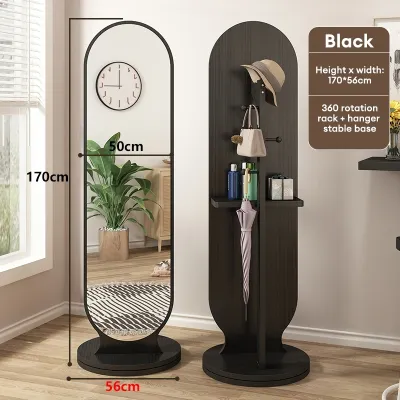
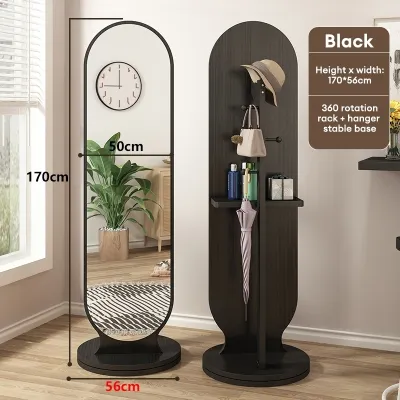
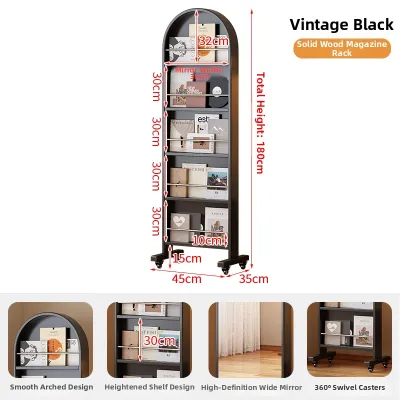
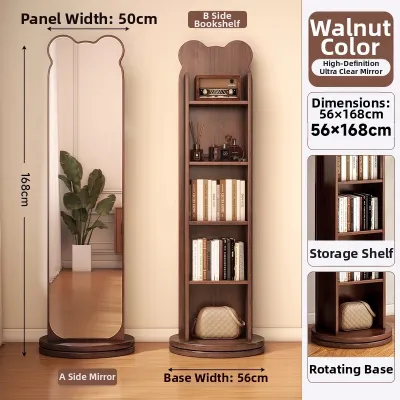
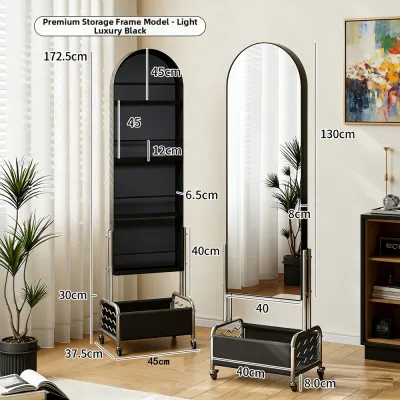

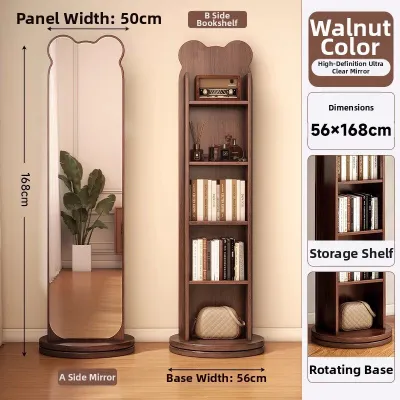
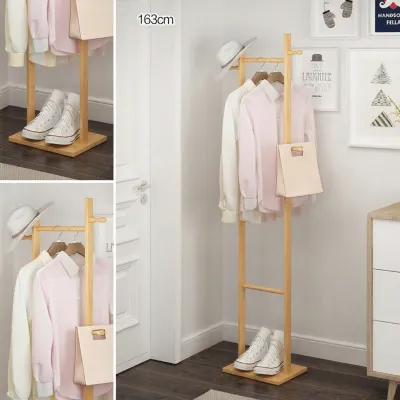
Prices are valid at publication and may change. Please refer to the product page for the latest price.
Next, inspect the physical characteristics of your rotating full body mirror. These pieces often feature a heavy base to support the rotating mechanism, and many models include integrated storage features like rear coat hooks, shoe racks, or jewelry cabinets. This extra utility adds weight and increases the overall footprint, meaning the mirror requires a clear circular clearance zone to rotate freely without scraping against walls or adjacent furniture.
Safety and stability are paramount, especially in tropical environments where open windows or powerful electric fans can generate sudden drafts. Ensure the floor surface is perfectly level; polished tiles or glossy wood laminates can sometimes cause a heavy base to slide if not properly stabilized. If you are placing the mirror on a thick rug or carpet, verify that the base remains stable and does not wobble when swiveled. If your mirror comes with caster wheels, always engage the wheel locks once you have found the perfect position to prevent accidental rolling.
If your rotating mirror includes integrated LED lighting, verify that the power cord has enough slack to accommodate a full rotation without tension, and check that the unit is compatible with local 220V electrical standards. For wall-mounted swiveling designs, always secure them to wall studs or use heavy-duty anchors, and isolate any nearby electrical wiring to avoid accidental drilling hazards. If you are installing a mirror in a damp environment or near an en-suite bathroom, choose materials resistant to high humidity (such as powder-coated aluminum or treated wood) to prevent silvering degradation or warping.
Optimal Placements to Expand Visual Space
The strategic placement of a mirror can instantly alter the perceived boundaries of a room. Positioning your rotating full body mirror perpendicular or directly opposite to a window is one of the most effective ways to maximize light. By facing the window, the glass captures incoming daylight and projects it deep into the dark corners of the bedroom, softening harsh shadows that typically make small rooms feel claustrophobic.

Another highly effective technique is placing the mirror behind a low-profile focal point, such as a bedside table, a low reading chair, or a floating shelf. This layering technique breaks up the solid surface of the wall, creating a sense of depth that makes the wall appear further away than it actually is. The eye registers the furniture piece first, then the reflection behind it, establishing a multi-dimensional visual plane.
Tucking a rotating mirror into a dark, underutilized corner can instantly revitalize dead space. Small bedrooms often feel boxy because the corners are clearly defined by shadows; placing a reflective surface in these areas softens these hard boundaries. Because the mirror rotates, you can easily adjust the angle to bounce light into the darkest alcoves, making the entire layout feel more open and continuous.
When choosing your placement, pay close attention to what the mirror will reflect. The goal is to reflect visually light, orderly elements—such as a clean accent wall, a tall indoor plant like a snake plant, or a neat closet door. Reflecting cluttered surfaces, laundry baskets, or unmade beds will visually double the clutter, defeating the purpose of making the room feel spacious and serene.
Angling Techniques to Bounce Light and Add Depth
The true power of a rotating full body mirror lies in its ability to be fine-tuned. To create an illusion of length in a narrow bedroom, utilize the elongation angle. By slightly rotating the mirror to capture the longest continuous wall or floor line of your room, you draw the observer’s eye outward, creating a visual pathway that makes the room feel significantly longer.
Adjusting the swivel is also crucial for catching and diffusing light throughout the day. During the bright morning or late afternoon hours, you can angle the mirror to catch the sun’s rays and scatter them across the ceiling or walls. Be careful to adjust the angle so that harsh, direct glare is not projected onto your bed, desk, or seating areas, which can cause discomfort during daily activities.
To address low ceilings, angle the mirror to establish vertical continuity. Positioning the mirror so that its reflection captures the transition from floor to ceiling draws the eye upward, emphasizing the vertical volume of the room. This vertical stretch counteracts the cramped feeling common in standard-height bedrooms, making the space feel loftier.
Finding the perfect balance between aesthetic spatial expansion and daily functionality is key. You want to establish a “sweet spot”—a default angle where the mirror maximizes light and depth for anyone entering the room, yet remains easy to rotate when you need to perform a quick outfit check or access hidden storage compartments behind the frame.
Common Placement Mistakes That Shrink the Room
While mirrors are excellent tools for spatial expansion, poor placement can easily backfire. One of the most common mistakes is positioning the mirror so that it directly reflects high-clutter zones, open wardrobes, or en-suite bathroom doors. This mistake visually duplicates the chaos, making a small room feel twice as crowded and disorganized.
Another frequent error is placing a large-base rotating mirror directly in the center of natural walking routes. In a compact bedroom, clear pathways are essential for maintaining a sense of flow. Squeezing a bulky, freestanding piece into a tight corridor physically restricts your movement and visually chokes the space, making the room feel small and impractical.
Be cautious of harsh overhead glare. Angling your mirror so that it reflects unshielded ceiling bulbs or bright downlights can create intense, distracting reflections. This glare is particularly annoying when you are trying to wind down or relax in bed, disrupting the cozy, restful ambiance of your sleeping space.
Lastly, avoid overcrowding the base of the mirror. It can be tempting to push bulky nightstands, storage bins, or laundry hampers directly against the mirror’s stand to save floor space. However, this destroys the physical “breathing room” required for the optical illusion to work, while also restricting your ability to rotate the mirror safely. Quality rotating mirrors in the local market typically range from budget-friendly options starting around ₱2,500 to premium solid-wood or lighted models exceeding ₱12,000, so protecting your investment by keeping its rotation path clear is highly recommended.
How to Verify the Spatial Illusion
Once you have positioned and angled your rotating full body mirror, it is time to evaluate the results using a few simple checks. Start with the doorway test: walk out of your bedroom, close the door, and then step back inside. Pay attention to your immediate first impression—does the room feel brighter, more open, and inviting the moment you cross the threshold? If the entryway feels cramped or dark, you may need to adjust the mirror’s rotation.
Next, perform a time-of-day check. Observe how the reflections and light patterns change from morning to afternoon, and finally at night when you switch on your lamps. This ensures that the mirror continues to enhance the room’s atmosphere without creating blinding reflections or awkward shadows during different activities.
Treat your mirror as a dynamic picture frame. Stand at various points in the room and verify that the reflection frames a pleasing, tidy view. The reflection should act like a secondary window, showing off clean lines, soft textures, or decorative elements rather than distracting clutter.
Do not hesitate to make final, micro-rotational adjustments to the base or the swivel joint. Small tweaks of just a few degrees can make a massive difference in how light is distributed and how much depth is perceived. By taking the time to fine-tune the angle, you will achieve a perfect balance between daily practical use and stunning visual expansion.

Community discussion
Share your experience or ask a question. Comments are reviewed before publication.