
A rotating standing mirror with storage is a highly versatile piece of furniture, especially when you are trying to maximize a compact living space. By combining a full-length reflective surface with hidden shelving or jewelry hooks, it serves a dual purpose that keeps clutter out of sight. However, simply placing it in a corner is not enough to unlock its spatial potential. To make a small room feel significantly larger, you must strategically position the mirror to capture natural light, angle the glass to draw the eye upward, and utilize the hidden storage to eliminate visual noise.
Assess Your Room's Layout and Light Sources
Before moving any furniture, take a close look at how light and movement flow through your room. In tropical climates, natural sunlight can be intense during midday but softer in the morning and late afternoon. Spend a day observing how the sun enters your windows and where the shadows fall. Placing your mirror in a spot where it can catch these shifting rays will help distribute soft, natural illumination into the darker corners of the room, instantly making the entire area feel more open and airy.
Next, identify the specific problem areas in your layout. Look for narrow pathways, cramped entryways, or low ceilings that make the space feel restrictive. A rotating mirror can act as a visual escape hatch for these tight spots, but only if it is positioned to redirect the viewer’s gaze. Note where the eye naturally lands when entering the room; this is often the ideal zone to introduce a reflective surface that breaks up solid walls.
Products mentioned in this guide
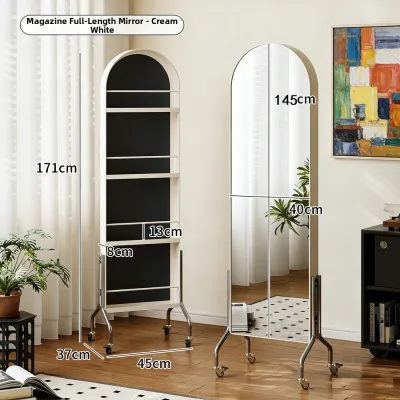
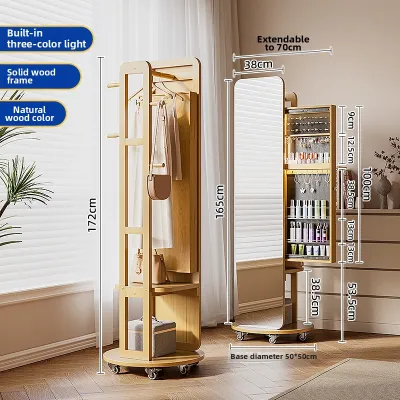
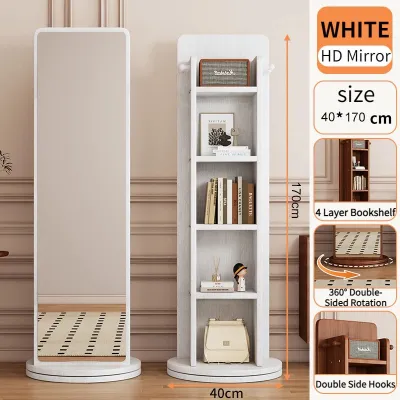
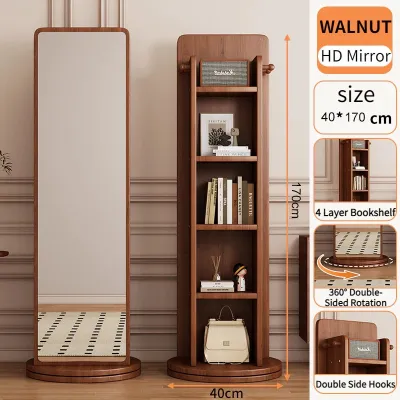
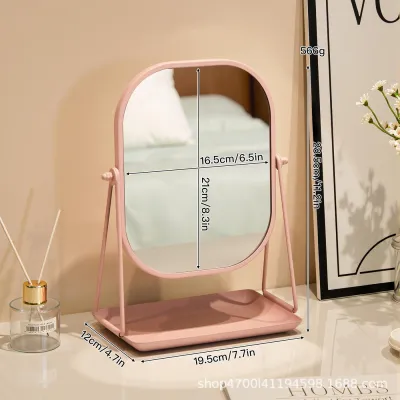
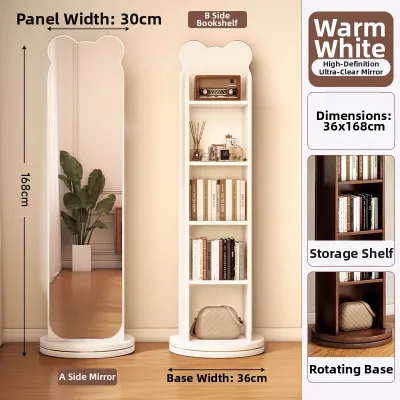
Prices are valid at publication and may change. Please refer to the product page for the latest price.
Finally, evaluate the physical floor space. High humidity can sometimes cause slight warping in wooden floorboards or affect the levelness of tiled floors. Use a level tool to check the floor condition where you plan to place the mirror. Measure the exact footprint of the rotating base, keeping in mind that the unit needs extra clearance to swivel fully without hitting walls or adjacent furniture. Ensure the base sits securely on a flat surface and does not encroach on high-traffic walkways where it could easily be bumped.
Choose the Right Placement for Maximum Depth
The physical location of your mirror determines how effectively it tricks the brain into perceiving extra square footage. One of the most reliable techniques is to position the mirror directly opposite or adjacent to a window. By doing this, the glass reflects the outdoor view—whether it is a garden, a balcony, or the sky—effectively creating a “second window” that visually extends the boundaries of your room. This placement also bounces natural light deep into the interior, reducing the need for artificial lighting during the day.

Another effective strategy is to place the standing mirror behind or beside key furniture pieces, such as a bed, a desk, or a small sofa. When a mirror is tucked slightly behind a piece of furniture, it creates the illusion that the room continues beyond that object rather than ending abruptly at a solid wall. This layering technique adds immediate depth and prevents the furniture from looking like it is crammed against the boundaries of the room.
However, a mirror only expands a room if what it reflects is pleasant to look at. Be mindful of the reflection’s contents. Position the mirror so it captures an organized, open area of the room rather than a cluttered desk, an open closet, or a busy doorway. Reflecting a chaotic pile of laundry or a stack of boxes will only double the visual clutter, making the room feel twice as cramped. Additionally, avoid placing the mirror where it directly reflects harsh, unshaded overhead light bulbs, which can create uncomfortable glare.
Adjust the Rotation and Angle for the Best Illusion
The primary advantage of a rotating standing mirror is its adjustability. Standard fixed mirrors only offer a single, static view, but a swiveling model allows you to fine-tune the reflection to suit different times of day or specific activities. To make a room feel taller, try tilting the mirror slightly upward. This subtle angle directs the reflection toward the upper portion of the walls and the ceiling, drawing the eye upward and creating a sense of loftiness, which is especially helpful in apartments with low ceilings.
You can also use the swivel function to capture the longest unobstructed sightline in the room. Stand at the entrance of the room and rotate the mirror until it reflects the furthest diagonal corner or an open hallway. By aligning the reflection with the longest physical distance in the space, you create a powerful illusion of continuous depth. The eye is naturally drawn to this deep reflection, making the physical boundaries of the room feel much less confining.
To ensure the angle is perfect, test the reflection from various vantage points. Sit on your bed, stand at the doorway, or sit at your desk, and observe what you see in the mirror. The goal is to ensure that from every primary seating or standing position, the reflection feels expansive and flattering rather than disorienting. Adjust the rotation gradually until you find the sweet spot that balances light distribution, spatial depth, and daily usability.
Utilize the Storage Feature Without Cluttering the Reflection
The built-in storage of a rotating mirror is a fantastic tool for small-space living, but it must be managed carefully to preserve the spatial illusion. Because the storage compartment is typically located behind or inside the mirror frame, it is easy to overstuff it. If items are allowed to bulge out or hang loosely from the sides, they will be visible in the reflection or from the side angles of the room. This defeats the purpose of hidden storage and introduces new visual clutter.
Keep the interior of the storage compartment meticulously organized. Use small bins, hooks, or designated slots to secure jewelry, cosmetics, or accessories. When everything has a specific place inside, the exterior profile of the mirror remains clean and streamlined. This ensures that when you rotate the mirror to access your items, the movement is smooth and does not cause items to rattle or fall, which could destabilize the unit.
Additionally, keep the floor area immediately surrounding the mirror base completely clear. It can be tempting to use the base as a temporary landing pad for shoes, bags, or laundry baskets, but clutter at the base of a mirror immediately breaks the illusion of floor depth. A clean, unobstructed floor reflection makes the room’s footprint appear larger. Use the hidden storage to tuck away these everyday essentials, keeping them out of sight and maintaining a tidy, spacious environment.
Common Placement Mistakes to Avoid
While mirrors are excellent tools for spatial expansion, poor placement can have the opposite effect. Avoid positioning your mirror so that it reflects a blank, dark wall or an empty corner. This does nothing to enhance the room and can actually make the space feel cold and uninviting. Instead, ensure the mirror is always reflecting light, texture, or an open view to maximize its impact.
Another common mistake is placing the mirror in a way that disrupts the natural traffic flow of the room. In a small bedroom or living area, every inch of floor space is valuable. If you have to squeeze past the mirror or constantly worry about bumping into it, the room will feel stressful and cramped. Avoid placing it directly behind doors, in tight walkways, or where it might reflect private areas like a bathroom interior or a utility closet, which can disrupt the visual harmony of your living space.
Safety should always be your top priority when positioning a heavy standing mirror. If your floor is uneven, or if you notice any wobbling when you rotate the unit, stop using it immediately. Do not attempt to prop up the base with temporary shims or cardboard. Instead, consult the manufacturer’s assembly instructions to verify that all components are securely tightened, and ensure the unit is placed on a completely flat, stable surface to prevent tipping hazards.
Frequently Asked Questions (FAQ)
Can a rotating standing mirror with storage work in a room with no windows?
Yes, a rotating standing mirror can still create a sense of depth in a windowless room. Instead of natural light, position the mirror to reflect warm, diffused artificial light sources, such as a soft table lamp or a shaded floor lamp. Avoid reflecting harsh, direct overhead bulbs, which can cause glare. Additionally, swivel the mirror to capture the longest diagonal view of the room, which helps simulate an extended physical space and breaks up the solid, windowless walls.
How do I keep a large standing mirror from tipping over?
To ensure your standing mirror remains stable, always assemble the unit fully according to the manufacturer’s instructions and place it on a flat, level floor. Check the product specifications for weight limits and distribute your stored items evenly inside the compartment to keep the center of gravity low. If the mirror comes with anti-tip hardware or wall anchors, install them securely. If you notice any wobbling, leaning, or instability, stop using the mirror immediately and consult a qualified professional or the manufacturer for guidance.

Community discussion
Share your experience or ask a question. Comments are reviewed before publication.