
Positioning a stand mirror correctly can instantly make a small room feel twice its actual size. This spatial transformation relies on a simple optical principle: mirrors bounce light and extend sightlines, tricking the brain into perceiving depth where a solid wall exists. In compact living environments, such as urban condominiums or studio apartments, strategic mirror placement is one of the most effective ways to combat a cramped, boxy atmosphere.
By understanding how to manipulate reflections, you can turn a functional dressing accessory into a powerful design tool. A well-placed mirror does more than just show your reflection; it acts as an extra window, a light distributor, and a visual escape route for the eye. To achieve these benefits, you must consider not only where the mirror stands on your floor but also the angle at which it leans and the specific view it projects back into the room.
The Best Floor Spots to Expand a Compact Room
Finding the right physical location for your stand mirror is the first step toward maximizing its space-expanding potential. In a small room, floor space is precious, so the mirror must be positioned where it can perform its optical magic without obstructing daily movement.
Products mentioned in this guide
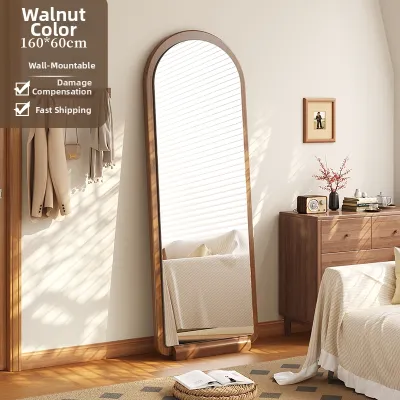
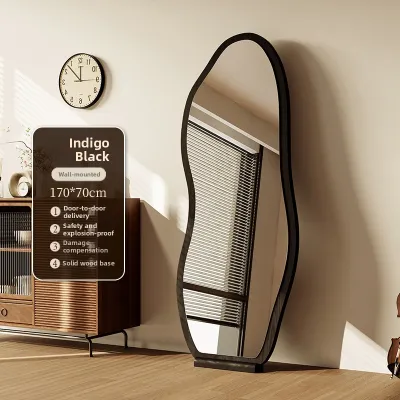
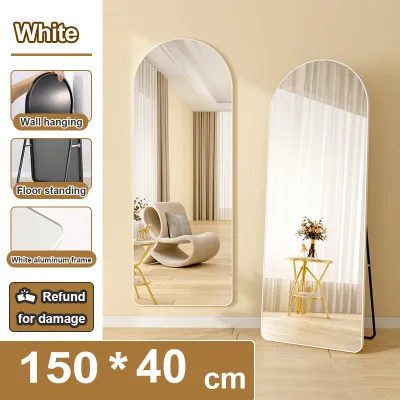
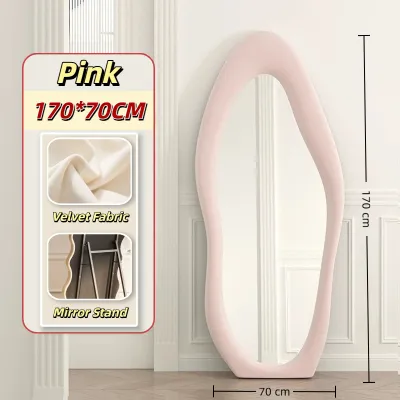
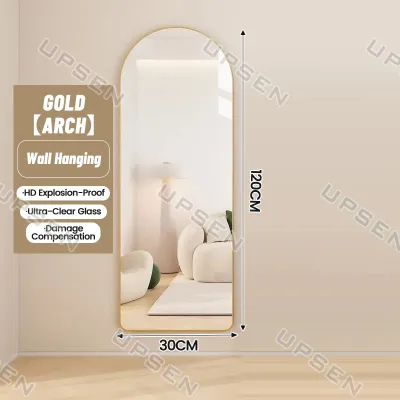
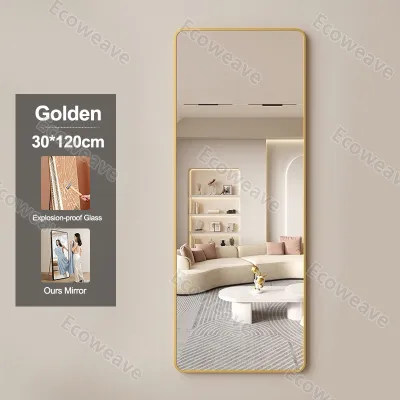
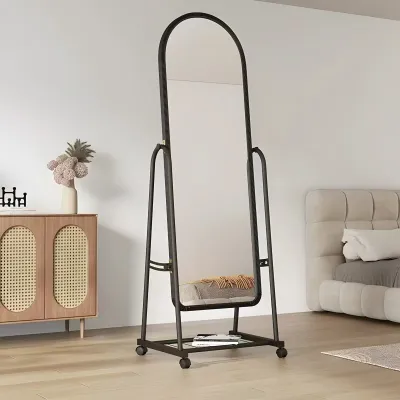
Prices are valid at publication and may change. Please refer to the product page for the latest price.
Opposite or Adjacent to a Window
Capturing natural light is the easiest way to make any compact room feel brighter and more open. In tropical climates, homes often experience intense, directional daylight throughout the day. Placing your stand mirror directly opposite a window allows it to catch this abundant daylight and bounce it deep into the darker corners of the room. This effectively reduces harsh shadows that can make a small room feel closed-in and gloomy.
If the direct afternoon sun in your area is exceptionally bright, placing the mirror directly opposite the window might create a blinding glare. In this scenario, position the mirror adjacent to the window at a slight angle. This adjustment allows the glass to capture and redistribute ambient daylight without reflecting a harsh, direct glare into your seating or sleeping areas. You can observe how the light shifts across the room at different times of the day and make minor adjustments to keep the space consistently bright.
Angled in a Corner
Corners in small rooms are frequently underutilized or left as dark, dead zones that emphasize the room’s physical boundaries. Placing a stand mirror diagonally across a corner softens the rigid 90-degree lines of your walls. This diagonal placement breaks up the boxy geometry of the room, making the floor plan feel more fluid and dynamic.
When you angle a mirror in a corner, it creates a layered reflection that draws the eye along the longest diagonal axis of the space. This clever trick prevents the eye from stopping abruptly at the corner, instead guiding it through a reflected pathway that suggests more floor area exists beyond the wall. To enhance this effect, ensure the area immediately in front of the corner mirror is kept clear of heavy furniture so the reflection remains open and unobstructed.
At the End of a Narrow Hallway or Behind a Door
Narrow hallways, entryways, and transitional passages are notoriously difficult to decorate without making them feel claustrophobic. A stand mirror positioned at the end of a short hallway visually doubles the length of the passage, creating an inviting sense of depth. This setup tricks the mind into believing the home continues much further than it actually does, which immediately alleviates the cramped feeling of a tight entryway.
However, placing a large mirror in a high-traffic hallway requires careful planning to ensure it does not become a physical hazard. You must make sure the frame does not block the actual walking path or restrict movement. If your hallway is exceptionally narrow, consider placing the mirror in a recessed nook or slightly behind an open door. This positioning ensures the mirror is protected from accidental bumps while still providing an open, deep reflection when the door is closed.
Mastering the Lean: Angles and Reflection Control
A stand mirror does not have to sit perfectly flat against a wall to be effective. In fact, leaning the mirror at a slight angle is often the key to unlocking its full spatial potential, as the tilt directly controls the proportions of the reflected space.

Adjusting the Tilt for Ceiling vs. Floor Reflection
The angle at which your mirror leans dictates exactly what your eyes perceive when you look across the room. A steeper lean, where the top of the frame is positioned very close to the wall, reflects more of the floor. While this can ground your decor and make the mirror feel integrated with your furniture, it can also highlight a limited floor area, inadvertently emphasizing how small the room is.
Conversely, pulling the base of the mirror slightly further away from the wall tilts the glass upward, allowing it to reflect more of the ceiling and upper walls. This vertical reflection draws the eye upward, creating a powerful illusion of height and airiness that is incredibly beneficial in rooms with low ceilings. To find the perfect balance, temporarily prop the mirror at different angles and walk to the room’s main entrance. Observe the reflection from this viewpoint and adjust the tilt until the mirror showcases an elevated, open view of the upper room rather than just a patch of floor.
Curating the Bounce-Back View
Because a mirror is a visual amplifier, it will duplicate whatever sits within its field of view. If your stand mirror is positioned directly opposite a cluttered desk, an open wardrobe, or a laundry basket, it will visually double that clutter, making your compact room feel twice as chaotic and cramped. Therefore, you must carefully curate the “bounce-back” view.
Direct the mirror’s reflection toward an uncluttered zone, a clean wall adorned with a minimalist piece of art, or a tidy seating area. Bouncing back clean, structured lines or a peaceful, open pathway introduces a sense of order and tranquility that naturally makes a small room feel more expansive. If you love indoor plants, positioning the mirror to reflect a lush houseplant (such as a peace lily or a monstera) can bring a refreshing touch of nature into the reflection, adding depth and a vibrant, organic feel to the space.
Securing Your Stand Mirror: Anti-Slip and Anti-Tip Safety
While stand mirrors are excellent decor pieces, their size and weight mean safety must always be your top priority. Before moving, leaning, or installing any mirror, always consult the manufacturer’s weight specifications, base dimensions, and specific safety instructions.
In many tropical climates, residential floors are finished with smooth ceramic tiles, polished marble, or glossy vinyl to keep the home cool. These smooth surfaces offer very little natural traction, which means a heavy mirror base can easily slide outward over time. To prevent dangerous slipping, always place non-slip rubber pads, gripper mats, or specialized furniture stops beneath the base of the frame. These inexpensive accessories, often costing under ₱150, provide the necessary grip to keep the mirror securely in place on polished floors.
If your stand mirror features integrated LED lighting for added brightness, you must take extra precautions:
- Verify Voltage: Ensure the mirror's power requirements match your home's standard voltage (typically 220V in the Philippines).
- Check Electrical Certification: Look for official safety and electrical certifications on the product label to prevent short circuits.
- Assess the Environment: Avoid plugging in an LED mirror near open windows where sudden tropical rain showers could expose the electrical components to moisture.
For tall, heavy leaning mirrors, relying solely on gravity is a significant safety hazard, especially in households with children, pets, or high foot traffic. You should always secure the top of the frame to the wall using heavy-duty furniture tethers, anti-tip straps, or wall anchors.
If you are unsure of your wall’s material (such as crumbly plaster, hollow drywall, or tough concrete), or if the mirror lacks pre-installed tether points, stop immediately. Do not attempt to improvise a mounting solution. Instead, consult a qualified professional or the manufacturer to ensure the mirror is safely anchored without risking structural damage or personal injury.
Placement Mistakes That Make Small Rooms Feel Cramped
Even a high-quality stand mirror can fail to expand your space if it is positioned incorrectly. One of the most common styling mistakes is placing a mirror where it blocks natural walking paths. If you have to squeeze past a mirror or constantly worry about bumping into it, the physical inconvenience will completely override any visual illusion of openness. A mirror should complement the flow of your room, not act as an obstacle.
Another frequent error is creating direct glare from artificial light sources. Positioning a mirror where it directly reflects bare light bulbs, overhead fixtures, or intense midday sun into your eyes will cause constant visual discomfort. This glare can make the room feel harsh and uninviting. Instead, ensure the mirror reflects ambient, diffused light rather than direct, unshielded light sources.
Finally, pay close attention to the frame of your mirror. While a heavily carved, thick, dark wooden frame might look beautiful in a spacious showroom, it can act as a heavy visual anchor in a compact room. These bulky frames draw attention to the physical boundaries of the mirror, breaking the illusion of an endless wall. For small spaces, conditional design preferences lean toward thin, minimalist metal frames or completely frameless designs. These styles allow the reflective glass to blend seamlessly into your wall, maximizing the perceived open space.
Frequently Asked Questions (FAQ)
Can I use a stand mirror in a small, humid bathroom?
You can use a stand mirror in a bathroom, but you must first verify the mirror’s backing, frame materials, and manufacturer labels for moisture resistance. High humidity, common in tropical bathrooms, can damage the silvering on the back of the glass, leading to black spots, or cause wooden frames to warp and rot. Ensure your bathroom has adequate ventilation, keep the mirror away from direct water splash zones, and consult a professional if you plan to install any fixed wiring or lighting components in a damp environment.
Does the frame style affect how big the room looks?
Yes, the frame style significantly influences the spatial illusion. Heavy, dark, or highly ornate frames create a distinct visual border that emphasizes the physical limits of the room, making the space feel more enclosed. In contrast, thin, minimalist, or frameless designs allow the eye to glide smoothly across the reflection, maximizing the glass area and enhancing the illusion of continuous, open space.

Community discussion
Share your experience or ask a question. Comments are reviewed before publication.