
Positioning a standing mirror strategically is one of the most effective, budget-friendly ways to visually expand a cramped room. By placing the mirror where it can capture natural light, reflect the longest visual pathway, or soften sharp corners, you can instantly trick the eye into perceiving a more open, airy environment. The secret lies not just in having a mirror, but in understanding how its placement interacts with the room’s existing light sources and architectural lines.
In compact living spaces, every design choice must serve multiple purposes. A standing mirror acts as a functional styling tool while simultaneously serving as an architectural cheat code that alters spatial perception. By mastering a few fundamental placement, angling, and styling techniques, you can transform a small, dark room into a bright, welcoming sanctuary.
Understanding How Mirrors Expand Small Spaces
Mirrors do not physically alter a room’s square footage, but they fundamentally change how our brains process spatial limits. When light hits a mirror, it bounces back into the room rather than being absorbed by dark walls or heavy furniture. This increased illumination makes the space feel brighter, which naturally translates to a feeling of openness.
Products mentioned in this guide
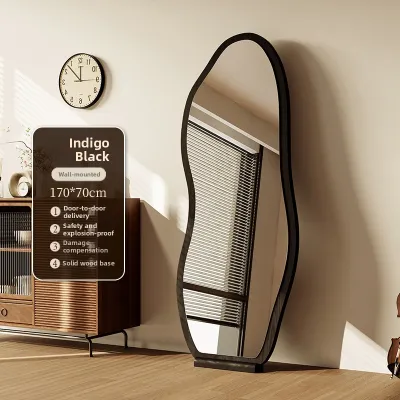
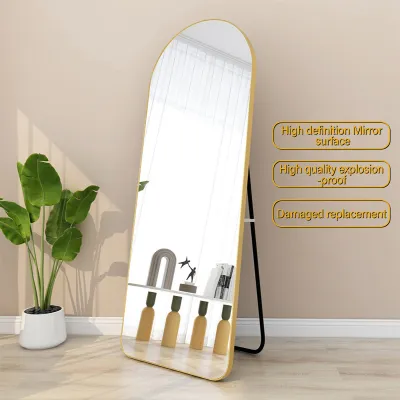
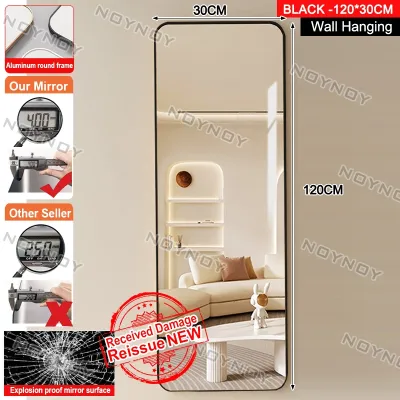
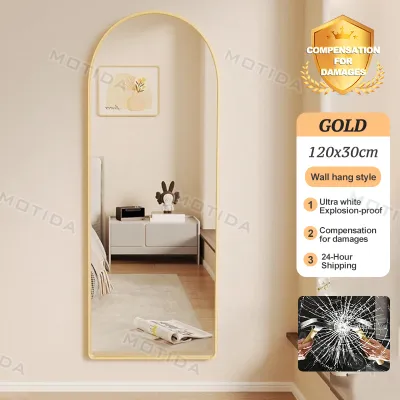
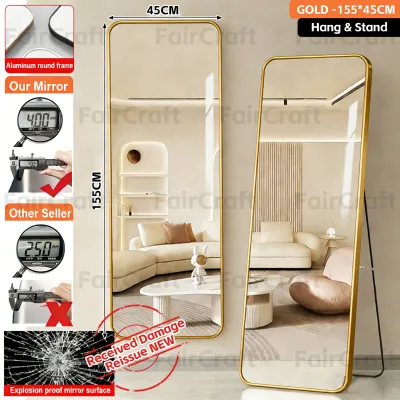
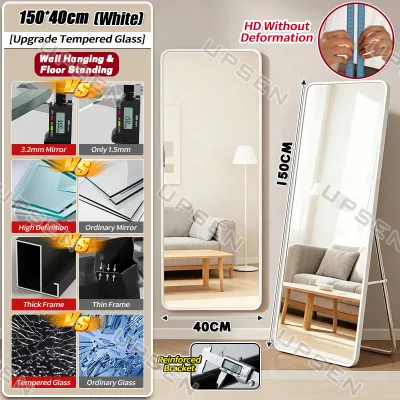
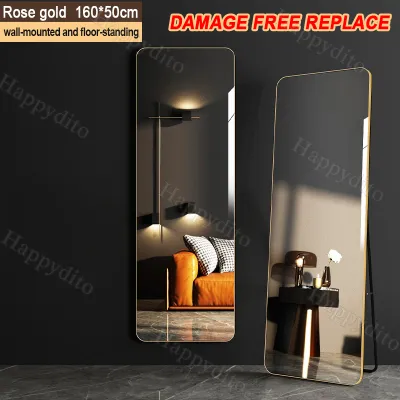
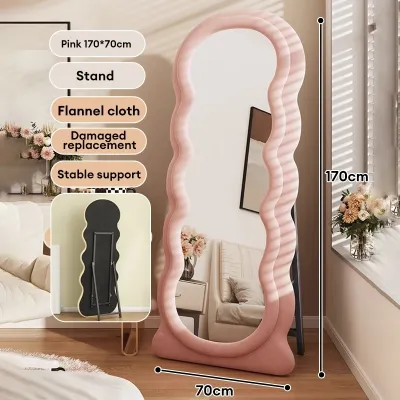
Prices are valid at publication and may change. Please refer to the product page for the latest price.
Furthermore, a mirror acts as an artificial window, extending the room’s sightlines beyond the physical drywall. By reflecting the opposite side of the room, it doubles the visual depth, creating a convincing illusion of a secondary space. To achieve this, you must focus on bouncing light into dim recesses and aligning the glass to reflect the longest dimensions of your floor plan.
This phenomenon relies on specular reflection, where light rays reflect off a perfectly smooth surface at the same angle they arrived. When your eyes perceive these reflected rays, your brain interprets them as a continuation of the physical room. By choosing a high-quality standing mirror with excellent clarity, you ensure that this illusion is as convincing and seamless as possible.
Best Placement Strategies for Maximum Impact
The effectiveness of a standing mirror depends heavily on its immediate surroundings and what lies directly in its line of sight. Simply leaning a mirror against any random wall might only result in a reflection of a blank ceiling or a cluttered closet door. To truly maximize the spatial illusion, you must treat the mirror as a dynamic frame that captures the most appealing aspects of your interior.

Choosing the right zone requires analyzing how traffic flows through the room and where light enters. By focusing on three primary placement zones—opposite windows, near entryways, and within neglected corners—you can systematically address the specific spatial limitations of your layout.
Facing a Window to Bounce Natural Light
Placing a standing mirror directly opposite or adjacent to a window is a highly effective way to amplify natural daylight. In tropical climates like the Philippines, where bright afternoon sun is abundant, this setup captures the outdoor light and distributes it deep into the interior. The reflection of the sky, trees, or outdoor scenery effectively blurs the boundary between indoors and outdoors, making the room feel like it extends past its physical walls.
However, direct sunlight can sometimes create a blinding glare that makes the room uncomfortable to sit in. To avoid this, angle the mirror slightly away from the direct path of the sun. This subtle adjustment still catches the ambient brightness and outdoor views while redirecting harsh, concentrated light beams away from seating areas or workspaces.
If your window overlooks a beautiful garden or a scenic view, the mirror acts as a living canvas, bringing the calming elements of nature inside. This biophilic connection not only makes the room feel larger but also enhances the overall mood and tranquility of your living space.
Near the Entryway to Create Depth
Positioning a standing mirror near the entrance of a small room establishes an immediate sense of spaciousness the moment someone crosses the threshold. When placed along the entryway wall, the mirror catches the viewer’s eye instantly, drawing their gaze along the longest diagonal axis of the room. This immediate visual extension prevents the space from feeling restrictive or enclosed upon entry.
This placement also serves a highly practical purpose, allowing for quick outfit checks before leaving the room. By reflecting the open pathway leading into the room rather than a tight corner, the mirror sets a welcoming, expansive tone for the entire layout.
For narrow entryways or small studio apartments, a mirror placed near the door helps transition the eye smoothly from the outside corridor into the private living space. It breaks up the bottleneck effect that often plagues small entry points, making the entire home feel more cohesive and fluid.
In a Corner to Soften Boundaries
Corners in small rooms are often dead zones that trap shadows and emphasize the rigid, boxy nature of tight architectural layouts. Placing a standing mirror diagonally across a corner breaks up these harsh 90-degree angles by reflecting portions of two intersecting walls. This visual interruption softens the room’s hard boundaries, making the corners appear to recede.
This technique is particularly useful in square rooms that can otherwise feel static and compact. By filling the corner with a reflective surface, you introduce a dynamic layer of depth that tricks the mind into questioning where one wall ends and the next begins.
To enhance this effect, you can place a small, low-profile indoor plant just to the side of the mirror. The reflection of the greenery softens the corner even further, turning a previously neglected, dark space into an eye-catching design feature that draws the gaze outward.
Angling and Leaning Techniques
How you physically position the mirror against the wall plays a crucial role in how height and depth are perceived. While mounting a mirror flush against the wall provides a stable, traditional look, leaning a standing mirror at a slight angle introduces a completely different spatial dynamic.
A leaning mirror naturally tilts backward, creating an upward angle of reflection. This tilt causes the mirror to capture more of the ceiling and the upper portions of the opposite walls, rather than just the middle section of the room or the floor. For rooms with low ceilings, this upward perspective draws the eye upward, creating the illusion of loftier, more vertical space.
To find the perfect angle, you must test the reflection from various vantage points. Stand in the doorway, sit on the bed, or walk along the main path of the room to observe what the mirror displays. If the mirror is tilted too far back, it may only reflect an unappealing view of the ceiling light fixtures or empty upper walls; if it is too upright, it may cut off the sense of height.
Adjust the base of the mirror outward or inward by small increments until the reflection captures a balanced mix of the room’s mid-level decor and its upper architecture. This careful calibration ensures that the reflected image feels natural, balanced, and genuinely expansive from every angle. Generally, a lean angle of approximately 5 to 10 degrees from the wall provides the ideal balance of vertical expansion and visual comfort.
Styling and Lighting Tricks to Enhance the Effect
To elevate the spatial illusion from a basic design trick to a seamless interior feature, you must pay attention to the frame design, surrounding light sources, and ongoing maintenance.
- Surface Area: When selecting a standing mirror, prioritize models with a large, continuous glass surface. Avoid frames with heavy, grid-like overlays or highly divided panes, such as windowpane-style mirrors. While these decorative styles can be charming, they fragment the reflection and disrupt the continuous visual field, which can make a small room feel busier and more cluttered. A sleek, minimal frame or a frameless design maximizes the unbroken reflective area, allowing the illusion of depth to remain clean and convincing.
- Artificial Light: The spatial benefits of a mirror should not disappear when the sun goes down. To maintain the illusion of openness during evening hours, position a floor lamp or a warm table lamp near the mirror. Ensure that the light source is placed slightly to the side or behind a nearby object so the bulb itself is not directly reflected, which would cause uncomfortable glare. Instead, let the mirror catch and disperse the soft, ambient glow of the lamp, filling dark corners with warm light. When setting up lighting, always verify the manufacturer's wattage limits and ensure all electrical cables are tucked away safely to prevent tripping hazards.
- Frame Selection: Opt for frames that blend with your wall color rather than contrasting sharply with it. A frame that matches the wall color allows the mirror to merge seamlessly with the architecture, making the glass look like a natural opening in the wall rather than a heavy, added object. If you prefer metal finishes, thin frames in champagne gold, brass, or matte black add a touch of modern elegance without occupying precious visual space.
- Maintenance: In humid environments like the Philippines, mirrors are highly susceptible to accumulating moisture spots, haze, dust, and fingerprint smudges. A dirty or streaky mirror immediately breaks the optical illusion of depth by drawing attention to the physical glass surface itself rather than the reflected space. Keep the glass spotless by cleaning it regularly with a microfiber cloth and a dedicated glass cleaner or a mild vinegar solution. Wipe in a consistent Z-pattern to prevent streaks, ensuring the surface remains perfectly clear and transparent to preserve the illusion of an open room.
Common Placement Mistakes to Avoid
While a well-placed mirror can work wonders, a careless layout can easily backfire, making a compact room feel even more confined or chaotic.
- Reflecting Clutter: A mirror doubles whatever is in its line of sight. If you position your standing mirror directly opposite an open closet, a messy desk, or a pile of laundry, you will effectively double the visual clutter in the room. This added visual noise makes the space feel chaotic and cramped. Always ensure the mirror reflects a clean, organized, or minimalist area of the room.
- Creating a Tunnel Effect: Placing a standing mirror too close to a blank, featureless wall can create a cold, claustrophobic "tunnel" effect. Without any interesting textures, artwork, or light to reflect, the mirror simply duplicates a flat, empty surface, offering no real sense of depth or visual relief.
- The Funhouse Effect: Avoid the temptation to line a small room with multiple large mirrors. While one or two strategically placed mirrors can open up a space, placing them opposite each other or scattering too many throughout a small area creates disorienting reflections. This "funhouse" effect can make the room feel unstable and visually overwhelming.
- Blocking Pathways: A standing mirror has a physical footprint, especially if it relies on an easel back or leans outward from the wall. Never position the mirror where it obstructs natural walking paths, blocks closet doors, or interferes with the swing of the room's main door. A mirror that constantly gets bumped or requires awkward maneuvering to walk around will quickly become a daily frustration.
Safety Tips for Leaning and Positioning
Because standing mirrors are heavy and often lean freely against walls, safety must be your top priority during installation. A falling mirror poses a severe risk of injury and property damage, particularly in active households.
- Secure the Frame: Never rely solely on gravity to keep a leaning mirror in place. Always use heavy-duty anti-tip straps or wall anchors to secure the top of the mirror frame directly to a wall stud. These safety devices remain hidden behind the frame while preventing the mirror from tipping forward if bumped or during minor seismic activity.
- Check Floor Levelness: Before placing your mirror, use a spirit level to check the floor. Uneven flooring can cause a leaning mirror to wobble or slide sideways over time. If the floor is uneven, adjust the placement or use subtle shims to ensure the frame sits perfectly stable.
- Use Non-Slip Pads: The base of a leaning mirror can easily slip outward on smooth flooring surfaces like polished wood, tile, or laminate. Always place durable, non-slip rubber pads or silicone grips under the bottom contact points of the frame. This simple addition provides the necessary friction to keep the base firmly anchored to the floor.
- Consult Professionals for Complex Installs: If you are mounting a massive mirror to the wall or dealing with fragile plaster walls, do not hesitate to hire a qualified professional. Ensure all mounting hardware is rated for the specific weight of your mirror to guarantee a secure, worry-free setup.
Frequently Asked Questions (FAQ)
Is it bad to place a standing mirror facing the bed?
Whether to place a mirror facing the bed depends largely on personal preference and design philosophy. In some traditional layout practices, such as Feng Shui, facing a mirror directly toward the bed is discouraged because it is believed to bounce energy around the room, potentially causing restless sleep or vivid dreams. From a purely practical standpoint, catching your own sudden reflection in the dark can be startling and disruptive to a peaceful night’s rest.
If your layout requires the mirror to face the bed, consider angling it slightly so you cannot see your reflection while lying down, or drape a soft, decorative fabric over the glass at night. This allows you to enjoy the spatial benefits of the mirror during the day while maintaining a calm, distraction-free environment for sleeping.
What size standing mirror is best for a small room?
For a small room, you should choose a standing mirror that is at least half to two-thirds the height of the average user to ensure a comfortable, full-body view. A taller mirror is generally more effective at creating the illusion of high ceilings. When it comes to width, look for a single-pane mirror that is broad enough to capture a wide reflection without overwhelming the room’s physical footprint.
A mirror that is roughly 24 to 36 inches wide (60 to 90 centimeters) usually strikes the perfect balance, providing a generous reflective surface while leaving plenty of floor space for daily movement. Avoid oversized frames that eat up precious inches of floor space, and instead opt for thin, low-profile frames that maximize the glass surface area.

Community discussion
Share your experience or ask a question. Comments are reviewed before publication.