
To make a small room look bigger, position a wall mirror where it can capture and reflect natural light, such as directly opposite or adjacent to a window. This placement bounces daylight deep into the room, visually doubling the depth of the space and creating the illusion of an open, airy environment. Strategic positioning relies on aligning the mirror with appealing views and key furniture pieces to stretch visual boundaries without adding physical clutter.
Assess Your Room's Layout and Light Sources
Before mounting a wall mirror, you must evaluate how light and movement flow through your space. In tropical climates like the Philippines, where bright afternoon sun can be intense, mapping the path of natural light throughout the day is essential. Observe where sunlight enters and how it moves across your walls to find the spots that will benefit most from a reflective surface.
Identify the primary focal point of the room, such as a bed, a dining table, or an accent wall, along with the main pathways of foot traffic. Placing a mirror where it constantly reflects a busy walkway or a cluttered corner can make the room feel chaotic rather than spacious. You want the mirror to reflect open areas or pleasant views to maximize the feeling of breathing room.
Products mentioned in this guide
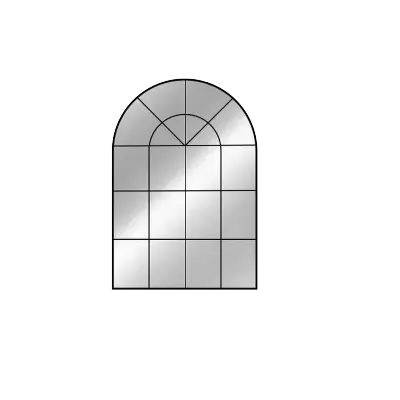
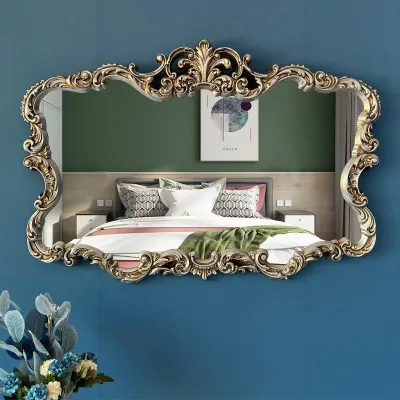
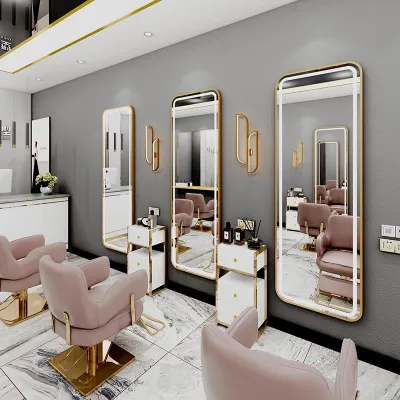
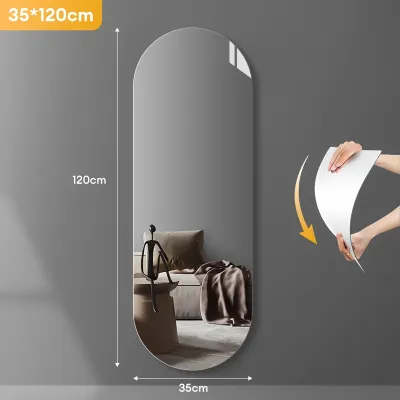
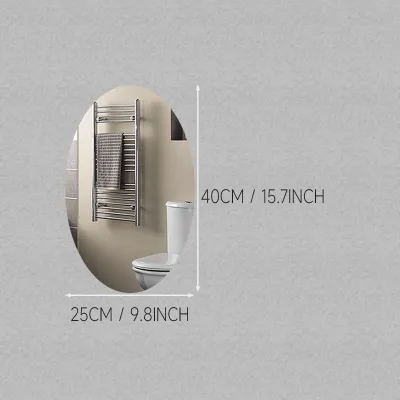
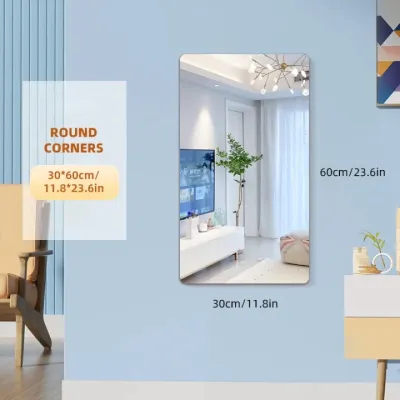
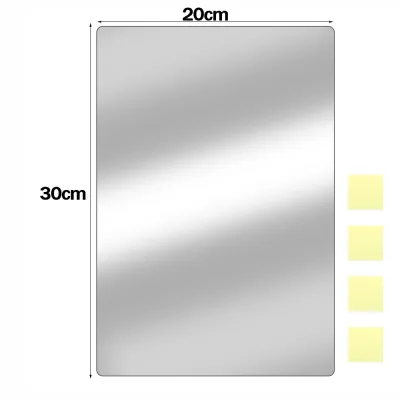
Prices are valid at publication and may change. Please refer to the product page for the latest price.
Finally, check the structural limits of your walls and locate any existing electrical fixtures or wiring. In many homes, walls may consist of concrete, hollow blocks, or drywall, each requiring specific mounting hardware and installation techniques. If you plan to install a heavy mirror, work at height, or mount near electrical outlets, ensure you verify the wall material and consult a qualified professional to avoid damaging hidden utility lines or risking a fall.
Best Wall Mirror Placements for Expanding Space
The way a mirror manipulates spatial perception depends entirely on the angle of reflection and what lies directly across from it. By treating a mirror as an extra window, you can trick the eye into seeing depth where a solid wall actually stands. Different placement zones offer unique ways to reshape your room’s layout and maximize light.

Opposite a Window
Placing a wall mirror directly opposite a window is an effective way to amplify natural light and bring the outdoors inside. This setup captures the incoming daylight and bounces it back into the room, helping make the entire space feel brighter and more open. It essentially duplicates the window, giving the illusion of a symmetrical architectural feature.
When using this placement, consider the view that will be reflected. If your window looks out onto lush garden greenery or an open sky, the mirror will bring those pleasant outdoor elements into your living space. However, if the window faces a plain concrete wall or a high-traffic utility area, you may want to adjust the angle slightly to avoid highlighting an unappealing view.
Behind a Focal Point or Furniture
Positioning a wall mirror behind a key furniture piece, such as a sofa, a console table, or a dining set, creates a layered look that visually pushes the wall backward. This technique adds a sense of depth behind your furniture, making the room feel as though it extends beyond its physical boundaries.
To maintain visual balance, ensure the mirror is proportionate to the furniture piece below it. A mirror that is too small can look lost and disconnected, while one that is too wide might overwhelm the arrangement. Generally, choosing a mirror that spans about two-thirds to three-quarters of the width of the furniture below it creates a harmonious and stable composition.
Adjacent to a Window or in a Dark Corner
If placing a mirror directly opposite a window is not possible due to your room’s layout, mounting it on an adjacent wall is an excellent alternative. This position catches peripheral light and bounces it across the room at an angle, which helps to widen narrow walls and soften harsh shadows.
In dark corners or alcoves where natural light rarely reaches, a strategically placed mirror can catch light from nearby lamps or adjacent rooms. Hanging a vertical mirror in these tight spots draws the eye upward, emphasizing the height of the ceiling and making a cramped corner feel like an intentional, open alcove.
Angles, Heights, and Grouping Techniques
Fine-tuning the installation details of your wall mirror is crucial for optimizing the spatial illusion while keeping the room functional. For general use, the standard guideline is to hang the mirror so its center sits at eye level, which is typically around 150 centimeters from the floor. This ensures that the mirror remains practical for daily use while reflecting a natural view of the room.
If your primary goal is to bounce light and emphasize height rather than use the mirror for grooming, you can experiment with slight angles. For instance, a large leaning mirror secured safely against a wall can be tilted slightly upward. This angle reflects more of the ceiling and upper walls, which draws the eye upward and makes low ceilings feel significantly higher.
For large, blank walls where a single massive mirror might feel too heavy or expensive, a gallery wall grouping of smaller mirrors is a practical alternative. Grouping multiple smaller mirrors with cohesive frame styles or shapes breaks up the flat surface of the wall without overwhelming the space. Keep the frames simple and thin to maintain a clean, uncluttered look that allows the reflections to take center stage.
Common Placement Mistakes to Avoid
While mirrors are excellent tools for expanding a room, poor placement can have the opposite effect, making a small space feel cramped and chaotic. One of the most common mistakes is hanging a mirror where it directly reflects a cluttered area, a busy storage shelf, or highly patterned wallpaper. This doubles the visual noise in the room, making it feel twice as crowded.
Another issue to avoid is placing a mirror where it catches direct, harsh artificial light from exposed bulbs or bright ceiling fixtures. This can create intense glare and hot spots that make the room uncomfortable to sit in. Instead, position the mirror to reflect diffused ambient light or soft lamplight to keep the atmosphere comfortable and inviting.
Safety must always be a priority when hanging mirrors, especially in high-traffic areas or above furniture. Never rely on simple adhesive strips or weak nails for heavy glass mirrors. Always verify the weight of your mirror and use the appropriate anchors, brackets, or heavy-duty picture wire designed for your specific wall type. If you are mounting a mirror in a damp environment like a bathroom, ensure the backing and frame are moisture-resistant to prevent warping and silvering damage over time.
Choosing the Right Mirror Size and Style for Small Rooms
Selecting the right mirror involves balancing its physical dimensions with the scale of your room. In small spaces, a single large statement mirror often works better than several medium-sized ones, as it provides a continuous, uninterrupted reflection that truly mimics an architectural opening. However, you must verify the available wall space and ensure the mirror does not physically crowd adjacent doorways or light switches.
Frame styles play a significant role in how heavy a mirror feels in a room. Thick, ornate wooden or metal frames can dominate a small wall and make the space feel smaller by drawing too much attention to the mirror’s physical boundaries. For a modern, spacious feel, opt for thin, minimalist frames or even frameless mirrors with polished or beveled edges that blend seamlessly into the wall.
Before making a purchase, measure your wall space carefully and use painter’s tape to outline the mirror’s dimensions on the wall. This simple check allows you to visualize the scale of the mirror in relation to your ceiling height and nearby furniture, ensuring a proper fit before you begin drilling or mounting.
Frequently Asked Questions (FAQ)
How high should I hang a wall mirror in a small room?
For general living areas, hang the wall mirror so its center is at eye level, which is approximately 150 centimeters from the floor. If you are positioning the mirror above a piece of furniture like a console table or sofa, leave a gap of about 15 to 20 centimeters between the bottom of the frame and the top of the furniture to maintain visual balance and prevent accidental bumps. In narrow hallways, keeping the mirror at eye level helps open up the passage as you walk through.
Can I use multiple small mirrors instead of one large mirror?
Yes, you can use multiple small mirrors to create a gallery-style arrangement, which is highly effective for breaking up large, blank walls. To keep the arrangement from looking cluttered, use mirrors with uniform frame colors, materials, or geometric shapes. While a single large mirror provides the most seamless illusion of depth, a well-organized group of smaller mirrors adds decorative interest while still bouncing light around a small room.
Community discussion
Share your experience or ask a question. Comments are reviewed before publication.