
Positioning a wall mirror to make a small room look bigger is one of the most effective interior design strategies for compact living spaces. By understanding how light, angles, and reflections interact, you can visually push back walls and double the perceived square footage of a room. The key lies in strategic placement: a mirror should never just hang on an empty wall to fill space; it must actively work with the room’s existing light sources and architectural features to create depth.
Using mirrors to expand a room relies on manipulating human perception. When a mirror is placed correctly, it tricks the brain into seeing an extension of the room rather than a solid, flat surface. This guide covers how to assess your space, choose the right mirror, and install it safely to achieve the maximum spatial illusion.
Assess Your Room's Light and Focal Points
Before driving any nails into the wall, you must analyze how light and movement flow through your space. In tropical environments, natural light can shift dramatically from the bright morning sun to the softer, golden hues of the late afternoon. Spend a day observing where the sunlight hits your walls and how far it penetrates into the room. This observation helps you identify the areas that remain perpetually dark or shadowed, which are prime candidates for a reflective surface.
Products mentioned in this guide
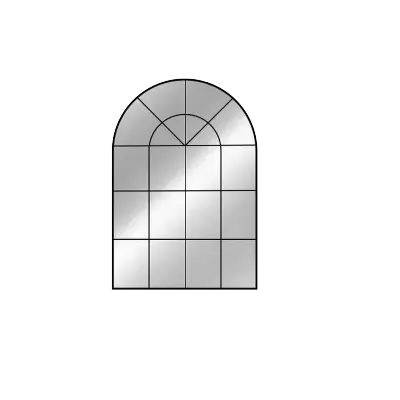
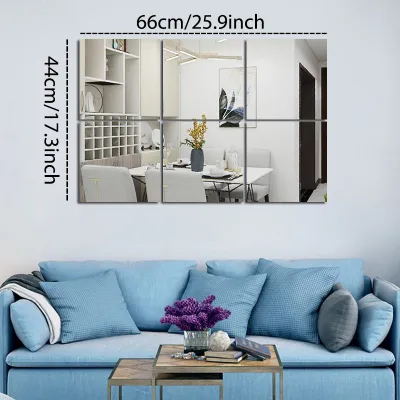
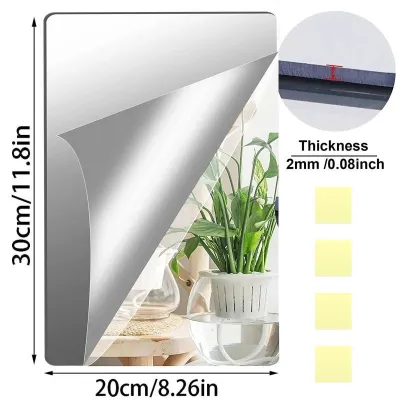
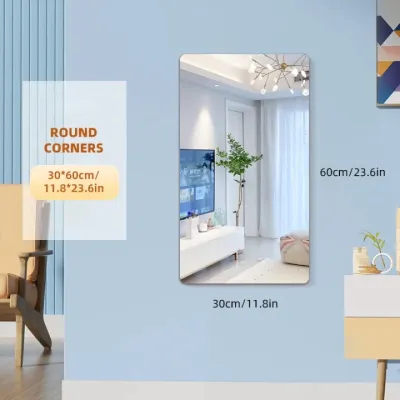
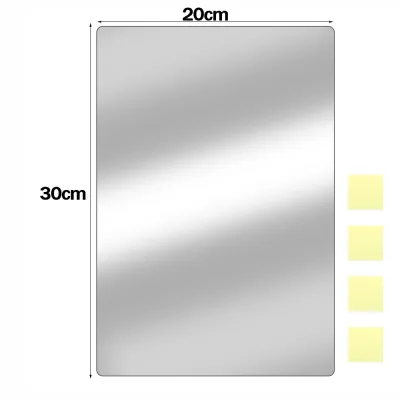
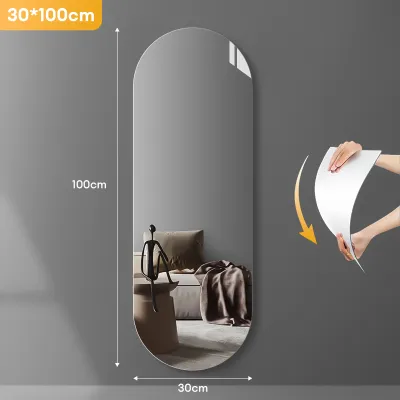
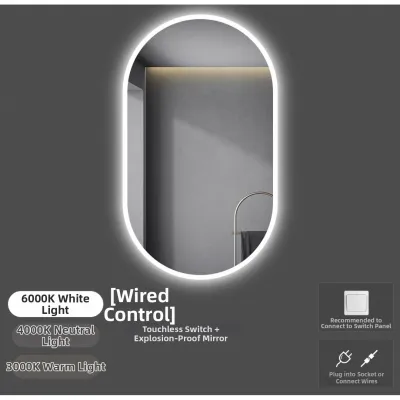
Prices are valid at publication and may change. Please refer to the product page for the latest price.
Next, evaluate the visual weight of your room. Look for cluttered zones, such as open shelving units, shoe racks, or busy work desks, and contrast them with clean, underutilized walls. Your goal is to position the mirror where it can capture and reflect an uncluttered, open view rather than doubling the appearance of household items.
Finally, identify the primary focal point of the room. This could be a beautiful indoor plant, an accent wall, or a window looking out onto greenery. A wall mirror should be positioned to highlight these attractive features, effectively doubling their presence and drawing the eye deeper into the space.
Best Wall Mirror Placements for Small Spaces
Choosing where to mount your wall mirror requires a careful balance of spatial geometry and daily foot traffic. The right placement can transform a cramped studio or a narrow bedroom into an airy, welcoming environment.

Opposite or Adjacent to a Window
Placing a wall mirror directly opposite or adjacent to a window is the most reliable way to amplify natural light. When sunlight streams through the window, the mirror catches the rays and bounces them deep into the darker corners of the room, making the entire space feel brighter and more open.
However, you must be mindful of what lies directly outside that window. If your window faces a blank concrete wall or a cluttered utility area, reflecting it will only bring that unappealing view inside. Instead, angle or position the mirror to capture the sky, treetops, or outdoor garden areas, which instantly connects your indoor space with the outdoors.
Additionally, consider the height of the window relative to the mirror. Hanging the mirror so its upper half aligns with the top of the window frame helps maintain a clean, continuous horizontal line around the room, which visually stretches the walls.
Behind a Key Furniture Piece
Positioning a wall mirror behind a major piece of furniture, such as a sofa, a dining table, or a console in the entryway, creates a layered effect that adds immediate depth. This technique tricks the eye into believing there is another room or an extended pathway hidden just behind the furniture.
To make this arrangement look balanced, the width of the wall mirror should be proportional to the furniture piece below it. A good rule of thumb is to choose a mirror that is approximately two-thirds to three-quarters the width of the sofa or console table, preventing the mirror from looking top-heavy or overwhelming.
You must also leave adequate clearance between the top of the furniture and the bottom of the mirror frame. A gap of 15 to 20 centimeters is usually sufficient to prevent the pieces from looking crowded while ensuring the reflection remains clean and unobstructed by cushions or tabletop decor.
In Tight Corners or Narrow Hallways
Tight corners and narrow hallways often become dead zones that make a home feel smaller than it actually is. Placing a large wall mirror or a tall, floor-leaning mirror in these areas can break up rigid architectural boundaries and soften sharp corners.
In a narrow hallway, positioning a mirror at the far end can visually double the length of the corridor, making the transition between rooms feel seamless. If the hallway is exceptionally narrow, hanging a series of smaller, framed mirrors along one side can create a rhythmic, gallery-like feel without crowding the physical walkway.
Always check the sightlines from the main entrance of the room or home. When you walk through the door, the mirror should reflect a welcoming, open area rather than a dark corner or a bathroom door, ensuring the first impression of the space is one of brightness and depth.
Choosing the Right Mirror Size and Shape
The physical dimensions and profile of your wall mirror play a critical role in how it alters the perception of space. While it might seem counterintuitive, a single, oversized mirror is almost always more effective at expanding a small room than a collection of smaller ones. A large, unbroken reflective surface provides a continuous view that mimics the effect of a window, whereas multiple small frames can segment the wall and make the room feel busier.
When selecting a shape, consider the existing lines of your furniture and architecture. If your room is filled with sharp angles, rectangular tables, and boxy shelving, a round or oval wall mirror can soften the space and introduce a sense of organic flow. Conversely, a tall, rectangular mirror hung vertically can emphasize vertical space, drawing the eye upward toward the ceiling and making low ceilings feel higher.
Frame selection is equally important, especially in humid tropical climates. Heavy, ornate wooden frames can feel visually oppressive in a small room and may warp if exposed to high humidity. Opt for thin, minimalist frames made of moisture-resistant materials like treated metals or engineered composites, or choose a frameless, beveled-edge mirror that blends seamlessly into the wall color.
Hanging and Angling Techniques for Maximum Illusion
Securely installing your wall mirror is a matter of both safety and visual precision. Because mirrors can be incredibly heavy, you must select the appropriate wall anchors and hardware based on your specific wall material. In many homes, walls are constructed of solid concrete or masonry, which requires a hammer drill, plastic wall plugs, and heavy-duty screws to ensure a secure hold. If you are mounting on drywall, always locate the wooden studs or use high-quality toggle bolts designed to support the mirror’s weight.
For exceptionally heavy, oversized, or structurally complex installations—such as hanging a large mirror directly over a bed or a sofa—it is highly recommended to consult a qualified professional. This ensures the mounting can withstand daily vibrations and remains safely anchored over time.
Before committing to a permanent mounting spot, test different heights and angles. You can have a helper hold the mirror at various positions, or use temporary hanging wires to adjust the tilt. Angling a mirror slightly upward can capture more of the ceiling and light fixtures, which enhances the feeling of height, while a perfectly flat mount is ideal for standard eye-level reflections.
As a general guideline, the center of a standalone wall mirror should align with average eye level, which is approximately 140 to 150 centimeters from the floor. This positioning ensures that the mirror is functional for daily use while maintaining a natural, balanced relationship with the surrounding decor.
Common Placement Mistakes to Avoid
While mirrors are powerful tools for spatial expansion, improper placement can easily backfire. One of the most common mistakes is positioning a mirror where it reflects visual clutter, such as an open laundry area, a stack of storage boxes, or a busy kitchen counter. This effectively doubles the clutter, making the room feel twice as messy and cramped.
Another frequent oversight is failing to check how the mirror reflects artificial light sources at night. If a wall mirror is placed directly opposite a harsh overhead light bulb or a bright track light, it can create intense, uncomfortable glare that ruins the evening ambiance of your living space. Always test the reflection with your evening lighting turned on before finalizing the installation.
Finally, never compromise on safety by mounting a heavy mirror on unsupported drywall or using adhesive strips that are not rated for the mirror’s weight and the local humidity. High humidity can weaken adhesives over time, leading to falling hazards. Always prioritize mechanical fasteners and proper structural anchoring to keep your decor secure.
Frequently Asked Questions (FAQ)
Can I use multiple small mirrors instead of one large one?
While a single large wall mirror is the most effective option for creating a seamless illusion of space, you can use multiple small mirrors if they are arranged thoughtfully. To prevent the wall from looking cluttered, group the mirrors closely together to form a cohesive gallery layout. Keep the frames thin and consistent in color, and ensure the spacing between each mirror is uniform. This creates a unified visual block that behaves similarly to a single paneled window, adding character without overwhelming a compact room.
How high should I hang a wall mirror in a small room?
For a standalone wall mirror, the standard rule is to position the center of the glass at average eye level, which is roughly 140 to 150 centimeters from the floor. If you are hanging the mirror above a piece of furniture like a sofa or console table, the bottom of the frame should sit about 15 to 20 centimeters above the top of the furniture. This gap prevents the arrangement from looking cramped while ensuring the mirror remains low enough to reflect the room rather than just the ceiling.
Community discussion
Share your experience or ask a question. Comments are reviewed before publication.