
Positioning a mirror on the wall is one of the most effective design strategies to make a small room feel open, airy, and bright. By understanding how reflection influences human perception, you can strategically place glass surfaces to trick the eye into seeing depth where none exists. This technique relies on manipulating light and angles rather than physical construction, making it an accessible upgrade for compact apartments, condominiums, and cozy bedrooms.
At its core, this spatial illusion works because mirrors double the available light in a room. When natural light from a window or artificial light from a lamp hits the reflective surface, it bounces back into the space, illuminating dark corners that otherwise make a room feel closed in. This increased brightness reduces the visual weight of heavy walls and makes the boundaries of the room feel more distant.
Beyond light distribution, mirrors create depth perception by acting as visual escape routes. The human brain interprets the reflection in a mirror as a continuation of the physical space, essentially creating a “false window” that breaks up solid, flat surfaces. While a mirror cannot add actual square meters to your floor plan, its ability to mimic architectural openings dramatically reduces the feeling of confinement.
Products mentioned in this guide
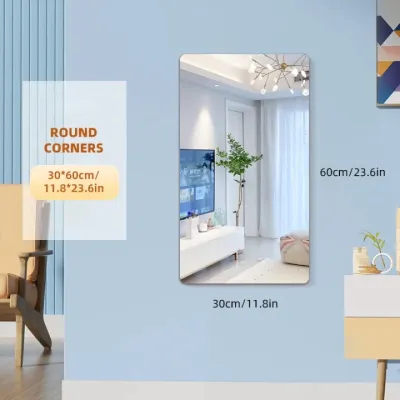
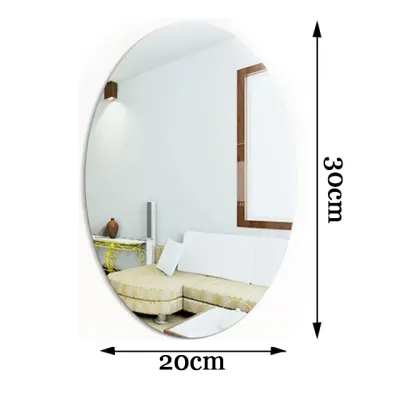
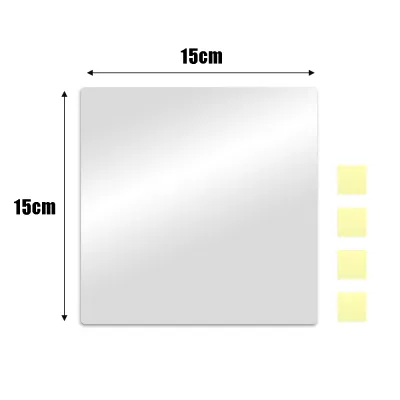
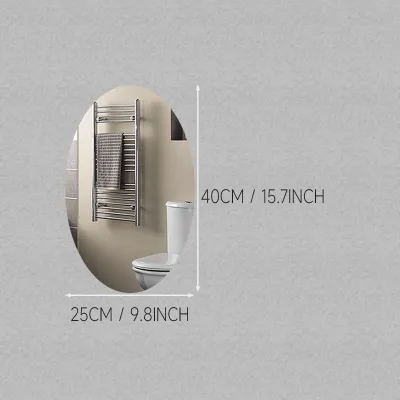
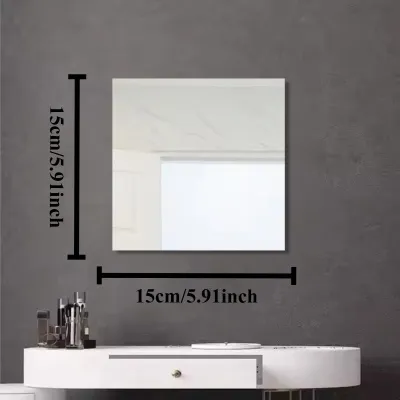
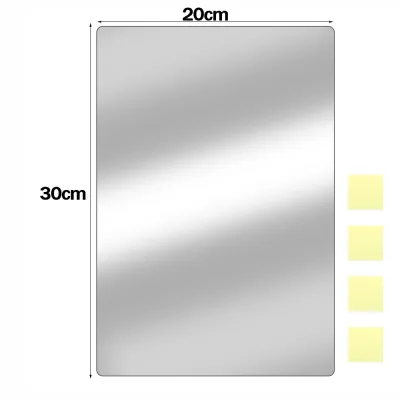
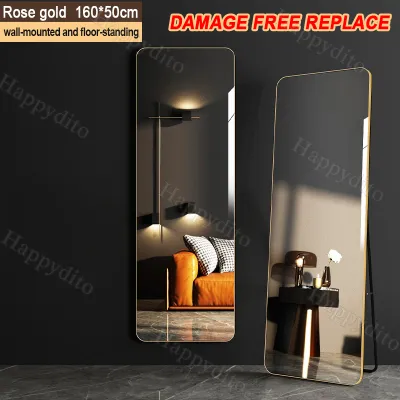
Prices are valid at publication and may change. Please refer to the product page for the latest price.
Strategic Wall Mirror Placements for Small Rooms
Successfully expanding a room with mirrors requires careful planning rather than random hanging. The key is to treat the mirror as a dynamic frame that showcases whatever lies directly across from it. Before hammering any nails, you must analyze the sightlines of your room to ensure the mirror captures features that enhance openness rather than clutter.
Opposite a Window or Primary Light Source
Placing a mirror directly across from or adjacent to a window is the most powerful way to amplify natural light. This positioning captures the incoming daylight and throws it deep into the interior of the room, instantly neutralizing dark spots. It essentially duplicates your window, making a single light source feel like two separate openings on opposite sides of the space.
When choosing this setup, pay close attention to what the mirror reflects from the outdoors. Aligning the mirror to capture views of lush tropical plants, open skies, or a garden patio brings the outdoors inside, which naturally extends the visual boundaries of your room. Avoid angles that only reflect blank concrete walls, neighbor’s utility areas, or busy street traffic, as these can introduce unwanted visual noise.
In the tropical climate of the Philippines, managing solar heat and glare is a critical consideration for this placement. Direct afternoon sunlight hitting a large mirror can create intense, blinding glare that makes the room uncomfortable to sit in. Furthermore, concentrated, reflected sunlight can cause localized heat buildup or prematurely fade nearby wooden furniture, upholstery, and drapes. To prevent this, position the mirror at a slight angle or use sheer curtains to soften the incoming light before it hits the glass.
Behind Furniture or Focal Points
Mounting a large mirror behind major furniture pieces is an excellent way to create a layered, multi-dimensional aesthetic. Placing a wide horizontal mirror above a living room sofa or a console table tricks the eye into thinking the room extends far beyond the furniture. In a small bedroom, hanging a mirror behind the headboard or positioning twin mirrors behind bedside tables adds immediate architectural depth.
To keep the mirror from looking like a cheap, generic wall cutout, always leave a deliberate gap of at least 15 to 20 centimeters between the top of the furniture and the bottom of the mirror frame. Selecting a mirror with a distinct, complementary frame style also helps anchor the piece as an intentional design choice rather than an afterthought. This boundary helps define the mirror as a decorative window rather than a structural mistake.
Be highly selective about what these furniture-adjacent mirrors will reflect on a daily basis. Avoid placing a mirror directly behind a dining table or seating area if it constantly forces guests to look at the backs of other people’s heads. Similarly, keep mirrors away from busy drop zones, such as entryway coat racks or shoe storage benches, where they will only double the appearance of daily clutter.
In Narrow Hallways, Corners, and Dark Nooks
Narrow hallways, awkward corners, and transitional spaces often feel incredibly cramped because they lack natural light and architectural interest. Placing a tall, vertical mirror at the far end of a narrow hallway visually pushes the wall back, making the passage seem twice as long. This simple adjustment turns a claustrophobic transition zone into an inviting pathway.
For dark corners and shadowy alcoves, a well-placed mirror acts as an ambient light distributor. By positioning a mirror near a floor lamp or wall sconce in these dead zones, you can bounce soft, warm light into previously neglected areas. This eliminates the dark, space-shrinking shadows that make small rooms feel even smaller at night.
If you are dealing with a long, tunnel-like wall, avoid using a single, massive sheet of glass, which can feel cold and institutional. Instead, consider hanging a series of smaller, identical mirrors in a clean, linear gallery format, or angle a large floor mirror slightly upward. This breaks up the monotonous stretch of drywall and introduces visual rhythm without creating a chaotic, fragmented reflection.
Selecting the Right Mirror on the Wall: Size, Shape, and Frame
When choosing a mirror on the wall to maximize space, scale is your most important asset. Many homeowners make the mistake of buying small mirrors, fearing that a large one will overwhelm a tiny room. In reality, small mirrors act like small pieces of art, breaking up the wall and emphasizing its limited boundaries, whereas an oversized or floor-to-ceiling mirror creates a grand, seamless illusion of endless space.

Frame styles play a significant role in how heavy or light a mirror feels within a compact room. Frameless mirrors or those with ultra-thin metal frames are ideal for modern, minimalist spaces because they blend directly into the wall, offering a seamless transition that maximizes the spatial illusion. Conversely, thick, ornate wooden or heavy plaster frames add structural character but can visually crowd a tight space, making them better suited as singular focal points rather than general space-expanders.
The shape of the mirror also dictates how the eye moves around the room. Rectangular mirrors are highly versatile; hanging them vertically emphasizes ceiling height, which is perfect for low-ceilinged condo units, while hanging them horizontally stretches the perceived width of a narrow wall. Round or oval mirrors are excellent for softening the harsh, boxy corners of standard square rooms, introducing organic lines that make the layout feel more relaxed and spacious.
Before purchasing any mirror, always measure your wall space carefully and verify the physical weight of the product against your wall structure. In the Philippines, high humidity levels can cause standard mirror backings to degrade or develop black edges over time, a process known as desilverization. Look for mirrors labeled as copper-free or moisture-resistant, particularly if you plan to hang them in bathrooms, dining areas, or compact kitchens where humidity levels fluctuate.
Safe Installation and Mounting Verification
Hanging a heavy mirror securely is paramount for safety, especially in high-traffic, compact spaces where accidental bumps are more likely to occur. Before beginning the installation, you must identify your wall type. While drywall is common in modern renovations, many homes and condominiums in the Philippines feature solid concrete, masonry, or hollow concrete block walls. Each material requires specific hardware to support suspended loads safely.
To ensure a secure installation, gather the correct tools before you begin:
- A reliable stud finder (for drywall or wood-framed walls)
- A bubble level or laser level
- A power drill with appropriate drill bits (masonry bits for concrete, standard bits for wood)
- Measuring tape and a pencil
- Heavy-duty wall anchors (such as toggle bolts for drywall, or plastic expansion plugs/masonry anchors for concrete)
- High-quality steel screws that match your anchors
Always check the manufacturer’s instructions for the mirror’s specific mounting hardware, such as D-rings or heavy-duty hanging wire, and verify that the weight rating of the hardware exceeds the actual weight of the mirror. Never use temporary adhesive strips, standard picture hooks, or thin nails to hang a heavy mirror. Once the anchors are installed and the screws are secured, hang the mirror and use your bubble level to verify it is perfectly straight.
Before letting go completely, perform a gentle stress test by placing your hands under the frame and applying slight downward pressure to ensure the anchors are firmly seated in the wall. If you are dealing with an exceptionally heavy, oversized, or custom-cut mirror, or if you feel unsure about drilling into concrete or hidden utility lines, stop immediately and hire a qualified professional installer. For backlit or LED-integrated mirrors, always isolate the power at your main circuit breaker before attempting any electrical connections, and consult a licensed electrician to complete the wiring.
Common Placement Mistakes That Shrink Your Room
While mirrors are excellent tools for expanding a space, incorrect placement can easily backfire, making your room feel cluttered, chaotic, or physically uncomfortable. One of the most frequent errors is positioning a mirror where it directly reflects a messy area, such as an open laundry zone, a cluttered kitchen counter, or a bathroom door. Because mirrors duplicate whatever is in front of them, reflecting clutter instantly doubles the visual mess, making the room feel twice as chaotic.
Another common mistake is hanging mirrors too high on the wall. A mirror should always be hung at average eye level—roughly 150 centimeters from the floor to the center of the glass—to keep it connected to the room’s overall design flow. Placing a mirror too high causes it to reflect only the ceiling and the tops of door frames, which disconnects it from the living space and fails to reflect the floor area that helps establish a sense of depth.
Using too many small, fragmented mirrors in a single room is another design pitfall to avoid. While a gallery wall of small decorative mirrors can look artistic, it breaks up the reflection into dozens of tiny pieces, creating visual noise and confusion. This fragmentation prevents the eye from resting and completely ruins the illusion of a continuous, open space. Stick to one or two large, well-placed mirrors to keep the design clean and effective.
Finally, be mindful of how your mirrors interact with artificial lighting at night. Placing a mirror directly opposite a bright, unshaded bulb or a powerful spotlight can create a blinding glare that causes eye strain and discomfort during evening hours. To avoid this, test your lighting angles at night before permanently mounting your mirror, ensuring that all reflections remain soft, diffused, and pleasant to look at from every seating position in the room.

Community discussion
Share your experience or ask a question. Comments are reviewed before publication.