
Positioning a mirror stand with wheels to make your room look bigger relies on a simple principle: capturing light and extending sightlines to trick the eye into perceiving more depth. Unlike fixed wall mirrors, a mobile mirror stand allows you to dynamically adjust the angle and location to match changing daylight patterns and room layouts. By placing the stand where it can reflect open spaces, natural light sources, or outdoor views, you instantly double the visual volume of a room. The key is to treat the mirror as a movable window that can be rolled, tilted, and locked into the perfect position to maximize brightness and eliminate dark, cramped corners.
Assess Your Room's Lighting and Layout Before Moving the Mirror
Before rolling your mirror stand with wheels into place, take a moment to analyze how light and traffic flow through your space. Observe where natural light enters through windows and doors during different times of the day. Note the positions of artificial light sources, such as ceiling fixtures, floor lamps, or wall sconces, to avoid creating harsh glare or reflecting bare bulbs directly into your eyes.
Next, identify the areas of the room that would benefit most from visual expansion. Look for narrow pathways, dark corners, or blank walls that make the room feel enclosed. Conversely, pinpoint cluttered zones, such as open shelving units, laundry baskets, or busy work desks, that you want to keep out of the mirror’s reflection, as duplicating clutter will only make the room feel more cramped.
Products mentioned in this guide
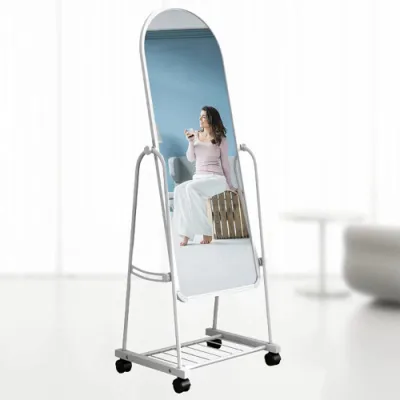
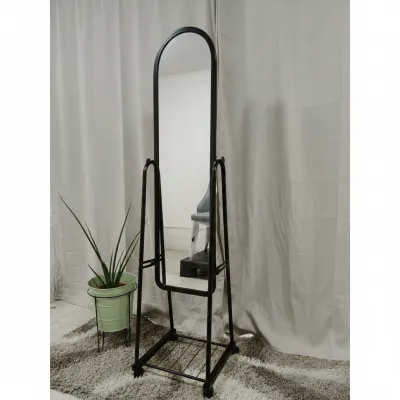




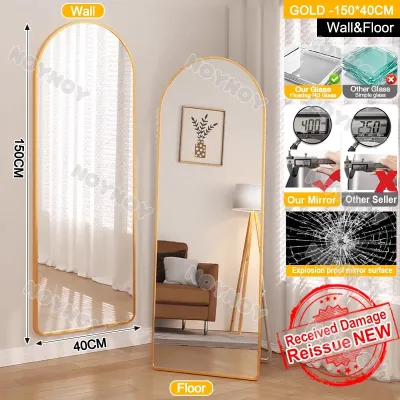
Prices are valid at publication and may change. Please refer to the product page for the latest price.
In tropical climates like the Philippines, high humidity can affect both wooden frames and metal casters over time, so checking for rust or warping is a crucial first step. Inspect the physical environment where you plan to move the stand. Check the floor surface for any unevenness, slopes, or transitions between different flooring materials like tile and wood. Ensure that the wheel locking mechanisms on your mirror stand are fully functional and free of dust or debris before attempting to move the unit, preventing sudden slips or instability during the setup process.
Strategic Placement Techniques to Maximize Spatial Illusion
To create a convincing illusion of a larger room, position your mirror stand with wheels opposite or adjacent to a primary window. This placement allows the glass to capture natural light and outdoor views, effectively acting as a second window that brings the outdoors inside. The reflected daylight bounces deep into the room, softening shadows and making the entire space feel significantly brighter and more open.

This is especially effective in tropical homes, where bright afternoon sunlight can be intense. Positioning the mirror to catch indirect light rather than direct glare keeps the room cool and comfortable. The bounced light illuminates dark corners without transferring the heat of direct solar exposure.
Another highly effective strategy is placing the mirror stand at the end of a narrow hallway or in a dead corner. In tight spaces, the eye naturally stops at the physical boundary of a wall, which reinforces the feeling of confinement. By placing a mobile mirror at these terminal points, you extend the sightline into an apparent continuation of the room, breaking up the boxy, enclosed feeling of short corridors.
When positioning the mirror near major furniture pieces, such as sofas, beds, or dining tables, try angling the stand slightly. Reflecting the outer edges or the side profiles of these large items helps expand the visual boundaries of the room. Avoid placing the mirror directly parallel to the front of bulky furniture, as this can create a crowded, double-image effect that makes the layout feel cramped rather than spacious.
Be mindful of what the mirror reflects from different seating positions in the room. Avoid angling the glass toward cluttered storage areas, trash bins, or high-traffic pathways where constant movement can become a visual distraction. Additionally, test the placement to ensure the mirror does not catch the direct glare of the afternoon sun, which can cause uncomfortable hot spots and diminish the overall sense of airy comfort.
Adjusting the Tilt and Position for the Best Reflection
Fine-tuning the tilt of your mirror stand with wheels is crucial for optimizing the spatial illusion. Many mobile stands feature adjustable frames that allow you to tilt the glass backward or forward. Leaning the mirror slightly backward directs the reflection upward, capturing more of the ceiling and upper walls. This technique is particularly effective in rooms with low ceilings, as it draws the eye upward and creates a sense of increased vertical height.
If you prefer a true-to-life, realistic reflection for dressing or daily use, keep the mirror in a strictly vertical stance. A vertical position provides an accurate representation of the room’s depth without distorting the proportions of your furniture or walls. Experiment with both angles to see which configuration makes your specific room feel more balanced and expansive.
Managing the sightline height is another important factor when adjusting your mirror. Ensure that the reflection at eye level captures aesthetically pleasing elements, such as framed artwork, clean walls, or indoor plants, rather than the floor or low-lying storage bins. By curating what is visible in the reflection at normal standing and sitting heights, you maintain a clean, uncluttered visual field that enhances the room’s openness.
The greatest advantage of a mirror stand with wheels is its mobility, which allows you to conduct time-of-day testing. Roll the stand to different spots in the morning, afternoon, and evening to observe how the changing light interacts with the mirror’s surface. A position that looks beautiful in the soft morning light might create a harsh glare during the midday sun, so use the wheels to find a versatile sweet spot or adjust the position as the day progresses.
Safety and Stability Checks for Wheeled Stands
While the mobility of a mirror stand with wheels offers incredible design flexibility, safety must remain a top priority. Once you have determined the ideal position for your mirror, always engage the wheel locks or brakes on all casters. Securing the brakes prevents the stand from shifting, sliding, or rolling unexpectedly due to minor vibrations, drafts, or accidental bumps.
Different floor types require specific considerations when rolling and securing your mirror stand. On smooth surfaces like hardwood, polished concrete, or ceramic tiles, the stand can roll very easily, making reliable wheel locks essential. If your floor is slightly uneven or if the built-in locks do not grip the smooth surface firmly, place non-slip rubber pads or a small, low-pile rug under the wheels to add traction and stability. On carpeted floors, ensure the wheels do not sink unevenly, which could cause the frame to tilt precariously.
Avoid placing the mobile mirror stand in high-traffic zones, narrow walkways, or directly behind doors where it could be struck by swinging doors or passing household members. Accidental collisions can easily shatter the glass or tip the entire frame over, posing a serious safety hazard. Keep the stand positioned in corners or alcoves where it can perform its spatial magic without obstructing the natural flow of movement.
Regularly inspect the structural integrity of your mirror stand to ensure long-term safety. Verify that the mirror glass is firmly attached to the supporting frame and that all screws, brackets, and pivot joints are tight. Check that the base of the stand is sufficiently weighted and stable; a top-heavy mirror is highly susceptible to toppling, especially in homes with active pets or young children.
Styling the Area Around Your Mirror Stand
To further enhance the space-expanding effect of your mirror stand with wheels, thoughtfully style the area immediately surrounding it. Placing low-profile indoor plants, such as a slender snake plant or a small potted fern, near the base of the stand adds depth and layers to the reflection. The greenery reflected in the glass creates a lush, natural vibe that makes the room feel more vibrant and alive without blocking the main reflective surface.
Integrating a floor lamp or a small table lamp near the mirror can also amplify the spatial illusion, especially in the evening. Position the light source so that its soft glow is reflected in the mirror, doubling the perceived light output and creating a warm, inviting ambiance. Ensure the bulb itself is shielded or shaded to prevent direct, harsh glare from bouncing off the glass and causing visual discomfort.
If you place a floor lamp nearby, verify its voltage, base interface, wattage limits, and electrical certification to ensure safe operation in your specific installation environment. Keeping electrical cords neatly tucked away also prevents tripping hazards around the mobile stand.
Maintaining a clean, spotless glass surface is essential for keeping your room looking bright and airy. Dust, smudges, and fingerprints scatter light and draw attention to the physical surface of the mirror, breaking the illusion of depth. Clean the glass regularly with a soft microfiber cloth and a mild glass cleaner to ensure a crystal-clear reflection that seamlessly blends into the surrounding space.
Finally, coordinate the style and color of the mirror’s frame with your existing room decor. A frame that matches the tone of your walls or furniture helps the mirror stand blend harmoniously into the environment. Avoid overly heavy, dark, or excessively ornate frames in very small rooms, as these can act as strong visual boundaries that compress the perceived space rather than expanding it.
Frequently Asked Questions (FAQ)
Can a mirror stand with wheels be used effectively in a small bedroom?
Yes, a mirror stand with wheels is highly effective in a small bedroom because of its versatility and mobility. In compact sleeping areas, space is often limited, and placing a large mirror permanently can make the room feel restricted. A wheeled stand allows you to tuck the mirror into an unused corner or beside a wardrobe when not in use, and then roll it out to bounce light or assist with dressing. To maintain a restful environment, position the stand so that the bed is not directly reflected, which helps reduce visual distractions and aligns with common design preferences for peaceful sleeping spaces.
How do I prevent the mirror from rolling on uneven floors?
To prevent a wheeled mirror stand from rolling on uneven floors, start by engaging the built-in wheel locks on all casters. If the floor slope is significant or the locks are insufficient, place a heavy-duty non-slip mat, rubber caster cups, or a dense, low-pile area rug directly under the base to absorb vibrations and prevent sliding. Regularly check that the frame remains perfectly vertical and does not lean dangerously due to the floor’s incline. If the floor is extremely uneven and poses a constant tipping risk, stop using the wheels entirely and consult the manufacturer’s instructions or a qualified professional to replace the casters with adjustable, stationary leveling feet.

Community discussion
Share your experience or ask a question. Comments are reviewed before publication.