
Positioning a whole body wall mirror to maximize room depth requires a strategic understanding of light, angles, and sightlines. When placed correctly, a large mirror does not simply reflect an image; it acts as a visual extension of the room, tricking the brain into perceiving double the actual square footage. To achieve this illusion of spaciousness, the mirror must be positioned to capture natural light, reflect uncluttered areas, and align harmoniously with the architectural flow of your home.
In compact living environments, such as urban apartments or townhouses where floor space is at a premium, wall-mounted mirrors are invaluable tools for interior design. By lifting the mirror off the floor and securing it to the wall, you preserve precious walking paths while opening up the vertical plane. However, simply hanging a mirror on any vacant wall is rarely enough to transform a cramped room. You must carefully evaluate your specific environment to determine the optimal placement.
Assess Your Room's Light and Focal Points
Before drilling any holes or purchasing mounting hardware, spend a day observing how light moves through your room. Natural light is the most effective tool for expanding a confined space, but its intensity changes from morning to afternoon. In tropical climates, direct sunlight can be incredibly harsh, meaning you must find a balance between capturing brightness and avoiding uncomfortable glare.
Products mentioned in this guide
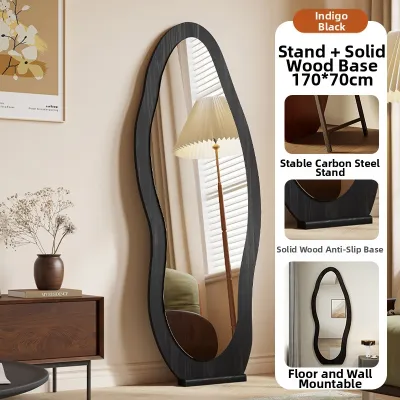
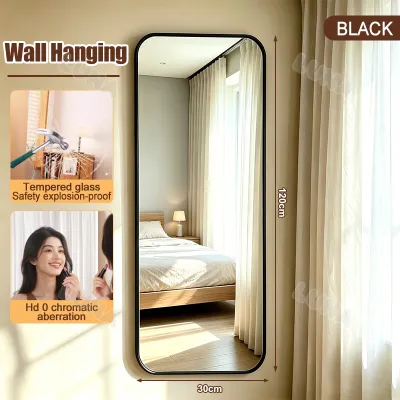
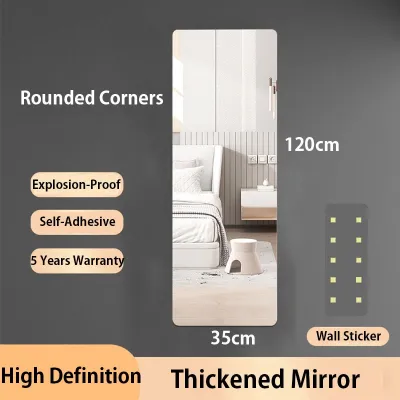
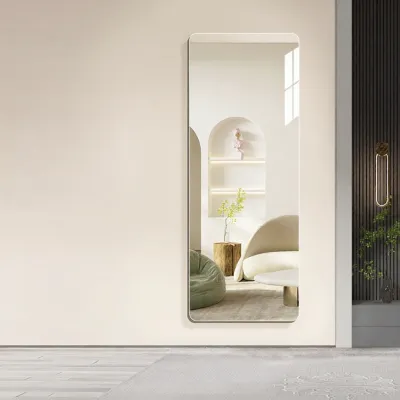
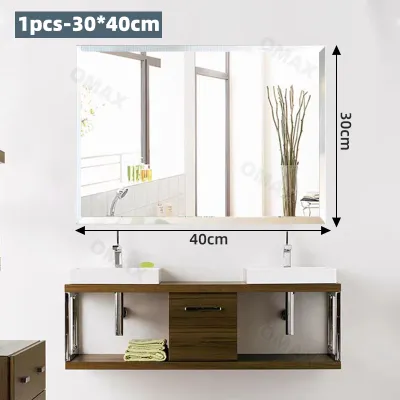
Prices are valid at publication and may change. Please refer to the product page for the latest price.
Identify where the sun enters the room and how far it penetrates the space. A whole body wall mirror should ideally be placed where it can catch this incoming light and bounce it into the darker, recessed corners of the room. This distribution of light eliminates shadows that visually shrink a room, making the entire area feel more open and inviting.
Equally important is identifying what the mirror will reflect. A mirror essentially duplicates whatever is in its line of sight. If you position it directly opposite a cluttered shelf, an open laundry area, or a busy workspace, you will double the visual noise, making the room feel twice as chaotic rather than twice as large. Instead, aim the mirror toward an attractive focal point, such as a well-styled dining area, a clean accent wall, or a cluster of indoor plants that thrive in natural light.
Finally, consider the room’s primary traffic flow. Avoid placing a large mirror in a spot where residents or guests will constantly block the reflection as they walk by. Visual bottlenecks occur when a mirror is placed too close to a high-traffic doorway or a narrow transition zone, causing people to feel startled by their own sudden reflection. The goal is to create a sense of continuous, unobstructed space.
Strategic Placement for Maximum Depth
To create the strongest illusion of extended space, you must be deliberate about which wall hosts your whole body wall mirror. One of the most reliable techniques is to place the mirror perpendicular or directly opposite to your primary window. This placement mimics the appearance of an additional window, effectively breaking up solid wall boundaries and making the room feel as though it opens up to the outdoors.

In long, narrow spaces like entryways or hallways, a mirror can perform visual magic. Placing a full-length mirror at the very end of a narrow corridor creates an extended corridor effect, making the passage appear to continue indefinitely. If the end of the hallway is not an option, hanging the mirror on a side wall behind a slim console table can widen the narrow path, preventing that claustrophobic, tunnel-like sensation when entering the home.
For small living rooms or bedrooms, positioning the mirror behind low-profile furniture is an excellent space-saving strategy. Placing a large, horizontal or vertical mirror behind a low-backed sofa, a headboard, or a pair of low armchairs allows the wall to visually recede. Because the furniture partially overlaps the mirror, it creates a layered, multi-dimensional look that suggests there is more room hidden just beyond the seating area.
If you are dealing with an L-shaped room or an awkward alcove, a strategically placed mirror can bridge the gap between different zones. Hanging a mirror on the dividing wall of an open-plan layout helps reflect the adjacent zone, visually unifying the two spaces and making the entire floor plan feel cohesive and expansive.
Angling and Height Adjustments
Once you have selected the ideal wall, you must fine-tune the mirror’s height and tilt. A common mistake is hanging a whole body wall mirror too low or too high, which disrupts the visual continuity of the room. To ensure a comfortable user experience, the top edge of the mirror should be positioned high enough so that the tallest person in your household can view their entire figure, including several inches above their head, without needing to duck.
As a general rule of thumb, the center of a wall-mounted mirror should sit approximately 150 to 160 centimeters from the floor, which aligns closely with average eye level. However, because a whole body mirror is designed for full-length viewing, you may need to adjust this baseline. Ensure the bottom of the mirror sits no higher than 30 to 40 centimeters from the floor so that your feet are visible in the reflection when standing at a natural viewing distance.
Introducing a very slight forward tilt can dramatically enhance the airy feel of a room. By tilting the top of the mirror slightly away from the wall—using specialized tilting brackets or small spacers behind the top mounting points—you direct the reflection upward. This technique allows the mirror to capture more of the ceiling and ambient overhead light, which is particularly effective in rooms with low ceilings, as it creates the illusion of greater vertical height.
To maintain visual harmony, align the edges of your mirror with existing architectural lines. For example, aligning the top frame of the mirror with the top of a nearby door frame or window casing creates a clean, intentional look. If the mirror is placed near a major piece of furniture, centering it precisely over the furniture piece helps anchor the design and prevents the room from looking disorganized.
Common Placement Mistakes to Avoid
While mirrors are excellent design tools, improper placement can easily backfire. One of the most frequent errors is reflecting messy or unorganized areas. An open wardrobe, a utility closet, or a corner dedicated to storage should never be the primary reflection of a large mirror. Doubling the sight of clutter instantly makes a room feel cramped, busy, and visually overwhelming.
Another critical mistake is creating direct glare. In tropical regions where the afternoon sun can be intense, placing a mirror directly opposite a west-facing window can turn the mirror into a blinding reflector. This bounce-back of harsh, direct sunlight can make sitting on your sofa or working at your desk incredibly uncomfortable. Always test the reflection at different times of the day to ensure the mirror diffuses light rather than concentrating it into a blinding beam.
Avoid placing a large mirror where it primarily reflects the back of a user’s head while they are sitting or working. For instance, hanging a mirror directly behind a home office desk or a dining chair can create an unsettling feeling of being watched. It also limits the spatial benefit of the mirror, as the reflection is constantly blocked by the back of a chair or a person’s body, rendering the illusion of depth ineffective.
Finally, be cautious of “mirror confrontation,” which occurs when two large mirrors are placed directly opposite each other on parallel walls. While this might seem like a way to create infinite space, it actually produces a disorienting, funhouse-style infinite tunnel effect. This can make a room feel unstable and visually chaotic rather than calm and spacious. Keep mirrors offset if you plan to use more than one in the same room.
Safe Installation and Mounting Guidelines
Because a whole body wall mirror is a heavy, substantial item, safe installation must be your top priority. A falling mirror poses a severe safety hazard and can cause significant property damage. Before beginning the installation, check the total weight of the mirror and refer to the manufacturer’s instructions to identify the correct mounting hardware required for your specific wall type.
In many homes, walls are constructed from concrete, hollow blocks, or plasterboard. Standard plastic drywall plugs are entirely unsuitable for securing a heavy mirror onto concrete or masonry walls. For concrete walls, you will need a masonry drill bit and heavy-duty expansion shields or concrete screws. Investing ₱200 to ₱500 in high-quality, heavy-duty wall anchors and robust mounting brackets is a small price to pay for long-term peace of mind.
If you are mounting the mirror on a drywall partition, you must locate the wooden or metal studs behind the wall using a reliable stud finder. Whenever possible, screw the mounting brackets directly into these studs. If the studs do not align with your desired mirror position, you must use specialized heavy-duty toggle bolts or hollow-wall anchors rated for at least double the weight of your mirror. Always use a spirit level to ensure the mirror hangs perfectly straight, as even a minor tilt to one side can distort the reflection and ruin the illusion of space.
High humidity levels, common in tropical climates, can affect both the wall structure and the mirror itself. Ensure your mounting hardware is rust-resistant, and leave a tiny gap (a few millimeters) between the back of the mirror and the wall to allow for air circulation. This prevents moisture from becoming trapped, which can damage the wall paint and cause the silver backing of the mirror to degrade over time.
If you are dealing with an exceptionally heavy framed mirror, if your wall material is brittle or unclear, or if you do not have the proper tools for working at height, stop and consult a qualified professional installer. Professional installation ensures that the mirror is anchored securely, protecting your household and preserving the beautiful, spacious atmosphere you have worked to create.
Frequently Asked Questions (FAQ)
Does a frameless mirror make a room look bigger than a framed one?
Yes, a frameless mirror is generally more effective at making a small room look larger because its edges blend seamlessly into the surrounding wall. Without a distinct border, the transition between the real room and the reflected space is uninterrupted, which enhances the illusion of continuous depth.
Framed mirrors, on the other hand, act as distinct decorative art pieces. While a frame can add style and character to your decor, a thick, dark, or ornate frame creates a hard visual boundary. This boundary grounds the mirror and reminds the eye where the wall ends, which can slightly reduce the spatial illusion. If you prefer a framed look, opt for a thin, light-colored, or metallic frame that complements your wall color to minimize this boxing-in effect.
Can I lean a whole body mirror against the wall instead of mounting it?
Leaning a whole body mirror against a wall is a popular design choice that offers a relaxed, contemporary aesthetic. This approach can still enhance room depth, as the natural backward tilt of a leaning mirror reflects more of the ceiling and upper walls, making the room feel taller and brighter.
However, leaning a mirror does consume physical floor space, which may not be ideal for extremely tight rooms or narrow walkways. Safety is also a major concern. In households with children, pets, or high foot traffic, a leaning mirror can easily be bumped or tipped over. If you choose to lean a large mirror, you must secure it using heavy-duty anti-tip safety straps anchored firmly into the wall behind the mirror to prevent accidental falls.

Community discussion
Share your experience or ask a question. Comments are reviewed before publication.