
Positioning an aesthetic wall mirror to make a small living room look bigger relies on strategic placement that captures natural light, creates visual depth behind key furniture, and establishes clean sightlines. By placing a mirror opposite a window or behind a sofa, you trick the eye into perceiving a room that is twice its actual size. In compact living spaces, such as townhouses or high-rise condominiums, maximizing every square meter is essential for creating a comfortable and inviting home environment.
An empty wall is more than just unused space; it is an opportunity to alter the visual boundaries of your home. Incorporating an aesthetic mirror for wall living room decor is one of the most effective, non-structural ways to open up a cramped layout. Rather than relying on major renovations, you can use reflective surfaces to manipulate light and shadow, making low ceilings feel higher and narrow walls feel wider.
To achieve this spatial transformation, you must look beyond simple aesthetics. Successful mirror placement requires a thoughtful analysis of your room’s layout, the behavior of natural tropical sunlight throughout the day, and the structural integrity of your walls. By understanding how light bounces and how sightlines function, you can turn a simple decorative piece into a powerful design tool.
Products mentioned in this guide
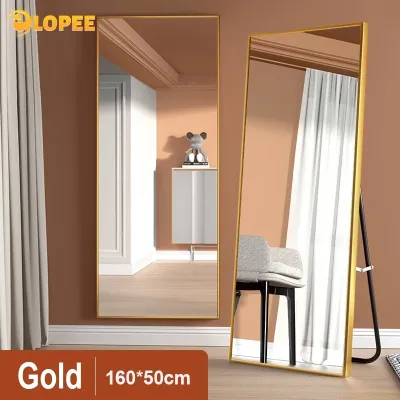
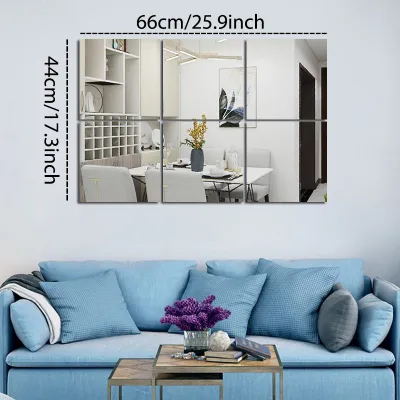
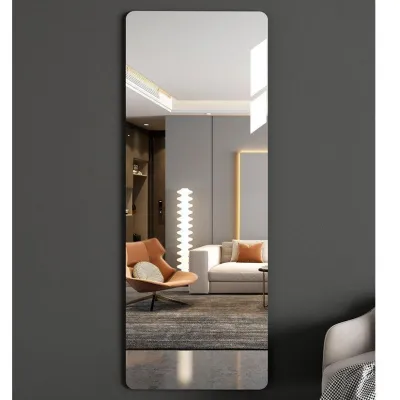
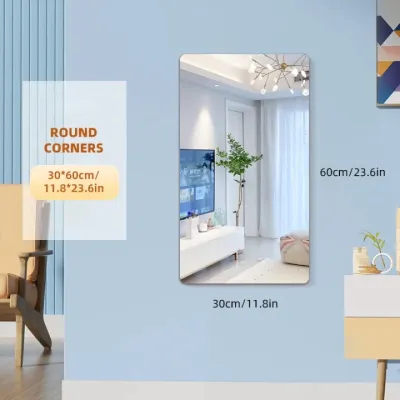
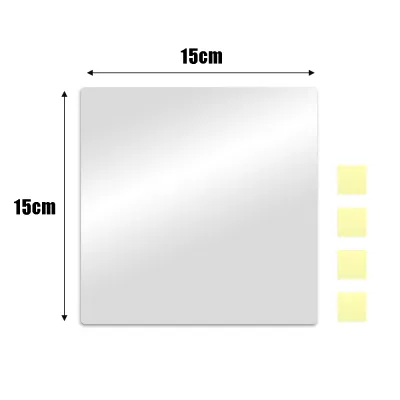
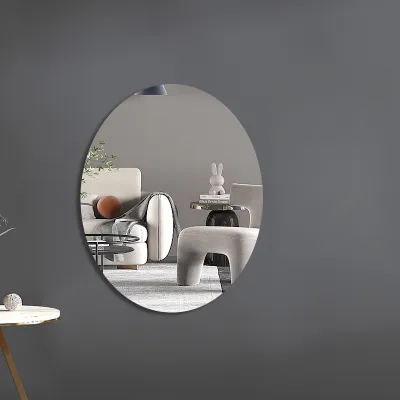
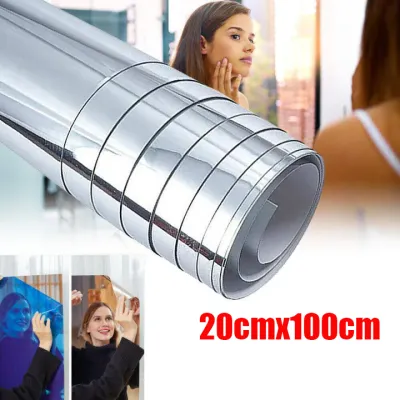
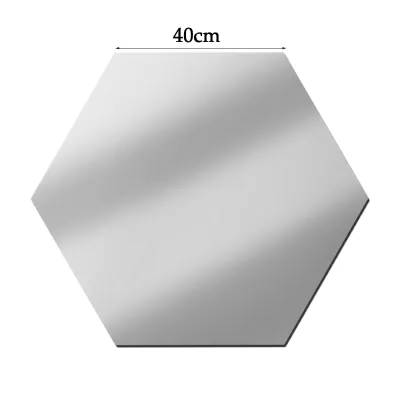
Prices are valid at publication and may change. Please refer to the product page for the latest price.
Assess Your Living Room Layout and Light Sources
Before purchasing or mounting any decorative pieces, take time to evaluate your living room’s existing layout and furniture arrangement. Walk around the room to identify the primary focal points and note the specific areas that feel particularly cramped or dark. In many open-plan homes, the living area transitions directly into a dining space or kitchen, meaning a mirror placed on one wall will reflect activities in another.
Track how natural light moves through your living room during the day. In tropical climates, the angle and intensity of sunlight change dramatically between the morning and afternoon. East-facing windows bring in bright, direct morning light, while west-facing windows can create intense heat and glare in the late afternoon. Note where the sunlight hits your walls and how far it penetrates into the room, as this will dictate where a mirror can most effectively capture and distribute light without causing uncomfortable glare.
Additionally, map out the locations of your artificial light fixtures. Note the positions of ceiling fans with integrated light kits, track lighting, wall sconces, and floor lamps. A mirror placed to reflect these light sources can double the ambient illumination at night, making the room feel airy and spacious even after the sun goes down. Understanding these light patterns ensures that your mirror placement enhances the room’s atmosphere at all hours.
Select the Right Aesthetic Mirror for Your Wall
Choosing the right aesthetic mirror for wall living room decor requires a careful balance of scale, frame material, and structural compatibility. A mirror that is too small will look lost on a large wall, failing to make a significant spatial impact. Conversely, a mirror that is too large can overwhelm a compact room, making the furniture around it look disproportionately small.

When matching mirror dimensions to your wall, use adjacent furniture as a guide. If you plan to hang a mirror above a console table or a sofa, the mirror’s width should ideally be about two-thirds to three-quarters the width of the furniture piece beneath it. This proportion creates a sense of balance and visual stability, anchoring the seating area without making the wall look top-heavy.
Frame materials must also be selected with your local environment in mind. In humid tropical regions, moisture levels can affect the longevity of your decor. Solid wood frames are beautiful but must be properly sealed to prevent warping or cracking over time. Untreated metal frames, particularly those made of iron, are susceptible to rust in humid conditions. For long-term durability, consider lightweight aluminum, treated engineered wood, or moisture-resistant synthetic frames that mimic natural textures.
Finally, verify the mirror’s weight and backing material before making a purchase. Heavy mirrors often feature thick medium-density fiberboard (MDF) backings, which add substantial weight. You must ensure that your wall type can safely support this load. Concrete and masonry walls, which are standard in many homes, offer excellent support but require specific drilling tools, while drywall partitions require specialized hollow-wall anchors to prevent structural damage.
Strategic Placement Techniques to Expand the Space
Mirrors expand a room by creating optical illusions that trick the brain into perceiving depth where a solid wall exists. When you look at a mirror, your eyes do not stop at the glass surface; instead, they focus on the reflected space beyond it. This visual extension effectively doubles the perceived length or width of the room, making tight quarters feel significantly more open.
By strategically positioning your mirror, you can manipulate these sightlines to highlight the best features of your living room. Whether you want to draw attention to a beautiful outdoor view, brighten a dark corner, or make a low ceiling feel loftier, understanding the mechanics of reflection is key to achieving your design goals.
Reflect Natural Light and Windows
To maximize the brightness of your living room, position your mirror opposite or adjacent to your largest window. This placement catches incoming sunlight and bounces it deep into the room, instantly dissolving dark, heavy corners. By reflecting the outdoors, the mirror acts as an additional window, bringing a sense of nature and openness inside.
However, you must be mindful of what the mirror actually reflects. If your window looks out onto a lush garden, a balcony with potted plants, or a clear sky, the mirror will bring those refreshing views into your living space. On the other hand, if the window faces a cluttered utility area, a busy street, or a blank concrete wall, the mirror will simply duplicate that visual clutter, making the room feel more chaotic.
You can adjust the height and tilt of the mirror to control how light bounces. While flat-mounted mirrors are standard, a very slight downward tilt can sometimes capture more light from high windows while preventing direct, eye-level glare when you are seated on the sofa. Experiment with temporary placements before finalizing the mounting height.
Create Depth Behind Furniture
Placing a large mirror behind key furniture pieces is an excellent way to push the visual boundaries of your living room outward. Hanging a mirror above a sofa or a low console table creates a focal point that draws the eye upward, making the entire seating area feel more spacious and defined.
When hanging a mirror above a sofa, ensure the bottom edge of the frame sits approximately 15 to 20 centimeters above the top of the backrest. This spacing prevents guests from accidentally bumping their heads against the mirror when leaning back. It also ensures that the mirror remains visually connected to the furniture piece below it, rather than floating awkwardly on the wall.
Additionally, leave adequate breathing room between the top of the mirror and the ceiling. A gap of at least 30 centimeters helps maintain balanced proportions, preventing the wall from looking cramped. If your living room has low ceilings, opting for a vertically oriented rectangular or oval mirror can draw the eye upward, creating the illusion of height.
Use Grid or Gallery Arrangements
If a single massive mirror is too heavy, expensive, or difficult to install on your walls, a grid or gallery arrangement of smaller mirrors offers a highly effective and stylish alternative. This approach breaks up large, blank walls and distributes reflections across a wider area, creating a dynamic visual texture.
You can plan a symmetrical grid, such as a two-by-two or three-by-three layout of square mirrors, to achieve a clean, modern aesthetic. Alternatively, an organic gallery layout featuring mirrors of varying shapes and sizes can add an eclectic, artistic touch to your living room. The key to a successful arrangement is maintaining consistent spacing of about 5 to 10 centimeters between individual frames.
If you choose to mix different mirror shapes, ensure they share a unifying design element to prevent the wall from looking cluttered. This could be a matching frame material, a consistent color palette, or a similar thin profile. A cohesive design language ensures that the collection of mirrors feels like a single, intentional installation rather than a random assortment of pieces.
Installation Safety and Hanging Guidelines
Proper installation is critical to ensure your mirror remains securely mounted, protecting both your walls and your household. Because mirrors are heavy and fragile, mounting them requires careful planning and the right tools.
First, identify your wall structure. Most residential walls are constructed from concrete or concrete hollow blocks (CHB). Mounting a mirror on these walls requires a masonry drill bit, plastic wall plugs, and sturdy screws. If you are mounting on drywall or gypsum board partitions, you must use specialized toggle bolts or heavy-duty drywall anchors, and whenever possible, secure the mounting brackets directly into the wooden or metal studs behind the wallboard.
Use a high-quality level and a measuring tape to mark your hanging points precisely. Double-check your measurements before drilling any holes. If your mirror uses a wire hanging system, ensure that both the wire and the D-rings attached to the frame are rated to support the mirror’s specific weight. Avoid using adhesive strips or temporary hooks for large or heavy mirrors, as humidity can weaken the adhesive over time, leading to falls.
For exceptionally heavy, oversized, or floor-to-ceiling mirrors, do not attempt a DIY installation. Working at heights or handling large glass panels poses significant safety risks. Stop and consult a qualified professional or a professional handyman service to ensure the mirror is safely anchored. Always isolate power lines if drilling near light switches or electrical outlets to avoid accidental shocks.
Common Placement Mistakes to Avoid
While mirrors are excellent design tools, improper placement can easily disrupt the flow and comfort of your living room. One of the most common mistakes is placing a mirror where it directly reflects high-traffic pathways, trash bins, or cluttered shelving units. Doubling the view of clutter makes a small room feel twice as messy and cramped.
Another frequent error is hanging mirrors too high. A mirror should be positioned at eye level—roughly 150 centimeters from the floor to the center of the glass—to keep it connected to the room’s human scale. Hanging a mirror too close to the ceiling disconnects it from the furniture and forces guests to look upward to see their reflection, which can feel uncomfortable and unnatural.
Finally, avoid overusing mirrors in a single room. While it might seem logical that more mirrors equal more space, covering every wall with reflective surfaces can create a disorienting “funhouse” effect. This constant reflection can make it difficult for guests to find a visual resting point, leading to a feeling of restlessness. Use mirrors strategically as accent pieces rather than covering entire walls indiscriminately.
Frequently Asked Questions (FAQ)
Can I place a mirror on a wall with no windows?
Yes, you can successfully use mirrors in windowless areas or rooms with minimal natural light. Instead of reflecting sunlight, position the mirror to capture and amplify artificial light from floor lamps, table lamps, or wall sconces. Placing a mirror behind or adjacent to a warm light source softens the illumination and spreads it across the room. Additionally, you can angle the mirror to reflect an open doorway or an attractive piece of wall art, which still creates the desired illusion of depth and transition.
How do I clean a large wall mirror without leaving streaks?
To keep your mirror perfectly clear and reflective, use a soft, lint-free microfiber cloth and a gentle, non-abrasive glass cleaner. Avoid using harsh chemical solvents or abrasive pads that can scratch the glass or damage the reflective backing. Always spray the cleaner directly onto the microfiber cloth rather than spraying it onto the mirror itself. This prevents liquid from running down the glass and seeping behind the frame, which can cause the silver backing to degrade or peel over time, especially in humid tropical climates.
Community discussion
Share your experience or ask a question. Comments are reviewed before publication.