
Positioning an arch mirror full body is one of the most effective ways to visually expand a compact living space. By introducing a curved, reflective surface to a small room, you can manipulate light, alter sightlines, and create the illusion of extended square footage. The key to unlocking this spatial trick lies in strategically placing and angling the glass to maximize its reflective potential. When positioned correctly, a full-body arched mirror does more than show your reflection; it acts as an artificial window, drawing the eye upward and outward to make even the tightest studio apartment or bedroom feel remarkably open.
Why an Arch Mirror Full Body Silhouette Enhances Small Rooms
An arch mirror full body offers unique optical advantages that standard rectangular or circular mirrors cannot replicate. First, the sheer scale of a full-body mirror allows it to capture and bounce a massive volume of ambient light. By reflecting a large portion of the floor, walls, and ceiling, it effectively doubles the perceived depth of a compact room, tricking the brain into registering the reflection as a continuation of the physical space. This visual extension is particularly powerful in narrow rooms where solid walls can otherwise feel constricting.
The magic of the arched top lies in its ability to influence vertical perception. In interior design, sharp vertical lines can sometimes feel abrupt, while horizontal lines can make a low ceiling feel even lower. The gentle curve of an arch draws the eye upward along its rounded peak, directing attention toward the ceiling. This upward visual journey creates an illusion of higher clearances, which is highly beneficial in standard-height condominiums or older apartments where low ceilings are common.
Products mentioned in this guide
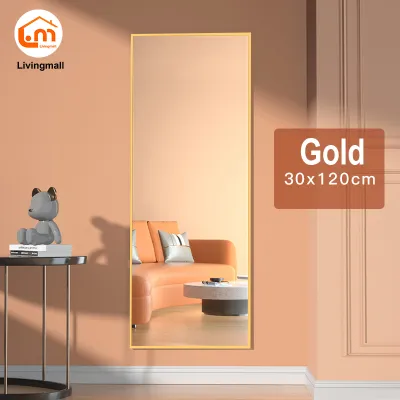
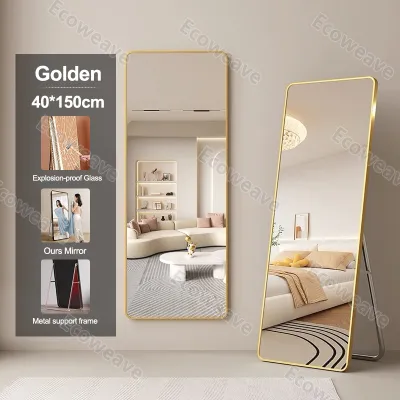
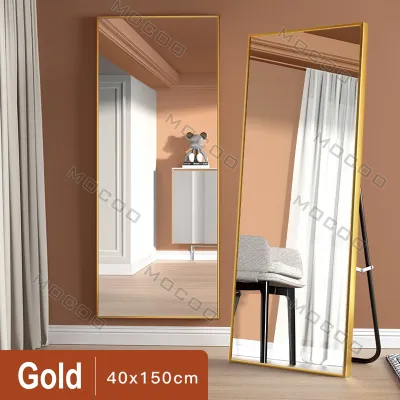

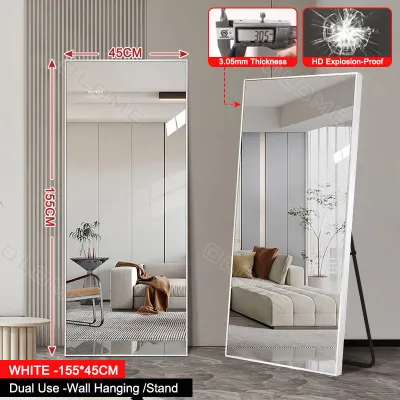
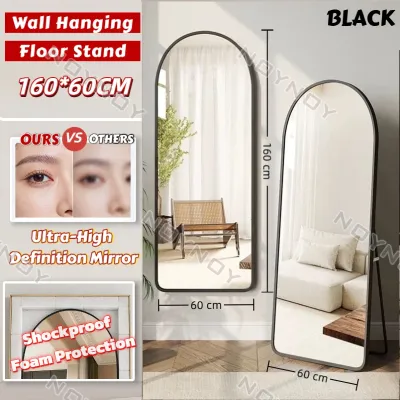
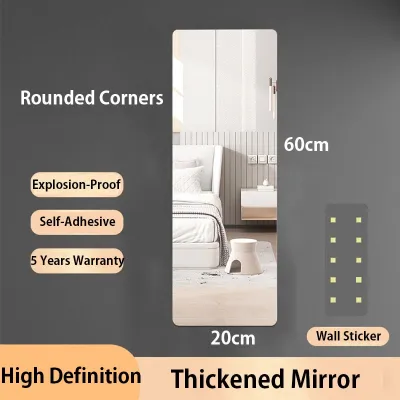
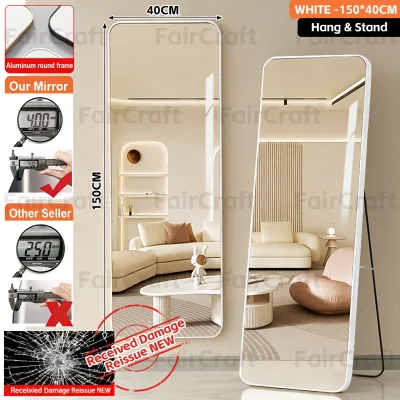
Prices are valid at publication and may change. Please refer to the product page for the latest price.
Additionally, most urban rooms are dominated by rigid, boxy dimensions—rectangular beds, square desks, and straight-edged wardrobes. Introducing an arched silhouette breaks up this geometric monotony. The soft, organic curve of the arch acts as a visual relief, softening the hard corners of the room and making the overall layout feel more relaxed and spacious. It is a subtle design shift that transforms a functional household object into an architectural feature.
Strategic Placements to Maximize Light and Depth
To unlock the full potential of your arch mirror full body, you must consider how light and sightlines interact within your specific room layout. Random placement can result in missed opportunities or, worse, a cluttered aesthetic. By placing the mirror in key strategic areas, you can dramatically shift the room’s energy and perceived boundaries.

Opposite a Window
Placing your full-body arch mirror directly opposite or slightly angled toward a window is the ultimate way to amplify natural light. In tropical climates like the Philippines, where bright daylight is abundant, this placement catches the sun’s rays and bounces them deep into the darker corners of the room. Beyond light distribution, this setup reflects the outdoor scenery—whether it is a lush garden, tropical trees, or a clear blue sky. By bringing the outdoors inside, the mirror visually erases the solid boundary wall, replacing it with a dynamic, living landscape that makes the room feel infinitely more expansive.
Adjacent to a Focal Point
If you do not have a direct view of a window, positioning the mirror adjacent to a well-lit or beautifully styled corner is an excellent alternative. For example, placing it next to an indoor plant stand, a curated bookshelf, or an elegant accent chair doubles the visual interest of these styled areas without adding any physical clutter. The key is to ensure the mirror reflects a clean, aesthetically pleasing zone. This dual-reflection trick gives the impression of a larger, more richly detailed room while keeping the actual floor space clear and walkable.
Behind a Door or in an Alcove
Dead space is a common challenge in compact rooms, but it presents a perfect opportunity for mirror placement. Positioning an arched full-body mirror in an alcove or on the wall behind a bedroom door creates an unexpected depth effect. When you enter the room or swing the door open, the mirror catches your eye, revealing a hidden pocket of reflected space. This sudden burst of depth prevents the room from feeling like a closed box and utilizes narrow wall segments that are otherwise difficult to decorate.
Narrow Hallways or Entryways
Short corridors and tight entryways often feel cramped and unwelcoming. Placing an arch mirror full body at the very end of a narrow hallway visually pushes the back wall away, creating the illusion of a continuous path. As you walk toward it, the arched frame acts like an elegant doorway leading into another room. If the hallway is too narrow for a straight-on placement, mounting the mirror on a side wall still helps widen the corridor by reflecting the opposite wall and dispersing light down the passage.
Leaning vs. Hanging: Adjusting Angles for Spatial Illusions
The physical installation method of your arch mirror full body dictates how light bounces and how the room’s proportions are perceived. Both leaning and hanging offer distinct visual effects and practical advantages, but they require careful execution to ensure safety and structural stability.
Leaning Against the Wall
Leaning a full-body mirror against the wall creates a casual, contemporary aesthetic while offering unique spatial benefits. Because a leaned mirror naturally tilts slightly upward, its angle reflects more of the ceiling and the upper portions of the walls. This upward tilt stretches the vertical field of view, making the room feel taller and more open. It also prevents the mirror from reflecting direct, eye-level clutter.
However, safety is paramount when choosing this method. Because of their height and weight, leaned full-body mirrors pose a significant tipping hazard, especially in households with pets, children, or high foot traffic. You must always secure a leaned mirror using heavy-duty anti-tip straps or wall anchors attached to the back of the frame. These safety measures keep the mirror stable at its optimal leaning angle without compromising its sleek appearance.
Hanging Flush
Hanging your arched mirror flush against the wall is the ideal choice if you need to maximize every square inch of floor space. A wall-mounted mirror provides a clean, built-in look that integrates seamlessly with your wall decor. By raising the mirror slightly off the floor, you can also align its arched top with other architectural elements, such as door frames or window headers, to create a sense of structural harmony.
Before hanging a heavy full-body mirror, you must verify the wall’s weight limits and construction. For drywall or plaster walls, locate the wooden or metal studs using a stud finder. Never rely on simple nails or standard plastic wall plugs for heavy mirrors; instead, use heavy-duty toggle bolts, strap toggles, or specialized picture-hanging brackets rated for the mirror’s specific weight. If you are mounting the mirror on a concrete or masonry wall—common in many Philippine homes—use a masonry drill bit and appropriate expansion anchors. If you are working at heights, handling a suspended load, or installing a backlit mirror that requires fixed electrical wiring, always isolate the power first and consult a qualified professional to handle the installation safely.
Layering for Depth
To create a sophisticated, multi-dimensional look, try placing your mirror slightly behind a low piece of furniture, such as a console table, a low dresser, or the side of a bed. This layering technique establishes a clear foreground, midground, and background. The physical furniture sits in the foreground, while the mirror reflects the room in the background, creating a rich sense of layered depth. This approach tricks the eye into believing there is more physical space behind the furniture than actually exists.
Placement Mistakes That Shrink Your Space
While a mirror can work wonders, incorrect placement can actually make a small room feel more cramped, chaotic, or uncomfortable. Avoiding these common pitfalls ensures your mirror enhances, rather than hinders, your living space.
Reflecting Clutter
A mirror duplicates whatever is in its field of view. If you position your arch mirror full body directly opposite an open wardrobe, a laundry basket, a cluttered desk, or a utility zone, you will visually double the clutter. This secondary reflection crowds the room visually, making it feel chaotic and smaller than it is. Always aim the mirror toward clean, minimalist, or well-organized areas of the room.
Direct Harsh Sunlight
In tropical climates like the Philippines, the afternoon sun can be intense. Placing a large mirror where it receives direct, unfiltered sunlight can create blinding, uncomfortable glares that make the room unusable during peak hours. Furthermore, prolonged exposure to intense heat and UV rays can degrade the mirror’s silver backing over time, leading to dark spots or clouding. Direct heat can also warp wooden frames or damage nearby furniture by concentrating reflected heat. To prevent this, place the mirror where it catches ambient, indirect light, or use sheer curtains to diffuse harsh midday sun.
Blocking Traffic Flow
In a small room, floor space is premium. If you choose to lean your full-body mirror, ensure its base does not protrude into main walkways or block cabinet doors and drawers. A mirror that constantly gets bumped or forces you to walk awkwardly around it becomes a daily frustration and a safety hazard. Ensure there is a clear path of at least 60 to 90 centimeters in front of and around the mirror to maintain smooth traffic flow.
How to Test and Finalize Your Mirror Placement
Before drilling holes or securing permanent anchors, it is essential to test your selected position under different conditions. Taking the time to evaluate the mirror’s impact ensures you achieve the perfect balance of light and depth.
The Doorway Test
The most reliable way to judge a mirror’s spatial impact is the doorway test. Stand at the main entrance of your room and look inside. Does the mirror immediately draw your eye and make the room feel open, or does it create a distracting, awkward reflection? A well-placed mirror should feel like a natural extension of the room from this primary vantage point, welcoming you in with reflected light and depth.
Day and Night Check
Observe how the mirror behaves at different times of the day. During the morning and afternoon, check if it successfully bounces natural light without creating harsh glares. In the evening, turn on your room’s artificial lights—such as ceiling fixtures, floor lamps, or bedside sconces. Ensure the mirror does not reflect bare, unshaded light bulbs, which can cause uncomfortable eye strain, or face a dark, unlit corner that creates a gloomy visual void.
Adjusting the Tilt
If you are leaning the mirror, experiment with the angle of the lean. A slightly steeper tilt will reflect more of the room’s mid-level features, while a shallower tilt will capture more of the ceiling. If your mirror has integrated lighting features, such as a backlit LED border, verify its voltage compatibility (typically 220V in the Philippines), electrical certification (such as the PS or ICC mark), and ensure the power cord is safely routed and hidden from view. Adjust the tilt and positioning until you achieve the most flattering, spacious reflection.
Frequently Asked Questions (FAQ)
Should I hang or lean a full-body mirror in a very small room?
Hanging a full-body mirror flush against the wall is generally best for extremely tight spaces because it preserves valuable floor area and eliminates tripping hazards. However, if you have a bit of floor space to spare, leaning the mirror offers a greater upward tilt that can make low ceilings feel higher. If you choose to lean it, you must use secure anti-tip wall straps to prevent accidental tipping. If you hang it, ensure you use heavy-duty wall anchors suitable for your wall type.
Can I place a large arch mirror in a room with no windows?
Yes, you can successfully use an arch mirror in a windowless room by pairing it with strategic artificial lighting. Instead of letting the mirror reflect a dark wall, position a warm floor lamp, a pair of wall sconces, or a soft LED light strip nearby. Angle the mirror to catch and diffuse this artificial glow. This setup prevents the mirror from looking like a dark void, creating a bright, welcoming ambiance that mimics the effect of a natural window.
Community discussion
Share your experience or ask a question. Comments are reviewed before publication.