
Understanding the Visual Impact of Mirror Wall Decor with Frame Elegant Accents
Integrating a mirror wall decor with frame elegant designs is one of the most effective ways to visually expand a compact living area. In small homes, such as urban condominiums or cozy townhouses, limited square footage can sometimes feel restrictive. A strategically placed mirror acts as a visual escape valve, tricking the brain into perceiving depth where a solid wall exists. By reflecting both natural and artificial light, a mirror doubles the brightness of a room, instantly making the atmosphere feel more open and airy.
The frame itself plays a dual role in this transformation. Rather than being a purely utilitarian object, a beautifully framed mirror serves as a major design element. It defines the mirror’s boundaries, turning a simple sheet of reflective glass into a sophisticated piece of wall art. This structural interest anchors the room’s design, drawing the eye and establishing a clear sense of purpose. Without a frame, a large mirror can sometimes look cold, clinical, or unfinished, whereas an elegant frame provides a polished transition between the reflective surface and your wall.
Before choosing where to mount your mirror, a few preparation steps are essential. Begin by assessing the natural light sources in your living room throughout the day, noting how the sun moves across the space. Identify the room’s existing architectural focal points, such as a prominent window, a media console, or an accent wall. Finally, review your current color palette and furniture arrangement. Understanding these elements ensures you select a placement spot that enhances your room’s strengths rather than highlighting its limitations.
Products mentioned in this guide
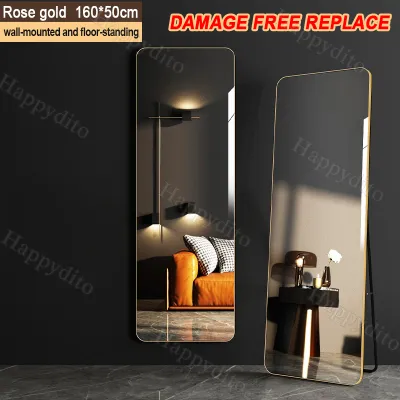
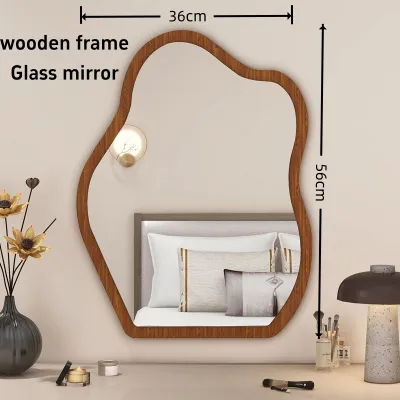
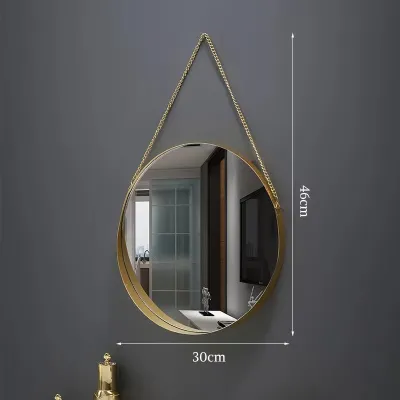
![FineMirrors [Buy 1 Take 1] Wall Mirror 12 x 16 Black](https://img.lazcdn.com/g/p/499c20604af1fa780f6ac7e77a777095.jpg_400x400q80.jpg_.webp)
![Fine Mirror [Buy 1 Take 1] Wall Mirror 12 x 24 Natural](https://img.lazcdn.com/g/p/e8c5fceb7805684d7bc10f1deadc618e.jpg_400x400q80.jpg_.webp)

Prices are valid at publication and may change. Please refer to the product page for the latest price.
Best Placement Strategies to Expand Your Living Room
The secret to maximizing a small living room lies in strategic reflection. Simply hanging a mirror on any empty wall is rarely enough to create a true sense of spaciousness. Instead, you must consider what the mirror will reflect and how that reflection interacts with the rest of the layout. By treating the mirror as a dynamic tool that captures and redistributes light, you can alter the perceived proportions of your living room, making narrow spaces feel wider and dark corners feel bright.

Opposite a Window or Light Source
Placing a framed mirror directly across from a window is one of the most powerful ways to brighten a compact room. When natural light streams into the room, the mirror catches it and bounces it deep into the interior, illuminating areas that would otherwise remain in shadow. This simple placement effectively doubles the daylight in your living space, reducing the need for artificial lighting during the daytime.
Beyond light distribution, this positioning brings a touch of nature indoors. In many homes, a window offers views of tropical greenery, local gardens, or the open sky. Reflecting these outdoor elements inside creates a seamless transition between your indoor living space and the outside world. This connection to the outdoors breaks down the physical boundaries of your walls, making the entire room feel significantly more expansive.
Behind Furniture to Create Depth
Hanging a large, elegantly framed mirror directly behind a primary piece of furniture, such as a sofa or a low console table, is an excellent way to anchor a seating area. When positioned behind a sofa, the mirror pushes the visual boundary of the wall backward. This creates a layered, three-dimensional effect that makes the physical floor space feel deeper than it actually is.
For this technique to work effectively, the mirror should be wide enough to match the scale of the furniture beneath it. A mirror that is too small can look disconnected and lost. When aligned properly, the frame frames the reflection of the opposite side of the room, creating a balanced, symmetrical view that lends an air of sophistication to your main seating arrangement.
Adjacent to a Focal Wall
If you want to make a narrow living room feel wider, try positioning your mirror on a wall that is perpendicular to your main focal point. In most modern living rooms, the main focal point is a media console, an entertainment center, or a stylized gallery wall. By placing the mirror adjacent to this area, you encourage the eye to travel horizontally across the space rather than focusing solely on one wall.
This lateral movement of the eye is crucial for creating the illusion of width. As visitors look at the main focal wall, their peripheral vision catches the reflection on the side wall, which visually extends the room’s boundaries. This setup prevents the narrow “tunnel” feeling that often plagues rectangular living spaces, distributing visual interest more evenly throughout the room.
Creating a "Fake Window" on a Blank Wall
For windowless walls or dark corners that feel particularly enclosed, a large, elegantly framed mirror can serve as a simulated architectural opening. Choosing a frame that features window-pane detailing or a classic arched top can mimic the appearance of an actual window, instantly adding architectural character to a plain wall.
To maintain this illusion after the sun sets, pair the mirror with nearby light fixtures. Installing wall sconces on either side of the frame or placing a stylish table lamp nearby ensures the mirror continues to bounce warm light into the room during the evening. When installing wall sconces or any fixed electrical wiring, always isolate the power supply at the circuit breaker beforehand, verify that the fixtures comply with local electrical certifications, and consult a qualified professional to ensure safe installation.
Determining the Ideal Height and Angle
Achieving the perfect visual expansion depends heavily on the height and angle at which your mirror is positioned. Even the most beautiful mirror can feel awkward or fail to brighten a room if it is hung too high or tilted incorrectly. Paying close attention to sightlines and the angles of reflection ensures that the mirror captures the most flattering parts of your living room.
Hanging at the Right Eye Level
As a general rule, wall-mounted mirrors should be centered around average eye level, which typically ranges from 57 to 65 inches from the floor to the center of the glass. This height ensures that the mirror is functional for daily use while capturing a natural, balanced view of the room’s interior. Hanging the mirror too high often results in it reflecting only the ceiling, which does little to enhance the feeling of depth.
However, you should adjust this height slightly if the mirror is positioned directly above a piece of furniture. For instance, when hanging a mirror above a console table or a sofa, aim for a gap of approximately 6 to 8 inches between the bottom of the frame and the top of the furniture. This close proximity creates a cohesive visual connection, preventing the mirror from looking like it is floating aimlessly on the wall.
Leaning vs. Wall-Mounting
Deciding whether to lean or mount your mirror depends on your lifestyle, safety considerations, and the layout of your space. Leaning a tall, oversized framed mirror against a wall offers a relaxed, contemporary aesthetic that is highly popular in modern interiors. This approach is excellent for renters who want to avoid drilling into walls, and it allows the mirror to capture reflections from a slightly upward angle, which can make ceilings feel higher.
In contrast, wall-mounting is generally the superior choice for very narrow, high-traffic areas where floor space is limited. Mounting the mirror flat against the wall keeps the floor clear and eliminates any risk of accidental bumps. When choosing between these methods, consider the physical dimensions of your room and ensure that any leaning mirror is placed in a low-traffic corner where it will not obstruct natural movement.
Common Placement Mistakes to Avoid
While a well-placed mirror can work wonders, improper positioning can easily have the opposite effect, making a compact room feel chaotic or uncomfortable. Avoiding common mistakes is key to ensuring your mirror enhances, rather than detracts from, your living room’s design.
- Reflecting Clutter: A mirror duplicates whatever is in its line of sight. If you position a mirror directly opposite an open storage shelf, a busy kitchen counter, or a high-traffic entryway drop zone, you will double the visual clutter in the room. Always check the reflection from multiple seating angles to ensure the mirror captures clean, organized, or visually pleasing areas.
- Glare and Direct Sunlight: Avoid hanging a mirror where it will catch intense, direct sunlight during peak hours. In tropical climates, harsh sunlight reflecting off a mirror can create blinding glare, uncomfortable hot spots, and even cause nearby upholstery or artwork to fade prematurely. Position the mirror at a slight angle or on a wall that receives indirect, diffused light instead.
- Proportion Mismatches: An oversized mirror with an excessively thick, heavy frame can easily overwhelm a small living room, making the space feel cramped rather than open. Conversely, a mirror that is too small will look lost and fail to make a spatial impact. Aim for a balanced scale where the mirror occupies roughly two-thirds to three-quarters of the width of the furniture below it.
- Ignoring the Frame Style: The frame's material, color, and finish should always harmonize with your existing decor. A highly ornate, heavy gold frame might clash in a minimalist, modern space, while a sleek, ultra-thin metal frame might look out of place in a rustic, traditional setting. Choose a frame style that complements your room's overall aesthetic to maintain a unified look.
Safe Installation and Care in Humid Climates
Installing and maintaining a large, heavy mirror requires careful attention to physical safety and material preservation, especially when dealing with the unique environmental conditions of tropical climates. Taking the time to secure your mirror properly ensures long-lasting beauty and peace of mind.
Checking Wall Integrity and Weight Limits
Before mounting a heavy framed mirror, it is crucial to verify that your wall can support the weight. In the Philippines, many residential walls are constructed from concrete, hollow blocks, or plaster, which require specific masonry drill bits and heavy-duty wall anchors rather than standard drywall screws. Always check the manufacturer’s weight specifications for both the mirror and the mounting hardware. For oversized, exceptionally heavy, or complex installations at height, always consult a qualified professional to ensure the structural load is safely supported.
Securing Leaning Mirrors
If you opt for the casual elegance of a leaning floor mirror, securing it against accidental tipping is non-negotiable. This is especially critical in households with active children or pets. Always use heavy-duty anti-tip straps, safety brackets, or wall cleats anchored directly into the wall structure behind the mirror. These safety devices remain hidden from view while preventing the mirror from sliding forward or tipping over if bumped.
Humidity and Frame Care
High humidity levels, particularly during the wet monsoon season, can take a toll on both the frame and the mirror glass itself. Moisture can penetrate the backing of the mirror, leading to desilvering—a process where the reflective silver backing lifts and creates dark, unsightly spots along the edges. To protect your investment, consider these essential care tips:
- Frame Material Selection: When choosing frames, synthetic resin or treated metals are highly resistant to moisture. If you prefer natural wood, ensure it has been properly sealed with a moisture-resistant varnish to prevent warping or cracking.
- Ventilation: Maintain good airflow in your living room by using ceiling fans, air conditioning, or open windows during dry days to prevent moisture from settling behind the mirror.
- Cleaning Practices: Never spray glass cleaner directly onto the mirror surface, as the liquid can run down and seep behind the frame, damaging the backing. Instead, spray a microfiber cloth lightly with water or a mild glass cleaner and gently wipe the surface dry.
Frequently Asked Questions (FAQ)
Can I use multiple small mirrors instead of one large framed mirror?
While a gallery wall composed of multiple small mirrors can add artistic interest and charm to your living room, it does not achieve the same space-expanding effect as a single large piece. Multiple small mirrors break up the reflection into fragments, which can make a small room feel busy and visually cluttered. A single, large, elegantly framed mirror provides a continuous, uninterrupted reflection that mimics a real window, creating a much more convincing illusion of extended depth and open space.
Does the frame color affect how big the room looks?
Yes, the color and finish of the frame can influence how the room’s proportions are perceived. While spatial perception is a subjective preference rather than an absolute rule, lighter frames, such as soft whites, creams, or light natural woods, tend to blend seamlessly into light-colored walls, creating an airy and open feel. Metallic frames in gold, silver, or champagne brass are also highly effective because they catch and reflect light, adding a subtle sparkle. On the other hand, very dark or thick black frames create a strong visual boundary; while they make a beautiful, bold design statement, they can visually shrink the wall space if they are not balanced with the rest of the room’s contrast.

Community discussion
Share your experience or ask a question. Comments are reviewed before publication.