
An oval mirror is one of the most effective design tools for transforming a cramped, confined room into an airy, open space. Unlike rectangular mirrors that mimic the rigid lines of your walls, the soft, curved edges of an oval mirror break up harsh angles and draw the eye upward, creating an immediate illusion of height and fluidity. To successfully make a small room look bigger, you must strategically plan where the mirror hangs, what it reflects, and how it interacts with the room’s light sources. By mastering these placement techniques, you can maximize every square inch of your living area, bedroom, or entryway.
Choose the Right Wall to Maximize Depth and Light
Selecting the perfect wall for your oval mirror is the foundation of expanding your room’s visual boundaries. The primary goal is to capture and bounce light, which instantly dissolves dark corners and makes walls feel further apart. In many homes, especially compact apartments or tropical condos where natural light might be limited to a single window, placing the mirror on the wall directly adjacent to or opposite that window is highly effective. This positioning allows the glass to act as an additional light source, catching the incoming daylight and scattering it deep into the room.
However, light is only half of the equation; what the mirror reflects is equally important. A mirror that reflects a blank, dark wall or a cluttered corner will only emphasize the room’s limitations. Instead, aim the reflection toward an attractive focal point, such as a well-styled bookshelf, a cluster of indoor plants, or an open doorway leading to another room. Reflecting these elements creates a “window effect,” tricking the brain into believing there is another room or an extended outdoor view just beyond the glass.
Products mentioned in this guide
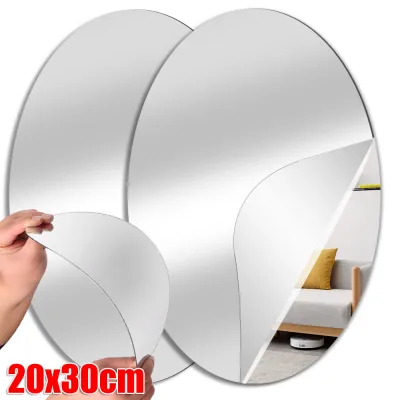
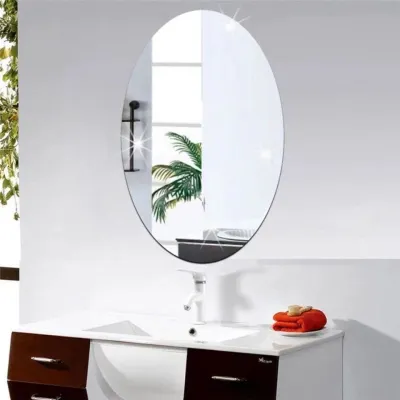
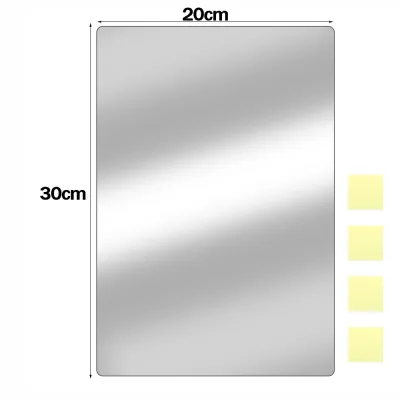
Prices are valid at publication and may change. Please refer to the product page for the latest price.
You must also consider the natural traffic flow and primary sightlines of the space. When you walk into a small room, your eyes naturally seek the furthest point to gauge the room’s size. Placing your oval mirror on the wall directly opposite the entryway creates an immediate sense of depth the moment anyone steps through the door. This instant visual expansion prevents the room from feeling like a closed box and establishes an inviting, spacious atmosphere right from the start.
Find the Ideal Height and Angle for Daily Use
Positioning your oval mirror at the correct height ensures it functions beautifully while maintaining its space-expanding magic. A common mistake is hanging decor too high, which disrupts the room’s proportions and forces people to strain their necks. As a general rule of thumb, the center of the oval mirror should sit at average eye level, which is approximately 145 to 152 centimeters (57 to 60 inches) from the floor. This baseline keeps the reflection natural and comfortable for daily use.

However, you should adjust this height based on the primary function of the room and whether people are usually standing or sitting. In an entryway or hallway, where family members and guests are typically on their feet, keeping the mirror at standard eye level is ideal for quick checks before leaving. In contrast, in a dining room or living area where people spend most of their time seated, you may want to lower the mirror slightly. This adjustment ensures that the reflection captures the warmth of the gathering and the lower half of the room rather than just an empty ceiling.
For rooms with exceptionally high walls or unique architectural layouts, a slight downward tilt can work wonders. Tilting the top of the mirror slightly away from the wall allows it to capture more of the floor space and furniture, enhancing the feeling of depth. Before you drill any holes, always have a helper hold the mirror against the wall at various heights and angles. Step back to the room’s entrance and seating areas to test the sightlines, ensuring the mirror reflects the best parts of your home rather than ceiling fans or air conditioning units.
Amplify the Space Illusion with Lighting and Decor
To truly unlock the potential of your oval mirror, you should integrate it thoughtfully with your existing lighting and decor. Placing the mirror near ambient or task lighting can dramatically brighten a small room. For instance, mounting a pair of wall sconces on either side of the mirror or placing a table lamp on a console table directly below it allows the glass to catch and multiply the artificial light. This setup is particularly useful in windowless hallways or cozy bedrooms, where it softens shadows and eliminates harsh visual boundaries.
Maintaining a tidy reflected zone is crucial to keeping the space looking open. Because a mirror duplicates whatever is in its field of view, reflecting a cluttered desk, open wardrobe, or disorganized shelving unit will make your room feel twice as crowded. Keep the area directly opposite the mirror clean, organized, and minimally decorated. This clean reflection reinforces the illusion of an open, breezy environment.
The soft, organic shape of an oval mirror also offers a wonderful opportunity to balance the rigid lines of your furniture. If you place the mirror above a rectangular sideboard, console, or bed frame, the curves of the glass will soften the heavy, blocky feel of the furniture. To maintain visual harmony, avoid surrounding the mirror with too many small, competing wall decorations. Instead, let the oval mirror serve as the central anchor, perhaps flanked by simple, elegant sconces or a single piece of minimalist artwork to create a balanced, uncluttered gallery wall.
Avoid Placement Mistakes That Shrink the Room
While a well-placed mirror can make a room feel double its size, poor positioning can have the opposite effect, making the space feel chaotic or even smaller. One of the most common mistakes is placing a mirror where it catches direct, harsh glare. In tropical climates with intense sunlight, positioning a mirror directly opposite a west-facing window can create blinding reflections during the afternoon, causing eye strain and making the room uncomfortable to inhabit. Position the mirror at an angle where it catches indirect light rather than direct sunbeams.
Another frequent error is the “floating” effect, which occurs when a mirror is hung on a large, empty wall with no connection to the surrounding furniture. This makes the mirror look lost and highlights the emptiness of the wall. To prevent this, visually anchor your oval mirror by placing it above a specific piece of furniture, such as a console table, a sofa, or a low cabinet. Keeping the bottom of the frame about 10 to 20 centimeters (4 to 8 inches) above the furniture piece creates a cohesive, intentional look that grounds the entire design.
Finally, pay close attention to the scale of the mirror in relation to your wall. An oval mirror that is too small will fail to bounce enough light to make a difference, while a mirror that is too large or features an overly thick, heavy frame can overwhelm a narrow wall or a room with low ceilings. Measure your wall space carefully before purchasing. The mirror should ideally occupy about half to two-thirds of the width of the furniture below it, ensuring it complements the space rather than crowding it.
Mount the Mirror Safely and Securely
Hanging a mirror is a serious task that involves dealing with a heavy, suspended load. Before you begin installation, you must verify the exact weight of your oval mirror and identify the material of your wall. In many homes and modern condominiums, walls are constructed from solid concrete, hollow concrete blocks, or gypsum drywall. Each of these materials requires specific hardware; standard nails or simple adhesive strips are not safe for hanging heavy glass and can lead to dangerous falls and shattered glass.
For solid concrete or masonry walls, you will need a hammer drill, masonry drill bits, and heavy-duty plastic wall plugs (often called tox plugs) or concrete anchors. If you are mounting on drywall, you must use a stud finder to locate the wooden or metal studs behind the wall. Hanging the mirror directly into a stud provides the most secure hold. If a stud is not available where you want to position the mirror, you must use heavy-duty toggle bolts or threaded drywall anchors rated for your mirror’s specific weight.
Always read and follow the manufacturer’s mounting instructions carefully, paying close attention to the provided brackets, D-rings, or hanging wires. If your installation requires working at a height, mounting near damp areas like bathrooms, or drilling near potential hidden electrical wiring, always prioritize safety. Ensure the power is isolated in the area where you are drilling to avoid hitting live wires. If you feel any uncertainty about your wall’s structural integrity, the weight of the mirror, or the drilling process, stop immediately and consult a qualified professional handyman or carpenter to ensure a safe and secure installation.
Frequently Asked Questions (FAQ)
Does the frame thickness of an oval mirror affect how big the room looks?
Yes, the design of the frame plays a significant role in how the mirror influences the room’s visual scale. Frameless oval mirrors or those with very thin, minimalist metal frames offer a seamless look that blends effortlessly with the wall, maximizing the illusion of continuous space. On the other hand, thick, dark, or highly ornate frames add significant visual weight. While these decorative frames can serve as beautiful statement pieces, they draw attention to the boundaries of the mirror itself, which can make a very small wall section feel slightly more enclosed.
Can I lean a large oval mirror against the wall instead of hanging it?
Leaning a large oval mirror can create a relaxed, contemporary aesthetic, but safety must be your top priority. You must first check the manufacturer’s guidelines to ensure the frame is structurally designed to support its own weight in a leaning position. To prevent accidents, always secure the leaning mirror with anti-tip safety straps or wall anchors designed for leaning furniture. Additionally, ensure the floor surface is non-slip, protect the wall from scratches, and avoid placing the mirror in high-traffic pathways where it could easily be bumped by children, pets, or busy household members.

Community discussion
Share your experience or ask a question. Comments are reviewed before publication.