
A limited floor plan does not have to mean a cramped living experience. While standard wall mirrors have long been used to open up tight quarters, a rotating mirror introduces a dynamic element that static glass simply cannot match. By allowing you to pivot, tilt, and shift the angle of reflection, these versatile fixtures give you active control over how light and depth are distributed throughout your home.
Maximizing the spatial potential of a small room requires more than just hanging a mirror on the nearest open wall. It demands a strategic understanding of sightlines, light sources, and angles. With the right placement and subtle adjustments, you can transform a dark, confined corner into a bright, visually expansive area that feels open and inviting.
How Rotating Mirrors Create the Illusion of Space
To understand why a rotating mirror is so effective, it helps to look at the basic optical principles of interior design. Mirrors do not actually add square footage, but they trick the brain into perceiving more space by extending the room’s visual depth. When you look into a mirror, your eyes focus on the reflected objects in the distance, effectively doubling the perceived length of the room. A rotating mechanism allows you to direct this visual extension toward the most open parts of your home, rather than being locked into a single, static view.
Products mentioned in this guide
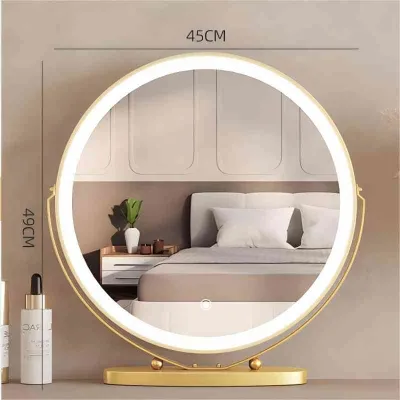

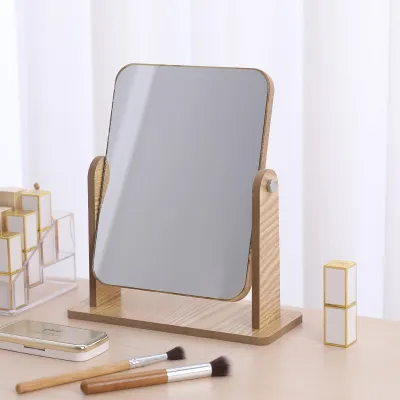
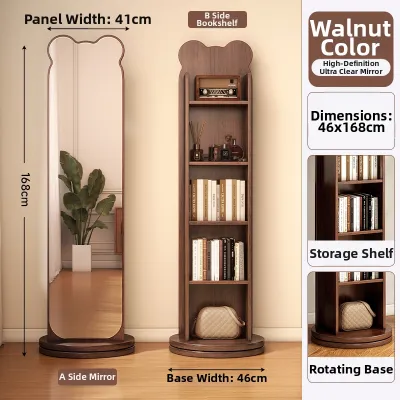
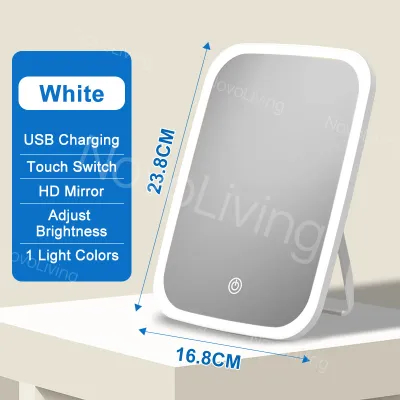
Prices are valid at publication and may change. Please refer to the product page for the latest price.
Light amplification is another critical factor in making a small room feel larger. Dark rooms naturally feel smaller and more enclosed because shadows obscure corners and boundaries. Mirrors act as passive light sources, capturing natural daylight or artificial light and bouncing it into these dim areas. By illuminating shadows, the mirror softens the hard boundaries of the room, creating a seamless, airy atmosphere.
The unique advantage of a rotating mirror lies in its adaptability. Throughout the day, the angle of natural light shifts, and your use of the room changes. A static mirror can only capture light at one specific hour, whereas a swivel or rotating design allows you to adjust the glass to follow the sun. This dynamic adjustment ensures that your room remains bright and visually open from morning until night.
Selecting the Right Wall and Height for Placement
Before you can begin adjusting the angles of your mirror, you must establish its baseline position on the wall. The ideal wall is typically one that sits adjacent or opposite to your primary light sources, such as a large window, a balcony door, or a prominent floor lamp. In tropical climates like the Philippines, where afternoon sunlight can be intense, placing the mirror on an adjacent wall is often preferable to an opposite wall. This positioning diffuses the bright light gently across the room rather than bouncing a harsh, blinding beam directly back toward the window.

When determining the mounting height, focus on the primary sightlines of the room. For spaces where people are usually standing, such as entryways or hallways, the center of the mirror should align with the average eye level, which is roughly 1.5 meters from the floor. In living rooms or dining areas where people spend more time sitting, you may want to mount the mirror slightly lower so that the reflection remains within the natural field of view when seated. The goal is to ensure that the baseline reflection captures an open pathway or an attractive design element rather than a blank ceiling or the floor.
Because rotating mirrors are subject to physical movement and represent a suspended load, safety during installation is paramount. Always verify the weight of the mirror and ensure your wall type—whether concrete, brick, or drywall—is equipped with the appropriate heavy-duty anchors. If your rotating mirror features integrated LED backlighting or demister pads, verify the voltage, wattage limits, and electrical certification before proceeding. For any fixed wiring, installation in damp areas like bathrooms, or work at height, always isolate the power at the breaker and consult a qualified professional to ensure a safe and secure installation.
Adjusting the Angle to Maximize Light and Visual Depth
Once your mirror is securely mounted, you can begin fine-tuning its rotation and tilt to optimize the spatial illusion. Start by angling the mirror slightly toward your primary window. This angle allows the glass to capture incoming daylight and scatter it deep into the interior of the room. Even a minor pivot of ten to fifteen degrees can dramatically increase the amount of ambient light in a dark corner, making the entire space feel more cohesive and less restricted.
Next, consider the vertical tilt of the mirror. If your rotating model allows for vertical adjustment, tilting the top of the glass slightly upward can create the illusion of higher ceilings. This technique is particularly effective in apartments or homes with low overhead clearance, as it directs the eye upward toward the reflected ceiling space. Conversely, if you have beautiful hardwood or tile flooring that you want to emphasize, a very slight downward tilt can draw attention to the floor plane, extending the sense of ground-level depth.
While maximizing light is crucial, you must carefully manage reflections to prevent harsh glare. Avoid angling the mirror so that it reflects bare light bulbs, intense spotlights, or direct midday sun directly into areas where you sit, work, or relax. Glare causes immediate visual discomfort and can make a small room feel stressful rather than serene. Instead, aim to reflect soft, diffused light surfaces, such as a brightly painted accent wall or a well-lit decorative display.
Take full advantage of the rotation feature to adapt to the rhythm of your daily life. In the morning, you might swivel the mirror toward an eastern window to welcome the early light. In the evening, you can rotate it toward a warm table lamp or a stylish wall sconce to create a cozy, expansive evening ambiance. This flexibility allows the mirror to serve multiple aesthetic and functional purposes throughout the day.
Testing and Fine-Tuning the Room's Visual Effect
Achieving the perfect spatial illusion requires a bit of trial and error. To test your placement, start by walking through the main entry points of the room. Pay close attention to your immediate first impression as you cross the threshold. The mirror should naturally draw your gaze toward a reflected view that suggests depth and openness, rather than forcing you to look at a cluttered corner or a jarring, direct reflection of yourself.
Observe the mirror’s performance at different times of the day. A position that works beautifully in the soft morning light might create distracting reflections when you turn on your overhead lights in the evening. Spend a few days monitoring how the light shifts across the glass, noting any times when the reflection feels too bright, too dark, or visually distracting.
Make micro-adjustments to the swivel and tilt until the reflection feels completely natural and expansive. Sometimes, a shift of just a few millimeters is all it takes to hide an unsightly appliance or capture a beautiful piece of wall art. Once you find the optimal angle, ensure that the rotating mechanism’s tension is adjusted correctly. It should be loose enough to turn smoothly when intentional pressure is applied, but tight enough to hold its position against gentle drafts or daily vibrations.
Common Placement Mistakes That Shrink the Room
One of the most common mistakes when positioning a rotating mirror is allowing it to reflect cluttered or busy areas. If your mirror is angled toward an open closet, a stack of storage boxes, or a wall covered in dense, high-contrast patterns, it will double the visual noise in the room. This added clutter makes the space feel chaotic and significantly smaller than it actually is. Always aim the reflection toward clean, minimalist, or open areas.
Another frequent error is mounting the mirror at an incorrect height that breaks the visual flow of the room. Placing a mirror too high forces viewers to look upward at an awkward angle, while placing it too low cuts off the heads of standing occupants. This lack of visual continuity disrupts the natural flow of the space, making the walls feel like they are closing in. Keep the mirror aligned with natural sightlines to maintain a harmonious balance.
Finally, avoid angling the mirror too sharply. While it can be tempting to swivel the mirror to an extreme angle to catch a distant window, doing so can create a distorted, funhouse-like reflection. Sharp, unnatural angles warp the perspective of the room, causing visual confusion and physical discomfort for anyone spending time in the space. Keep your adjustments subtle, smooth, and aligned with the natural geometry of the room.
Frequently Asked Questions (FAQ)
Using a Rotating Mirror in a Room Without Windows
If your room lacks windows, you can still use a rotating mirror to create a sense of openness by focusing on artificial light sources. Position the mirror so that it reflects floor lamps, wall sconces, or warm LED strip lights. By angling the mirror to bounce this artificial light into dark corners, you can eliminate harsh shadows and make windowless spaces, such as interior hallways or bathrooms, feel much brighter and more spacious.
How Mirror Shape Affects the Spatial Illusion
Mirror shape plays a significant role in how space is perceived. Round or oval rotating mirrors are excellent for softening the sharp, boxy lines of small rooms, creating a more fluid and relaxed visual flow. Rectangular or arched mirrors, on the other hand, can be rotated vertically to emphasize ceiling height, or horizontally to stretch the perceived width of a narrow wall, allowing you to customize the spatial illusion to match your room’s specific layout.

Community discussion
Share your experience or ask a question. Comments are reviewed before publication.