
To achieve a captivating ambient glow from waterproof solar meteor lights inside a condominium bedroom or living room, the secret lies in separating the light display from its power source. By positioning the cascading, dripping light tubes in areas where they can mimic natural elements—such as draped behind sheer curtains, woven through indoor foliage, or suspended along high shelves—you create a dynamic visual rhythm. Meanwhile, the connected solar panel must be routed to an exterior window ledge or balcony where it can gather sufficient sunlight. This dual-zone setup allows you to enjoy a whimsical, energy-free light show indoors while keeping the charging apparatus completely out of sight.
In tropical urban environments like the Philippines, where high-rise condo living is common, maximizing limited indoor space while maintaining a cool, relaxing atmosphere is a top priority. Traditional plug-in decorative lights can add to your monthly electric bill and clutter your limited wall outlets. Waterproof solar meteor lights solve this dilemma by utilizing renewable energy, but their successful installation requires a thoughtful balance between interior design aesthetics and practical solar physics.
Assessing Your Space and Lighting Goals Before Installation
Before mounting a single strand of lights, take a step back to analyze the architectural layout of your room. Walk through your living room or bedroom during both the day and night to identify natural focal points, such as an accent wall, a high ceiling beam, or a large window frame. At the same time, note the darker, underutilized corners that could benefit from a soft, inviting glow. Understanding where your eye naturally rests helps you determine where the cascading motion of the meteor lights will have the greatest visual impact without overwhelming the space.
Products mentioned in this guide
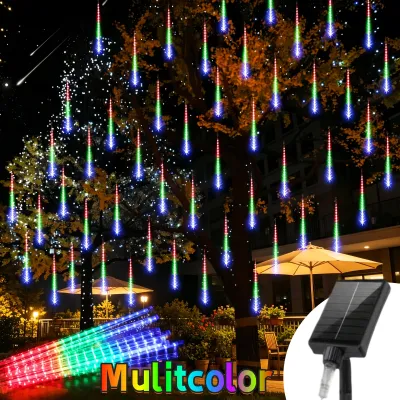
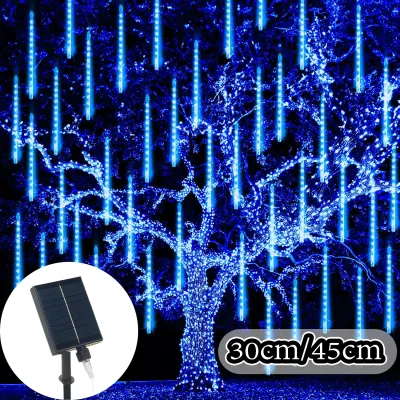
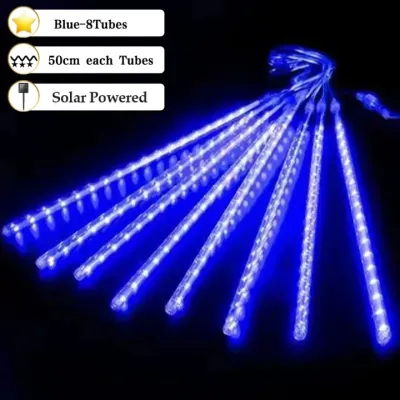
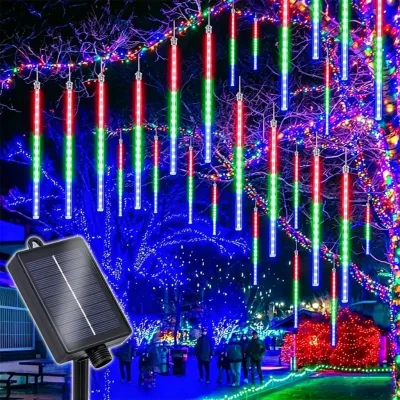
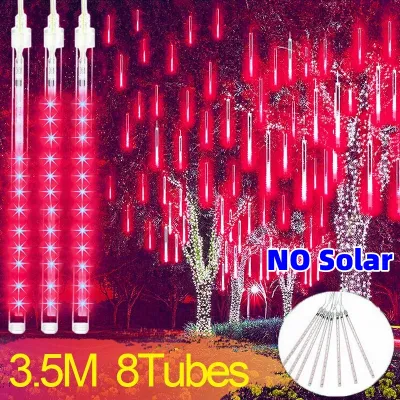
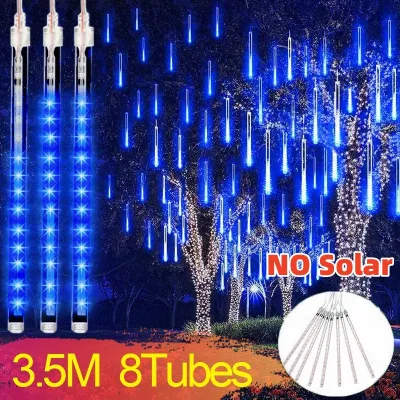
![[COD]Solar/Plug in Meteor Shower Rain Lights LED Outdoor Waterproof Icicle Fairy String Lights for Home Garden Christmas Raya Decoration](https://img.lazcdn.com/g/p/fd49d32f1a873f0ead753f71865dcfa9.jpg_400x400q80.jpg_.webp)
Prices are valid at publication and may change. Please refer to the product page for the latest price.
Next, define the specific mood you want to establish in each area. A bedroom typically requires a calming, low-intensity ambiance that promotes deep relaxation and sleep, whereas a living room benefits from a more versatile setup that can transition from a lively social gathering space to a cozy, cinematic lounge. Because meteor lights feature a distinct sequential dripping effect, their motion can feel highly energetic if left completely exposed. Deciding whether you want a subtle, diffused shimmer or a bold, festive statement will dictate how deeply you should tuck the light tubes behind other design elements.
Finally, map out the physical distance between your desired indoor display location and the nearest outdoor light source. Solar meteor light kits come with a set lead cable connecting the first light tube to the solar panel. You must measure this distance carefully before purchasing or installing your lights. If the cable is too short, you may be forced to compromise on your interior layout; if it is too long, you will need a plan to conceal the excess wire safely without creating a tripping hazard or pinching the cord in window frames.
Strategic Placement Techniques for a Cozy Bedroom
In the bedroom, the primary goal of ambient lighting is to soothe the senses and prepare the mind for rest. One of the highly effective ways to integrate solar meteor lights into this private sanctuary is by draping them gently over a wooden headboard, a bed canopy, or an exposed bed frame. By positioning the cascading tubes behind the headboard, the light bounces off the wall first, creating a soft, indirect halo effect. This indirect illumination provides enough light for evening relaxation without casting harsh shadows or shining directly into your eyes when you lie down.

Another excellent option is to frame the perimeter of the room by wrapping the light strands around window frames or curtain rods. If you have sheer, translucent curtains, try hanging the meteor lights directly behind the fabric. The sheer material acts as a natural diffuser, softening the rapid cascading motion of the lights into a gentle, cloud-like shimmer. This setup is particularly beautiful during rainy tropical evenings, as the dripping light effect mimics the soothing rhythm of raindrops sliding down the windowpane outside.
To maintain a restful environment, it is crucial to avoid placing the meteor light tubes at direct eye level near your bed or reading chair. The downward, sequential flashing of meteor lights can become visually distracting or even cause mild eye strain if it sits directly in your line of sight while you are trying to read or fall asleep. Instead, position the tubes either high up near the ceiling line or low down behind furniture. This ensures that you only experience the warm, reflected glow of the light rather than the sharp, unshielded glare of the individual LED bulbs.
Arranging Meteor Lights in the Living Room for Maximum Impact
The living room serves as the social heart of the home, making it the perfect canvas for more creative and dramatic lighting arrangements. To add immediate visual depth to the room, try weaving the waterproof meteor light strands through large indoor plants, such as a potted parlor palm or a tall snake plant. The organic shapes of the leaves will break up the linear structure of the light tubes, casting intricate, moving shadows across your walls and ceiling. This integration of light and nature creates a lush, tropical oasis feel right inside your urban apartment.
For entertainment enthusiasts, creating a subtle backdrop behind your television or media console can significantly enhance your viewing experience. By mounting the meteor lights horizontally or vertically behind the TV screen, you create a form of dynamic bias lighting. This soft background glow reduces the contrast between the bright screen and the dark room, which helps minimize eye strain during long movie nights. To prevent the cascading motion from distracting you from the screen, ensure the lights are set to a slow, gentle pulse or are partially obscured by the console cabinet.
If your living room features high ceilings, floating shelves, or tall bookshelves, you can take advantage of vertical space by hanging the strands straight down to mimic a starry night or a glowing waterfall. Suspending the tubes at varying heights creates a sense of architectural grandeur, drawing the eye upward and making a compact condo living room feel much more spacious. When arranged in clusters of three or five strands, the staggered cascading effect produces a sophisticated, artistic installation that serves as an instant conversation starter for guests.
Positioning the Solar Panel for Optimal Charging in an Apartment
Operating solar-powered lights inside a high-rise condominium presents a unique challenge, as you do not have access to a private roof or a wide-open yard. To keep your meteor lights glowing brightly every night, you must identify the most sun-drenched micro-locations available to your unit. A private balcony, an exterior windowsill, or a sturdy air conditioner ledge are practical spots for mounting the detached solar panel. Even a small outdoor footprint can provide sufficient energy if positioned correctly.
To maximize daily solar intake, pay close attention to the orientation of your building. In the Philippines, windows and balconies facing south or west generally receive intense, direct sunlight throughout the afternoon, making them prime locations for solar panels. If your windows face north or east, you will need to angle the solar panel upward and outward as much as possible to catch the morning sun and ambient daylight. Avoid placing the panel directly behind tinted window glass, as modern UV-blocking window films can significantly reduce the solar energy that reaches the panel’s photovoltaic cells.
Managing the cable that connects your outdoor solar panel to your indoor light display requires a careful, safety-first approach. Never force a window or balcony door shut directly over a standard round cable, as the constant pressure and friction will eventually pinch the wire, damage the protective insulation, and cause an electrical short. Instead, look for thin, flat cable extensions designed to pass through window seals, or route the wire through existing utility gaps, such as the drainage hole of an air conditioning unit. Secure any loose outdoor cabling with weather-resistant zip ties to prevent the wind from whipping the wire against your building’s exterior.
Safety, Weatherproofing, and Damage-Free Installation Checks
When installing any lighting system in a condo, protecting both your personal safety and the property’s surfaces is essential. Before hanging your lights, locate the product label and verify its IP (Ingress Protection) rating. A rating of IP44 is generally sufficient for sheltered balconies, but an IP65 or higher rating is recommended if the solar panel or connection points will be fully exposed to heavy tropical downpours. Even though the light strands are waterproof, always ensure that any indoor-to-outdoor connection points are tightly sealed with silicone tape or housed in a weatherproof junction box to prevent moisture seep.
Because many condo residents rent their units or want to avoid damaging expensive wall finishes, drilling holes should be a last resort. Instead, utilize damage-free adhesive hooks, transparent cable clips, or adjustable tension rods to secure your light strands. Tension rods are particularly useful for hanging vertical meteor lights inside window frames or between closely spaced walls without leaving a single mark. When using adhesive hooks, clean the wall surface with rubbing alcohol first and allow it to dry completely to ensure a strong, long-lasting bond that won’t peel away the paint when removed.
Finally, always prioritize electrical safety by performing a thorough pre-installation check. Inspect the entire length of the wire for any signs of fraying, exposed copper, or cracked plastic tubes. If you ever need to connect your solar setup to an auxiliary indoor power adapter or perform any minor wiring adjustments, always isolate the power source completely before touching the components. If you are unsure about the electrical load, voltage compatibility, or structural mounting safety of a larger installation, do not hesitate to consult a qualified professional to ensure your cozy new lighting setup remains completely safe.
Frequently Asked Questions (FAQ)
Can I use waterproof solar meteor lights indoors if my room gets no direct sunlight?
Yes, you can easily enjoy the beautiful cascading effect of waterproof solar meteor lights inside a windowless or shaded room, provided you can route the solar panel itself to an outdoor area that receives sunlight. The light strands and the solar panel are separate components connected by a lead wire. Simply mount the decorative light tubes in your desired indoor location, and run the cable out to a sunny balcony, windowsill, or exterior ledge. Always check the manufacturer’s specifications for the minimum daily charging hours required—typically six to eight hours of daylight—to ensure the battery charges fully for nighttime use.
How do I hide the wires when arranging meteor lights across a large living room?
Achieving a clean, professional look requires strategic cable management. Start by using small, transparent adhesive cable clips to route the wires tightly along natural architectural lines, such as the top of your baseboards, the edges of door frames, or along crown molding. You can also tuck excess cabling behind large furniture pieces like sofas, bookshelves, or television consoles. If you must run a wire across an open floor path, cover it with a low-profile, rubber floor cord protector that matches your flooring color to prevent tripping hazards and protect the cable from foot traffic.

Community discussion
Share your experience or ask a question. Comments are reviewed before publication.