
A well-designed bedroom serves as a personal sanctuary, and for avid readers, the bedside lighting setup is the most critical element of this space. Installing a sconce wall light offers a sophisticated, space-saving alternative to bulky table lamps, freeing up valuable nightstand real estate. However, achieving the perfect balance between style, comfort, and functionality requires careful planning. You must coordinate the fixture’s physical dimensions and light output with your existing bed frame and nightstand to prevent eye strain and awkward reaching.
Determining the Ideal Height and Distance for a Sconce Wall Light
When positioning your bedside lighting, the most reliable reference point is the top of your mattress rather than the floor. Mattress heights vary significantly, from low-profile platform beds to thick, multi-layered pocket-spring mattresses. Measuring from the top of the mattress ensures that the light source aligns correctly with your body when you are sitting up to read.
As a general rule, the bottom of the sconce’s shade or its primary light source should sit 30 to 36 inches (76 to 91 cm) above the top of the mattress. This range positions the light high enough to cast a wide, even glow over your book or tablet, but low enough to prevent the bulb from shining directly into your eyes.
Products mentioned in this guide
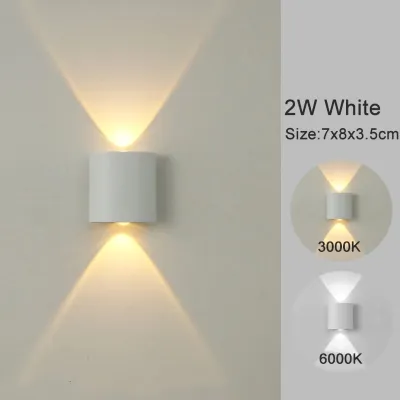

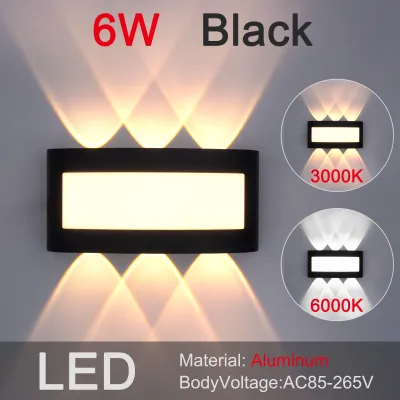
Prices are valid at publication and may change. Please refer to the product page for the latest price.
You should also consider the height of your nightstand. If your nightstand is taller than your mattress, mounting the sconce closer to the 36-inch mark prevents the nightstand from casting shadows across your bed. The goal is to keep the light source above your seated shoulder level while ensuring it remains out of your direct line of sight when you eventually lie down to sleep.
Horizontal spacing is equally critical for comfort and safety. Position the sconce 12 to 18 inches (30 to 45 cm) from the outer edge of the bed frame. This distance provides ample illumination for your side of the bed while ensuring you will not accidentally bump your head against the fixture when sitting up, turning over, or adjusting your pillows.
If you have a particularly thick upholstered headboard, a deep wooden frame, or use multiple decorative pillows, your body will naturally be pushed further away from the wall. In these scenarios, standard flat-mounted sconces may cast light behind your shoulders instead of onto your page. To compensate, increase the horizontal spacing slightly or opt for an articulated swing-arm sconce that can be pulled forward during use.
Coordinating Sconce Styles with Bed Frames and Nightstands
Achieving visual harmony in your bedroom requires looking at your furniture and lighting as a unified composition. The scale and proportion of your wall sconces should complement, not compete with, the visual weight of your bed frame and nightstands.

If you have substantial, oversized nightstands and a tall, grand headboard, a tiny, delicate sconce will look lost and out of place. For these setups, look for larger fixtures, sconces with dual bulbs, or designs with prominent backplates that command visual presence. Conversely, if you use floating shelves or compact nightstands, sleek, minimalist sconces with slim profiles will maintain an airy, uncluttered feel.
Material and finish coordination can elevate your bedroom design. You do not need to match every metal finish perfectly, but the combination should feel intentional. For instance, pairing matte black sconces with warm walnut wood nightstands creates a striking, modern contrast. If you prefer a cohesive look, you can match the brushed brass on your nightstand drawer pulls with the brass backplate of your wall light.
The design language of your fixtures should also align with the structure of your bed frame. An industrial pipe sconce with an exposed Edison bulb pairs naturally with a matte black metal bed frame. If your bed features a soft, fabric-upholstered headboard, choosing a sconce with a fabric shade will echo that softness and diffuse the light gently throughout the room.
Consider the visual weight of your wall treatments as well. If you have a heavily textured accent wall, such as wood paneling or concrete-finish plaster, a clean-lined metal sconce will stand out beautifully. If your wall is painted a simple, flat color, you can use a sconce with an intricate silhouette or a textured ceramic body to add a layer of visual interest.
Choosing the Right Light Quality for Bedroom Reading
The quality of light emitted by your bedside sconce directly impacts your reading comfort and your body’s ability to wind down for sleep. Selecting the right bulb and fixture features is just as important as finding the perfect physical placement.
Color temperature is measured in Kelvins (K) and dictates how warm or cool the light appears. For a bedroom, warm white light between 2700K and 3000K is a highly popular preference. This range mimics the cozy glow of traditional incandescent bulbs, promoting relaxation and preparing your brain for sleep. If you prefer a more versatile setup, look for smart bulbs or fixtures with adjustable color temperatures, allowing you to use a slightly cooler, focused light for reading and a warm, dim glow for ambiance.
In terms of brightness, look for bulbs that deliver 400 to 800 lumens per sconce. This level of brightness provides sufficient illumination for reading printed text without causing eye strain, while avoiding the harsh, over-lit feeling of a main ceiling fixture.
The beam angle and directionality of the sconce determine where the light actually goes. Sconces with adjustable arms, swivel heads, or focused downlighting are ideal for bedside reading. They allow you to direct the light precisely onto your book or tablet, minimizing light spill across the bed so you do not disturb a sleeping partner.
Controlling glare is essential when you are lying down. Avoid exposed-bulb designs unless they are positioned well out of your line of sight or use very low-wattage decorative bulbs. Instead, choose sconces with opaque metal shades, frosted glass diffusers, or deep-set bulbs that shield the light source from direct view.
Finally, dimming capabilities are highly beneficial for bedside lighting. Dimmable fixtures, compatible smart bulbs, or wall-mounted dimmer switches allow you to transition smoothly from active reading to a soft, pre-sleep glow. This flexibility helps maintain your circadian rhythm, making it easier to fall asleep once you close your book.
Installation Options and Electrical Safety Boundaries
Before purchasing your bedside wall sconces, you must decide on the installation method and understand the electrical requirements of your home. The two primary options are hardwired fixtures and plug-in models, each with distinct advantages and installation steps.
Hardwired sconces offer a clean, seamless look with all wiring hidden behind the drywall or plaster. However, this method requires cutting into the wall to install electrical boxes and run wiring, which can be challenging in Philippine homes where concrete hollow block (CHB) walls are common. Plug-in sconces are highly flexible and renter-friendly; they mount directly to the wall surface and plug into a nearby outlet, with the cord running down the wall.
Planning your switch placement is crucial for convenience. You do not want to stretch uncomfortably to turn off the light when you are half-asleep. Look for plug-in sconces with inline cord switches positioned within arm’s reach, or choose fixtures with built-in toggle switches on the backplate. For hardwired setups, you can install a wall switch directly above your nightstand or use smart bulbs controlled by a wireless remote or smartphone app.
The structural integrity of your wall dictates how you mount the fixtures. Heavy brass, glass, or articulated swing-arm sconces exert significant leverage on the wall. If you are mounting on drywall, you must secure the mounting bracket to a wall stud or use heavy-duty toggle bolts. For concrete or solid brick walls, use high-quality masonry anchors and a hammer drill to ensure a secure hold.
Electrical safety is paramount. In the Philippines, the standard electrical system operates at 230V and 60Hz. When purchasing imported lighting fixtures, always verify that the voltage rating and electrical certifications match this standard; fixtures rated only for 110V will fail or present a fire hazard unless used with a compatible transformer. Ensure the fixture is properly grounded, and always turn off the main circuit breaker at your service panel before performing any electrical work.
Always respect professional boundaries when dealing with electricity. While mounting a plug-in sconce is a straightforward DIY task, you should hire a licensed electrician for installing new hardwired junctions, running in-wall wiring, or modifying your existing electrical panel. This ensures compliance with local electrical codes and protects your home from electrical hazards.
Common Pairing and Positioning Mistakes to Avoid
A successful bedside lighting layout requires avoiding several common pitfalls that can ruin both the aesthetics and the functionality of your bedroom. Identifying these mistakes early will save you from having to patch and repaint your walls.
Mounting the sconces too high or too low is the most frequent error. If mounted too high, the light will spread too widely, losing its focused reading utility and potentially exposing the bare bulb to your eyes when you look up. If mounted too low, the fixture can cast harsh shadows over your reading material and limit your physical movement around the bed.
Ignoring the “reach test” leads to daily frustration. Before drilling any holes, sit in your bed in your natural reading position. Reach out your arm to where the switch or pull chain will be. If you have to lift your torso off the mattress or stretch uncomfortably to reach it, the sconce is positioned too far away.
Clashing styles without intention can make your bedroom feel chaotic rather than curated. While eclectic design is popular, pairing a highly ornate, traditional crystal sconce with a stark, ultra-modern platform bed without a unifying color palette or material bridge can look like an accidental mismatch. Ensure there is at least one common thread, such as color, finish, or shape, to tie the elements together.
Finally, do not forget about your partner’s comfort. Choosing a sconce with a wide, ambient beam angle or an unshielded bulb will flood the entire bed with light. This setup makes it difficult for your partner to sleep while you read. Opt for highly directional, adjustable fixtures that keep the light focused strictly on your side of the bed.
Frequently Asked Questions (FAQ)
Can I install bedside wall sconces if my bed is pushed against the wall?
If your bed is positioned in a corner or pushed flat against a wall on one side, you can still enjoy the benefits of a wall sconce. For a single bed, you can mount a single sconce centrally above the headboard, directing the light downward. Alternatively, you can mount the sconce on the open wall side, slightly offset. Ensure the switch is easily accessible from the bed and that the light beam is adjustable so you can angle it to prevent casting your own shadow over your reading material.
Do bedside wall sconces need to match the ceiling light fixture?
Your bedside wall sconces do not need to match your ceiling light fixture exactly. In fact, mixing different lighting styles can make your bedroom look more professionally designed and less like a showroom set. To maintain visual cohesion, try to share at least one design element. For example, you can use the same metal finish (such as brushed brass or matte black) across all fixtures, choose shapes from the same design era (like mid-century modern), or simply ensure that all bulbs share the same warm color temperature.
What is the best way to hide the cord on a plug-in wall sconce?
The most effective way to hide the cord of a plug-in sconce is to use paintable plastic or metal cord covers, also known as wire raceways. These covers mount directly over the cord and can be painted the exact color of your bedroom wall, making them virtually invisible. Alternatively, you can route the cord neatly down the wall, secure it with clear cable clips, and run it behind your headboard or nightstand to keep it out of sight. Some designs also feature decorative fabric-wrapped cords that are meant to be shown off as a styling element.
Community discussion
Share your experience or ask a question. Comments are reviewed before publication.