
To make a small room feel significantly larger, strategic mirror placement is one of the most effective design techniques available. A strategically positioned metal mirror does more than simply reflect an image; it acts as an architectural tool that manipulates light, redirects sightlines, and introduces a sense of depth to otherwise confined spaces. By understanding the relationship between reflective glass, metal finishes, and room layout, you can transform a cramped studio apartment, a narrow hallway, or a compact living area into an open, airy environment.
The success of this technique relies on a combination of visual physics and careful room assessment. Before mounting or leaning any heavy decor, it is essential to analyze how light enters the room, where the eye naturally rests, and how the physical characteristics of a metal frame can either enhance or crowd your space.
How Metal Mirrors Create the Illusion of Space
Mirrors expand a room by tricking the brain into perceiving depth where a solid wall exists. When light hits the reflective surface of a mirror, it bounces back into the room rather than being absorbed. This bounce-back effect doubles the visual distance of the room, effectively creating a “virtual window” that makes walls seem to recede. For small rooms, this means the physical boundaries of the space are visually suspended, allowing the eye to travel further.
Products mentioned in this guide
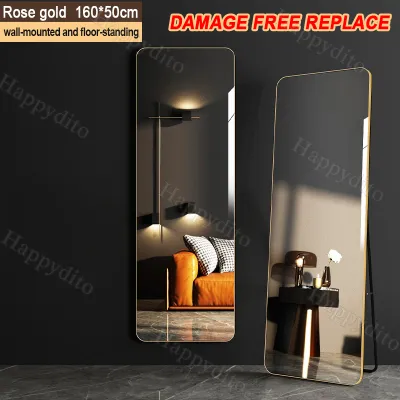
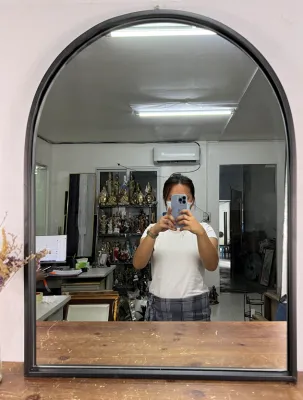
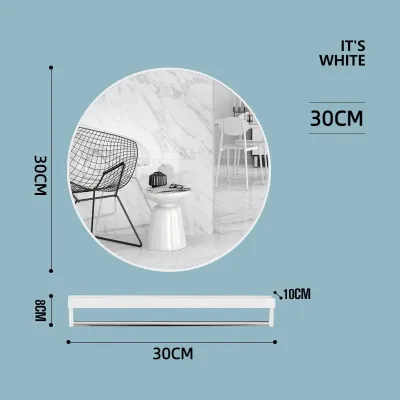
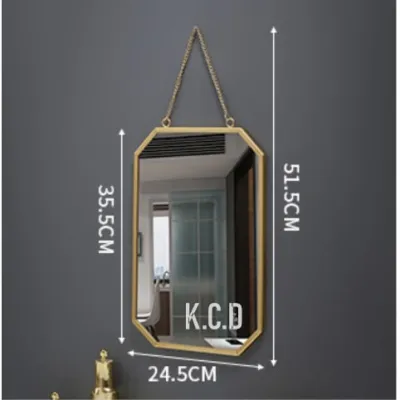
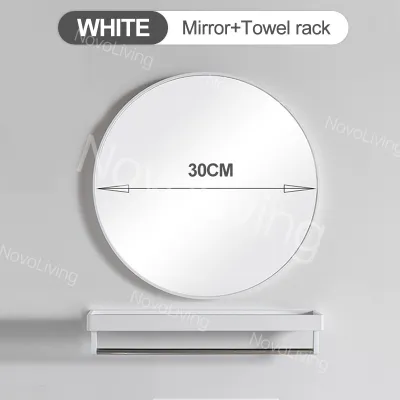
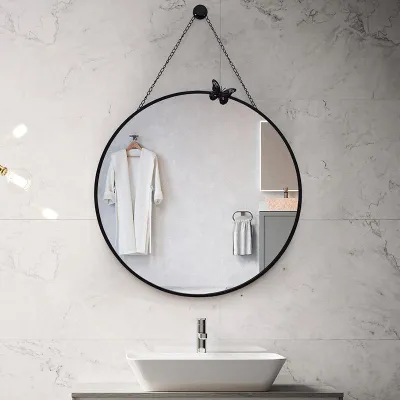
Prices are valid at publication and may change. Please refer to the product page for the latest price.
The frame of a metal mirror plays a dual role in this spatial illusion. Unlike wood or plastic, metal has unique light-interacting properties. Polished metal finishes, such as chrome, polished brass, or shiny copper, act as secondary reflective surfaces that catch ambient light and scatter subtle highlights around the room. On the other hand, matte metal finishes, like brushed steel, anodized aluminum, or matte black iron, provide a clean, distinct border that frames the reflected view like a piece of art, grounding the illusion without adding distracting glare.
Furthermore, the thickness and profile of the metal frame dictate its visual weight. A very thin, minimalist metal frame allows the glass to extend almost to the edge, maximizing the reflective surface area and keeping the overall look light and unobtrusive. A thicker, more substantial metal frame can serve as a bold focal point, but it must be balanced carefully so it does not overwhelm a tight wall.
Before choosing where to place your mirror, conduct a quick assessment of your room’s layout:
- Identify Primary Light Sources: Note where natural light enters through windows or balcony doors, as well as the positions of overhead fixtures and lamps.
- Locate Existing Focal Points: Find the natural center of attention in the room, such as a neat media console, an indoor plant arrangement, or an accent wall.
- Pinpoint Cluttered Zones: Take note of areas with open shelving, exposed wiring, or high daily traffic, as you will want to avoid reflecting these spaces.
Best Placement Strategies for Compact Rooms
Maximizing the spatial impact of a metal mirror requires precise positioning. Simply hanging a mirror on any open wall space is rarely enough; you must align it with the room’s existing light paths and furniture layout to create a convincing illusion of openness.

Reflecting Natural Light and Views
To amplify daylight, place your metal mirror on a wall that is perpendicular or directly opposite a window. In tropical climates like the Philippines, where afternoon sun can be intense, positioning a mirror perpendicular to a window is often ideal. This angle catches the bright, indirect daylight and disperses it deep into darker corners of the room without bouncing harsh, direct sunlight directly into your eyes.
Reflecting an outdoor view also helps break down the feeling of confinement. If your window looks out onto a balcony garden, lush tropical foliage, or an open sky, placing a mirror to capture this view effectively “brings the outdoors in.” This visual connection to the outside world draws the eye outward, making the indoor space feel like an extension of the exterior environment. Conversely, avoid placing a mirror where it reflects a blank, dark wall or an empty ceiling corner, as this does not contribute to the illusion of depth and can make the room feel sterile.
Creating Depth Behind Furniture
Positioning a large metal mirror behind major furniture pieces is an excellent way to push back visual boundaries. Placing a rectangular or arched metal mirror behind a sofa, a low console table, or a dining table set creates the illusion of an adjoining room or an extended alcove just behind the furniture.
To maintain visual balance, ensure the mirror’s width is proportional to the furniture below it. Ideally, the mirror should span approximately two-thirds to three-quarters of the width of the sofa or console. If you are mounting the mirror above a console, leave a gap of about 15 to 20 centimeters between the bottom of the frame and the top of the furniture. This gap prevents the arrangement from looking cramped while keeping the mirror low enough to remain integrated with the furniture piece, creating a cohesive, layered depth.
Expanding Narrow Hallways and Corners
Narrow entryways, tight corridors, and awkward corners are common challenges in compact homes and condominiums. A strategic mirror placement can instantly soften these architectural bottlenecks.
Placing a full-length metal mirror at the very end of a short, narrow hallway visually doubles the length of the corridor, making the transition between rooms feel seamless and expansive. In tight, neglected corners, a tall, leaning metal floor mirror can soften the harsh, ninety-degree intersection of two walls. This rounding-out effect opens up the floor plan and makes the corner feel like a functional, light-filled alcove rather than a dead space.
Angling and Leaning vs. Wall-Mounting
The choice between leaning a mirror or mounting it flat against the wall significantly affects how space is perceived.
- Leaning Metal Mirrors: Leaning a large floor mirror against the wall creates a casual, relaxed aesthetic. Because a leaning mirror is slightly tilted upward, it reflects a portion of the ceiling along with the room, which can make low ceilings feel higher. This style is highly effective for adding layered depth and is an excellent option for renters who want to avoid drilling large holes into walls. However, leaning mirrors do occupy a small amount of floor space.
- Wall-Mounted Metal Mirrors: Mounting a mirror flat against the wall offers a clean, structured, and permanent look. This method keeps the floor completely clear, which is crucial in very tight rooms or narrow pathways where every centimeter of floor space counts. Wall-mounting also allows you to position the mirror at the exact eye level needed to capture specific reflections and light sources.
Selecting the Right Metal Frame and Shape
The physical design of the metal mirror should complement the scale of your room. Choosing the wrong frame thickness or shape can inadvertently make a small room feel cluttered and busy.
Thin, sleek metal frames—often made from lightweight aluminum or slim steel—are highly recommended for compact spaces. These frames provide a clean, modern border that does not compete with the reflection itself. They keep the visual weight to a minimum, allowing the mirror to blend seamlessly into the wall. In the humid tropical climate of the Philippines, selecting the right metal finish is also crucial for longevity; powder-coated aluminum or stainless steel frames are excellent choices as they resist rust and corrosion over time. In contrast, thick, heavily ornamented metal frames, such as ornate wrought iron or deeply carved brass, carry significant visual weight. While beautiful, these heavy frames can dominate a small wall, making the room feel smaller by drawing too much attention to the physical boundaries of the mirror itself.
The shape of the mirror also influences spatial perception:
- Round and Arched Mirrors: Most small rooms are dominated by rigid, boxy lines from walls, doors, and rectangular furniture. Introducing a round or arched metal mirror breaks up these harsh angles, softening the room's overall feel and creating a more organic flow.
- Rectangular and Square Mirrors: Large rectangular mirrors are excellent for emphasizing clean architectural lines. Hanging a tall rectangular mirror vertically draws the eye upward, highlighting vertical space and making low ceilings feel loftier. Hanging it horizontally expands the width of a wall, making a narrow room feel wider.
When deciding between a single oversized metal mirror and a gallery wall of smaller mirrors, always opt for the single larger piece. A single, continuous sheet of reflective glass provides an uninterrupted reflection, which is far more powerful at creating the illusion of space. A gallery wall of multiple small mirrors breaks up the reflection into fragments, which increases visual noise and can make a small room feel cluttered and busy.
Safe Hanging and Weight Management
Because metal frames are significantly heavier than plastic or lightweight wood alternatives, safety must be your primary consideration during installation. Proper hardware and structural checks are essential to prevent damage to your walls and ensure the mirror remains securely anchored.
Before beginning any installation, check the manufacturer’s weight specifications for the mirror and verify the load rating of your hanging hardware. Metal mirrors, especially those with iron or solid brass frames, can easily weigh anywhere from 10 to over 30 kilograms.
To safely hang a heavy metal mirror, follow these structural guidelines:
- Identify the Wall Type: Determine whether your wall is made of drywall (commonly used for interior partitions in modern condos) or solid concrete/hollow blocks (common in traditional Philippine residential construction).
- Locate Wall Studs for Drywall: If mounting on drywall, always attempt to secure the mounting brackets directly into wood or metal studs using a reliable stud finder. Standard drywall cannot support the weight of a heavy metal mirror on its own.
- Use Appropriate Anchors: If studs are unavailable in a drywall installation, use heavy-duty toggle bolts or threaded dry-wall anchors rated for at least double the weight of the mirror. For concrete or masonry walls, use heavy-duty plastic wall plugs or sleeve anchors paired with high-quality masonry screws.
- Isolate Electrical and Utility Lines: Before drilling any holes, use a multi-scanner or stud finder with a live-wire detection feature to ensure you do not drill into hidden electrical conduits, water pipes, or utility lines. This is especially critical when drilling near light switches, outlets, or on walls shared with bathrooms. Always isolate the power at the main circuit breaker if you suspect you are drilling close to electrical lines.
- Follow Manufacturer Instructions: Always use the specific mounting brackets, D-rings, or cleat systems provided or recommended by the mirror manufacturer. Avoid using wire strung between two hangers for heavy mirrors, as this concentrates the stress on a single point and can cause the hardware to fail over time.
When to Consult a Professional: Stop the installation immediately and seek help from a qualified handyman or structural professional if you are dealing with an exceptionally heavy mirror (over 25 kilograms), if you are unsure of your wall’s internal structure, if you lack the specialized tools required for drilling into hard concrete or masonry, or if the mirror is to be placed in a high-traffic zone where any tipping or falling hazard must be absolutely minimized.
Placement Mistakes That Shrink Your Room
While a well-placed metal mirror can make a room feel twice its size, a poorly positioned one can have the opposite effect, making the space feel cramped, chaotic, or uncomfortable.
One of the most common mistakes is placing a mirror where it reflects clutter. If your mirror directly faces an open wardrobe, a desk covered in paperwork, a tangle of entertainment system cables, or a busy kitchen counter, it will visually double the clutter. This extra visual noise makes the room feel twice as messy and significantly smaller. Always ensure the reflected field of view is clean, organized, or focused on an attractive, simple feature.
Another frequent error is ignoring glare. Placing a mirror in direct, unfiltered line with harsh artificial light sources—such as exposed LED bulbs or bright track lighting—or in the path of intense afternoon sun can create blinding reflections. In a compact room, this glare is difficult to escape and makes the environment uncomfortable to live in. To avoid this, test the mirror’s position at different times of the day and night using temporary placement before permanently mounting it.
Finally, pay close attention to the height at which the mirror is hung. Hanging a mirror too high is a common mistake; it disconnects the piece from the rest of the furniture and ends up reflecting only the ceiling and the tops of door frames, which does nothing to expand the living space. Hanging it too low can disrupt the spatial illusion and increase the risk of the mirror being bumped or damaged. As a general rule, the center of the mirror should sit at standard eye level—approximately 150 centimeters from the floor—to ensure it reflects the active living space and maintains a comfortable human scale.

Community discussion
Share your experience or ask a question. Comments are reviewed before publication.