
To beautifully illuminate your condo’s bedroom or living room using outdoor solar string lights, you must balance solar energy collection with interior visual comfort. Position the solar panel in the spot on your balcony or windowsill that receives the most direct, unshaded sunlight during the day. Then, arrange the string lights along your balcony railings or window frames so they cast a soft, indirect glow inward, avoiding direct glare. This setup lets you enjoy a cozy, warm atmosphere inside while utilizing clean, renewable solar energy from the outside.
Assessing Sunlight and Space for the Solar Panel
Condo living in urban areas presents unique lighting challenges. High-rise buildings, neighboring towers, and deep concrete balcony overhangs can block significant portions of the sky. Before purchasing, observe your balcony or windowsill at different times of the day—specifically mid-morning, noon, and mid-afternoon—to note how many hours of direct sunlight hit the area. Solar panels require several hours of direct sun to charge the internal batteries fully. If your balcony faces north or is heavily shaded, a solar-powered system might struggle to charge, making a plug-in or battery-operated alternative a more practical choice.
Another critical factor is the lead cable length—the unlit portion of the wire running from the solar panel to the first bulb. If you place your solar panel on the outermost edge of a balcony railing to catch the sun, the lead cable must be long enough to reach the window frame where you want the illumination to begin. Measure this distance carefully before buying to avoid placing the panel in a shaded spot or having the first few bulbs hang awkwardly in mid-air.
Products mentioned in this guide
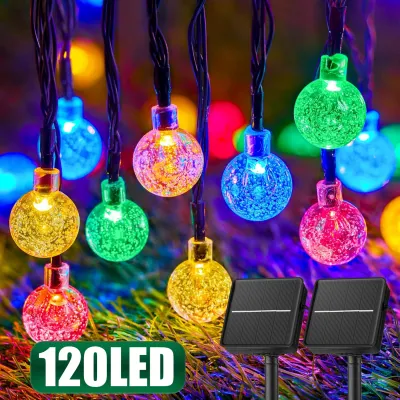
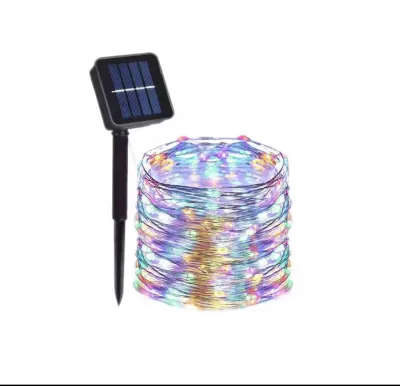
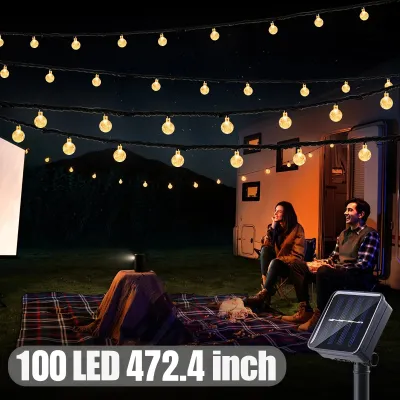
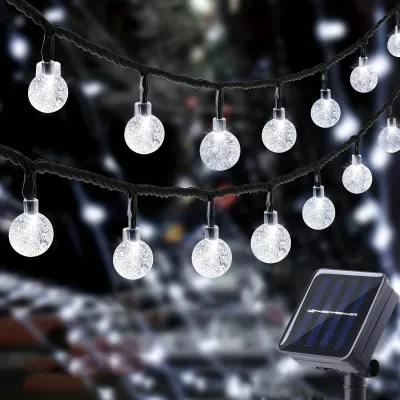
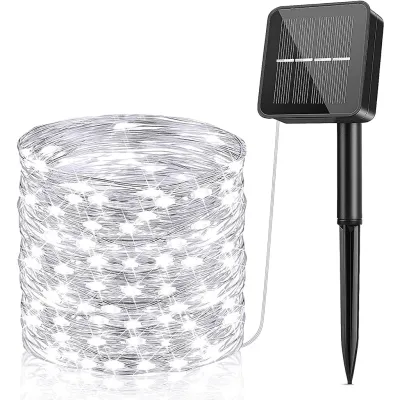
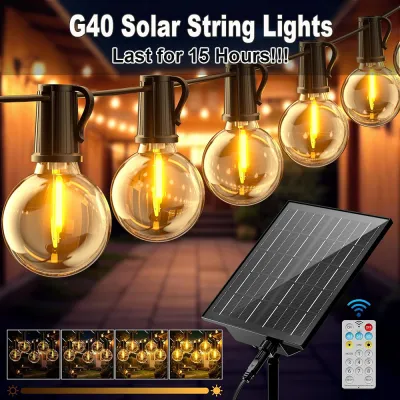
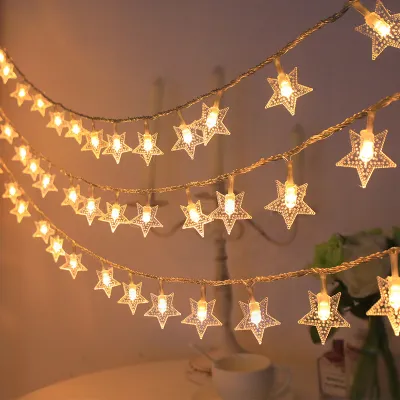
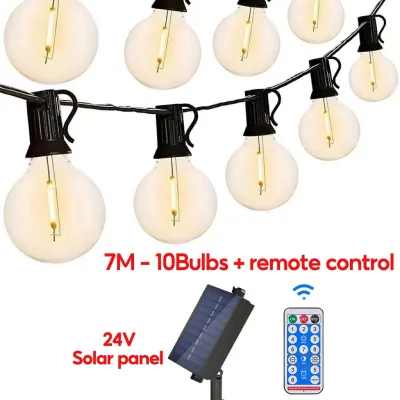
Prices are valid at publication and may change. Please refer to the product page for the latest price.
Always consult your condominium’s Property Management Office (PMO) guidelines before installing exterior fixtures. Many condo corporations enforce strict rules regarding building aesthetics and safety. Some properties prohibit hanging items over balcony railings due to the risk of falling objects during high winds or typhoons, while others restrict modifications visible from the street. Reviewing these rules beforehand prevents costly fines or the hassle of taking down your newly installed lights.
Planning the Light Layout for Indoor Ambiance
The way you arrange your string solar lights outdoor determines how effectively they enhance your indoor living space. For a living room, wrapping the lights around the balcony railing creates a low-level horizontal glow that frames your view of the city skyline. If you are decorating a bedroom window, outlining the window frame with the lights creates a soft, warm border that mimics a cozy boutique hotel. Alternatively, draping the lights overhead across the balcony ceiling can create a starry-night effect, provided you have secure overhead anchor points.

When selecting your lights, pay close attention to the color temperature, measured in Kelvins (K). For a relaxing bedroom or living room ambiance, warm white lights (typically between 2200K and 2700K) are highly recommended. They emit a soft, golden glow that promotes relaxation and blends seamlessly with indoor lighting. Avoid cool white or daylight bulbs (5000K and above) for ambient purposes, as their stark, bluish light can feel clinical and disrupt your sleep cycle near a bedroom window.
To prevent uncomfortable glare, position the bulbs out of your direct line of sight when sitting on your sofa or lying in bed. Direct exposure to bare, bright LED bulbs can cause eye strain and ruin the relaxing atmosphere. You can mitigate this by hiding the bulbs behind the balcony railing structure, using frosted bulb covers, or choosing low-lumen fairy lights that emit a delicate, diffused glow. This balanced density ensures your outdoor lights serve as a gentle backdrop rather than a distracting spotlight.
Safe Installation and Mounting Methods
Safety and property preservation are paramount when installing outdoor fixtures on a condo balcony. Since drilling into exterior concrete walls, window frames, or glass is almost universally banned by condo associations—and can compromise waterproofing, leading to leaks during heavy rains—you must rely on damage-free mounting solutions. Heavy-duty, UV-resistant zip ties are excellent for securing wires to metal balcony railings. For glass windowsills or smooth tiled walls, outdoor-rated adhesive hooks or suction cups designed to withstand high humidity work exceptionally well. Tension rods placed within window recesses also offer a sturdy, non-permanent mounting option.
Before hanging your lights, check the product’s packaging or manual for its Ingress Protection (IP) rating. This rating indicates how well the fixture resists dust and water. For outdoor use in the tropical climate of the Philippines, look for lights with at least an IP44 rating, which protects against splashing water. If the lights will be completely exposed to heavy downpours on an open balcony, an IP65 or higher rating is recommended to ensure long-term durability and prevent electrical short circuits. Additionally, verify the product’s electrical certification, battery capacity, and voltage limits on the manufacturer’s label to ensure safe operation.
When installing lights near the edge of a high-rise balcony, prioritize personal safety. Avoid leaning over railings or working at dangerous heights, and consult a qualified professional if your installation requires accessing hard-to-reach exterior structures. Proper cable management is also crucial to prevent accidents and damage. Loose, dangling wires can easily catch on sliding balcony doors or window frames, leading to frayed insulation or broken connections. Use cable clips or adhesive mounts to keep all wires flush against walls or frames. Ensure there is enough slack near doors and windows so they can open and close fully without pinching the cables. Keeping wires neat also eliminates tripping hazards on small balconies and prevents strong winds from whipping the cables against the glass.
Maintenance and Weather Adjustments
Tropical environments can quickly coat outdoor fixtures in dust, pollen, and soot from urban traffic. A dirty solar panel cannot absorb sunlight efficiently, leading to shorter run times and dimmer lights at night. To maintain peak performance, gently wipe the solar panel surface with a damp microfiber cloth every few weeks. Avoid using harsh chemical cleaners or abrasive scrubbers that could scratch the protective cover and permanently reduce its light transmission.
As the earth rotates around the sun, the angle of sunlight hitting your balcony changes throughout the year. To maximize energy collection, periodically adjust the tilt of your solar panel. Angling the panel directly toward the midday sun will ensure the internal battery receives a full charge as the seasons shift.
The Philippines experiences severe weather, including intense monsoon seasons and powerful typhoons. High winds can easily tear lightweight string lights from their mounts, turning them into dangerous projectiles or damaging the delicate internal wiring. When a typhoon warning is issued, or during periods of sustained heavy rains, take down your solar panel and string lights and store them safely indoors. This simple preventive step extends the lifespan of your lights and protects your property and neighbors.
Frequently Asked Questions (FAQ)
Can I use outdoor solar string lights indoors if the panel is outside?
Yes, you can route the string lights indoors while keeping the solar panel mounted outside in the sun, provided the lead cable is thin enough to pass through your window or door frame. However, ensure the cable is not pinched or crushed when the window is closed, as this can damage the internal copper wires and compromise your window’s weather seal. Additionally, keep the indoor portion of the lights away from highly flammable materials such as lightweight curtains, blinds, or delicate fabrics to prevent any potential heat-related hazards.
How do I prevent the string lights from blowing away in strong winds?
To secure your lights against strong winds, increase the number of attachment points along the entire length of the string. Instead of securing the wire only at the ends, place a zip tie or outdoor adhesive hook every 30 to 50 centimeters to minimize swaying and wind drag. Always use weather-resistant, outdoor-rated fasteners like nylon zip ties rather than standard indoor tape or weak adhesives, which quickly degrade under tropical heat and humidity. Finally, ensure the main wire has a small amount of slack; a string pulled too tight is more likely to snap or pull its mounts out of the wall when buffeted by high-altitude winds.

Community discussion
Share your experience or ask a question. Comments are reviewed before publication.