
Placing a wall mirror strategically is one of the most effective, non-invasive ways to make a compact living space feel twice its actual size. By manipulating light and sightlines, a well-positioned mirror tricks the brain into perceiving depth where a solid wall exists. In compact urban homes, such as high-rise condominiums or cozy townhouses, space is often at a premium, and natural light can be limited by neighboring structures. A wall mirror acts as an extra window, reflecting both light and movement to break up the visual confinement of tight quarters.
To achieve this spacious illusion, you must look beyond simple aesthetics and treat the mirror as an architectural tool. The goal is not just to hang a decorative piece, but to create a seamless transition that draws the eye forward. When positioned with intention, a mirror can brighten dark corners, elongate narrow passages, and make low ceilings feel loftier. Achieving these results requires a clear understanding of your room’s layout, light sources, and daily traffic patterns.
Assess Your Room's Light and Layout
Before mounting any hardware, take a detailed inventory of your room’s existing layout and lighting conditions. Walk through the space at different times of the day to observe how natural light enters and where shadows naturally fall. In tropical climates, daylight can transition from intense morning brightness to deep afternoon shadows, making it crucial to identify where light pools and where it fails to reach. Note the positions of your primary artificial light sources, such as ceiling panels, track lighting, or warm floor lamps, as these will play a major role in your mirror placement strategy once the sun sets.
Products mentioned in this guide
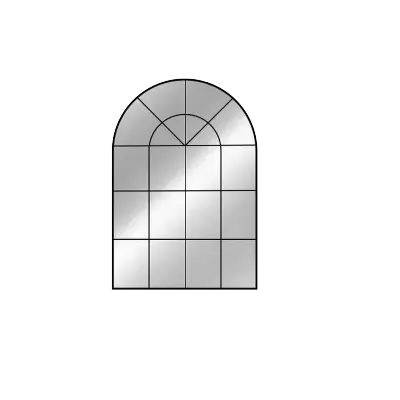
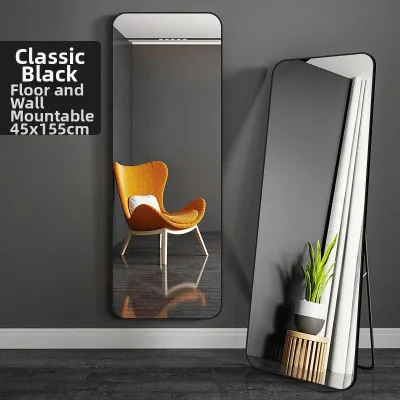
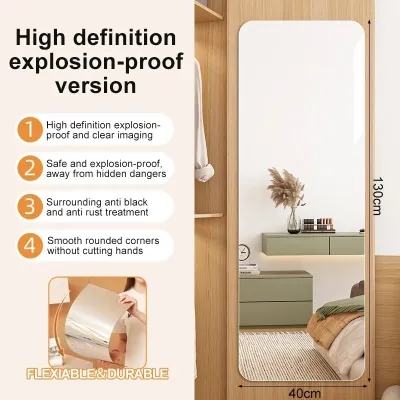
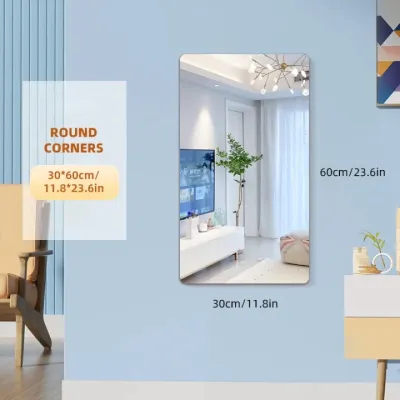
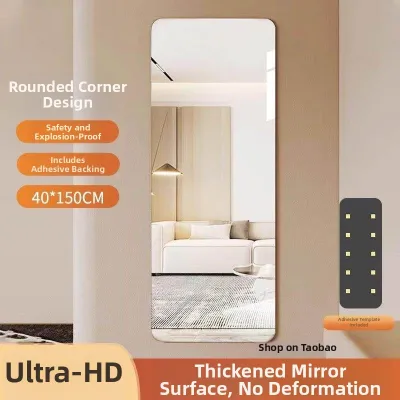
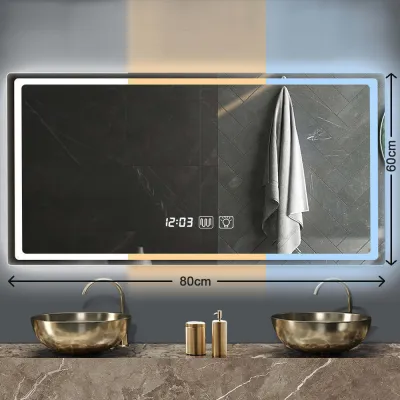
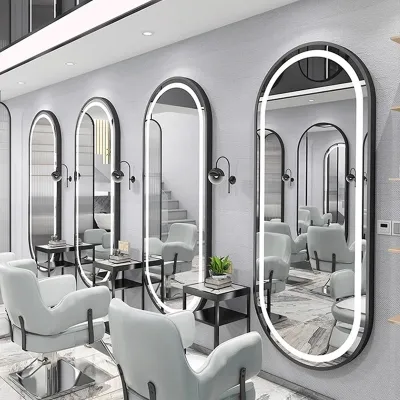
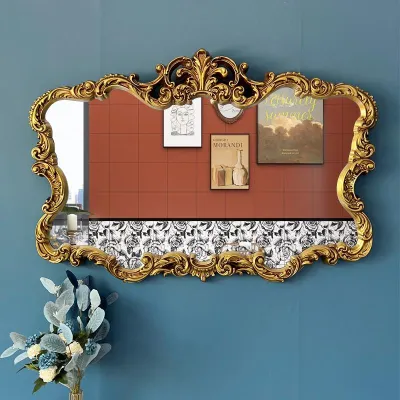
Prices are valid at publication and may change. Please refer to the product page for the latest price.
Next, map out the room’s physical flow and existing focal points. Identify the main pieces of furniture, such as the sofa, dining set, or bed, and observe how people move around them. Look for the primary visual bottleneck—the specific wall, low ceiling, or tight corner that immediately makes the room feel enclosed when you step inside. For many small homes, this bottleneck is a blank wall directly opposite the entrance or a narrow hallway that leads to the bedrooms. By pinpointing these restrictive zones, you can determine exactly where a reflective surface will do the most work to open up the environment.
Best Wall Mirror Placements for Expanding Space
The magic of a wall mirror lies in basic optical physics: it captures light and projects it back into the room, effectively doubling the visual distance the eye can travel. When you look at a mirror, your brain registers the reflected space as an extension of the actual room, breaking the physical boundary of the wall. To maximize this effect, you must align the mirror with elements that enhance depth rather than highlight confinement.

Different placement strategies address different spatial challenges. For instance, a mirror placed to bounce light serves a completely different purpose than one positioned to elongate a narrow corridor. By understanding how light and angles interact, you can choose a placement strategy that directly counters your room’s specific architectural limitations.
Opposite a Window or Light Source
Positioning a wall mirror directly across from a window is the classic method for maximizing brightness. This placement captures incoming daylight and bounces it deep into the interior, illuminating dark corners that would otherwise require artificial lighting. In compact living rooms, this simple bounce can make the entire space feel airy and open, mimicking the presence of an additional window on an opposite wall.
However, the key to success is adjusting the angle and position to reflect something pleasant. If your window faces a beautiful balcony garden, lush tropical foliage, or an open sky, the mirror will bring those outdoor elements inside, creating a refreshing connection to nature. Conversely, if the window looks out onto a plain concrete wall or utility area, you may want to angle the mirror slightly so it reflects a bright interior wall or a well-decorated corner instead.
Be mindful of potential glare during peak daylight hours. In regions with intense tropical sun, a mirror placed directly opposite a west-facing window can create blinding reflections in the late afternoon. To prevent this, test the placement by temporarily propping the mirror in place and observing the reflection at different times of day, ensuring it brightens the room without causing discomfort to anyone sitting nearby.
Behind Furniture or Focal Points
Placing a large wall mirror behind major furniture pieces is an excellent way to create a layered, multi-dimensional look. When you position a mirror behind a sofa, a low console table, or a bed headboard, you effectively push the visual boundary of the room backward. The furniture appears to float in a larger space rather than being pressed flat against a solid wall, which instantly relieves the cramped feeling common in small bedrooms and living areas.
For this technique to work, the reflected image must be highly intentional and tidy. If a mirror behind your sofa reflects a cluttered kitchen counter or an open laundry area, it will double the visual noise and make the room feel more chaotic rather than larger. Aim to reflect clean lines, organized shelving, or a simple accent wall to maintain a sense of calm and order.
Scale is also critical when pairing a mirror with furniture. A tiny mirror floating high above a massive sofa will look disconnected and emphasize the room’s awkward proportions. Instead, choose a mirror that spans at least two-thirds of the width of the furniture piece below it. This creates a balanced, cohesive unit that feels like a deliberate architectural feature rather than an afterthought.
In Narrow Hallways or Corners
Narrow hallways, entryways, and tight corners often feel rigid, dark, and claustrophobic. You can break up these tight boundaries by placing a tall, vertical wall mirror at the end of a hallway. This placement visually extends the corridor, making it feel like the path continues onward rather than ending abruptly at a blank wall.
In awkward corners, an angled mirror can soften sharp architectural edges and make the room feel more fluid. By reflecting light across two different planes, a corner-mounted mirror blurs the physical limits of the walls, making it harder for the eye to define where the room actually ends. This technique is particularly useful in compact dining areas or small study nooks.
However, you must be careful to avoid creating a disorienting “tunnel effect.” If you place large mirrors directly opposite each other on narrow parallel walls, the endless reflections can become confusing and visually overwhelming. Keep placements offset, and ensure the mirror does not immediately reflect high-traffic clutter, such as shoe racks or coat hooks near the entrance, which can make the entryway feel instantly disorganized.
Choosing the Right Mirror Size and Shape
Selecting the perfect wall mirror requires a careful balance of size, shape, and framing to complement your room’s existing proportions. As a general rule for small spaces, bigger is almost always better. A single, large statement mirror creates a much stronger illusion of depth than a collection of smaller mirrors. While a gallery wall of small mirrors can be decorative, the multiple frames break up the reflection, which can make a small wall look busy and fragmented.
When matching mirror dimensions to your wall, consider the surrounding architectural lines. If you have low ceilings, a tall, vertical rectangular mirror will draw the eye upward, creating the illusion of height. If your room is narrow but has decent ceiling height, a wide horizontal mirror can stretch the walls outward, making the room feel broader. Ensure the mirror’s frame does not overwhelm the space; thick, heavy wooden frames can feel bulky and visually shrink the wall. Instead, opt for thin metal frames, light-colored wood, or even frameless designs that blend seamlessly into the wall surface.
The shape of the mirror also influences how the room’s volume is perceived. Round and oval mirrors are excellent for softening the sharp, boxy angles common in modern condo units and apartments. They introduce organic curves that break up the rigidity of square furniture and straight walls. On the other hand, square and rectangular mirrors offer a clean, structured look that aligns perfectly with minimalist or contemporary decor, acting almost like a clean window frame that opens up a view into an adjacent space.
Installation and Safety Checks for Wall Mirrors
Hanging a wall mirror securely is a critical step that requires careful planning, especially when dealing with heavy glass in a small, high-traffic home. The first step is to identify your wall material. In many urban homes, walls are constructed from solid concrete or masonry, which requires a hammer drill, masonry drill bits, and sturdy plastic wall plugs (commonly known as tox) to hold screws securely. If you are mounting on drywall or gypsum board partitions, you must use specialized toggle bolts or hollow-wall anchors, or ideally, screw directly into the wooden or metal studs behind the wall.
Never guess the weight of your mirror or the capacity of your hardware. Use a scale to weigh the mirror, and check the packaging of your anchors and brackets to ensure they are rated for at least double that weight. For heavy or oversized mirrors, avoid using simple hanging wire, which can stretch over time and cause the mirror to tilt forward. Instead, opt for heavy-duty D-rings, French cleats, or flush-mount brackets that keep the mirror flat and stable against the wall.
Given the high humidity levels typical of tropical environments, it is also important to consider material durability. Moisture can seep behind the mirror, causing the silver backing to degrade or “black edge” over time. Ensure your bathroom or kitchen mirrors are specifically rated for damp environments, and use rust-resistant stainless steel or brass screws for all installations. If you are dealing with an exceptionally heavy, floor-to-ceiling, or complex mirrored panel setup, do not hesitate to hire a qualified local professional to handle the drilling and mounting safely. Once installed, double-check that the mirror is perfectly level and does not wobble when the door closes or when there is foot traffic nearby.
Common Placement Mistakes to Avoid
While mirrors are fantastic tools for expanding space, poor placement can easily backfire, making a small room feel chaotic, dark, or disorienting. One of the most common mistakes is reflecting clutter. A mirror does not distinguish between beautiful decor and daily mess; if it is positioned directly opposite a busy kitchen counter, a pile of laundry, or exposed electrical cords, it will simply double that clutter in your visual field. Always stand exactly where the mirror will hang and look at what lies directly opposite to ensure the reflected view is clean and organized.
Another frequent error is hanging the mirror too high. Many homeowners instinctively hang mirrors so the top edge is near the ceiling, which disconnects the mirror from the rest of the room’s furniture and visual flow. As a general rule, the center of a wall mirror should hang at eye level—roughly 57 to 60 inches (about 145 to 152 centimeters) from the floor. If the mirror is placed above a piece of furniture like a console table, leave a gap of about 4 to 8 inches between the bottom of the frame and the top of the furniture to keep the arrangement cohesive.
Using too many mirrors in a single small room is another trap to avoid. While the goal is to make the room feel larger, turning your living space into a hall of mirrors can cause visual confusion and physical disorientation. Guests may find it difficult to navigate the room if they are constantly confronted by their own reflections or if the boundaries of the walls become completely blurred. Stick to one or two strategic, high-impact mirror placements per room to maintain a comfortable, grounded atmosphere.
Finally, pay attention to how mirrors reflect doorways and pathways. A mirror placed directly at the end of a sharp turn or facing a bedroom door can startle people as they walk by, especially in low-light conditions. Ensure that reflections are predictable and do not disrupt the natural, relaxed movement of residents and guests throughout the home.
Frequently Asked Questions (FAQ)
How do I make a room look bigger with mirrors if there are no windows?
If your room lacks windows or natural light, you can still use wall mirrors to create a sense of depth and brightness by pairing them with artificial light sources. Position a large wall mirror directly behind or opposite a warm floor lamp, a pair of wall sconces, or a stylish pendant light. This setup allows the mirror to catch the artificial glow and scatter it across the room, softening harsh shadows and making the space feel much more open and inviting.
Another effective strategy is to use mirrors with built-in LED backlighting or to place a mirror adjacent to bright, well-lit artwork. The mirror will reflect the colors and light from the art, adding visual layers and a sense of dimension to an otherwise flat wall. You can also position the mirror to reflect light-colored walls, light wood furniture, or vibrant indoor plants. Reflecting greenery and bright surfaces tricks the brain into perceiving a lively, open environment, effectively compensating for the lack of an outdoor view.
Community discussion
Share your experience or ask a question. Comments are reviewed before publication.