
Hanging heavy Christmas decorations like a massive, glowing parol or an elaborate hanging wreath from your ceiling requires a systematic approach to structural safety. In the Philippines, where the festive “Ber” months bring vibrant, large-scale decorations into homes, ensuring these items are securely mounted is essential to prevent property damage or injury. The key to a secure installation lies in bypassing weak surface materials like gypsum board or thin plywood and anchoring directly into the solid structural framing of your home. By matching the weight of your decor to the correct mechanical fasteners and verifying the load-bearing capacity of your ceiling, you can enjoy a beautiful, worry-free holiday display.
Assess Your Ceiling Type and Weight Limits
Before purchasing any hardware or climbing a ladder, you must identify the material that makes up your ceiling. Residential ceilings in the Philippines generally fall into three categories: concrete slabs, drywall (gypsum board), or wood panels (such as plywood or tongue-and-groove planks). Concrete ceilings, highly common in modern condominiums and the ground floors of multi-story houses, offer immense structural strength but require specialized tools to penetrate. Drywall and plywood ceilings are suspended from a hidden framework of wooden joists or metal channels; these surface materials themselves cannot support heavy hanging loads and will tear or sag if subjected to concentrated weight.
To find a secure mounting point in a hollow ceiling, you must locate the underlying structural supports, known as joists or beams. For wooden framing, a reliable stud finder calibrated for your ceiling’s thickness is the most efficient tool. If a stud finder is unavailable, you can use the manual tapping method: gently tap the ceiling with your knuckle or the handle of a screwdriver along a straight line. A hollow, echoing sound indicates empty space behind the ceiling board, while a solid, dull thud signals the presence of a wooden joist. Once you locate a joist, tap slightly to the left and right to find its center, which is the strongest point for anchoring.
Products mentioned in this guide
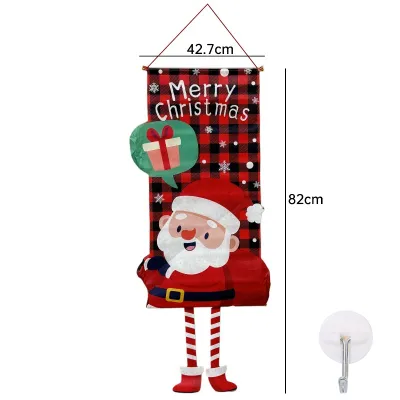



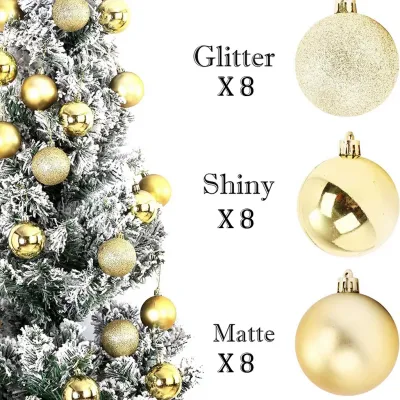

Prices are valid at publication and may change. Please refer to the product page for the latest price.
After identifying your mounting point, determine the exact weight of your decoration. Never estimate the weight of a large bamboo-and-glass parol, a heavy metal-framed light display, or a dense pine wreath. Use a standard luggage scale or a home scale to get an accurate measurement. Compare this weight against the structural capacity of your ceiling type. While a solid concrete ceiling or a thick wooden joist can easily support decorations weighing over 10 kilograms when paired with the correct hardware, standard drywall or thin plywood panels should never be used to support more than a couple of kilograms without direct attachment to the structural framing above.
Choose the Right Hardware for Heavy Decor
Selecting the appropriate hardware is the most critical step in preventing your holiday decorations from falling. The hardware must match both the weight of the decor and the specific material of your ceiling. For wooden joists, heavy-duty steel eye screws or lag eye bolts are the gold standard. These screws feature deep, coarse threads that grip the wood fibers tightly, providing a highly secure hold. For concrete ceilings, you must use masonry sleeve anchors or concrete screw anchors, which expand inside the drilled hole to lock themselves permanently into the concrete.

If you must hang a moderately heavy decoration from a hollow drywall ceiling where no joist is accessible, toggle bolts (also known as spring-wing toggle bolts) are the only acceptable option. When inserted through a pre-drilled hole, the spring-loaded wings of the toggle bolt expand behind the drywall, distributing the weight across a wider surface area. However, always check the weight capacity labels on the hardware packaging before installation. When selecting hooks and anchors, apply a strict safety margin: choose hardware rated for at least double the static weight of your decoration. This safety factor accounts for dynamic loads, such as drafts from open windows, vibrations from ceiling fans, or high humidity levels that can soften drywall over time.
Under no circumstances should you use temporary or inadequate solutions for heavy holiday decor. Adhesive hooks, double-sided mounting tape, standard nails, or lightweight picture wire are highly prone to failure under tension. The tropical climate and high humidity levels in the Philippines cause adhesive backings to degrade rapidly, meaning a hook that feels secure in October may suddenly release its grip in December. Heavy parols and large ornaments require mechanical fastening that physically locks into the ceiling structure, ensuring they remain secure throughout the entire holiday season.
Step-by-Step Installation Guide
Safely mounting heavy decorations at height requires preparation, the right tools, and a methodical approach. Begin by gathering all necessary equipment, including a sturdy A-frame ladder, a power drill with bits matching your hardware, safety goggles, a pencil, and a helper to stabilize the ladder and hand you tools. Position your ladder on a flat, dry, and non-slip floor surface. Never stand on the top two rungs of the ladder, and avoid overreaching; instead, move the ladder as needed to keep your body centered between the side rails.
Before drilling, isolate the power supply to the area. If you are working near existing ceiling light fixtures, ceiling fans, or suspected electrical conduits, turn off the main circuit breaker for that specific zone at your home’s breaker panel. Wear safety goggles to protect your eyes from falling plaster dust, wood shavings, or concrete debris. Mark your pre-determined mounting spot clearly with a pencil. If you are anchoring into a wooden joist, drill a pilot hole slightly smaller than the shank of your eye screw; this prevents the wood from splitting while allowing the threads to bite deeply. For concrete ceilings, use a masonry drill bit and a hammer drill to create a hole matching the exact depth and diameter specified by the anchor manufacturer, then clean out any dust from the hole before inserting the sleeve anchor.
Once the hole is prepared, install your hardware. Screw the eye bolt or lag screw into the wooden joist until the shoulder of the hook is completely flush with the ceiling surface. For concrete anchors, tap the sleeve anchor gently into the hole with a hammer, then tighten the nut or bolt to expand the sleeve securely against the concrete walls. Avoid over-tightening, which can strip the threads in wood or crack plasterboard.
With the hardware securely in place, you can prepare to hang your decoration. Use rated metal S-hooks, carabiners, or steel chains to connect the decoration to the ceiling hook. If you are hanging an illuminated parol, verify its electrical specifications before plugging it in. Ensure the voltage matches your home’s supply (typically 220V), confirm that any extension cords are rated for the total wattage of your display, and check that the product carries valid electrical safety certifications. Route the power cord neatly along the ceiling and down the wall using insulated cable clips, ensuring the cord is not pulled taut. Never allow the weight of the decoration to hang from or put tension on the electrical cord or plug.
Finally, perform a controlled weight test. Slowly lower the decoration while keeping your hands underneath it, allowing the ceiling hardware to gradually take the full load. Watch the mounting point closely for any signs of bending, sagging, or cracking sounds. Only release your grip fully once you are completely confident that the installation is stable and secure.
When to Stop and Call a Professional
While many holiday decorating projects are highly suitable for DIY, there are clear boundaries where safety risks escalate, requiring you to stop and consult a professional. If you encounter unexpected resistance while drilling—such as a hard metal plate or an unusually tough barrier—stop immediately. This resistance often indicates that your drill bit has run into a protective metal plate designed to shield electrical wiring or plumbing pipes hidden within the ceiling cavity. Forcing the drill through could result in severe electrical shock, localized power outages, or water damage.
You should also step back if the scale of the project exceeds standard residential capacities. If your holiday decoration is exceptionally heavy, such as a massive commercial-grade parol, a heavy wrought-iron holiday chandelier, or a complex multi-tiered hanging display, standard DIY anchors are insufficient. These installations often require structural modifications, such as adding wooden blocking between ceiling joists or installing heavy-duty threaded rods anchored deep into structural concrete slabs.
Additionally, any task involving fixed household wiring, installing new ceiling outlets to power your holiday lights, or mounting heavy suspended loads in damp outdoor areas like open verandas or carports should be handled by a qualified professional. A licensed electrician or a professional contractor can ensure that your electrical connections are safe, weatherproof, and compliant with local electrical codes, while also verifying that your ceiling can safely bear the load without risking structural failure.
Frequently Asked Questions (FAQ)
Can I hang a heavy parol on a drop ceiling?
Suspended drop ceilings, which consist of lightweight acoustic tiles supported by a metal T-bar grid, are not designed to bear heavy hanging loads. Attempting to hang a heavy parol or ornament directly from the metal grid or the tiles can cause the grid to warp, the tiles to break, and the entire ceiling structure to collapse. To safely display a heavy decoration in a room with a drop ceiling, you must bypass the suspended grid entirely. This is done by installing long eye bolts, threaded rods, or heavy-duty support wires directly into the true structural ceiling—such as the concrete slab or wooden beams—located above the drop ceiling grid, allowing the weight to be carried safely by the building’s frame.
How do I prevent the ceiling from cracking under the weight?
To prevent your ceiling from cracking under the weight of a heavy decoration, you must distribute the load properly and install your hardware with precision. For exceptionally heavy items, avoid relying on a single mounting point; instead, use a mounting plate or a wooden spreader bar secured across multiple ceiling joists to distribute the weight over a larger area. When installing anchors, ensure they are seated correctly and avoid over-tightening, which can crush drywall cores or fracture plaster. Finally, monitor the ceiling surface around the hardware during and after installation; if you notice early signs of stress, such as hairline cracks, paint flaking, or slight sagging, remove the decoration immediately to prevent further structural damage.

Community discussion
Share your experience or ask a question. Comments are reviewed before publication.