
Transforming a compact condo into a warm, inviting sanctuary often comes down to your choice of lighting. Standard overhead fixtures can feel clinical and harsh, especially in the evening when you want to unwind. Using string lights is a highly effective way to introduce soft, layered layers of light, and many homeowners look to heavy-duty outdoor holiday lights for their durability and bright glow. However, bringing these robust light strands inside requires a clear understanding of safety standards, installation techniques, and tropical maintenance.
Yes, you can safely use outdoor-rated Christmas lights to create cozy ambient lighting in your condo bedroom or living room. Because these lights are built to withstand rain and wind, they offer excellent durability, but they also come with specific material properties and electrical profiles that you must manage carefully indoors. By selecting the right bulb types, verifying safety certifications, and using damage-free mounting methods, you can enjoy a beautiful, warm atmosphere year-round without risking your security deposit or your safety.
Are Outdoor Christmas Lights Safe for Indoor Condo Use?
When shopping for christmas lights outdoor options to bring inside your condo, understanding the structural differences between indoor and outdoor models is essential. Outdoor-rated lights are engineered with thicker wire gauges, heavier insulation, and robust weatherproofing sealants to protect against moisture and dust. These features make them physically tougher than delicate indoor fairy lights, but they also mean the cables are heavier and less flexible, requiring sturdy mounting support.
Products mentioned in this guide
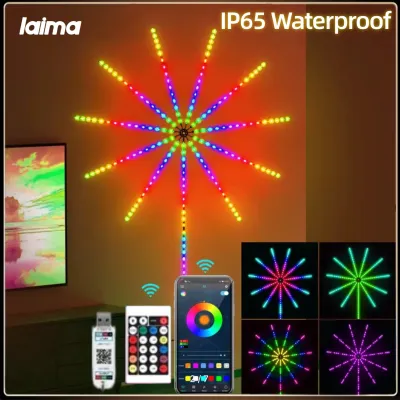
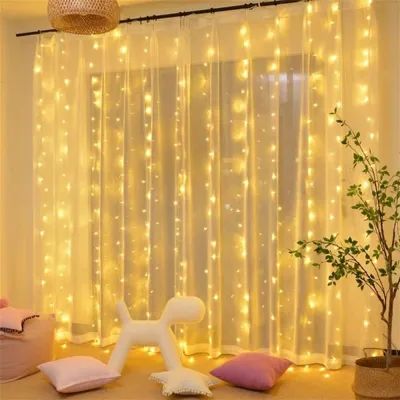
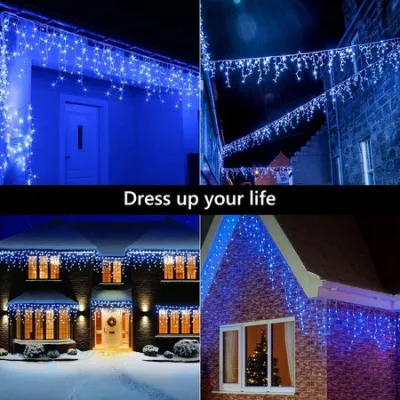
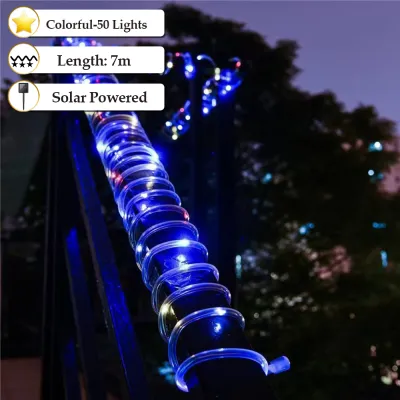
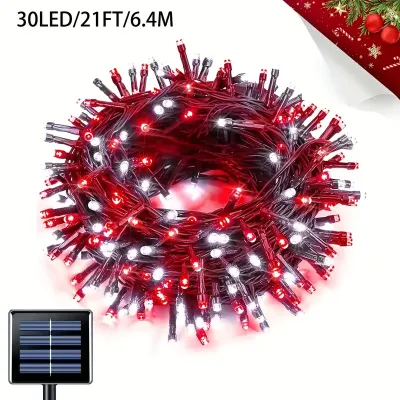
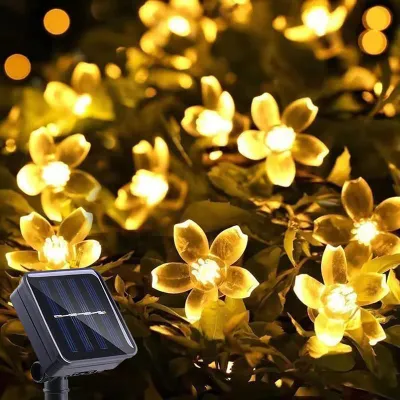
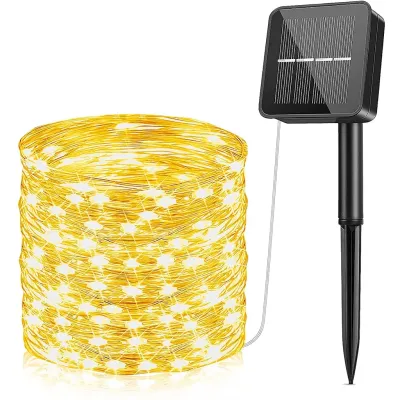
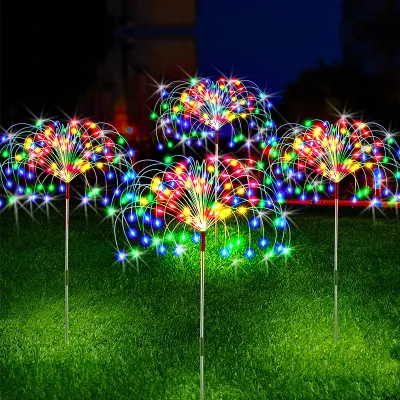
Prices are valid at publication and may change. Please refer to the product page for the latest price.
Before hanging any outdoor light strand in an enclosed space, you must verify its safety credentials. Look closely at the manufacturer’s label or tag near the plug to ensure it carries a dual “Indoor/Outdoor” rating. In the Philippines, always check for legitimate safety marks such as the Philippine Standard (PS) quality mark or the Import Commodity Clearance (ICC) sticker. Avoid using strictly outdoor-only, high-voltage commercial light strings—especially those lacking a step-down transformer—in small, unventilated indoor spaces, as they are not designed for close contact with household items.
Another critical factor is how outdoor waterproof coatings behave in a tropical indoor environment. Outdoor strands are typically coated in heavy-duty PVC or silicone sealants to keep moisture out. In Philippine condos, switching between cool air conditioning and warm, humid ambient air can cause these plasticizers to migrate over time. This chemical reaction often makes the cords feel sticky or greasy, causing them to attract household dust, pet hair, and fibers much faster than they would outdoors.
Finally, you must consider heat emission. Older incandescent outdoor lights generate substantial heat, which poses a serious fire hazard if they come into direct contact with curtains, bedsheets, or wooden headboards. Modern LED string lights, on the other hand, run exceptionally cool even after hours of continuous operation. For any indoor application where the lights will rest near fabrics or drywall, LEDs are the only safe and sensible choice.
Tools and Materials for Damage-Free Installation
Installing heavy-duty light strands in a rental or strictly managed condo requires a creative approach to mounting. You cannot simply nail or staple wires into the walls, as this can crack plaster, damage hidden electrical conduits in concrete walls, and result in steep fines from your condo administration. Instead, rely on temporary, damage-free hardware designed to hold weight without leaving a trace.

To secure your lights safely, gather the following condo-friendly materials:
- Clear adhesive hooks: Choose moisture-resistant adhesive hooks rated for the weight of your specific light strand. Clear hooks blend seamlessly into the background, keeping the focus on the lights.
- Curtain rod clips and tension rods: These are excellent for window frames or temporary setups, allowing you to hang lights without touching the paint at all.
- Reusable mounting putty: Best for securing lightweight wire paths or positioning individual bulbs along solid furniture.
- Clear wire clips and velcro ties: Essential for bundling excess cable neatly and routing wires along baseboards.
- A smart plug or mechanical timer: This allows you to schedule your ambient lighting to turn off automatically, preventing unnecessary power use and reducing wear on the LEDs.
Using these tools ensures that your cozy lighting setup remains stable and secure, and can be completely removed in minutes when it is time to move or redecorate.
Step-by-Step Guide to Styling and Installing Your Lights
Planning the Layout for Small Condo Spaces
Before mounting your lights, take time to design a layout that enhances your room without making it feel cluttered or visually chaotic. In compact condo bedrooms and living rooms, the goal is to highlight architectural lines or key furniture pieces. Try draping the lights gently over a wooden headboard, weaving them through a metal bed frame, or outlining a window frame to let the light reflect off the glass, which visually expands the room at night.
Layering your light sources is key to achieving a relaxing, high-end look. Opt for warm white lights with a color temperature between 2700K and 3000K, which closely mimics the soft glow of candlelight. Avoid harsh cool white tones (above 5000K) or flashing multicolor modes, as these can cause eye strain and make your living space feel like a temporary holiday display rather than a sophisticated, year-round home.
To prevent over-cluttering, measure the perimeter of your target area before purchasing or hanging your lights. Unroll the light strand completely on the floor and plug it in to test all the bulbs. This step ensures that every bulb works and helps you map out exactly how the cord will reach your power outlet without stretching or pulling.
Securing the Lights Without Damaging Walls
Once your layout is planned, prepare the mounting surfaces to ensure a long-lasting bond. Tropical humidity and urban dust can form a thin, invisible film on condo walls, which prevents adhesive strips from sticking properly. Clean the target areas thoroughly using a microfiber cloth dampened with 70% isopropyl rubbing alcohol, and let the surface dry completely before applying any hooks.
Apply the adhesive strip to your clear hook, press it firmly against the cleaned wall surface, and hold it in place for at least 30 seconds. To achieve maximum holding power, let the adhesive cure for at least one hour—or the time recommended by the manufacturer—before draping the light strand onto the hooks. Hanging the weight too early is the primary reason adhesive hooks fail.
When positioning the light strand, always leave a small amount of slack between each hook. Pulling the wire too taut puts constant tension on the adhesive backing, which can peel the paint right off the wall or damage the internal copper wiring of your light strand.
If you encounter a wall surface where the paint is already peeling, chalking, or is heavily textured (such as rough plaster or brick), stop the wall-mounting process immediately. Do not attempt to use adhesive hooks on these surfaces. Instead, pivot to freestanding alternatives: wrap your light strand around a tall floor lamp, weave it through the shelves of an open bookcase, or use a tension rod wedged securely inside a window frame.
Managing Power and Cables Safely
Keeping your power cables organized is just as important for safety as it is for aesthetics. Route the main power cord flat along your baseboards or tuck it securely behind heavy furniture using clear wire clips. Never run power cords under area rugs, carpets, or across high-traffic thresholds, as constant foot traffic can crush the protective insulation and create a hidden fire hazard.
Outdoor-rated light strands often rely on a bulky step-down transformer or power adapter near the plug. This adapter must be placed in a dry, open, and well-ventilated area of your condo. Never bury the transformer under pillows, blankets, or heavy curtains, as these materials block heat dissipation and can cause the adapter to overheat.
Finally, verify that the total wattage of your connected light strands does not exceed the maximum rating of your indoor extension cord, power strip, or smart plug. While LED string lights draw very little power, overloading a cheap or worn-out extension cord with multiple heavy-duty strands can lead to electrical failures.
Maintaining Outdoor Lights in a Tropical Indoor Environment
Because outdoor lights are designed to face the elements, they require specific care when adapted to the unique indoor conditions of a tropical climate. Dust accumulation is a common issue in urban condos. To clean your lights, always unplug them from the wall first. Gently wipe down the wire casing and the bulbs using a slightly damp microfiber cloth. Avoid using harsh chemical solvents, alcohol, or abrasive scrubbing pads, as these can degrade the protective PVC or silicone sealant on the wires.
Establish a quick monthly inspection routine to keep your setup safe and functional. Run your fingers along the wire casing to check for any sticky residue caused by humidity, and look closely for frayed insulation, exposed copper, loose bulb connections, or discoloration near the plug. If you notice any cracked plastic or exposed wires, unplug the strand immediately and replace it.
If you decide to take the lights down for a season, proper storage will significantly extend their lifespan. Unplug the strand, let it cool completely, and coil it loosely in a circular pattern about 12 inches in diameter to prevent the internal copper wires from kinking or breaking. Store the coiled lights in a breathable plastic bin, and toss in a few silica gel packets to absorb excess moisture and prevent mold growth while they are tucked away in your closet.
Frequently Asked Questions (FAQ)
Can I leave outdoor Christmas lights on all year round indoors?
Yes, high-quality LED string lights carrying a dual indoor/outdoor rating can be used year-round inside your condo. However, you should not leave them running continuously 24/7. To prolong their lifespan and ensure safety, use a smart plug or a mechanical timer to turn the lights off when you sleep or leave the condo, preventing unnecessary heat buildup and saving energy.
Do outdoor string lights consume a lot of electricity?
Modern LED outdoor string lights are exceptionally energy-efficient, typically drawing only 5 to 15 watts per strand. Running an LED strand for five hours an evening adds a negligible amount to your monthly electricity bill. In contrast, older incandescent string lights consume up to ten times more electricity and generate substantial heat, making them much more expensive and less safe to run as daily ambient lighting.
Community discussion
Share your experience or ask a question. Comments are reviewed before publication.