
Balcony spaces in Philippine condominiums offer a valuable breath of fresh air and a personal outdoor sanctuary, but they are constantly exposed to intense tropical sunlight, high humidity, and sudden torrential downpours. Finding a balcony curtain that can withstand these harsh environmental elements without fading, tearing, or growing mold can feel like an endless cycle of trial and error. To select a truly weather-resistant balcony curtain, you must look beyond generic fabric names and verify specific manufacturer specifications for UV protection, water repellency, and mold resistance, while ensuring the mounting hardware and installation comply with both your building’s condominium regulations and local wind conditions.
Taking the time to evaluate these factors before making a purchase prevents the frustration of ruined fabrics and damaged hardware. A well-chosen outdoor curtain not only enhances your privacy and shades your living space but also acts as a durable shield against the unpredictable tropical weather. By focusing on verifiable material traits and secure installation methods, you can transform your balcony into a functional, year-round extension of your home.
What fabric labels and specifications indicate true weather resistance?
True weather resistance is determined by verifiable manufacturer certifications and material specifications rather than marketing buzzwords. When shopping for balcony curtains, you should look for fabric labels that explicitly state UV protection ratings, water-repellent or waterproof ratings, and antimicrobial treatments. Relying solely on a product being labeled “outdoor” can lead to premature wear, as many basic outdoor fabrics are only designed for light shade and dry climates.
Products mentioned in this guide
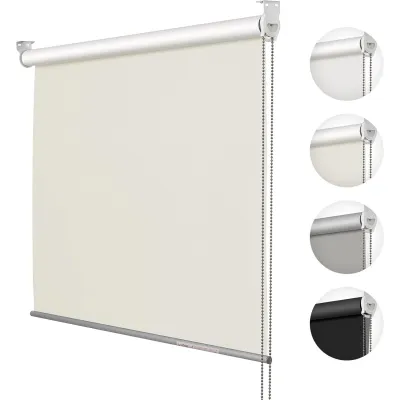
33 Lazada user ratings
malambot yon pinakatubo lumulundo sa gitna ang dami pa butas
🎨Design:good 🔧Material:good 🛡️Safety:good 📏Size:good
Packaging needs improvement.
Highly recommended
the good quality
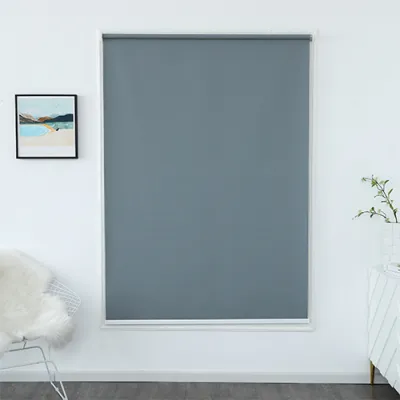
12 Lazada user ratings
Well packaged. What you see is what you get. Super fastest and safe delivery. Hindi pa lang nailalagay pero pretty na. Thanks seller.
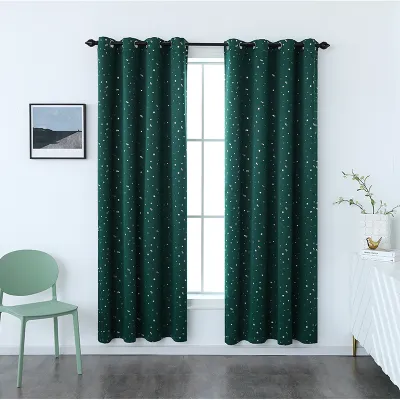
22 Lazada user ratings
Blocks sunlight effectively, Modern star print design, 7-day standard delivery, Suitable for bedroom and living room, Suitable for bedroom a…Read full reviewShow less
Blocks sunlight effectively, Modern star print design, 7-day standard delivery, Suitable for bedroom and living room, Suitable for bedroom and living room,
Blocks sunlight effectively, Suitable for bedroom and living room,
🎨Design:nice 🔧Material:good quality 🛡️Safety:good 📏Size:true size
thank you mag order ulit ako
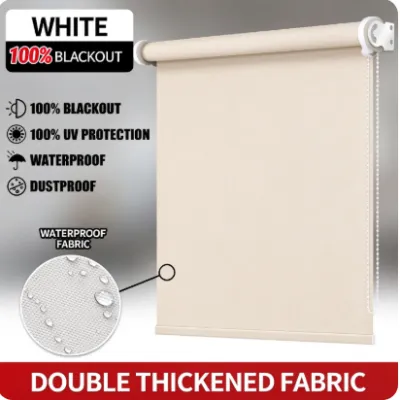
Prices are valid at publication and may change. Please refer to the product page for the latest price.
To protect your balcony from the intense tropical sun, check the manufacturer’s specifications for UV resistance and colorfastness. Look for fabrics that specify a high Ultraviolet Protection Factor (UPF) or a guaranteed number of hours of fade resistance under direct sunlight. Solution-dyed fabrics, such as solution-dyed acrylic or solution-dyed polyester, are highly recommended because the pigment is added during the fiber creation process rather than printed on top. This ensures the color penetrates the entire thread, allowing the curtain to retain its original hue despite years of exposure to harsh solar radiation.
Understanding the practical difference between water-repellent and waterproof certifications is crucial when preparing for heavy rain. Water-repellent fabrics are treated with a coating that causes water to bead up and roll off the surface, which is ideal for maintaining airflow and allowing the fabric to dry quickly after a light shower. Waterproof fabrics, often coated with polyurethane or polyvinyl chloride (PVC), block water completely but are much stiffer and restrict airflow. For most high-rise balconies, a high-quality water-repellent fabric is preferred because it prevents water from soaking through during typical rains while still allowing wind to pass through, reducing the physical strain on your mounting system.
High humidity levels make mold and mildew a constant threat to outdoor textiles. When reviewing care labels, look for explicit mentions of antimicrobial or mildew-resistant finishes. These chemical treatments prevent fungal spores from taking root in the fabric fibers, which is especially important if the curtains remain damp for extended periods during the monsoon season. Without these protective treatments, organic dust and moisture will quickly combine to create unsightly black spots that are incredibly difficult to clean.
Finally, evaluate the fabric weight and weave density as observable indicators of physical durability. Fabric weight is typically measured in grams per square meter (GSM). A higher GSM indicates a thicker, denser weave that can better withstand the physical wear of flapping in the wind and rubbing against balcony railings. However, heavier fabrics also absorb more water if they are not fully waterproof, which significantly increases the load on your curtain rods and mounting brackets.
How do condo regulations and balcony layouts restrict your curtain options?
Before purchasing any outdoor curtain, you must verify your condominium’s homeowners’ association (HOA) guidelines and measure your balcony’s physical boundaries to avoid costly fines or safety hazards. Many property management offices enforce strict rules regarding exterior aesthetics, structural modifications, and safety. What works perfectly for a standalone house may be completely prohibited in a high-rise residential building.

Reviewing your HOA or property management rules regarding permitted exterior colors, patterns, and drilling is the essential first step. To maintain a uniform building facade, many condominiums restrict balcony curtains to specific neutral colors, such as white, beige, or light grey. Additionally, many buildings strictly prohibit drilling into exterior walls, ceilings, or structural columns to preserve the building’s structural integrity and waterproofing membranes. If drilling is banned, you will need to explore non-invasive mounting alternatives, such as heavy-duty tension systems or specialized clamps, provided they are permitted under your building’s safety guidelines.
Accurate measurement of your balcony dimensions is critical to ensure the curtains do not obstruct essential building systems or neighbor sightlines. When measuring the height, ensure the curtain hem hangs at least a few inches above the balcony floor. Curtains that drag on the ground will block drainage ports, trap pooling rainwater, and accumulate dirt, leading to rapid fabric degradation and potential flooding on your balcony. Furthermore, ensure the width of the curtains does not block emergency exit paths or infringe upon the privacy and views of your immediate neighbors.
Checking structural weight limits for balcony ceilings or walls is another vital safety check, especially if you plan to use heavy-duty tracks or dense fabrics. When outdoor curtains become wet from heavy rain, their weight can double or triple. If your mounting surface is made of lightweight soffit panels rather than solid concrete, it may not be able to support the combined weight of wet fabric and wind tension. Always verify the load-bearing capacity of your mounting surface before installing heavy hardware.
Lastly, assess local wind flow patterns around your building. High-rise balconies often experience accelerated wind speeds due to aerodynamic effects around tall structures. Loose, unsecured fabrics can easily blow into adjacent units, wrap around light fixtures, or obstruct common areas. If your balcony is located on a high floor or in a wind corridor, you must choose a curtain layout that allows the fabric to be tightly secured or easily retracted and tied back when not in use.
Which hardware and mounting methods secure curtains against strong winds?
Securing balcony curtains against strong winds requires heavy-duty, rust-resistant hardware and a mounting system designed to distribute physical tension evenly. Standard indoor tension rods and lightweight plastic brackets will quickly fail under tropical wind loads, risking damage to your property and creating a falling hazard for those below. Choosing the right mounting method is just as important as selecting the fabric itself.
Comparing the structural stability of ceiling-mounted tracks versus tension rods or standard wall brackets reveals significant differences in wind resistance. Ceiling-mounted tracks made of metal offer the most secure anchor point because they distribute the weight and pulling force of the curtain along a continuous line. Wall brackets can also be highly secure if they are anchored deep into solid concrete with expansion bolts. Tension rods should generally be avoided on open, high-rise balconies, as they rely solely on friction and can easily collapse during sudden wind gusts.
Outdoor hardware must be highly resistant to rust and corrosion due to constant exposure to rain and high humidity. When selecting tracks, rods, brackets, and screws, check the product specifications for marine-grade stainless steel (such as 304 or 316 grade) or powder-coated aluminum. Standard steel or iron hardware will quickly rust, leading to structural failure of the mounts and leaving permanent, unsightly orange rust stains on both your balcony walls and your expensive curtains.
To prevent your curtains from whipping violently in the wind, you must plan for physical tie-downs, bottom weights, or bungee cords. Many outdoor curtains feature grommets along the bottom hem, allowing you to secure them to deck anchors or the balcony railing using elastic bungee cords. Alternatively, you can insert heavy-duty plastic or stainless steel weights into the bottom hem of the curtain. These weights keep the fabric hanging straight during light breezes while the elastic tie-downs allow for some flexibility during stronger gusts, reducing the immediate shock load on the mounting brackets.
Drilling into concrete balcony ceilings or load-bearing structures involves working at heights and risks damaging hidden electrical conduits or structural post-tension cables. If your installation requires drilling into the building’s concrete structure, always stop DIY efforts and consult a qualified professional installer. A professional can ensure the anchors are rated for the specific wind loads of your building’s height and that the installation complies with all local engineering and safety standards.
How do you properly maintain and store balcony curtains during severe weather?
Maintaining the longevity of your balcony curtains in a humid, tropical climate requires a proactive routine of regular cleaning and timely storage before severe weather events. Even the most durable outdoor fabrics will degrade prematurely if left exposed to extreme typhoons or allowed to accumulate organic debris. Establishing a simple care routine will protect your investment and keep your balcony looking pristine.
Always read and follow the manufacturer’s care labels for specific washing, drying, and ironing instructions. Many high-performance outdoor fabrics are treated with specialized water-repellent and UV-resistant coatings that can be stripped away by harsh household detergents, fabric softeners, or high heat. When cleaning is necessary, use a mild, biodegradable soap and cool water, and allow the curtains to air dry completely before hanging them back up.
Removing and storing your curtains safely indoors is essential when typhoons or severe monsoon rains are officially forecasted. No outdoor fabric or residential mounting hardware is designed to withstand the extreme wind forces of a tropical storm. Before the weather deteriorates, take the curtains down, fold them neatly, and store them in a dry indoor space. This simple step prevents the fabric from tearing, the hardware from bending, and the curtains from becoming dangerous flying debris.
Periodically inspect the mounting hardware, tracks, and fabric seams for early signs of wear, rust, or fraying. Check that all screws remain tightly anchored and that the curtain glides or rings move smoothly along the track. Addressing minor issues, such as a loose bracket or a small loose thread on a seam, prevents them from turning into major failures during the next heavy rain or wind event.
Finally, clean off accumulated dust, pollen, and organic debris regularly to prevent mold growth in high-humidity conditions. Dust that settles on damp fabric provides the perfect organic food source for mold and mildew spores. By gently rinsing the curtains with clean water from a hose or spray bottle every few weeks and brushing away loose dirt with a soft-bristled brush, you can keep the material clean, breathable, and free from unsightly stains.
Community discussion
Share your experience or ask a question. Comments are reviewed before publication.