
Selecting the right cherry blossom lights requires matching their physical design, environmental durability, and power specifications to the unique demands of your outdoor space. Gardens benefit from long, flexible, low-brightness strands that blend into foliage. Patios require medium-brightness, dimmable, or dense arrangements that provide functional yet cozy illumination. Event venues demand high-impact, durable, and expandable setups that can handle frequent handling and high electrical loads.
In tropical climates like the Philippines, where high humidity, sudden downpours, and intense heat are common, choosing the right specifications is not just about aesthetics—it is a critical safety decision. Understanding how to evaluate ingress protection, wire insulation, and electrical compatibility ensures your decorative lighting remains both beautiful and safe throughout the year.
Assessing Outdoor Environment and Electrical Requirements
Before purchasing decorative lighting, evaluate your outdoor area’s environmental conditions. Tropical weather brings heavy seasonal rains and high humidity that can degrade poorly insulated electrical components.
Products mentioned in this guide
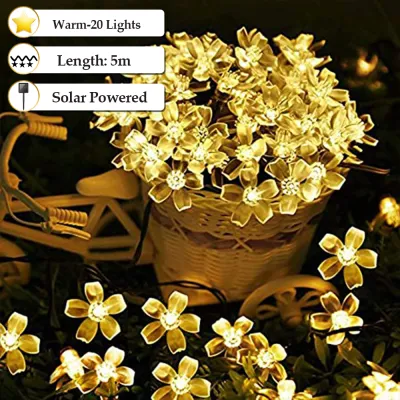
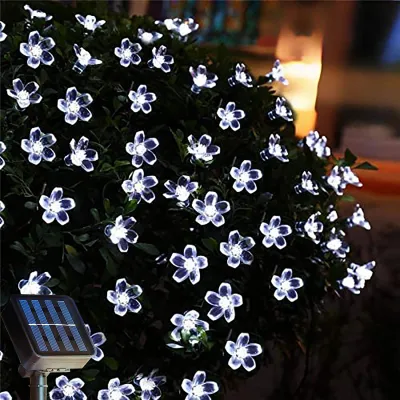
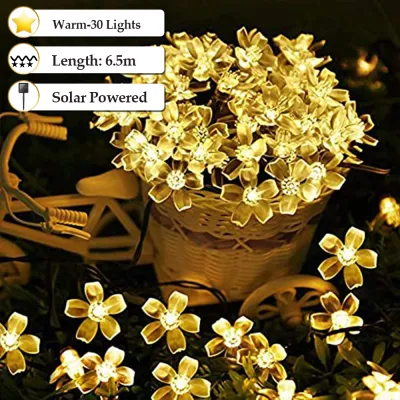
![[BUY 1 TAKE 1] Solar Flower Strings Lights Christmas Light Outdoor Waterproof Solar Fairy Lights 5M/7M Cherry Blossoms String Lights Solar Led String Lights For Outdoor Home Lawn Wedding Patio Party And Holiday Decorations In Phleo](https://img.lazcdn.com/g/p/888f620b08d7d041e6de709397172205.jpg_400x400q80.jpg_.webp)
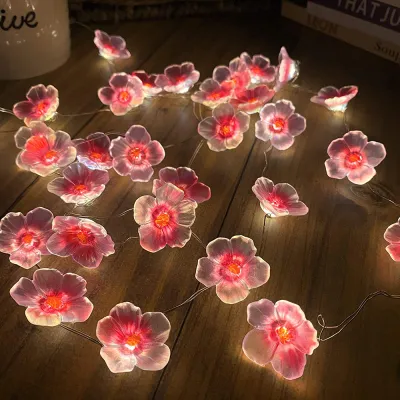
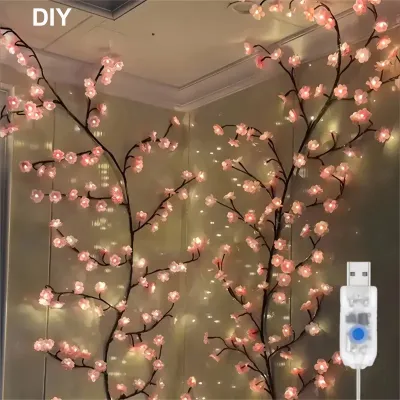
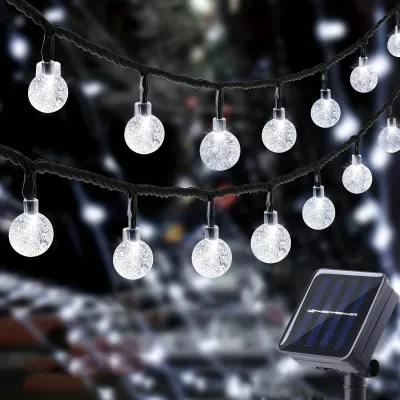
Prices are valid at publication and may change. Please refer to the product page for the latest price.
Determine your lights’ exposure level. Open gardens and pathways require systems that withstand direct rainfall, while semi-sheltered areas like covered patios still expose connections to high ambient moisture.
Check the Ingress Protection (IP) rating. For fully exposed areas, look for a minimum of IP65 to ensure dust-tight protection against water jets. For covered or semi-sheltered spaces, an IP44 rating is sufficient to handle multi-directional splashes.
Verify power source and voltage compatibility. Standard outlets in the Philippines operate at 220V; ensure the included transformer or plug adapter matches this rating. Using a 110V-only product without a step-down transformer will damage the lights and pose a fire hazard. Additionally, use outdoor outlets equipped with a Ground Fault Circuit Interrupter (GFCI) to automatically cut power if moisture causes a leak.
Finally, measure your space. To estimate wire length for wrapping tree trunks or draping branches, use a piece of non-stretch string to mimic the path, then measure the string. This prevents buying short strands that lead to awkward stretching and wire strain.
Matching Cherry Blossom Light Styles to Specific Spaces
Different outdoor spaces serve distinct purposes, meaning a single lighting style will not fit every scenario. The density of the LED blossoms, the color temperature, and how the strands are mounted must align with the spatial function to create a balanced and inviting atmosphere.

Gardens and Landscaping
Garden lighting should highlight natural features subtly. For wrapping trees, outlining pathways, or accenting garden beds, prioritize flexible, lower-brightness warm white or pastel-toned LEDs that create a gentle, organic glow.
Choose longer, continuous strands with wider spacing between the cherry blossom shapes. This allows the lights to drape naturally over branches and spread across larger areas without creating dense, distracting clusters.
Select dark green or brown wires that blend with tree bark and foliage during the day, keeping the focus entirely on the lighting effect at night.
Patios and Dining Areas
Patios and dining areas require a balance of ambient mood and practical visibility. Choose medium-brightness lights with adjustable or dimmable features to easily transition from dining to a relaxed evening atmosphere.
For these structured spaces, shorter, denser strands or curtain-style designs work well draped along pergolas, wrapped around pillars, or suspended under umbrellas. The higher density of blossoms provides a cozy, well-defined light source.
Ensure the unlit lead wire is long enough to reach your outdoor outlet without stretching. Avoid running cords across walkways; if a cord must cross a path, use a heavy-duty rubber cord protector to secure it flat.
Event Venues and Large Gatherings
Temporary installations for weddings or parties require high-impact, customizable lighting. Select high-brightness or color-changing (RGB) options with remote controls to match event themes and manage transitions.
When covering vast areas, calculate the total wattage and amperage before connecting multiple strands. Exceeding the manufacturer’s limit can overload the circuit, causing dimming or overheating. Distribute the load across multiple circuits for large displays.
Prioritize commercial-grade, heavy-duty wires (such as SPT-2) and shatterproof plastic blossoms. These materials withstand the physical stress of frequent setup, teardown, and transport.
Essential Specifications and Safety Checks Before Purchase
Verifying technical specifications on product packaging is crucial for safety. Never rely on vague marketing terms like “waterproof” without looking for concrete ratings.
Confirm the packaging explicitly states outdoor suitability. If you live in an area prone to severe tropical storms or coastal winds, investing in IP65 or IP66 rated lights provides essential protection against water intrusion and salt-air corrosion.
Look for recognized safety marks. In the Philippines, reputable electrical products carry the Philippine Product Safety (PS) mark or an Import Commodity Clearance (ICC) sticker. These certifications ensure the plug, wire insulation, and transformer have passed safety tests. Avoid unbranded imports lacking these markings.
Review the manufacturer’s limit for maximum connectable strands. Even if the connectors fit together, exceeding this limit can cause the wires to overheat, melt the insulation, and create a fire hazard.
Installation Boundaries and Maintenance Guidelines
Proper installation and maintenance extend the lifespan of outdoor lights and prevent electrical accidents.
Always unplug the power source before installing, adjusting, or removing light strands. Working on live wires on damp ground or wet foliage carries a high risk of shock.
Use outdoor-rated plastic clips, zip ties, or insulated hooks. Never use metal nails or staples, which can pierce the protective insulation over time, exposing live wires and creating short circuits.
Inspect your light strands before each seasonal use and after severe weather like typhoons. Check for fraying, cracked blossom covers, or exposed conductors, and discard damaged strands immediately.
Understand DIY boundaries. While hanging plug-in string lights is straightforward, permanent installations require professional expertise. If your project involves hardwiring, running underground conduit, or installing new GFCI outlets, consult a licensed electrician to ensure compliance with local electrical codes.
Frequently Asked Questions (FAQ)
Can I connect solar-powered cherry blossom lights with plug-in strands?
No, you cannot physically connect solar-powered cherry blossom lights with plug-in strands. Solar-powered lights operate on low-voltage direct current (DC) supplied by an integrated rechargeable battery, whereas plug-in strands run on alternating current (AC) from a mains outlet, often stepped down by a specific transformer. Attempting to splice these two systems together will damage the components and presents a severe electrical hazard. However, you can safely use both types in the same outdoor space to complement each other visually, provided their power systems remain completely separate and independent.
How do I store cherry blossom lights to prevent wire damage?
To prevent internal wire breakage and tangling, wrap the light strands loosely around a clean piece of cardboard, a plastic spool, or a dedicated light storage reel. Avoid wrapping them too tightly or creating sharp bends, which can kink and break the delicate copper conductors inside the insulation. Store the wrapped lights in a sturdy, sealed plastic container in a cool, dry indoor area. Keeping them away from direct sunlight, high humidity, and pests prevents the plastic cherry blossom shapes and the wire casing from becoming brittle, cracking, or degrading between uses.
Community discussion
Share your experience or ask a question. Comments are reviewed before publication.