
Enhancing your home’s exterior with modern LED outdoor wall lights requires a careful balance between contemporary design and rugged durability. Exterior fixtures are not merely decorative accents; they must serve as reliable, long-term investments that can withstand harsh environmental conditions while elevating your property’s architectural appeal. Selecting the right lighting involves understanding how different materials, safety ratings, and design profiles interact with your specific home environment.
In tropical climates, where intense sunlight, high humidity, and heavy seasonal downpours are common, choosing the wrong fixture can lead to premature electrical failure, faded finishes, or water damage. This guide provides a comprehensive evaluation framework to help you navigate the technical specifications, aesthetic choices, and safety requirements of modern outdoor wall lights. By focusing on verifiable product standards and structural compatibility, you can build a reliable shortlist of fixtures that will safely and beautifully illuminate your home’s exterior for years to come.
Key Features to Evaluate for Outdoor Durability and Safety
When selecting outdoor wall lights, your primary focus should be on the fixture’s ability to resist environmental moisture and dust. This resistance is measured by the Ingress Protection (IP) rating, a two-digit code found on the product label or specification sheet. The first digit indicates protection against solid particles like dust, while the second digit measures protection against liquids. For general outdoor wall mounting under a covered patio or eaves, an IP44 rating is typically sufficient to protect against splashing water. However, for fully exposed walls that face direct monsoon rains and wind-driven moisture, look for fixtures with an IP65 rating or higher to ensure a dust-tight seal and protection against water jets.
Products mentioned in this guide
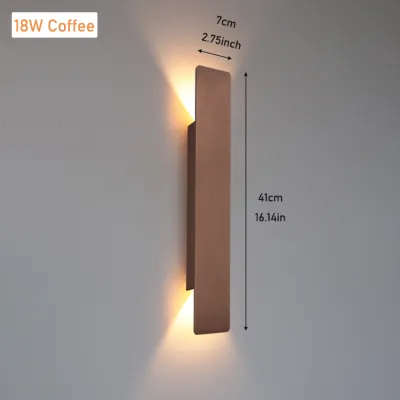
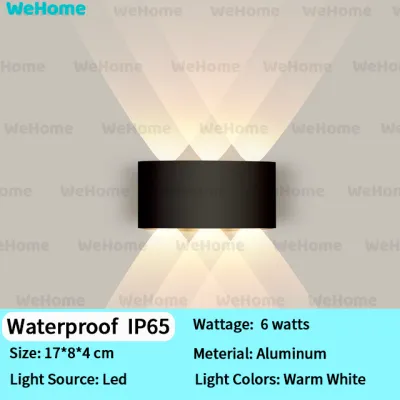
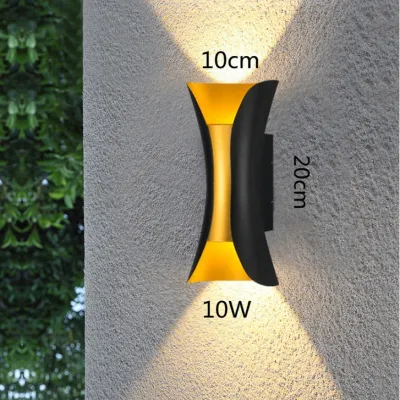
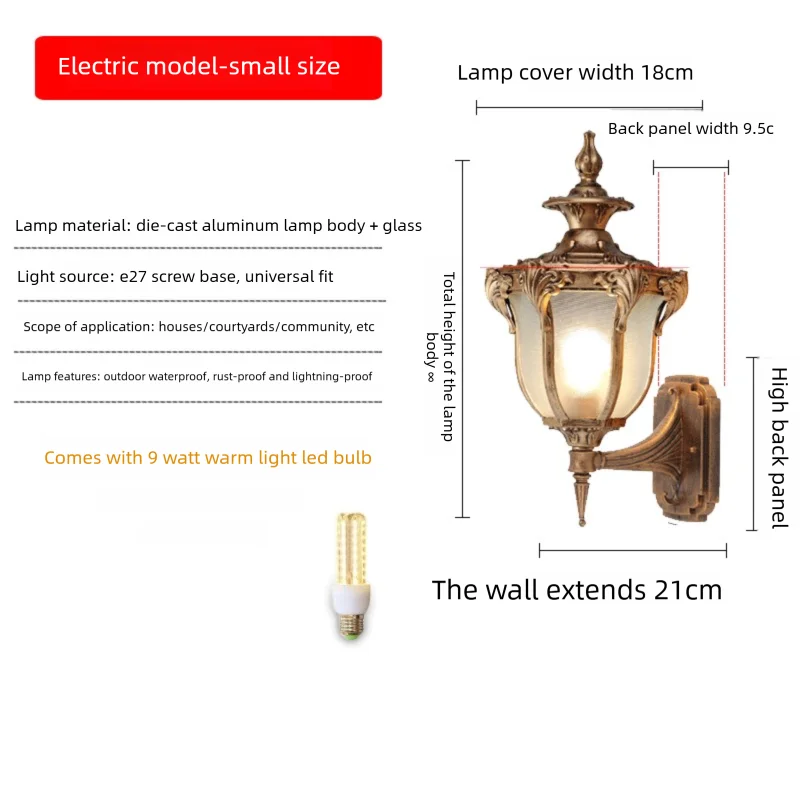
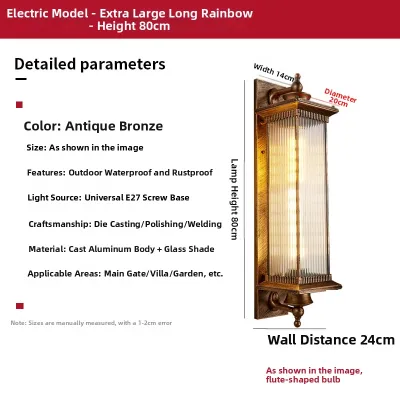
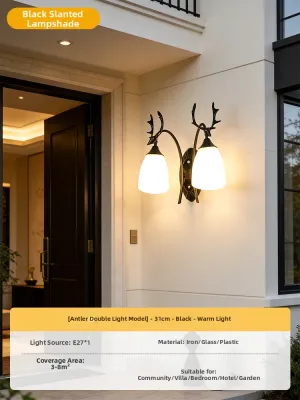
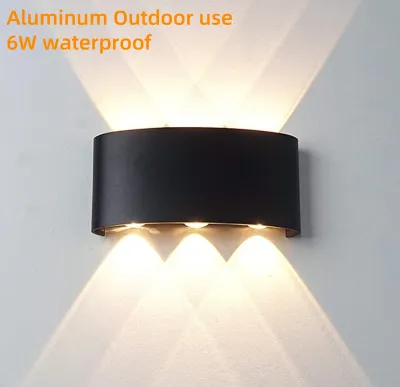
Prices are valid at publication and may change. Please refer to the product page for the latest price.
Electrical compatibility is another critical safety factor that must be verified before making a purchase. In the Philippines, the standard residential electrical supply operates at 220V to 240V at a frequency of 60Hz. You must check the product label of any prospective LED wall light to confirm it is rated for this specific voltage range. Importing fixtures designed solely for 110V systems without an appropriate transformer will cause immediate damage to the LED driver and pose a severe fire hazard. Additionally, verify the maximum wattage limits of your existing outdoor circuits to ensure that adding new fixtures will not overload your electrical panel.
The materials used in the construction of the fixture directly determine its lifespan under intense tropical sun and high humidity. Look for high-quality housing materials such as die-cast aluminum with a UV-stabilized powder coat, marine-grade stainless steel, or heavy-duty polycarbonate. Standard plastics will quickly degrade, discolor, and become brittle when exposed to constant ultraviolet radiation. If your property is located in a coastal area, salt-air corrosion is an accelerated threat; in these environments, specialized brass, copper, or high-grade composite materials are highly recommended to prevent rust and structural degradation.
While basic product specifications can guide your initial search, there are times when you must stop self-assessment and consult manufacturer guidelines. This is particularly true for specialized coastal installations, high-humidity zones near swimming pools, or areas prone to severe wind exposure. Manufacturers often provide specific installation instructions, sealing recommendations, and material limitations for these extreme environments. Adhering to these guidelines ensures that your warranty remains valid and that the fixtures operate safely under challenging local conditions.
Matching Modern Aesthetics with Your Exterior Architecture
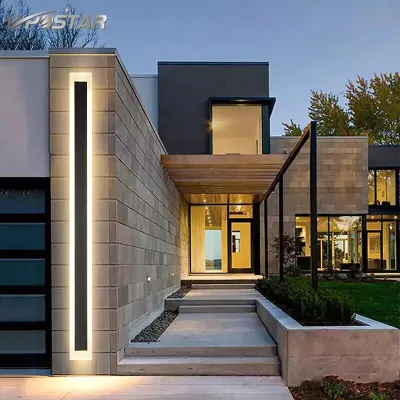
Modern architectural design emphasizes clean lines, minimalist forms, and functional elegance. When choosing LED outdoor wall lights, look for geometric shapes—such as sleek cylinders, sharp rectangular blocks, or slim linear profiles—that complement your home’s facade without creating visual clutter. A well-chosen fixture should blend seamlessly with the building’s materials, whether your exterior features smooth concrete, natural wood cladding, or textured stone. The goal is to select a design that looks integrated into the architecture during the day and provides dramatic, purposeful illumination at night.

Color temperature plays a pivotal role in establishing the nighttime ambiance of your property and highlighting its architectural textures. Color temperature is measured in Kelvin (K), with lower numbers representing warmer, yellow light and higher numbers representing cooler, blue-white light. For residential exteriors, a warm white light of 2700K to 3000K is generally preferred, as it creates an inviting, cozy atmosphere and enhances the natural warmth of wood and brick. Cool white light, ranging from 4000K to 5000K, offers a crisp, modern look that works well with ultra-contemporary concrete or steel facades, but it should be used sparingly to avoid a harsh, institutional feel.
Beam angles and light distribution patterns must also be carefully evaluated to achieve the desired visual effect while minimizing light pollution and glare. Up-and-down wall sconces are highly popular in modern design because they cast dramatic shafts of light both upward and downward, accentuating the height and texture of the wall while keeping the light source hidden from direct view. If you require functional path lighting or entryway illumination, look for fixtures with downward-directed beams or diffused lenses that spread light evenly across the ground. Avoid unshielded fixtures that emit light in all directions, as they can cause uncomfortable glare for residents and neighbors alike.
Finally, consider the physical dimensions and proportions of the fixture in relation to your wall space and entryway scale. A light that is too small will look lost on a large, expansive facade, while an oversized fixture can overwhelm a compact entryway. As a general rule of thumb, an outdoor wall light mounted next to an entrance door should be approximately one-quarter to one-third the height of the door frame. For expansive walls or long hallways, spacing multiple fixtures evenly can create a balanced, rhythmic visual pattern that guides the eye naturally along the architectural lines of your home.
Building Your Shortlist: Sourcing and Pre-Purchase Verification
To build a reliable shortlist of modern LED outdoor wall lights, you must source your fixtures from reputable channels. Authorized lighting showrooms, official brand stores, and verified sellers on established e-commerce platforms offer the best assurance of product authenticity and reliable warranty coverage. Purchasing from unverified online listings or informal marketplaces often exposes you to counterfeit goods, substandard materials, and fixtures that lack basic electrical safety certifications. A reliable warranty is essential for outdoor lighting, as environmental exposure can reveal manufacturing defects within the first few months of operation.
Before finalizing any purchase, cross-reference the product’s official specification sheets rather than relying solely on promotional marketing descriptions. Marketing copy often uses vague terms like “weatherproof” or “super bright” without providing the technical data to back up those claims. Look for explicit listings of lumen output, which measures the actual brightness of the light, and wattage, which indicates energy consumption. Ensure that the IP rating is clearly stated and matches the requirements of your installation site. If a seller cannot provide a detailed specification sheet or proof of electrical certification, it is best to remove that product from your shortlist.
When comparing prices, which are typically listed in ₱ for local retail options, look beyond the initial purchase cost to evaluate the long-term value of the fixture. A cheaper light made of low-grade plastic may save you money upfront, but the cost of replacing it after a single rainy season will quickly exceed the price of a high-quality, durable alternative. Factor in the energy efficiency of the integrated LED, the estimated lifespan of the driver, and the availability of local after-sales support. Investing in a slightly more expensive fixture with a robust warranty and proven material durability is almost always the more cost-effective choice over time.
Avoid any listings that lack clear electrical certifications from recognized testing bodies. In the Philippines, electrical products should ideally carry marks indicating compliance with national or international safety standards, such as the Philippine National Standards (PNS) or equivalent global certifications like CE or UL. These certifications guarantee that the fixture has undergone rigorous testing for electrical safety, thermal management, and fire resistance. Using uncertified fixtures poses a significant risk of short circuits, electrical fires, and premature system failure, making them entirely unsuitable for residential use.
Installation Considerations and Professional Boundaries
Working with exterior electrical installations requires strict adherence to safety protocols to prevent electrical shock, injury, or property damage. Before inspecting, maintaining, or replacing any existing outdoor wall light, you must mandate complete power isolation. Go to your home’s main electrical panel and switch off the circuit breaker dedicated to the outdoor lighting zone. Use a reliable, non-contact voltage tester at the fixture site to verify that the power is completely off before touching any wires. Never rely solely on the wall switch to isolate the power, as improper wiring could leave the circuit live even when the switch is in the off position.
Once safety is established, carefully review the manufacturer’s installation manual for specific mounting hardware requirements and structural load limits. Outdoor wall lights must be securely anchored to withstand wind loads and vibrations. Ensure that the mounting bracket is compatible with your junction box and that you use the correct screws and anchors for your specific wall material, whether it is concrete, brick, or wood. Applying a bead of outdoor-rated silicone sealant around the top and sides of the fixture’s mounting plate—while leaving the bottom open for drainage—is a critical step to prevent rainwater from seeping behind the fixture and into the electrical junction box.
Routing electrical cables through exterior walls presents unique hazards that require specialized knowledge and materials. Cables running through masonry, concrete, or insulated siding must be protected by appropriate weather-resistant conduits to prevent physical damage and moisture ingress. Standard indoor wiring is not rated for wet locations and will quickly degrade if exposed to moisture inside a wall cavity. Additionally, all wire connections must be made inside an approved, weatherproof junction box using waterproof wire nuts or silicone-filled connectors to prevent short circuits caused by humidity and condensation.
It is vital to establish a strict boundary between basic DIY tasks and those requiring professional expertise. While replacing an existing, identical fixture on a properly installed junction box is a manageable task for many homeowners, any modifications to fixed wiring require a licensed professional. If your installation involves running new electrical lines, upgrading your junction boxes, modifying your main electrical panel, or calculating complex circuit loads, you must halt the installation and hire a licensed electrician. Professional installation ensures compliance with the Philippine Electrical Code, guarantees structural safety, and protects your home insurance coverage.
Frequently Asked Questions (FAQ)
Can I install outdoor wall lights on wooden or vinyl siding?
Yes, you can install outdoor wall lights on wooden or vinyl siding, but it requires careful attention to structural support and weatherproofing. Siding materials are often flexible or thin, meaning they cannot support the weight of a heavy light fixture on their own. You must ensure there is solid wood backing or structural blocking behind the siding to anchor the junction box and fixture securely.
Additionally, you must use a weatherproof junction box designed for siding installations to maintain the integrity of your home’s moisture barrier. Proper clearances must be maintained between the fixture and combustible siding materials to prevent heat buildup, even when using low-heat LED fixtures. Because improper installation can lead to water leaks behind your siding or structural damage, consulting a professional carpenter or electrician is highly recommended to ensure a safe and watertight installation.
Do modern LED wall lights require a separate transformer?
Whether an LED wall light requires a separate transformer depends entirely on its design and operating voltage. Many modern LED outdoor wall lights are integrated fixtures designed for line-voltage systems, meaning they have built-in LED drivers that allow them to connect directly to your home’s standard 220V-240V electrical supply. These fixtures do not require an external transformer, making installation straightforward as they connect directly to standard household wiring.
Conversely, low-voltage LED systems, which typically operate on 12V or 24V, do require a separate step-down transformer to convert the household voltage to the lower level. You must always check the product label and specification sheet to verify the input voltage range before connecting any fixture to the power supply. Attempting to connect a low-voltage fixture directly to mains power will destroy the LED components instantly, while attempting to bypass or modify an integrated driver voids the warranty and creates a severe electrical hazard.
Community discussion
Share your experience or ask a question. Comments are reviewed before publication.