
To choose the best solar lights with power bank for a Philippine garden, you must match light output, battery capacity, and physical design to the specific demands of each garden zone. Pathways require wide, low-glare beams for safety; patios need warm, accessible charging hubs; and decorative zones benefit from adjustable spotlights. Because these fixtures double as backup power sources during tropical storms and power outages, selecting units with high ingress protection (IP) ratings and robust weatherproofing is essential for long-term outdoor performance.
Understanding Solar Lights With Power Bank for Outdoor Use
These hybrid devices serve a double purpose in your outdoor space, capturing solar energy during the day to power integrated LED bulbs at night while housing an internal battery reservoir that can charge external devices like mobile phones or small USB fans. This dual capability makes them highly practical additions to modern gardens, acting as both everyday landscape illumination and emergency power reserves during unexpected grid outages.
It is important to distinguish between the energy required for illumination and the power needed to charge external devices. A light’s brightness is measured in lumens, which dictates how well it lights up a space, whereas a power bank’s capacity is measured in milliampere-hours (mAh). A fixture might provide brilliant light but have a small battery capacity that only offers a partial phone charge, or vice versa. Balancing these two specifications depends entirely on your primary goal for each garden zone.
Products mentioned in this guide
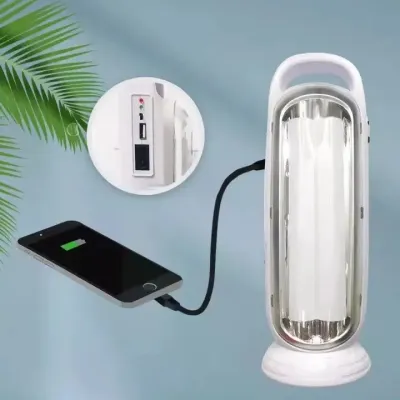
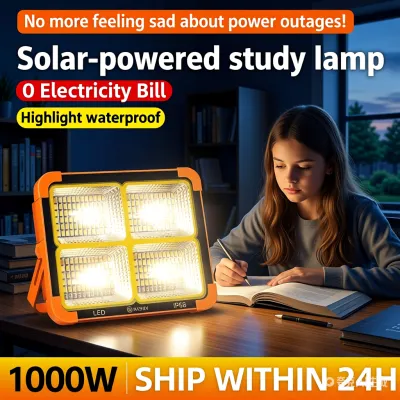
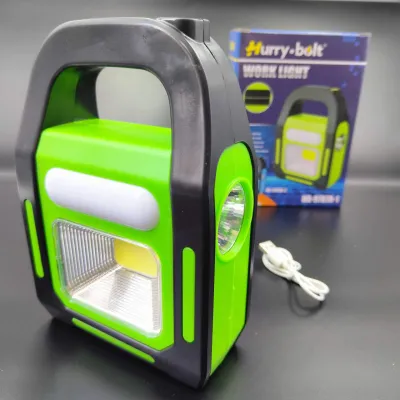
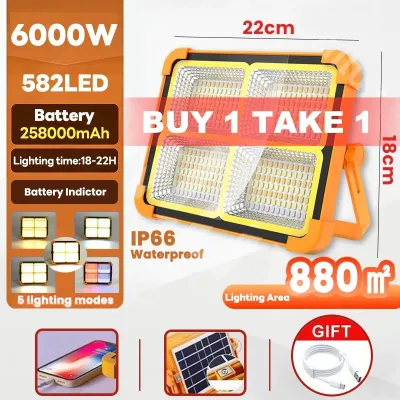
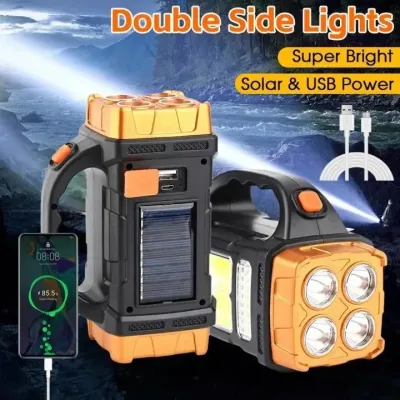
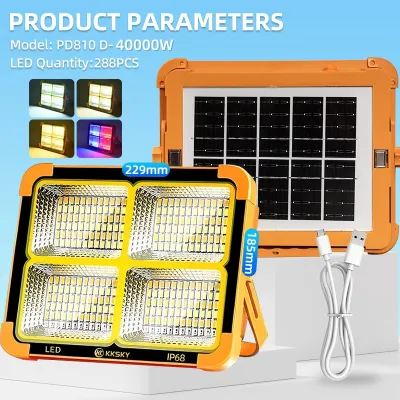
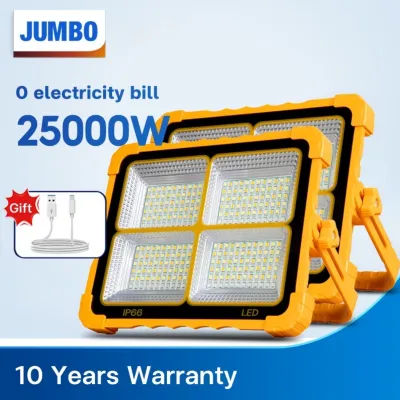
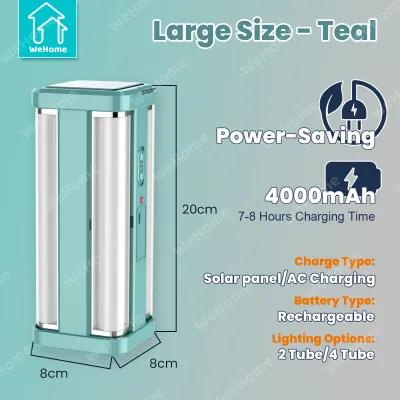
Prices are valid at publication and may change. Please refer to the product page for the latest price.
When evaluating manufacturer labels, look closely at the battery capacity and output ratings. A standard smartphone typically requires a power bank with at least 3,000 to 5,000 mAh to achieve a full charge. If you intend to use the fixture frequently as a charging station, prioritize models with larger battery capacities, such as 10,000 mAh or more. Additionally, check the output port rating; a 5V/2A port will charge devices significantly faster than an older 5V/1A port.
Outdoor electrical components face harsh environmental stressors, particularly in tropical climates characterized by intense heat, high humidity, and heavy seasonal rainfall. Verifying the Ingress Protection (IP) rating is non-negotiable; look for fixtures with at least an IP65 rating, which indicates protection against dust ingress and low-pressure water jets from any direction. Furthermore, inspect the physical design of the charging ports to ensure they feature thick, tight-fitting rubber or silicone port covers that seal out moisture and debris when not in use.
Matching Light Types to Specific Garden Zones
Pathways and Driveways
Pathways and driveways require consistent, low-level illumination to ensure safe navigation at night. For these areas, look for solar lights that deliver between 100 and 300 lumens. A wide beam angle, typically around 120 degrees, is ideal because it spreads light evenly across the walking surface rather than creating a narrow, blinding spotlight. This wide distribution helps prevent harsh shadows and ensures steps or obstacles remain clearly visible.

Proper spacing is crucial to creating a cohesive lighting path. Space path lights based on their light spread, ensuring the edge of one light beam gently meets the next to avoid dark spots or excessive glare. You can choose between stake-mounted lights, which are easy to push directly into garden soil, and low-level wall-mounted fixtures, which offer a cleaner look along fences or concrete borders while keeping charging ports elevated away from ground-level moisture.
Patios and Seating Areas
Patios and outdoor dining areas are social spaces where comfort and ambiance are the primary goals. For these zones, warm white light (around 2700K to 3000K) is highly recommended. Warm tones mimic traditional incandescent bulbs, creating a cozy, inviting atmosphere that encourages relaxation. Cool white light (5000K or higher) can feel clinical and harsh in a social setting, though it remains useful for task-oriented areas like outdoor kitchens.
Because patios are where you are most likely to sit and use the power bank feature, fixture placement must balance accessibility with weather protection. Tabletop solar lanterns or post-mounted lights are excellent choices here. Position these fixtures within arm’s reach of seating, ensuring you can easily plug in a charging cable without stretching. To maintain a comfortable social environment, opt for fixtures with frosted diffusers or shaded tops that soften the light output and prevent glare.
Decorative and Accent Zones
Decorative zones allow you to highlight the natural beauty of your garden’s landscaping, such as mature trees, water features, or architectural stone walls. Solar spotlights are perfect for uplighting trees or casting dramatic shadows against walls. Conversely, solar-powered string lights can be draped through pergolas or along fences to add a whimsical, festive glow to the entire garden perimeter.
When selecting accent lights, versatility is key. Look for spotlights with fully adjustable heads and separate solar panels, allowing you to position the light in a shaded area while mounting the panel in a sunny spot nearby. To minimize light pollution and preserve the night sky, avoid pointing high-powered lights directly upward. Instead, use downlighting techniques or keep uplights tightly focused on specific structural elements to contain the illumination within your garden boundaries.
Key Specifications to Check Before Buying
The performance of your solar light depends heavily on the efficiency of its solar panel. Monocrystalline solar panels are generally the most efficient option, converting sunlight into electricity at a higher rate than polycrystalline panels, especially in overcast or slightly shaded conditions. Consider whether an integrated panel (built directly into the light fixture) or a separate panel (connected by a cable) fits your space. Separate panels offer greater flexibility, allowing you to place the panel in maximum sunlight while keeping the light itself in the shade.
The internal battery is the heart of both the lighting and charging functions. Lithium-ion (Li-ion) and Lithium Iron Phosphate (LiFePO4) batteries are the industry standards for high-performance solar lights. LiFePO4 batteries generally offer a longer overall lifecycle, enduring more charge-discharge cycles before their capacity begins to degrade. Check if the battery is user-replaceable; fixtures with sealed, non-replaceable batteries must be discarded entirely once the battery dies, whereas replaceable units extend the lifetime of your investment.
Verify the Ingress Protection (IP) rating and charging port durability before purchasing. For general garden use, an IP65 rating is the standard benchmark, but low-lying areas prone to temporary flooding during heavy tropical rains require an IP67 rating. Examine the physical build of the charging interface, prioritizing modern USB-C ports with thick, tight-fitting rubber flaps. A loose or flimsy cover will easily let in humidity, dust, and insects, leading to corrosion and premature failure of the internal circuitry.
Installation and Maintenance for Longevity
To get the most out of your solar lights, proper installation and regular maintenance are key. In the Philippines, solar panels should ideally face south to capture the maximum amount of sunlight throughout the year, positioned away from the shadow of overhanging trees or roof eaves. Wipe the panels down once a month with a soft, damp microfiber cloth to remove dust, pollen, and mold caused by high humidity, which can block sunlight and reduce charging efficiency.
Most solar lights with power banks are designed for straightforward, tool-free DIY installation. However, if your landscape plan involves mounting heavy fixtures at significant heights, installing complex wiring systems for separate solar arrays, or integrating solar components with existing mains-powered outdoor lighting, safety must come first. Always isolate any existing electrical power before working near active lines, follow the manufacturer’s installation instructions precisely, and consult a qualified professional electrician for any complex or high-altitude installations.
Frequently Asked Questions (FAQ)
Can I use the power bank feature while the light is charging during the day?
Whether you can charge a device while the solar panel is actively receiving sunlight depends on the fixture’s internal circuitry. This feature, known as pass-through charging, is supported by some models but omitted in others to protect the battery. Even if supported, simultaneous charging and discharging generates additional heat, which can accelerate battery degradation in hot tropical climates. For optimal battery longevity, it is best to let the fixture charge fully during the day and use the power bank feature in the evening or during emergencies.
What should I do if the power bank stops holding a charge?
If your fixture’s power bank stops holding a charge, begin with basic physical troubleshooting. Inspect the charging ports for dirt, lint, or signs of corrosion, and clean them gently with a dry cotton swab. Ensure the solar panel is clean and has been exposed to direct, unobstructed sunlight for at least two full days. If the issue persists, check if the battery is user-replaceable; if the unit is completely sealed, do not attempt to force it open, as this can compromise its weatherproofing or damage the battery. Instead, dispose of the unit safely at an electronic waste recycling facility.
Community discussion
Share your experience or ask a question. Comments are reviewed before publication.