
Transforming a compact condominium bedroom into a warm, relaxing sanctuary relies heavily on how you layer your lighting. In a limited layout, harsh overhead fixtures can make the room feel clinical and highlight spatial constraints. Selecting the right string lights allows you to introduce a soft, diffused glow that softens sharp corners, draws the eye to key design features, and establishes a restful atmosphere. By focusing on color temperature, power source placement, and safe mounting techniques, you can maximize both the visual appeal and the safety of your small space.
Assessing Your Small Bedroom Space and Lighting Goals
Before purchasing any lighting accessories, take a close look at the physical dimensions of your bedroom. In a typical urban condo, wall space and floor area are at a premium. Start by measuring the exact areas where you plan to drape or hang the lights, such as the perimeter of your headboard, the frame of a window, or a specific section of the wall. Knowing these dimensions prevents you from buying a strand that is either too short to complete your design or so long that it bunches up on the floor, creating both visual clutter and a physical hazard.
Next, identify the primary function of the lights in your overall room design. Are you looking for a subtle background glow to complement your main light source, a focused accent for late-night reading, or a primary ambient light source for winding down in the evening? If you want a reading accent, you will need a setup that offers slightly higher localized brightness. For a pure background glow, a softer, lower-lumen option is more appropriate.
Products mentioned in this guide
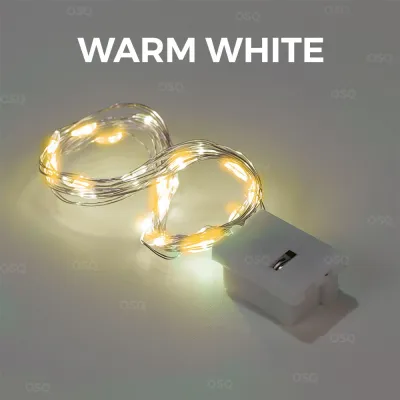
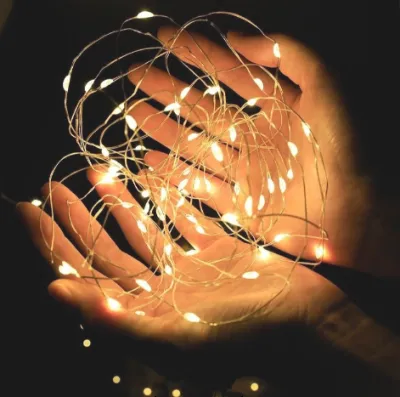
Prices are valid at publication and may change. Please refer to the product page for the latest price.
Finally, evaluate your existing furniture layout and identify potential obstacles. Consider the placement of your wardrobe, bedside tables, and curtains. In compact rooms, string lights hung too close to high-traffic paths or wardrobe doors can easily get snagged. Ensuring there is a clear path between the light strand and your furniture helps maintain a clean, unobstructed look while keeping the installation safe and functional.
Matching Light Features to Your Cozy Ambiance Goals
Achieving a cozy atmosphere depends heavily on selecting the correct color temperature. When browsing options, look closely at the product packaging for the Kelvin rating. For a warm, inviting glow that mimics candlelight, look for lights rated between 2200K and 2700K. Avoid cool white options, which typically range from 4000K to 6000K; these cooler tones can feel sterile and overly bright in a small, enclosed bedroom. Warm light helps signal to your body that it is time to rest, making it the ideal choice for evening relaxation.

Brightness control is another critical factor in a compact space. Because the light source will be physically close to your bed, standard single-intensity string lights might feel too intense. Look for products that feature adjustable brightness settings or are explicitly labeled as dimmer-compatible. Having the ability to lower the intensity allows you to transition the room from a softly lit space for reading to a very low, gentle glow perfect for watching a movie or preparing for sleep.
The physical design of the wire and bulbs also plays a major role in your room’s aesthetic. Copper or silver wire fairy lights are incredibly thin and flexible, making them almost invisible when turned off. This is excellent for minimalist or modern condo decors where you want the light to appear as if it is floating. On the other hand, thicker, fabric-wrapped cords or classic globe-shaped bulbs offer a more vintage, tactile look that can serve as a design statement even during the day. Choose a style that complements your existing bedding, wall color, and furniture textures.
Choosing Power Sources for Compact Condo Layouts
Condo bedrooms often have a limited number of electrical outlets, which makes your choice of power source highly consequential. Plug-in string lights offer consistent brightness and do not require battery replacements, but they tie you to the location of your wall outlets. If your bed is positioned far from an outlet, you might find yourself stretching cords across the room. USB-powered lights offer excellent flexibility, as they can run off a standard wall adapter or a portable power bank hidden neatly behind your headboard. Battery-operated options are highly portable and ideal for temporary setups, though they may dim over time as the batteries drain.
Managing your cords is essential for maintaining a clean look and preventing accidents in a small room. Plan your routing carefully, keeping cords flush against walls or tucked neatly behind furniture. Avoid running wires under rugs or heavy furniture, as this can compress the insulation and create a fire hazard over time. Using small, adhesive-backed cord clips along the baseboards can keep your power lines taut, organized, and completely out of your walking path.
To make your setup even more convenient, look for string lights equipped with built-in timers or smart control compatibility. In a tight condo layout, reaching behind a bedside table or squeezing into a corner to unplug your lights every night can quickly become frustrating. A built-in timer that automatically shuts the lights off after a set number of hours, or a smart plug that connects to your phone, allows you to manage your ambient lighting effortlessly without ever having to squeeze into tight spaces.
Safe Installation and Damage-Free Mounting
Hanging decor in a condo—especially if you are renting—requires a careful approach to avoid damaging the walls or furniture. Before you begin, always check the manufacturer’s guidelines for weight limits and recommended mounting surfaces. Standard adhesive hooks and clips are highly effective for lightweight copper wire lights, but they must be rated for the weight of your specific light strand. Ensure the adhesive is compatible with your wall’s paint type and texture; some adhesives do not adhere well to highly textured plaster or matte paints, while others might strip delicate wallpaper.
In tropical climates like the Philippines, where humidity levels can fluctuate, standard adhesives can sometimes lose their grip over time. To prevent your lights from falling, clean the mounting surface thoroughly with rubbing alcohol and let it dry completely before applying any adhesive clips. Press the clip firmly against the wall for the duration recommended by the manufacturer, and wait the full suggested curing time before hanging the weight of the string lights.
Electrical safety must always be your top priority. Before plugging in your lights, inspect the packaging for recognized safety certification marks to ensure the product has undergone proper testing. Verify that the voltage matches your home’s electrical system, which is typically 220V. Never connect more light strands together than the manufacturer explicitly recommends, as daisy-chaining too many sets can overload the circuit and damage the wiring. If your installation involves complex ceiling mounting, working at significant heights, or modifying your condo’s fixed electrical wiring, stop immediately and consult a qualified professional to ensure the work is completed safely.
Routine Care and Safe Storage
Maintaining your string lights ensures they remain safe and beautiful for years to come. Periodically inspect the entire length of the wire and each individual bulb. Look closely for any signs of wear, such as fraying insulation, exposed copper, loose connections, or unusual heat buildup while the lights are turned on. If you notice any of these issues, or if the lights begin to flicker inconsistently, discontinue use immediately to prevent electrical hazards.
Dust can accumulate quickly on small bulbs and wires, dimming their glow. To clean your lights safely, always unplug them from the power source first. Use a dry, soft microfiber cloth to gently wipe away dust. Never use wet cloths, liquid cleaners, or abrasive materials, as moisture can seep into the bulb sockets or damage the protective wire casing.
When it is time to take down your lights or change your decor, proper storage is key to preventing internal wire damage. Avoid wrapping the strands tightly around your hand or elbow, as this can bend the delicate internal copper filaments and cause them to break. Instead, wind the lights loosely around a clean piece of cardboard or a dedicated plastic spool. Storing them in their original packaging or a sturdy, dry container protects them from dust, moisture, and tangling, ensuring they are ready to use the next time you want to refresh your space.
Frequently Asked Questions (FAQ)
Can I leave fairy string lights on all night in a small bedroom?
You should always consult the manufacturer’s product manual for specific guidelines regarding continuous run times and heat warnings. Unless the manufacturer explicitly states that the lights are rated for overnight, unattended use, it is safest to turn them off before you go to sleep. Utilizing a built-in timer or a smart plug is an excellent way to ensure the lights turn off automatically, reducing energy consumption and minimizing any potential safety risks in your bedroom.
How do I calculate the right length of string lights for my headboard?
To find the correct length, use a flexible measuring tape to trace the path you want the lights to follow. If you plan to wrap the lights around the perimeter of the headboard, measure the top and both sides, then add them together. If you prefer a draped or zigzag pattern, measure those paths and add a buffer of about 30 to 50 centimeters. This extra length ensures you have enough slack for natural draping and allows the power cord to reach the nearest outlet comfortably without being pulled taut.
Community discussion
Share your experience or ask a question. Comments are reviewed before publication.