
Bringing the warm, cozy glow of fairy lights into your condominium does not have to add a single ₱ to your monthly electricity bill. Setting up solar-powered string lights indoors is entirely possible, even if your unit has limited outdoor access or a small balcony. By strategically positioning the solar panel in the best available pocket of sunlight outside, routing the thin connecting wire through existing window seals, and arranging the lights inside, you can create a beautiful, eco-friendly ambiance.
This setup relies on utilizing the tropical sunlight available on your window sills or balcony railings while keeping the actual light display indoors. Because these systems are designed to operate independently of the main electrical grid, they offer a safe, low-voltage decorative option. To achieve a reliable setup, you must carefully plan the placement of the solar panel, protect your condo’s structural integrity during installation, and choose the right mounting accessories for your interior walls.
Assessing Sunlight and Placement Options for the Solar Panel
The success of your indoor solar lighting setup depends heavily on where you place the solar panel. In a high-rise condominium, sunlight access is often restricted by the building’s orientation, neighboring towers, or overhanging balconies. To maximize energy collection, observe your balcony or window areas throughout the day to identify which spot receives the most direct, unobstructed sunlight. A south-facing or west-facing orientation typically offers the most consistent exposure in the Philippines, helping the panel charge efficiently even during the rainy season.
Products mentioned in this guide
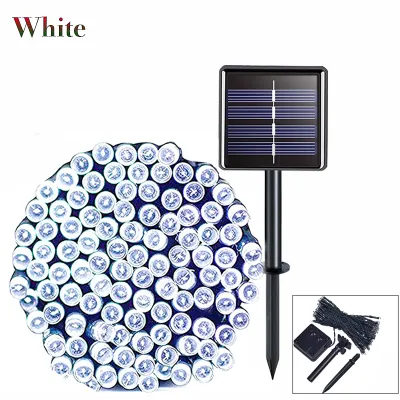
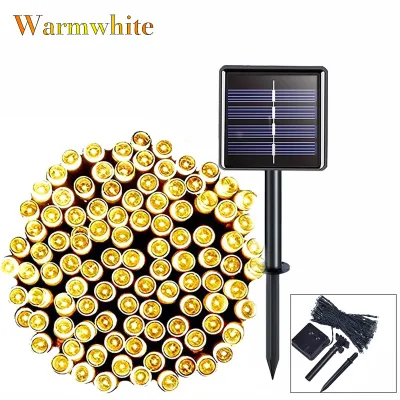
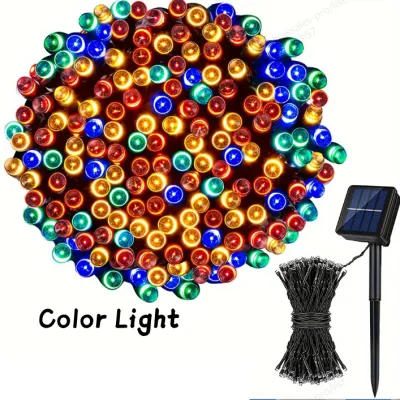
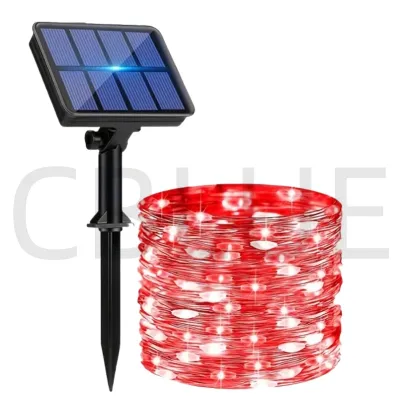
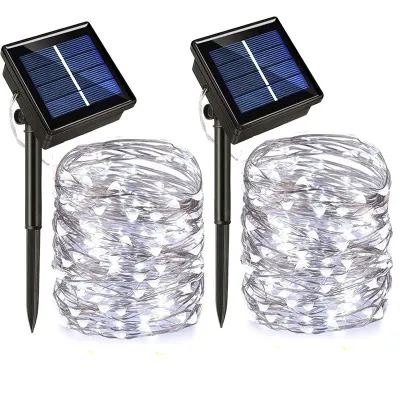
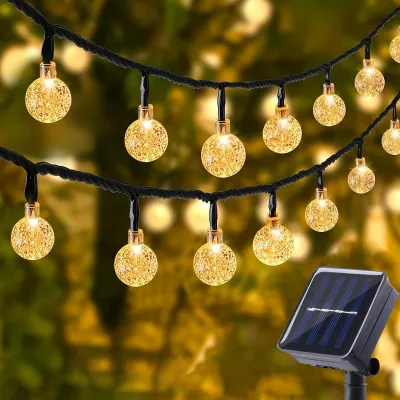
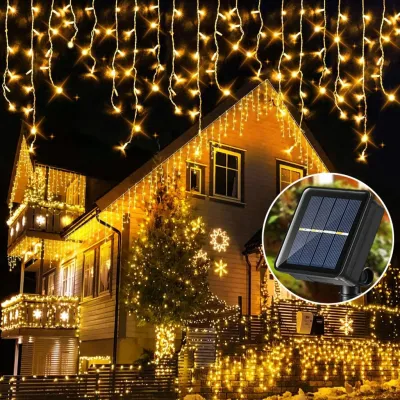
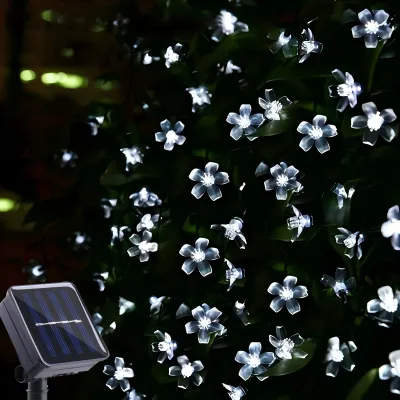
Prices are valid at publication and may change. Please refer to the product page for the latest price.
Before mounting any hardware, check the manufacturer’s specifications for the maximum cable length between the solar panel and the first LED bulb. This lead cable must be long enough to stretch from your chosen outdoor mounting spot to the interior area where you want the light display to begin. If the cable is too short, you may be forced to place the solar panel in a shaded area, which will drastically reduce the operating time of your lights at night. When purchasing your lights, verify the electrical certification, voltage requirements, and battery capacity listed on the packaging to ensure the system is safe for continuous residential use.
Because most condominium associations enforce strict guidelines against drilling into exterior walls or altering the building’s facade, you must use non-damaging mounting methods. Heavy-duty suction cups are excellent for securing lightweight solar panels directly to exterior window glass. For balcony setups, adjustable metal railing clamps or heavy-duty tension rods can hold the panel securely without leaving permanent marks or violating property rules.
Always ensure that any outdoor mounting method can withstand local weather conditions, including high winds and sudden tropical downpours. Because these are low-voltage, plug-and-play systems, they do not require fixed wiring or professional electrical installation. However, if you are working at heights near a high-rise balcony edge to mount your panel, prioritize personal safety, follow the manufacturer’s installation instructions carefully, and secure the panel with a secondary safety tether like a zip tie.
Routing the String Lights from Outdoors to Indoors
Once the solar panel is securely positioned outside, the next step is routing the wire indoors without compromising your condo’s insulation or damaging the window frames. Standard solar string lights use very thin, low-voltage copper or plastic-coated wires. These thin wires can often pass directly through the soft rubber weather stripping of a sliding window or balcony door without preventing the door from locking securely.

Never attempt to drill holes through aluminum window frames, glass panes, or concrete exterior walls. Doing so can cause permanent structural damage, void your window warranties, and lead to water leaks during heavy rainstorms. Instead, look for flat-cable pass-through accessories or utilize the natural play in your window’s sliding mechanism. If the wire must pass through a window that is opened frequently, apply a layer of protective tape over the wire at the friction point to prevent the metal frame from pinching or cutting the insulation.
Managing the transition point where the wire enters the room is crucial for preventing moisture issues. In humid tropical climates, the temperature difference between an air-conditioned indoor space and a warm, humid balcony can cause condensation to form along the window frame. Ensure the wire slopes slightly downward before entering the window, creating a “drip loop” that forces rainwater to drip off outside rather than running along the wire into your living room.
Additionally, keep the indoor connection point—where the wire connects to the first bulb—away from areas where condensation accumulates. If your windows tend to sweat when the air conditioning is running, position the first LED bulb at least a few inches away from the glass. This simple precaution protects the internal wiring from prolonged moisture exposure and ensures the system remains safe and functional.
Styling and Securing the Lights for Indoor Ambiance
With the wire safely routed indoors, you can focus on styling the lights to enhance your bedroom or living room. Because solar string lights are lightweight and operate at a cool temperature, they are highly versatile and easy to install on various interior surfaces. To create a soft, ambient glow, consider draping the lights along curtain rods, weaving them through indoor plants, or framing a mirror or headboard. While warm white bulbs are often preferred for a cozy bedroom feel, color temperature and spatial effects are highly subjective; choose a tone that matches your personal style and existing decor.
To secure the lights without damaging your condo’s paint or wallpaper, use removable adhesive hooks or clear mounting clips designed for temporary decorations. These hooks hold the thin wires securely in place and can be removed cleanly when you decide to change your layout. If you are wrapping the lights around a metal curtain rod or wooden shelving unit, you can simply wrap the wire around the structure itself, eliminating the need for adhesives entirely.
When positioning the lights, consider the overall layout of the room to avoid creating visual clutter or uncomfortable glare. If your solar lights feature multiple flashing or fading modes, select a steady or slow-glow setting for indoor spaces to maintain a relaxing atmosphere. Avoid placing the light strings directly behind television screens or computer monitors, as this can cause distracting reflections and eye strain during evening use.
Safety should always be a priority when arranging electrical decorations indoors. Keep the light strings away from direct heat sources, such as cooking appliances, space heaters, or high-wattage indoor lamps. Ensure the wires are routed away from high-traffic walkways where they could present a tripping hazard, and keep them out of reach of pets that might chew on the thin copper strands.
Maintaining Performance in Low-Light Condo Conditions
To keep your indoor solar lights functioning reliably, you must establish a simple maintenance routine. Outdoor solar panels are constantly exposed to dust, pollen, and vehicle emissions, especially in urban condominium environments. A thin layer of grime on the panel can significantly block sunlight, reducing the battery’s ability to charge fully. Wipe the solar panel surface with a damp microfiber cloth every few weeks to remove dirt and water spots.
Pay close attention to how long the lights stay illuminated at night. If you notice the lights dimming quickly or failing to turn on, it is usually a sign of insufficient charging or a degrading battery. Most solar light units use rechargeable AA or AAA batteries housed inside the panel casing. If the battery performance drops after several months of use, check the product manual to see if the battery can be replaced with a fresh rechargeable unit of the same specification.
If your balcony or window sill receives very little sunlight during certain seasons, you may need to adjust your setup. Consider temporarily relocating the detachable solar panel to a sunnier window during the day, or look for hybrid solar lights that feature a USB backup charging port. This allows you to charge the battery via a standard wall outlet when consecutive rainy days prevent the solar panel from gathering enough energy.
Frequently Asked Questions (FAQ)
Do I really need waterproof solar Christmas lights if the bulbs are indoors?
Yes, choosing a waterproof system is highly recommended even if the majority of the light string remains inside your condo. The solar panel itself and the lead wire must be positioned outdoors to capture sunlight, meaning they will be fully exposed to rain, wind, and high humidity. A waterproof rating, such as IP65 or higher, ensures that the panel’s internal electronics and battery compartment remain sealed against water intrusion. Furthermore, waterproof lights provide peace of mind indoors, protecting the wire from window condensation, accidental spills, or rain that might blow in through an open window.
How do I charge the lights if my balcony gets almost no direct sunlight?
If your balcony is permanently shaded, you can optimize charging by placing the solar panel on the outermost edge of your railing using a secure clamp, where it can capture ambient daylight. While direct sunlight is ideal, solar panels can still charge slowly under overcast skies or indirect light. If the cable length allows, you can also detach the panel and place it on a sunny window sill inside your unit during peak sun hours. For extremely shaded condos, look for solar light models that include a USB charging port, allowing you to manually charge the battery indoors when natural light is insufficient.

Community discussion
Share your experience or ask a question. Comments are reviewed before publication.