
Identifying a genuine Bosca solar ceiling light requires a systematic inspection of its physical build, solar panel construction, retail packaging, and operational performance. As solar fixtures become increasingly popular for balconies, hallways, and utility rooms in modern condominiums and homes across the Philippines, counterfeit products have also entered the market. To ensure you receive a safe, durable, and high-performing lighting system, you must look beyond the surface and verify key details like seam construction, label printing, and battery behavior before finalizing your purchase.
Why Checking for Original Solar Lights Matters
Investing in solar lighting is an excellent way to reduce monthly electricity bills, especially in tropical climates where sunlight is abundant. However, purchasing a counterfeit solar ceiling light exposes your home to significant safety and performance risks. Cheap replicas often bypass strict manufacturing standards, utilizing uncertified lithium-ion batteries and substandard internal wiring. In the high-humidity environment of the Philippines, poor insulation and low-grade wiring can easily lead to short circuits, posing severe fire and electrical hazards inside your living space.
Beyond safety concerns, counterfeit solar panels suffer from highly degraded charging efficiency. While a genuine panel is designed to convert tropical sunlight effectively even on overcast days, a fake panel often uses low-grade photovoltaic cells that degrade rapidly. This results in a drastically shortened operational lifespan, leaving you with a fixture that fails to hold a charge after only a few weeks of use.
Products mentioned in this guide
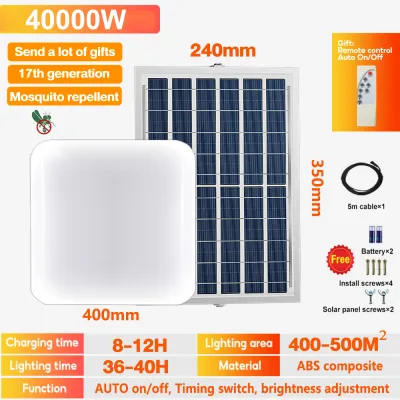
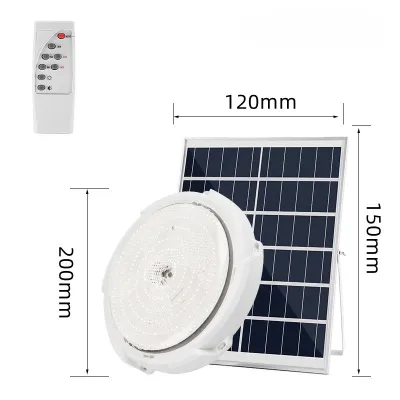
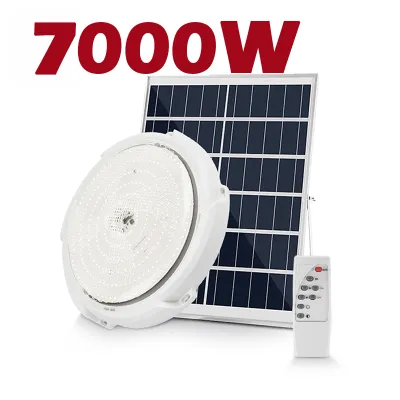
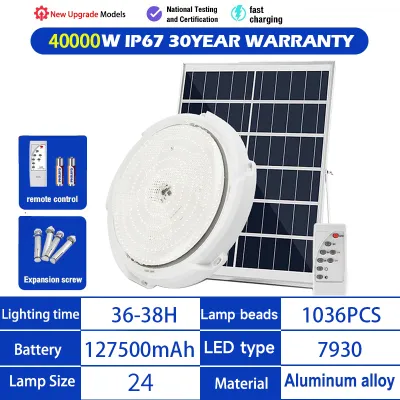
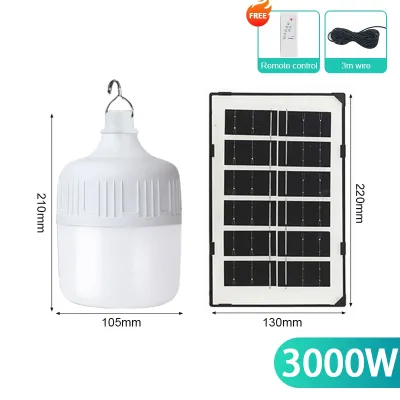
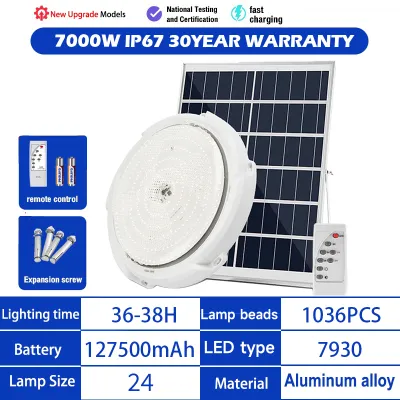
Prices are valid at publication and may change. Please refer to the product page for the latest price.
Furthermore, buying an unauthorized or counterfeit product deprives you of any legitimate warranty support or after-sales service. If the light fails, there is no official customer care channel to assist with troubleshooting or replacements. Genuine manufacturers stand behind their products with clear warranty terms, whereas sellers of counterfeit goods typically disappear or refuse assistance once the transaction is complete.
How to Inspect the Build and Solar Panel
A physical inspection is one of the most reliable ways to distinguish a genuine flush mount solar ceiling light from a cheap imitation. Start by evaluating the housing material. Authentic fixtures utilize high-grade, impact-resistant plastics or powder-coated metals designed to withstand both indoor humidity and outdoor exposure. Examine the seams where the diffuser meets the backplate; genuine models feature clean, tight seals without excess glue, rough plastic burrs, or uneven gaps. The overall weight of the fixture is also a telling indicator, as counterfeits often feel unusually light due to thin housing walls and stripped-down internal components.

Next, closely examine the solar panel. The photovoltaic cells on an original panel should display uniform alignment, consistent coloring, and a clean, clear protective coating. Run your fingers across the surface to check for micro-cracks, bubbles, or uneven lamination, which are common defects in low-quality replicas. A compromised panel surface allows moisture to penetrate the cells, leading to rapid corrosion under the intense Philippine sun and heavy monsoon rains.
Finally, inspect the branding and specification labels. Genuine Bosca fixtures feature crisp, clearly printed logos that are either molded directly into the housing or applied via high-quality, heat-resistant adhesive labels. Counterfeit units often use poorly aligned, blurry, or easily peelable stickers. Check the specification label on the base of the fixture; it should clearly state the model number, voltage ratings, and safety certifications without spelling errors or smudged ink.
What to Look for on the Packaging and Manuals
The retail packaging and accompanying documentation offer vital clues regarding a product’s authenticity. Genuine manufacturers invest in high-quality packaging to protect their products during transit. Inspect the outer box for crisp print quality, accurate color reproduction, and sturdy cardboard construction. Counterfeit packaging often features blurry images, washed-out colors, thin cardboard that crushes easily, and obvious typographical errors in the product descriptions or specifications.
Inside the box, you should find a comprehensive user manual. Authentic documentation is printed on decent paper and includes clear wiring diagrams, step-by-step installation instructions, safety warnings, and official manufacturer contact details. If your installation requires fixed wiring or mounting at a height, always ensure complete power-isolation before beginning, follow the manufacturer’s installation instructions carefully, or hire a qualified professional to handle the electrical setup safely.
Always cross-reference the technical specifications printed on the box with those on the physical light fixture and the user manual. Verify that the model numbers, voltage ratings, and dimensions match exactly. Any discrepancy between the packaging claims and the physical product markings is a major red flag indicating a mismatched, counterfeit, or repackaged item.
Operational Warning Signs of Fake Solar Fixtures
If you have already purchased the light, initial testing can reveal operational warning signs pointing to inferior internal components. After exposing the solar panel to a full day of direct sunlight, observe the illumination performance. A genuine solar ceiling light should provide steady, consistent brightness for its rated duration. If the light begins to flicker, dims significantly within an hour or two, or exhibits inconsistent color temperatures, the battery or the LED driver is likely substandard.
Many modern solar ceiling lights feature smart automation, such as motion sensors, remote controls, or dusk-to-dawn sensors. Test these features thoroughly. Counterfeit fixtures often have non-functional or highly unresponsive sensors. For instance, the remote control might only work from an extremely short distance, or the dusk-to-dawn sensor may fail to register changes in ambient light, requiring manual intervention to turn the fixture on or off.
Pay close attention to heat generation during operation and charging. While all electrical devices generate some warmth, excessive heat radiating from the battery compartment or the wiring is a critical warning sign. Poorly designed circuits and low-grade batteries cannot handle the high currents associated with solar charging, leading to thermal stress. If the fixture feels hot to the touch, disconnect the solar panel immediately and cease using the product to prevent potential thermal runaway or fire.
Safe Purchasing Channels and Return Steps
To protect your investment, always prioritize secure purchasing channels. Buy directly from official brand websites, authorized physical hardware stores, or verified flagship stores on reputable online marketplaces. These channels offer genuine products backed by official warranties and reliable customer support. Be highly cautious when browsing third-party sellers on ecommerce platforms, especially those offering unrealistic discounts, such as prices significantly lower than the standard market rate of ₱1,500 to ₱3,000 for quality solar fixtures.
When shopping online, read customer reviews carefully, looking for detailed feedback and real photos of the received items rather than generic, repetitive praise. If a seller refuses to provide a formal receipt or proof of purchase, avoid transacting with them.
If you suspect you have received a counterfeit light, act quickly to secure a refund. Document the unboxing process by taking clear photos and videos of the packaging, the physical fixture, and any defects or discrepancies you notice. Do not install or permanently wire the fixture. Contact the online marketplace’s customer service immediately to initiate a return and refund claim, presenting your documented evidence. You can also report the fraudulent seller to local consumer protection agencies in the Philippines, such as the Department of Trade and Industry, to help prevent other homeowners from falling victim to counterfeit goods.
Frequently Asked Questions (FAQ)
Can I rely solely on the price to determine if a Bosca light is original?
No, price alone is not a foolproof indicator of authenticity. While an unusually low price is a strong warning sign, clever counterfeiters often price their fake products only slightly below the retail price of genuine items. This tactic is designed to make the deal look like a legitimate discount rather than a suspicious counterfeit, thereby avoiding immediate suspicion. To protect yourself, you must combine price evaluations with a thorough inspection of the physical build, packaging quality, and seller credentials before making a decision.
What should I do if the solar panel on my new light looks scratched or cloudy?
If the solar panel arrives with noticeable scratches, a cloudy surface, or peeling protective layers, you should contact the seller immediately to request a replacement or refund. While minor, superficial scuffs on the outer plastic frame might occasionally occur during shipping, any damage or cloudiness on the actual photovoltaic cells will severely degrade charging efficiency. In the tropical climate of the Philippines, a compromised panel surface allows moisture and humidity to seep into the internal wiring, leading to rapid corrosion and premature product failure.
Community discussion
Share your experience or ask a question. Comments are reviewed before publication.