
Shopping for outdoor solar lights online offers unmatched convenience, but it also exposes you to a growing market of counterfeit goods. In the Philippines, where tropical storms, high humidity, and intense sun put outdoor fixtures to the test, buying an unverified or fake solar light often leads to rapid product failure. Spotting fake outdoor solar lights requires a systematic approach: analyzing online listings before checkout, inspecting the physical build upon delivery, and verifying performance under real-world conditions. By learning how to identify these red flags, you can protect your budget and ensure your balcony, garden, or pathway remains safely and beautifully illuminated.
Quick Guide to Verifying Original Solar Lights
Counterfeit solar lights present several immediate risks, including severely degraded battery life, dim or flickering light output, and a complete lack of weather resistance. To avoid these issues, you should follow a three-phase verification process. First, perform a thorough listing analysis to filter out suspicious sellers and unrealistic prices before making a purchase. Second, conduct a physical inspection of the packaging, housing materials, and solar panel surface immediately upon delivery. Finally, run real-world performance and safety tests to confirm that the unit charges efficiently and operates safely under local weather conditions.
Red Flags in Online Product Listings
Evaluating product pages on e-commerce platforms is your first line of defense against counterfeit outdoor lighting. One of the most obvious indicators of a fake product is a pricing anomaly. If an online listing offers a high-powered outdoor solar floodlight for an incredibly low price—such as under ₱150 when authentic models from reputable brands consistently retail for ₱800 or more—it is highly likely to be a counterfeit or a low-quality imitation. Authentic manufacturers must cover the cost of quality lithium iron phosphate (LiFePO4) batteries and high-efficiency solar cells, which makes extremely low prices economically impossible for genuine products.
Products mentioned in this guide
![Top Seller [171.8K Sold] KKSKY Buy 1 Take 1 1000W 60W 100W 200W 300W 500W Solar Led Lights Outdoor Flood Light 40W Street Lamp Waterproof With Remote 5 Years Warranty](https://img.lazcdn.com/g/p/71908228683594faabd610cdd55824de.jpg_400x400q80.jpg_.webp)
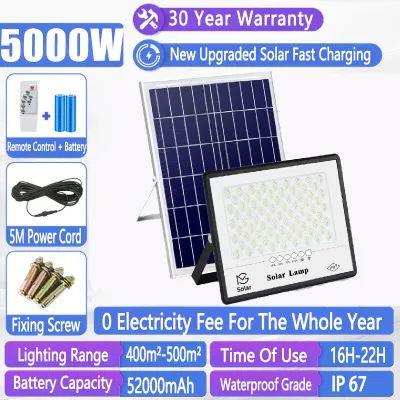
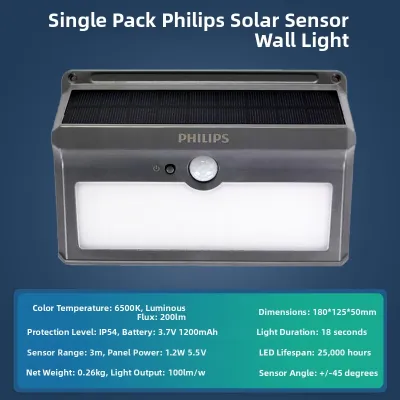
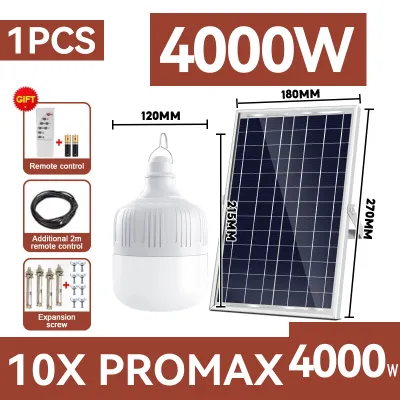
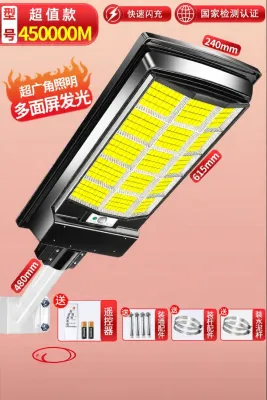
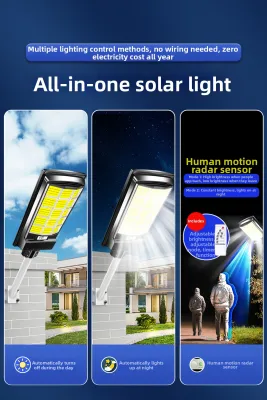
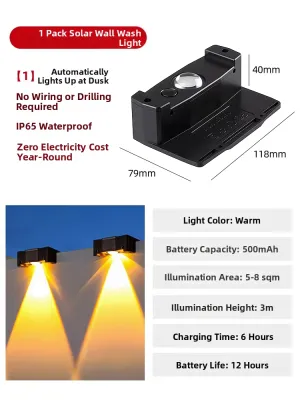
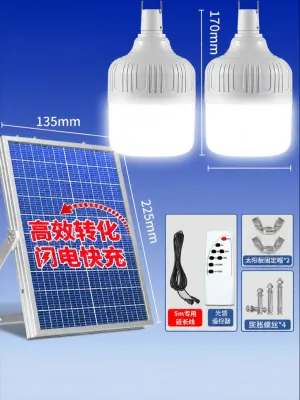
Prices are valid at publication and may change. Please refer to the product page for the latest price.

Another major red flag is a lack of detailed technical specifications in the product description. Genuine listings clearly state critical technical details, including the exact lumen output, battery capacity in milliampere-hours (mAh), solar panel wattage, voltage, and specific ingress protection (IP) ratings. Counterfeit listings, by contrast, often use vague buzzwords like “super bright” or “heavy duty” while omitting actual technical specifications, or they may list physically impossible specifications, such as a 100,000-lumen output on a tiny 5-watt panel.
You should also carefully examine the product images and seller profiles. Look out for stolen brand photos that feature watermarks from other stores, inconsistent lighting in promotional graphics, or missing international safety certification logos like CE, RoHS, or FCC. To assess seller credibility, check the store’s age and review distribution patterns. Authentic brands typically sell through official flagship stores or authorized distributors that display a verified brand badge. Be wary of newly opened stores with generic names consisting of random letters and numbers, especially if their customer reviews contain repetitive, copy-pasted phrasing or identical photos across different user accounts.
Physical and Packaging Checks Upon Delivery
Once your package arrives, perform a systematic visual and tactile inspection before confirming receipt on your online marketplace account. Start by examining the packaging quality. Authentic solar lights are shipped in sturdy, high-quality cardboard boxes featuring crisp, high-resolution printing, accurate brand logos, and comprehensive manufacturer contact details, safety warnings, and installation instructions. Counterfeit products often arrive in flimsy, generic brown boxes, thin plastic mailers, or packaging with obvious spelling errors, blurred graphics, and missing manufacturer information.
Next, evaluate the build quality of the light housing itself. Original outdoor solar lights are constructed from durable, UV-resistant ABS plastic, polycarbonate, or powder-coated aluminum designed to withstand intense tropical heat and heavy rainfall. Run your fingers along the seams of the housing; fake units often feature cheap, thin plastics, uneven seams, visible gaps, or loose internal components that rattle when moved. These structural flaws allow moisture to penetrate the internal electronics, leading to short circuits during the rainy season.
The solar panel surface is another critical area to inspect. Authentic solar panels feature a uniform, clean surface with clearly defined monocrystalline or polycrystalline silicon cells. Inspect the panel closely for micro-cracks, bubbles under the protective laminate, or a cloudy, uneven coating, which are common signs of poor manufacturing or recycled materials. Finally, look for authentic labels, serial numbers, or QR codes on the product casing. Many reputable brands include a scratch-off verification label or a unique serial number that you can cross-reference on the manufacturer’s official website to confirm authenticity.
Performance and Safety Verification
To ensure your solar light is both functional and safe, you must test its performance under real-world conditions. Begin by placing the solar panel in direct, unobstructed sunlight for a full day to test its charging efficiency and runtime. Compare the actual operating hours against the manufacturer’s stated specifications; if the light dies after only two or three hours of operation despite receiving a full day of tropical sunlight, the internal battery capacity is likely far lower than advertised.
Next, evaluate the light output and color temperature. While decorative style and perceived color temperature are matters of personal preference, extreme deviations from the advertised specifications are a clear sign of a counterfeit. For instance, if you purchased a light advertised as having a warm white ambiance for your balcony but it emits a harsh, dim, bluish-white glare, the manufacturer likely used cheap, low-grade LEDs. Additionally, verify the physical weatherproofing of the unit. Rather than relying solely on the printed IP rating, check for thick rubber gaskets around the battery compartment, tightly sealed wire entry points, and secure rubber covers over any physical switches or charging ports.
Safety must always be your top priority when dealing with battery-powered outdoor fixtures. During the initial charging and testing phases, monitor the unit closely for any signs of electrical failure. If the housing becomes excessively hot to the touch, emits a burning plastic smell, or shows exposed, poorly insulated wiring, immediately stop using the unit. For any permanent outdoor installations, especially those involving fixed backup wiring, mounting at significant heights, or exposure to high winds, always follow the manufacturer’s precise installation instructions, isolate any connected electrical power, and consult a qualified professional to ensure a secure and hazard-free setup.
Choosing Reliable Online Channels and Seller Profiles
Minimizing the risk of purchasing counterfeit outdoor lighting starts with selecting the right purchasing channels. Official brand stores and authorized online distributors are the most reliable sources for original solar lights. These sellers are directly vetted by the manufacturers and are authorized to distribute genuine products. When shopping on major online marketplaces, look for official mall badges or verified seller icons, which indicate that the platform has verified the seller’s business registration and product authenticity.
Furthermore, prioritize purchasing from platforms that offer robust buyer protection programs, clear return policies, and verified authentic guarantees. These programs allow you to secure a full refund if you receive a counterfeit item. Before making a purchase, it is highly recommended to visit the brand’s official global or local website. Most reputable lighting brands maintain a dedicated page listing their authorized online retailers and official e-commerce storefronts operating in the Philippines, allowing you to verify the seller’s legitimacy before adding items to your cart.
What to Do If You Receive a Counterfeit Product
If you receive a solar light and suspect it is a counterfeit, act quickly to protect your money. First, document the fake item thoroughly by taking clear, high-resolution photos and videos. Capture close-up shots of the packaging, misspelled brand names, physical defects, and any discrepancies between the delivered product and the online listing. This visual evidence is crucial for supporting your claim during the dispute process.
Next, initiate a return or refund dispute through the e-commerce platform’s buyer protection system. It is vital that you do this immediately and do not click “Order Received” or “Confirm Delivery,” as doing so often releases the payment to the seller and makes securing a refund significantly more difficult. Finally, consider contacting the original brand’s customer support team to report the counterfeit seller. Provide them with the store name, product link, and your documented evidence; this helps the brand take legal action to remove fraudulent listings from the platform, protecting other consumers from falling victim to the same scam.
Frequently Asked Questions (FAQ)
Can I rely solely on the IP rating printed on a solar light to prove it is original?
No, you cannot rely solely on the printed IP rating. Counterfeit manufacturers frequently print fake IP65, IP67, or even IP68 ratings on their product casings to mimic the specifications of original, weather-resistant lights. To verify actual weather resistance, you must physically inspect the unit for high-quality rubber gaskets, tightly sealed seams, and secure protective covers over switches and ports. Additionally, cross-reference the model number and its certified IP rating on the manufacturer’s official website or product catalog.
Do original outdoor solar lights always come with a warranty card?
Not always, as warranty documentation varies by brand and price point. While premium original solar lights often include a physical warranty card, a user manual with warranty terms, or a QR code for digital registration, some budget-friendly authentic models may rely entirely on platform-based seller warranties. To set realistic expectations, verify the warranty terms directly on the brand’s official website or check the authorized seller’s store policy before purchasing. Genuine sellers will clearly outline their warranty duration and return process.
Community discussion
Share your experience or ask a question. Comments are reviewed before publication.