
Buying solar lights is an excellent way to secure your home’s exterior, reduce electricity bills, and embrace renewable energy. However, the market is flooded with cheap counterfeits that mimic popular brands but fail within weeks. Investing in a solar lights outdoor original system is the most reliable way to ensure your property remains illuminated, safe, and energy-efficient.
To avoid wasting your money on low-quality imitations, you must know how to distinguish genuine solar fixtures from deceptive fakes. This comprehensive guide provides an actionable checklist to help you identify authentic products, evaluate technical specifications, and make a secure purchase.
The Risks of Counterfeit Solar Lights in the Philippines
The tropical climate in the Philippines presents a demanding environment for any outdoor electrical fixture. With intense heat, high humidity, and heavy seasonal downpours during typhoons, outdoor lights must be exceptionally durable. Counterfeit solar lights are rarely built to withstand these harsh conditions, leading to rapid degradation and premature failure.
Products mentioned in this guide
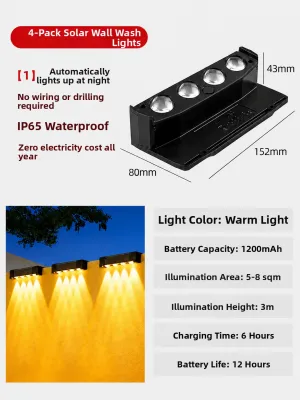
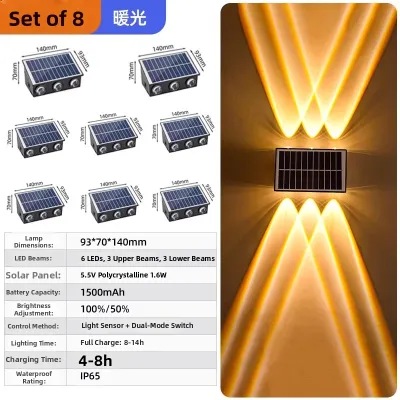
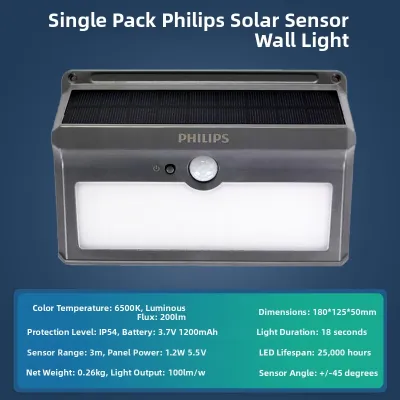
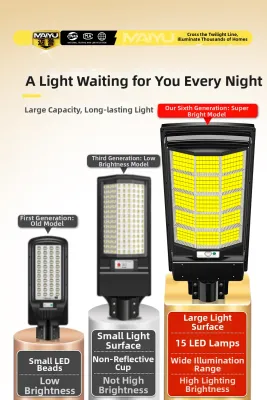
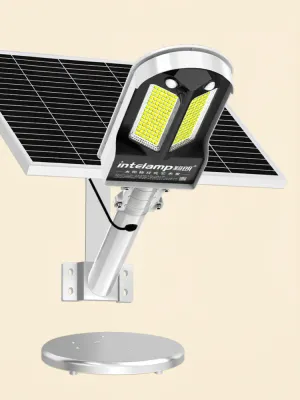
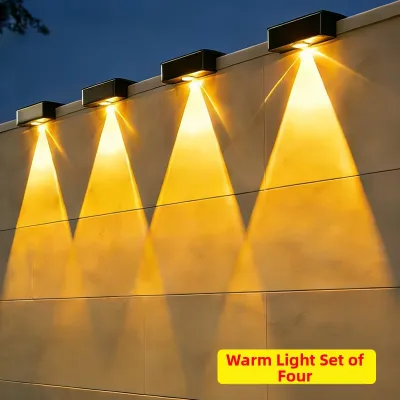
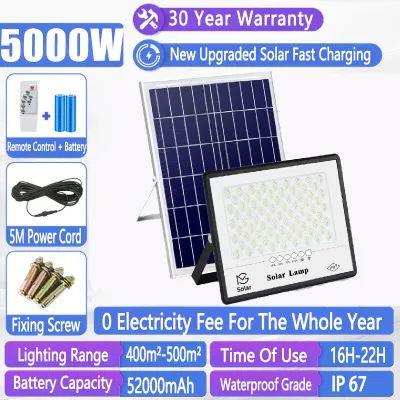
Prices are valid at publication and may change. Please refer to the product page for the latest price.
When water penetrates the poorly sealed casing of a fake light, it causes immediate internal corrosion and short circuits. This vulnerability is particularly dangerous for security lighting, where a sudden failure leaves your pathways, gates, or driveways in complete darkness.
Furthermore, the functional risks of counterfeit units extend to their internal components. Substandard motion sensors often fail to detect movement, or they activate randomly, draining the battery prematurely. The batteries themselves degrade rapidly under high ambient temperatures, failing to hold a charge and rendering the light useless after just a few months of operation.
Telltale Signs: Spotting a Solar Lights Outdoor Original vs Fake
Distinguishing an original solar light from a counterfeit requires a close physical and technical inspection. While fakes can look convincing from a distance, they almost always cut corners on materials, battery capacity, and manufacturing precision. By focusing on key physical indicators, you can easily filter out low-grade imitations.

Build Quality, Materials, and Weather Resistance
Genuine solar outdoor lights are constructed from high-grade, UV-resistant ABS plastics, polycarbonate, or rust-proof aluminum alloys. These materials feel solid, heavy, and textured. In contrast, counterfeit models rely on thin, brittle, recycled plastics that feel lightweight and flex easily under pressure.
Weatherproofing is another critical differentiator. Authentic manufacturers clearly label their products with verified Ingress Protection (IP) ratings, such as IP65 or IP67, indicating dust and water resistance. However, a printed IP rating on a fake product is often fabricated; you must cross-reference this claim with the manufacturer’s official specifications and check the physical seals.
Inspect the physical construction for obvious manufacturing flaws. Original units feature tight, even seams, robust rubber gaskets around the battery compartment, and securely sealed wire entry points. Counterfeits frequently display uneven gaps, loose solar panel mounts, and exposed wiring that invites moisture penetration.
Solar Panel Efficiency and Battery Components
The heart of any solar light is its energy harvesting and storage system. Original lights typically use high-efficiency monocrystalline solar panels, recognizable by their dark, uniform appearance and rounded cell edges. Polycrystalline panels, which are speckled blue, are also used in genuine mid-range lights but offer slightly lower efficiency. Counterfeit lights often use low-quality polycrystalline panels or, worse, cheap plastic films that degrade under UV exposure, severely limiting their ability to charge.
Undersized solar panels are a classic hallmark of fake fixtures. If a large floodlight features a tiny solar panel, it cannot generate enough power to charge the battery fully during typical daylight hours.
Always check the battery specifications printed on the device or inside the battery compartment, verifying the battery type (such as Lithium Iron Phosphate – LiFePO4 or Lithium-ion), voltage, and capacity (mAh). Authentic brands use certified, high-capacity batteries designed to sustain motion-sensor and illumination functions throughout the night. Fakes often contain unbranded, low-capacity, or mismatched batteries that lose their charge capacity within a few weeks.
Packaging, Labels, and Security Features
A product’s retail packaging often reveals its true origin before you even turn the device on. Genuine manufacturers invest in high-quality packaging with crisp printing, clear branding, and accurate technical specifications. Counterfeit packaging is frequently marred by blurry logos, poor color alignment, grammatical errors in the user manual, and missing manufacturer contact details.
Look for brand-specific security features designed to deter counterfeiters. Many original brands include holographic stickers, unique QR codes, or engraved serial numbers on the chassis.
Additionally, authentic products include comprehensive documentation. Inside the box, you should find clear installation instructions, safety warnings, and detailed technical specifications, including voltage, wattage limits, and dimming methods. Counterfeits usually omit these documents or provide a single, poorly translated sheet that lacks specific safety guidance.
Actionable Steps to Verify Authenticity
Before mounting your new light or immediately after unboxing it, perform a systematic verification check. Do not rely solely on visual appearance, as high-end counterfeits can mimic the external casing of popular brands while using substandard internal electronics.
First, locate the exact model number on the product label and cross-reference it with the manufacturer’s official website. Verify that the dimensions, weight, wattage, and technical specifications match the official product listing exactly. If the manufacturer’s website does not list the specific model number, or if the specifications differ significantly, the product is likely a fake.
Second, utilize any official brand verification channels provided by the manufacturer. If the packaging features a verification QR code, scan it to see where it leads. Authentic QR codes will redirect you to a secure, official brand domain. Be highly suspicious of QR codes that link to generic landing pages, unrelated websites, or unverified online forms.
Third, inspect the included warranty card. Genuine products from reputable lighting brands always come with a structured warranty card featuring valid authorization stamps, dealer signatures, or online registration instructions. A missing warranty card or a generic, unstamped slip is a major red flag.
Finally, remember that decorative style, perceived color temperature (such as warm white versus cool white), and spatial lighting effects are subjective user preferences, not indicators of authenticity. Focus your evaluation on verifiable technical certifications, such as CE, RoHS, or local electrical safety marks, which are rarely legally obtained by counterfeit manufacturers.
Choosing Reliable Purchasing Channels
To minimize the risk of buying counterfeit solar lights, you must be selective about where you shop. Purchasing from unverified sellers on social media or unauthorized discount websites significantly increases your chances of receiving a fake product.
The safest approach is to buy directly from official brand stores, authorized local distributors, or established physical hardware and lighting supply stores. These retailers maintain direct supply chains with manufacturers, ensuring product authenticity and reliable after-sales support.
When shopping on major online marketplaces, pay close attention to seller credentials. Prioritize stores that carry “Official,” “Mall,” or “Authorized” badges, which indicate that the platform has verified the seller’s business registration and brand authorization. Always check the store’s overall rating—aim for sellers with a positive rating of 95% or higher—and read verified buyer reviews. Look specifically for reviews that include photos and videos of the actual product received, as these provide a realistic view of the build quality.
Be wary of listings that feature suspiciously low prices. If a high-powered solar floodlight is listed at a fraction of the average retail price of established brands (often priced under ₱200 for models that typically cost ₱1,500 or more), it is almost certainly a counterfeit. Additionally, avoid listings that rely solely on stock photos and provide vague product descriptions without specifying the exact brand, model, or technical parameters.
What to Do If You Buy a Fake Solar Light
If you discover that you have accidentally purchased a counterfeit solar light, take immediate action to protect your investment and safety. First, document the discrepancies between the received product and the genuine model. Take clear, high-resolution photos and videos showing the poor build quality, incorrect labels, blurry packaging, or functional defects.
Next, initiate a return and refund request through the online marketplace’s buyer protection program. Submit your documented evidence promptly, as most platforms have strict time limits for filing counterfeit claims.
For your safety, do not install or use suspected counterfeit solar lights. This is especially critical if the installation environment involves fixed wiring, damp areas, or work at height. If the product requires mounting on high walls or roofs, falling hazards during installation or subsequent maintenance are a serious risk. Always follow the manufacturer’s official installation instructions and consult a qualified professional for complex or elevated installations. If the installation requires fixed wiring, ensure proper power isolation before handling.
Furthermore, substandard electrical components pose severe safety hazards. Poorly insulated wiring, uncertified batteries, and lack of electrical certification can lead to battery leakage, short circuits, or even fire hazards when exposed to high tropical heat. Finally, report the fraudulent listing to the e-commerce platform to help prevent other buyers from falling victim to the same seller.
Frequently Asked Questions (FAQ)
Can I upgrade the battery in a fake solar light to make it work better?
Modifying the battery or internal circuitry of an unbranded or counterfeit solar light is highly discouraged. Counterfeit lights typically use cheap, uncertified charge controllers that lack standard safety protections against overcharging, over-discharging, and short-circuiting. Installing a higher-capacity or different type of battery can overload these poorly designed circuits. This imbalance can lead to thermal runaway, battery swelling, leakage, or even a fire hazard. If your solar light is underperforming due to a degraded battery, it is safer to replace the entire fixture with a genuine, certified model rather than attempting dangerous modifications.
Do original solar lights always come with a warranty?
Yes, genuine solar outdoor lights from reputable manufacturers almost always come with a formal manufacturer’s warranty. This warranty typically covers defects in materials, waterproofing, and workmanship for a specified period, usually ranging from one to three years. To ensure your warranty remains valid, always keep your official receipt or proof of purchase, and register the product on the manufacturer’s official website if required. Counterfeit products do not offer legitimate warranties, leaving you with no recourse if the light fails shortly after purchase.
Community discussion
Share your experience or ask a question. Comments are reviewed before publication.