
To identify genuine Capiz shells, look for a natural pearlescent luster, subtle color variations, organic micro-imperfections, a cool tactile temperature, and a distinctive glass-like “clink” when tapped. Synthetic imitations, typically made from polyester resin or molded plastics, exhibit flat or overly glossy surfaces, warm touch temperatures, visible mold seams, and a dull, plastic thud when struck.
Capiz shells, harvested from the windowpane oyster (Placuna placenta), have been a cornerstone of Philippine design for centuries. Historically used as translucent windowpanes in Spanish colonial ancestral homes, these marine shells are now highly prized globally for their elegant ability to diffuse light. However, the rise of coastal and tropical design trends has led to an influx of synthetic alternatives that mimic their appearance but lack their natural properties.
Distinguishing between authentic local shells and manufactured fakes requires a combination of visual, tactile, and sensory checks. While synthetic options may offer lower prices or flawless uniformity, they cannot replicate the organic warmth and delicate light refraction of true Capiz. By understanding what to look for, you can protect your investment and support local Philippine artisans who sustainably harvest and handcraft these coastal treasures.
Products mentioned in this guide
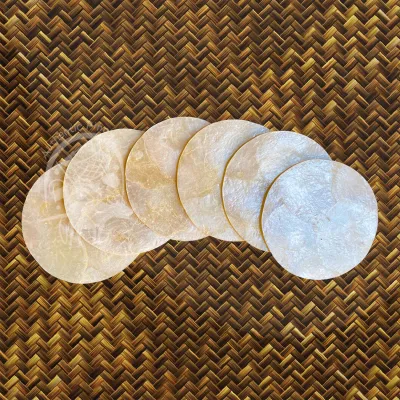
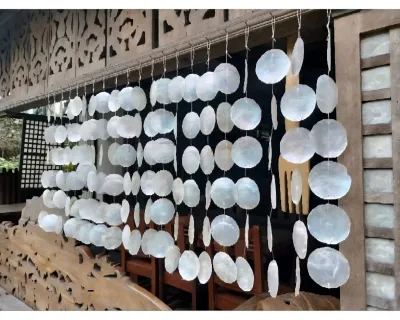
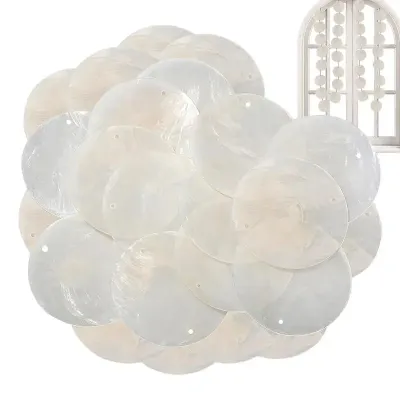
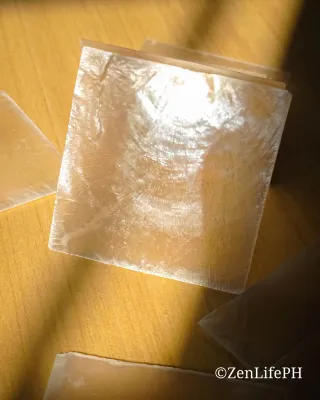
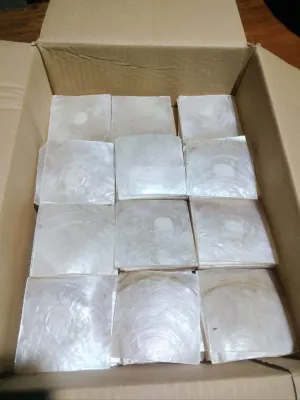
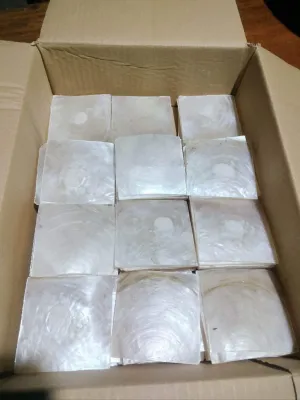
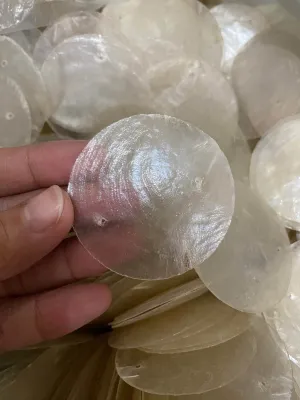
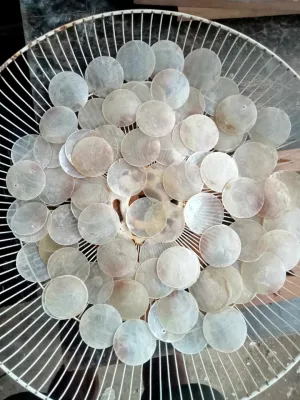
Prices are valid at publication and may change. Please refer to the product page for the latest price.
Why Authentic Capiz Shells Matter in Home Decor
Genuine Capiz shells are sourced from the shallow coastal waters of the Philippine archipelago, particularly around the Western Visayas region. These bivalve mollusks produce thin, flat, and semi-translucent shells composed primarily of calcium carbonate. This unique mineral structure acts as a natural light polarizer, scattering light rays softly to produce a warm, organic glow that synthetic materials cannot replicate.
As demand for tropical, bohemian, and coastal interior styles has grown, manufacturers have turned to synthetic alternatives. These imitations are typically made from liquid polyester resin, acrylics, or composite plastics molded into shell-like shapes. While these materials are cheaper to mass-produce and less fragile than natural shells, they lack the organic history and unique light-diffusing qualities of authentic marine materials.
Choosing genuine Capiz is not merely a matter of aesthetic preference; it is also about supporting sustainable coastal livelihoods. The harvesting and processing of windowpane oysters provide vital income for coastal communities in provinces like Capiz, Iloilo, and Samal. Authentic pieces carry the legacy of traditional Filipino craftsmanship, where each shell is carefully washed, softened, cut, and bound by hand.
It is important to note that no single test is entirely foolproof on its own. Because modern artisans use various protective lacquers, sealants, and metal frames, authenticating a piece of decor requires a holistic approach. Combining visual inspections with physical and auditory tests will give you the most accurate assessment of a product’s true composition.
Visual Cues to Identify Genuine Capiz Shells
The most immediate way to evaluate a Capiz shell product is through a close visual examination of its surface and structural details. Genuine shells possess a deep, multi-dimensional pearlescent luster. When you rotate a real shell under a light source, its iridescence shifts naturally, revealing delicate pink, green, and gold undertones. Synthetic resin or plastic fakes, by contrast, tend to have a surface shine that is either completely flat or artificially glossy, resembling a polished clear-coat rather than an organic mineral structure.

Color variation is another key indicator of authenticity. Because they are natural organic materials, genuine shells exhibit subtle color gradients, ranging from milky white to soft cream, with occasional amber, gray, or pale brown undertones. Synthetic alternatives are often colored using uniform chemical pigments mixed directly into liquid plastic. This results in a flat, perfectly consistent hue across every single piece, lacking the natural depth and variation found in the ocean.
Inspect the surface of the material for micro-imperfections. Real marine shells bear the marks of their natural growth in the sea, including faint growth rings, tiny ridges, mineral spots, and slight structural asymmetry. If you run your eyes across a decorative panel and see absolutely flawless, smooth surfaces with zero organic variations, you are likely looking at a machine-molded synthetic product.
Turn the decor over and closely examine the edges and seams. Synthetic items are cast in mass-production molds, which frequently leave behind telltale manufacturing marks such as thin mold lines, tiny injection points (sprues), or perfectly round, identical edges. Authentic Capiz is individually hand-cut by local artisans using shears, resulting in slightly irregular, organic edges that follow the natural contour and grain of the shell.
Be wary of faux shells that have been painted or coated to mimic the natural pearlescent effect. Under close inspection, these artificial coatings often reveal minute brush marks, pooling of paint around the edges, or areas where the finish has begun to chip, peel, or scratch away. Once the outer paint layer is compromised, it typically exposes a dull, opaque plastic or composite base underneath.
Tactile and Sensory Tests for Authenticity
Performing physical and sensory tests can quickly confirm or disprove your visual suspicions. The temperature test is a highly reliable starting point. Because Capiz shells are mineral structures composed of calcium carbonate, they are natural conductors of heat. When you first touch a genuine shell, it will feel distinctly cool against your skin, even in warm, humid tropical climates, and will take several seconds to absorb your body heat. Synthetic plastics and resins, which act as thermal insulators, will feel neutral or warm almost immediately upon contact.
Weight and density also offer valuable clues. Real Capiz has a delicate but solid weight that feels substantial for its thin profile. Resin imitations, which are often poured thick to prevent warping, can feel surprisingly heavy and dense. On the other end of the spectrum, cheap, thin plastic copies feel unnaturally light, flimsy, and hollow when held in your hand.
The “clink” test is an excellent auditory check that rarely fails. Gently tap two pieces of the material together, or tap a single piece lightly with your fingernail or a small metal coin. Genuine Capiz produces a bright, glass-like “clink” due to its crystalline mineral structure. Synthetic materials, whether made of thick resin or cheap plastic, will yield a dull, flat, and muffled plastic “thud.”
Hold the decorative item directly up to a light source, such as a window or a flashlight. Genuine Capiz shells act as natural diffusers, scattering the light softly and evenly to create a warm, romantic glow. Synthetic materials often block the light entirely if they are too thick, create harsh, distracting glares, or reveal cloudy, unnatural swirls from poorly mixed liquid polymers.
Finally, run your fingertips gently across the surface to evaluate the texture. Even when polished and sealed with a thin protective lacquer, real Capiz retains a faint, organic texture. You can often feel the subtle, microscopic ridges of the shell’s growth patterns. Synthetic alternatives feel completely slick, glassy, or waxy, with no organic variation under your fingertips.
Red Flags: Signs of Synthetic or Resin Imitations
When shopping for Capiz shell decor, being aware of common red flags can help you quickly rule out imitations. Flawless uniformity is one of the most obvious signs of a synthetic product. In nature, no two windowpane oysters grow exactly alike. If you are looking at a large Capiz chandelier, a multi-tiered wind chime, or a wall panel, and every single round disc is identical in size, thickness, color, and translucency, it is highly likely to be a synthetic product. True handcrafted Philippine Capiz decor will always showcase minor variations from piece to piece.
Visible manufacturing marks are another definitive giveaway. Look for raised seams along the edges of the discs or small, circular indentations on the flat surfaces, which are left behind by ejector pins during the plastic injection molding process. Natural shells are harvested, cleaned, softened, cut, and bound by hand—processes that never leave behind machine-molded artifacts.
Unnatural flexibility is a key physical distinction. While very thin Capiz shells possess a tiny amount of natural give, they are fundamentally brittle mineral structures. If you attempt to bend a genuine shell too far, it will crack or snap cleanly. Synthetic resin or PVC imitations, however, can often be bent significantly, showing an unnatural, rubbery flexibility without breaking.
Pay close attention to product descriptions and marketing terminology. Sellers trying to bypass direct misrepresentation often use evasive phrasing. Look out for terms like “Capiz-style,” “shell-inspired,” “faux shell,” “resin Capiz,” or “pearly acrylic.” These are clear indicators that the product is made from synthetic polymers rather than genuine marine shells.
Sourcing Authentic Capiz Decor in the Philippines
To guarantee you are purchasing genuine Capiz shells, source your home decor from established local artisans, reputable boutique shops, or verified fair-trade cooperatives in the Philippines. Regions like Iloilo, Capiz, and parts of Cebu have deep-rooted traditions of sustainable shell harvesting and handcrafting. Buying directly from these sources ensures authenticity while supporting local communities.
When sourcing Capiz shells for lighting fixtures like chandeliers or wall sconces, aesthetic authenticity is only half the equation. You must also verify the electrical specifications of the fixture. Ensure the product matches local voltage standards (typically 220V in the Philippines), uses a standard base or interface (such as E27 or E14), and complies with safe wattage limits to prevent heat damage to the delicate shells. Always check for proper electrical certification marks, and confirm that the dimensions and dimming methods align with your installation environment. For any fixed wiring, installation in damp areas, or hanging heavy suspended loads at a height, prioritize safety by isolating the power source, following the manufacturer’s installation instructions, and hiring a qualified professional.
When shopping, look for transparency in the product descriptions. Reputable sellers will proudly highlight the local origin of their materials, detailing how the shells are sustainably harvested under local Bureau of Fisheries and Aquatic Resources (BFAR) guidelines, then cleaned, soaked, cut, and framed by hand. Do not hesitate to ask the seller direct questions about their production process. Inquire about how they clean and soften the raw shells, or what metals they use for the framing (such as brass or lead-free solder). Genuine craftsmen and knowledgeable retailers will gladly share these technical details.
Be cautious of incredibly cheap deals on online marketplaces. Authentic Capiz decor requires intensive labor—from diving and harvesting to meticulous hand-sorting and washing. If a large, multi-tier Capiz chandelier is priced suspiciously low (often under ₱1,000), it is highly likely to be a mass-produced plastic or resin imitation.
What to Do If You Suspect a Fake
If you purchase a piece of decor advertised as genuine Capiz but suspect it is synthetic upon arrival, act quickly. First, review the seller’s return, exchange, or refund policy, especially if you purchased the item through an online e-commerce platform. Most reputable platforms have strict policies against product misrepresentation, but these often have tight time limits.
Document your findings systematically. Take clear, high-resolution close-up photographs of any visual discrepancies, such as mold lines, peeling pearlescent paint, or perfect machine uniformity. You can also record a short video clip demonstrating the dull, plastic sound of the tap test compared to the crisp ring of a known genuine shell.
Contact the seller’s customer service department directly. Present your documented evidence calmly and objectively, focusing on the material characteristics (e.g., “The item exhibits plastic mold seams and a dull acoustic response, indicating it is synthetic resin rather than the advertised natural shell”). Avoid aggressive accusations to facilitate a smoother resolution.
If the seller refuses to cooperate or misrepresents their products, you can seek assistance through standard consumer protection channels in the Philippines. The Department of Trade and Industry (DTI) provides clear guidelines and mediation services for consumers dealing with deceptive sales practices or misrepresented goods online and offline.
Frequently Asked Questions (FAQ)
Can real Capiz shells be dyed or painted?
Yes, genuine Capiz shells can be safely dyed or tinted using specialized translucent dyes that penetrate the shell’s porous calcium carbonate structure, preserving its natural iridescence and light-diffusing qualities. This differs from painted plastic fakes, where opaque paint sits on the surface, blocks light, and is prone to chipping or peeling.
Is it normal for genuine Capiz decor to have small cracks or uneven edges?
Yes, minor micro-cracks, slight asymmetry, and uneven edges are completely normal and expected in handcrafted, natural Capiz products. These organic imperfections are actually strong indicators of authenticity, as synthetic molds produce flawless, identical edges.
How do I clean and maintain authentic Capiz shell items?
Dust regularly with a soft, dry microfiber cloth. Avoid harsh chemical cleaners, abrasive sponges, or soaking the shells in water, as this can strip the natural pearlescent finish or damage the binding materials. If deeper cleaning is needed, wipe gently with a slightly damp cloth and dry immediately. For electrical fixtures like Capiz chandeliers, always isolate the power source before cleaning, and consult a qualified professional for installation or maintenance at height.
Community discussion
Share your experience or ask a question. Comments are reviewed before publication.