
Styling a mini Christmas tree with a clean, minimalist look is an exercise in restraint, focusing on the beauty of simplicity rather than abundance. By prioritizing negative space, a cohesive color palette, and intentional ornament placement, you can transform a compact tree into a sophisticated holiday focal point. This design philosophy works exceptionally well in smaller living spaces, such as urban apartments or cozy rooms, where a massive, heavily decorated tree might otherwise overwhelm the environment. Achieving this aesthetic requires moving away from the traditional urge to cover every branch, instead allowing the natural form of the tree and a few carefully curated accents to shine.
Preparing Your Mini Tree and Space
Before hanging a single ornament, establishing a stable, visually light foundation is essential for a clean look. A heavy, overly ornate stand can instantly disrupt the proportions of a miniature tree, making the entire display feel bottom-heavy. Opt instead for a simple, neutral-toned ceramic pot, a rustic burlap wrap, or a sleek wooden block that anchors the tree without drawing unnecessary attention. The base should complement the surrounding decor, acting as a quiet transition between the tree and the surface it rests upon.
Next, evaluate the physical space where the tree will stand, keeping in mind the unique layout of your room. In compact spaces or tropical apartments in the Philippines where air circulation is vital, placing the tree on a console table, a sideboard, or a deep window sill keeps floor space clear and elevates the display to eye level. Ensure the chosen spot is away from direct heat sources, such as sunny windows or appliances, which can cause artificial needles to warp or fade over time.
Products mentioned in this guide



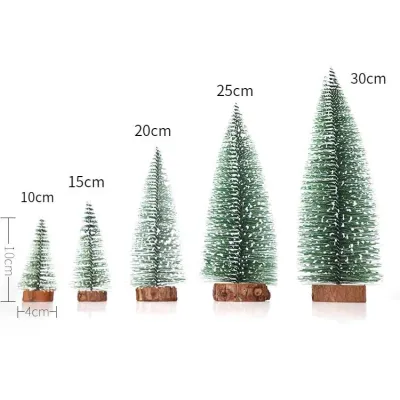
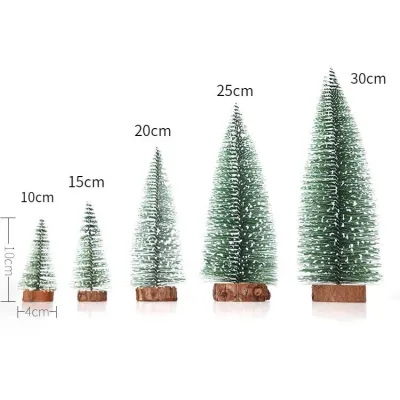
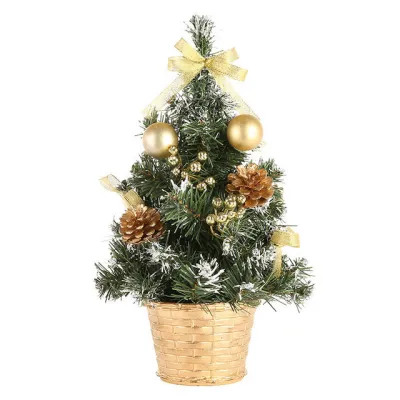
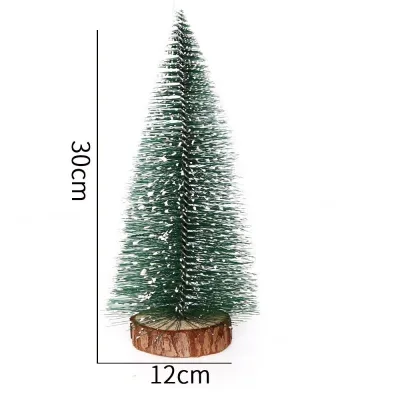
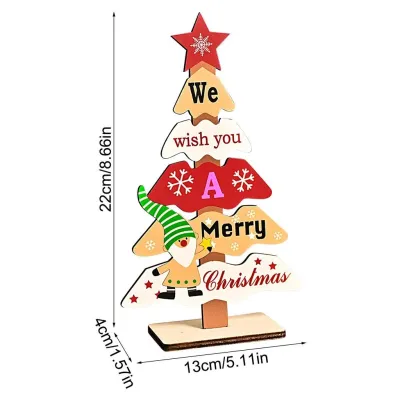
Prices are valid at publication and may change. Please refer to the product page for the latest price.
Once the tree is positioned, dedicate time to shaping and fluffing the branches. Artificial mini trees often arrive compressed from storage, and taking the time to spread each branch outward and upward creates a balanced, natural silhouette. For a minimalist aesthetic, aim for an asymmetrical yet structured look, leaving intentional gaps between some branches to mimic the sparse elegance of real evergreens.
Choosing a Minimalist Color Palette and Materials
A successful minimalist design relies on a highly disciplined color palette that prevents visual chaos. Restricting your choices to one or two complementary tones creates a sense of harmony and quiet elegance. Consider a monochromatic scheme using varying shades of warm white and cream, or introduce subtle metallic accents like brushed brass or matte silver to catch the light gently. Natural wood finishes and earthy clay tones also work beautifully, grounding the tree with an organic, understated warmth.

Texture plays a critical role when color is limited, so prioritize matte, frosted, or uniform finishes over highly reflective or glittery surfaces. Glossy ornaments can reflect harsh glare from indoor lighting, which disrupts the soft, calm atmosphere of a minimalist display. Instead, look for ornaments made from raw materials like unglazed ceramic, brushed metal, or light-colored wood. These materials feel tactile and sophisticated, adding depth to the tree without relying on flashy visual tricks.
It is best to avoid overly bright, neon, or multi-colored ornament assortments, as these can easily overwhelm the small scale of a mini tree. In a compact display, a single highly saturated or contrasting color can pull the eye too aggressively, breaking the balanced visual flow. If you want to introduce a touch of color, opt for muted, dusty tones—such as sage green, terracotta, or soft slate blue—which harmonize naturally with the green of the branches.
Step-by-Step Ornament Placement Strategy
Decorating a miniature tree requires a systematic approach that values restraint over abundance. By layering your elements in a specific order, you can maintain complete control over the density and balance of the design, ensuring that the tree’s natural structure remains visible throughout the process.
Adding Lights with Restraint
Illumination should enhance the tree’s form rather than dominate it, making the choice of light string crucial. Opt for micro LED fairy lights featuring thin, flexible copper or silver wires that blend seamlessly into the foliage. These delicate wires are far easier to conceal than thick green plastic cords, preventing the cluttered look that bulky cabling often creates on small branches. Warm white tones are generally preferred for a cozy, inviting glow, as cool blue-white lights can sometimes feel clinical in a home setting.
When applying the lights, weave them deeply into the branches near the trunk rather than wrapping them tightly around the outer tips. This technique creates a soft, ambient glow that radiates from within the tree, highlighting its depth and casting gentle shadows. It also keeps the outer branch tips clear for ornament placement, preserving the clean lines of the tree’s silhouette.
Before plugging in your lights, always verify the voltage compatibility and check for local electrical safety certifications, such as the Import Commodity Clearance (ICC) or Philippine Standard (PS) mark. Ensure the wattage limit of your outlet or extension cord is not exceeded, and inspect the wire insulation for any signs of wear. Because mini trees are often placed on wooden furniture or near delicate fabrics, choosing low-heat LED lights is a vital safety measure to prevent overheating.
Hanging Ornaments with Intentional Spacing
When selecting ornaments, aim for a consistent size or a very gentle gradient to maintain a sense of proportion. Oversized baubles can make a mini tree look comical and weighed down, while an excess of tiny pieces can create a busy, fragmented appearance. A good rule of thumb is to choose ornaments that are roughly the size of a small plum, keeping them uniform in scale to reinforce the clean, modern aesthetic.
As you hang each piece, leave deliberate gaps between them to allow the green branches and the negative space behind them to show through. This negative space is not empty air; it is an active design element that gives the eyes a place to rest and makes each individual ornament feel more significant. If a branch looks slightly bare, resist the urge to fill it immediately; step back and assess whether that emptiness actually enhances the overall balance.
Instead of arranging your ornaments in a rigid, symmetrical grid, group them in odd numbers or create subtle, asymmetrical clusters. Placing two or three coordinating pieces on one side of the tree while leaving the opposite side relatively sparse creates a dynamic, organic feel. This approach mimics the natural randomness of nature while maintaining a sophisticated, curated look that feels effortless yet highly intentional.
What to Avoid for a Clutter-Free Aesthetic
To preserve the clean lines of a minimalist mini tree, certain traditional decorating elements should be avoided entirely. Wide, bulky ribbons and heavy tinsel garlands are too massive for a small scale; they wrap around the tree like bandages, hiding the natural beauty of the branches and smothering the design. Similarly, thick, plush tree skirts can overwhelm the base, making the bottom of the tree look cluttered and heavy. If you want to cover the stand, a simple piece of linen fabric or a clean-lined wooden collar is a much more appropriate choice.
The primary cause of visual clutter on small trees is the temptation to decorate every single branch tip. Minimalist design requires the discipline to stop decorating long before the tree feels full. If you find yourself trying to squeeze one last ornament onto a branch, it is usually a sign that the tree is already fully styled.
Additionally, avoid mixing multiple distinct themes or materials within the same small footprint. Combining rustic wooden stars, shiny glass baubles, and colorful plastic characters on a single mini tree creates visual conflict that destroys the minimalist vibe. Stick to a single, cohesive design language—whether that is organic modern, Scandinavian rustic, or sleek contemporary—to ensure every element works toward a unified, peaceful aesthetic.
Final Touches and Ongoing Maintenance
The top of the tree requires a delicate touch, as a heavy or oversized topper can make the entire structure look unstable. Consider a simple geometric star made of thin wire, a single delicate glass finial, or even leaving the top branch completely bare for an ultra-modern, architectural look. If you do choose a topper, ensure it is lightweight and securely fastened so it does not bend the delicate leading branch of your mini tree.
In indoor environments, especially in tropical climates where dust can accumulate quickly due to open windows or ceiling fans, regular maintenance is key to keeping your display looking pristine. Dust the branches and ornaments gently using a soft, dry microfiber cloth or a clean makeup brush once a week. This simple task prevents a dull buildup from robbing your ornaments of their subtle luster and keeps the overall display looking fresh and crisp.
Finally, make safety a routine part of your holiday maintenance by inspecting the light strings and power connections regularly. Ensure that wires are not pinched under the tree base and that the plug adapter is cool to the touch during operation. If you have placed your mini tree inside a small, enclosed shelf or near lightweight curtains, turn off the lights whenever you leave the room or go to sleep to eliminate any risk of heat buildup.
Frequently Asked Questions (FAQ)
Can I use a pre-lit mini tree for a minimalist look?
Yes, a pre-lit mini tree can be an excellent foundation for a minimalist design, provided the built-in lights align with your aesthetic goals. Before purchasing, check the color temperature of the LEDs; look for a warm white glow rather than a harsh, cool blue tone, which can feel sterile. It is also important to examine the bulb size and wire integration to ensure they do not look bulky or distract from the tree’s natural shape.
If the pre-installed lights are too bright or flash in distracting patterns, you can simply leave them unplugged and weave your own micro fairy lights through the branches instead. This gives you complete control over the illumination level and pattern. If you do use the built-in lights, always review the manufacturer’s instructions regarding safety, and check if the wiring system allows you to replace individual bulbs should a section fail.
How do I determine the right number of ornaments for my tree's height?
Rather than relying on a strict mathematical formula, let visual proportion and negative space guide your ornament count. A minimalist tree typically requires far fewer ornaments than a traditional display—often just ten to fifteen carefully chosen pieces for a two-foot tree. The goal is to highlight the tree’s natural form, so a large portion of the branches should remain completely undecorated.
To find the perfect balance, start by placing a small baseline of your favorite statement pieces first, then step back several feet to evaluate the overall look. Add subsequent ornaments one by one, checking the balance from different angles after each addition. If you are using slightly larger ornaments, you will need even fewer pieces, whereas smaller, delicate accents can be grouped in subtle clusters of three to create visual interest without causing clutter.

Community discussion
Share your experience or ask a question. Comments are reviewed before publication.