
Styling a rattan fruit basket with a handle as a centerpiece transforms a simple, rustic container into an elegant focal point for any home celebration. By combining the organic warmth of woven rattan with vibrant produce, lush greenery, and thoughtful accents, you can create a tablescape that feels both welcoming and sophisticated. The key lies in balancing the natural textures of the basket with the colors of your table setting, ensuring the arrangement remains stable, visually balanced, and scaled appropriately for your dining space.
Preparing Your Rattan Basket and Table Space
Before placing a single piece of fruit into your basket, take time to evaluate its structural integrity and prepare your dining area. Rattan is a natural, fibrous material that can develop loose strands, splinters, or minor structural weaknesses over time, especially around the handle joints. Gently run your hands along the weave and the handle to check for any sharp protrusions that might puncture delicate fruit skins or snag your table linens. If you find loose fibers, carefully trim them with small shears rather than pulling them, which could unravel the weave. Investing in a high-quality basket, which typically ranges from ₱300 to ₱800 depending on the size and weave complexity, is a cost-effective way to secure a reusable decor piece.
Next, measure your table width to establish clear boundaries for your centerpiece. A centerpiece should command attention without crowding the dining space, leaving ample room for plates, flatware, glassware, and serving platters. As a general rule, the basket should occupy no more than one-third of the table’s width. If you are hosting a family-style dinner where platters are passed around, ensure there is a clear clearance zone of several inches around the basket.
Products mentioned in this guide
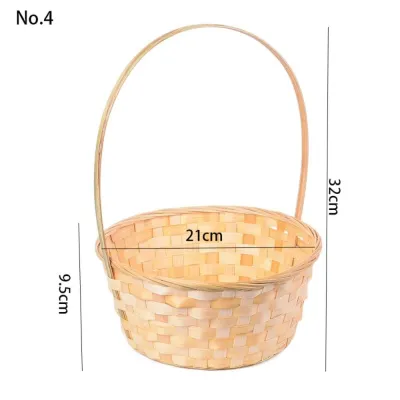
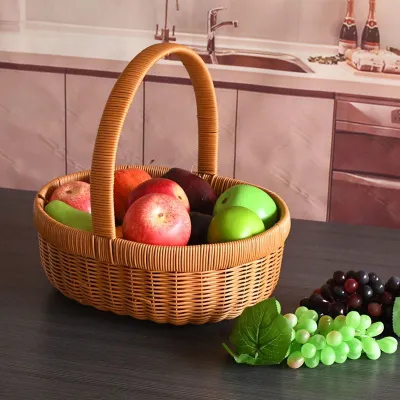
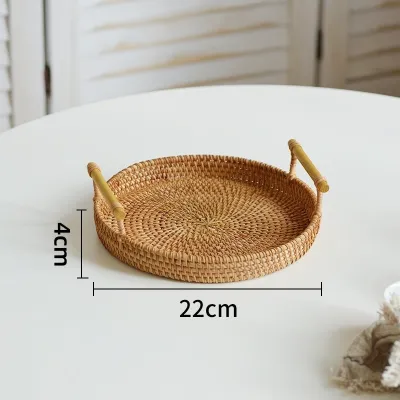
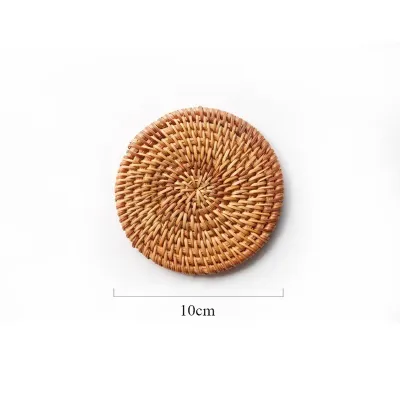
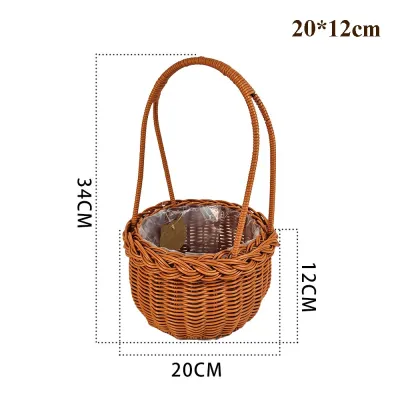
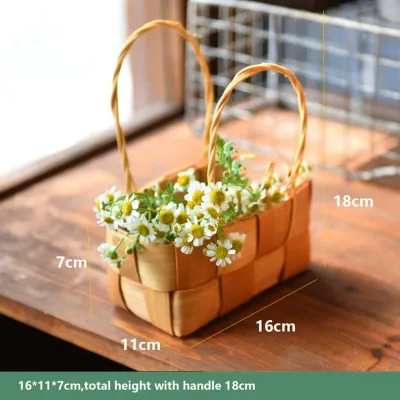
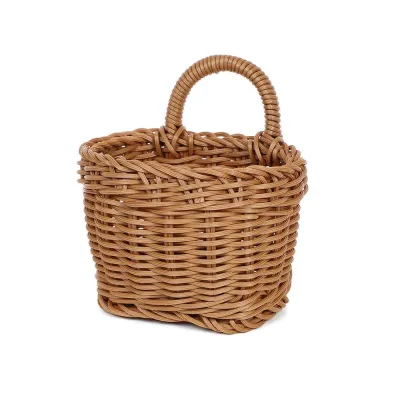
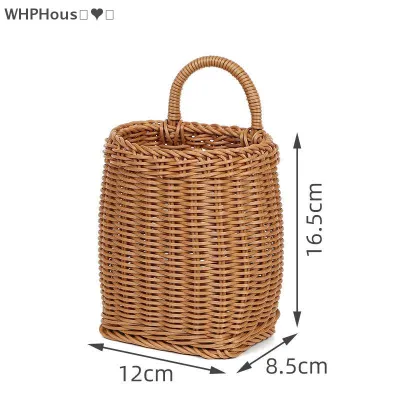
Prices are valid at publication and may change. Please refer to the product page for the latest price.
Cleaning is a critical step, particularly in warm, humid climates where moisture can quickly lead to mold or mildew growth. Wipe the entire basket down with a soft brush or a slightly damp microfiber cloth to remove dust from the crevices. Avoid soaking the rattan or using harsh chemical cleaners, which can strip the natural oils and weaken the fibers. Allow the basket to dry completely in a well-ventilated, shaded area before starting your arrangement.
Finally, select a protective barrier to place beneath the basket. Even well-finished rattan can scratch polished wood tables or leave moisture rings if fresh, cold fruits begin to condense. A simple fabric runner, a woven abaca placemat, or a clear plastic liner tucked discreetly inside the bottom of the basket will safeguard your furniture while adding an extra layer of texture to your overall design.
Choosing the Right Fillers and Accents
The items you choose to fill your rattan basket will define the theme and mood of your celebration. Start by selecting fruits that align with your event’s color palette. For a tropical gathering, vibrant local fruits such as bright yellow mangoes, green dalandan, deep red apples, or a small pineapple can serve as striking focal points. If you prefer a more subdued, elegant look, opt for monochromatic groupings, such as various shades of green pears, limes, and green grapes, which contrast beautifully with the warm brown tones of the rattan.

To elevate the arrangement from a simple fruit bowl to a curated centerpiece, incorporate natural accents that complement the woven texture. Sprigs of fresh eucalyptus, local fern fronds, or dried botanical elements like pinecones and cinnamon sticks add depth and visual interest. These accents break up the solid shapes of the fruits and introduce soft, organic lines that drape over the sides of the basket.
Achieving professional-looking height and volume does not require filling the entire basket with heavy produce. In fact, doing so can put unnecessary strain on the basket’s base and handle joints. Instead, use structural fillers to build height from within. Placing a block of dry floral foam, crumpled clean paper, or a small, lightweight inverted bowl at the bottom of the basket creates an elevated platform. This allows you to showcase your best fruits on top without needing a massive quantity of produce to fill the depth of the container.
Keep weight distribution in mind as you select your items. Heavy fruits like melons or large pineapples should be used sparingly and positioned carefully. If your basket features a delicate handle, avoid any styling that relies on hanging heavy items from it, as this can warp the rattan or cause the handle attachments to snap during transport.
Step-by-Step Arrangement for a Balanced Centerpiece
Begin your physical styling by establishing a secure foundation. Place your chosen structural filler—such as a small bowl or a piece of floral foam wrapped in a protective liner—firmly in the center of the basket’s base. This foundation should feel stable and not wobble when the basket is moved. If you are using fresh greenery that requires moisture, secure a small, water-filled floral vial to the stems before placing them to keep the foliage vibrant throughout the celebration.
Next, arrange your largest and heaviest fruits. Position these anchor items near the center and bottom of the basket to maintain a low center of gravity. For instance, place a couple of large mangoes or a central pomegranate first, ensuring their weight is distributed evenly so the basket does not tilt when lifted by the handle. Rotate the basket as you work to ensure the arrangement looks balanced from every angle, especially if guests will be seated all around the table.
Once the heavy anchors are in place, begin layering in your medium-sized fruits, such as citrus or plums, nesting them securely around the larger pieces. Fill the remaining gaps with smaller items like grapes, cherries, or local calamansi. Allowing a cluster of grapes to drape naturally over the edge of the basket softens the transition between the structured rattan and the table surface, creating a classic, abundant look.
Now, tuck your greenery and floral accents into the open spaces between the fruits. Use the natural curves of the leaves to frame the produce and draw the eye upward toward the handle. The handle itself is a major design element that should not be ignored. You can leave it bare to showcase the beautiful craftsmanship of the rattan, or you can wrap a delicate linen ribbon or abaca twine around it. If you choose to accent the handle with greenery, secure the stems with fine florist wire, ensuring they do not obstruct the grip if you plan to carry the basket.
Adapting the Centerpiece for Different Celebrations
One of the greatest advantages of a rattan centerpiece is its versatility across different seasons and themes. For a lively summer gathering or a local fiesta, lean into bright, energetic colors. Combine tropical fruits with bold, colorful blossoms like hibiscus or bougainvillea. The warm, earthy tone of the rattan acts as a grounding element, preventing the bright colors from overwhelming the table design.
When transitioning to intimate dinner parties or harvest-themed celebrations, shift your palette to warm, rich tones. Pair deep red grapes, pears, and dark plums with rustic accents like dried wheat stalks, cinnamon sticks, and autumn leaves. This setup evokes a cozy, comforting atmosphere that is perfect for evening gatherings.
To add a touch of magic to evening celebrations, consider integrating lighting elements into your centerpiece. Delicate micro LED fairy lights can be woven through the greenery and around the rattan handle to cast a warm, inviting glow over the table. When using electrical lighting, always verify that the product has appropriate safety certifications, such as the Philippine Standard (PS) or Import Commodity Clearance (ICC) mark, and ensure the battery pack is tucked safely away from moisture. Never use open-flame candles inside or directly adjacent to a dry rattan basket; instead, opt for high-quality, battery-operated LED candles to eliminate fire hazards.
Finally, always test the height of your completed centerpiece from a seated position. Sit in one of the dining chairs and look across the table. The top of the fruit arrangement and any handle accents should either sit below eye level or be sparse enough that they do not block the view of the guests sitting opposite you. Maintaining clear sightlines encourages easy conversation, ensuring your beautiful centerpiece enhances the dining experience rather than disrupting it.
Frequently Asked Questions (FAQ)
How do I clean a rattan basket after using it for fresh fruit?
To clean your rattan basket after hosting, start by removing all remaining fruit and decorative fillers. If any sticky residue or juice has dripped onto the weave, wipe the affected area immediately with a soft microfiber cloth dampened with warm water and a drop of mild dish soap. Avoid using harsh chemical cleaners, bleach, or abrasive scrubbing pads, which can damage the natural fibers and strip the protective finish. Once clean, wipe the basket with a dry cloth and place it in a well-ventilated indoor area or a shaded outdoor spot to air dry completely. Never store a damp rattan basket in a closed cupboard, as the trapped moisture can quickly encourage mold growth.
Can I use a rattan fruit basket outdoors for a garden party?
Yes, a rattan fruit basket makes an excellent addition to an outdoor garden party or patio gathering, but it requires protection from the elements. Natural rattan is sensitive to extreme moisture and direct, prolonged sunlight, which can cause the fibers to dry out, fade, or warp. Set up your centerpiece under a shaded canopy, umbrella, or covered veranda to shield it from intense midday heat. If unexpected rain occurs, bring the basket indoors immediately. After the celebration ends, do not leave the basket outside overnight, as evening dew can seep into the weave; return it to a dry, indoor storage space to preserve its shape and longevity.

Community discussion
Share your experience or ask a question. Comments are reviewed before publication.