
Creating a beautiful, aesthetic holiday centerpiece does not require a sprawling living room. In compact homes, apartments, or urban condominiums, styling an aesthetic Christmas tree is entirely about scale, strategic lighting, and a curated design theme. By choosing the right tree profile and layering decorations systematically, you can achieve a high-impact, sophisticated look that enhances your space rather than crowding it.
The secret lies in working with your room’s existing layout and lighting. Instead of trying to squeeze a traditional, wide-profile tree into a tight corner, a thoughtful approach prioritizes verticality, reflective ornaments, and streamlined proportions. This guide walks you through the step-by-step process of selecting, positioning, and decorating a compact Christmas tree that feels both festive and perfectly proportioned for your home.
Assessing Your Space and Choosing the Right Tree
Before purchasing any holiday decor, accurate physical measurements are essential to avoid a cramped layout. Begin by measuring the exact floor area where you plan to position the tree, keeping in mind that you need at least 30 to 50 centimeters of clearance around it for comfortable movement. Next, measure the vertical distance from the floor to your ceiling, and subtract at least 30 centimeters to account for the height of your tree stand and the tree topper.
Products mentioned in this guide

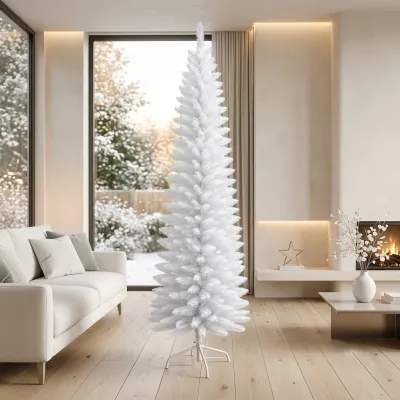

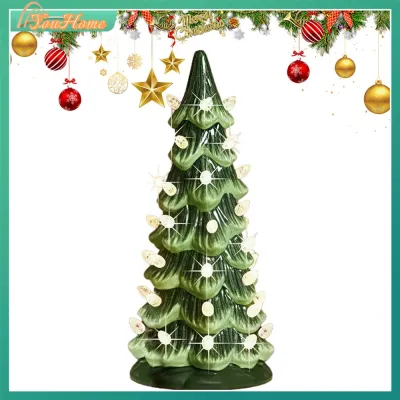
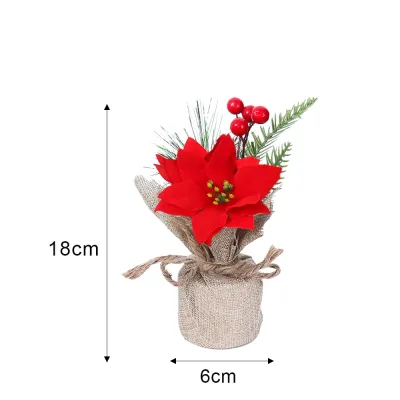
Prices are valid at publication and may change. Please refer to the product page for the latest price.
Traditional full-profile trees often overwhelm small rooms because their wide lower branches consume valuable floor space. For compact living areas, consider alternative tree profiles that offer a festive look with a much smaller footprint. Slim or pencil trees provide the height of a standard tree but feature a narrow diameter, making them ideal for tight corners. Half-wall trees, which are flat on one side, can be pushed directly flush against a wall to save half the floor space. Tabletop trees placed on a sturdy console table or sideboard elevate the holiday spirit without using any floor space at all, while wall-mounted flat trees made of branches or fairy lights offer a creative, zero-footprint alternative.
Stability and safety are equally critical when selecting your tree base. Ensure the stand is heavy enough to support the tree’s weight, especially if you choose a slim but tall model that may have a higher center of gravity. Check the distance from the tree’s designated spot to the nearest wall outlet; the power cord should reach the outlet easily without stretching across walkways, which creates a serious tripping hazard. If you must run a cord along the floor, use a low-profile rubber cord protector to keep it flat and secure.
Planning a Cohesive Color Palette and Theme
A common mistake in small-space decorating is using too many contrasting colors and ornament styles, which quickly creates visual clutter and makes a room feel smaller. To maintain an open, airy aesthetic, restrict your color palette to two or three coordinating tones. A classic combination of warm gold and soft champagne creates an elegant, reflective look, while a minimalist palette of white, silver, and pale wood tones brings a serene, Scandinavian-inspired feel to the room. If you prefer traditional colors, pairing deep forest green with rich burgundy and subtle brass accents keeps the design sophisticated without overwhelming the senses.

Your tree should harmonize with your existing living room furniture, wall colors, and ambient lighting. In tropical climates like the Philippines, where homes often feature natural wood, rattan, or light-colored fabrics to keep spaces feeling cool, integrating warm white lights and organic textures can create a seamless transition. Incorporating reflective materials—such as mercury glass, polished metallics, or mirrored ornaments—is an excellent design strategy for small spaces. These surfaces catch and bounce both natural light during the day and artificial light at night, visually expanding the room.
When planning your ornament collection, decide on a consistent density style. A minimalist approach uses fewer, carefully curated ornaments spaced widely apart, allowing the natural green of the branches to show through and creating a calm, uncluttered look. Alternatively, if you prefer a dense, lavishly decorated tree, ensure high uniformity by using ornaments of similar shapes, colors, and finishes. This consistency prevents the dense arrangement from looking chaotic, turning the tree into a singular, polished focal point.
Step-by-Step Layering for Maximum Visual Impact
Achieving a professional, balanced look on a compact tree requires a systematic, layered approach. By decorating from the inside out and the bottom up, you ensure every ornament is visible and the overall design remains cohesive.
Layer One: Base Lighting The foundation of any aesthetic tree is its lighting. If you are using an unlit artificial tree, start from the bottom of the trunk and wrap your light strings tightly around the base of each main branch, moving outward to the tip and then back toward the center before proceeding to the next branch. This technique creates depth by illuminating the interior of the tree, rather than just draping lights on the outer needles. For safety and compatibility in the Philippines, verify that your light strings are rated for 220V and carry official safety certifications, such as the Import Commodity Clearance (ICC) sticker or the Philippine Standard (PS) mark. Opt for warm white LED lights to create a cozy, inviting glow, or cool white if your theme leans toward a modern, icy aesthetic.
Layer Two: Core Decorations Once the lights are in place, introduce your primary design elements to establish a visual flow. Use larger ornaments, wide decorative ribbons, or fabric garlands to create structured lines. Instead of wrapping ribbon horizontally around the tree—which can make a slim tree look shorter—drape your ribbons vertically from the top down, tucking them gently into the branches to create elegant, cascading waves. If you are using large baubles, place them deeper inside the branches rather than hanging them on the outer tips. This positioning adds structural depth and hides any sparse areas in the tree’s interior.
Layer Three: Fillers With the core structure established, use medium and small ornaments to fill the remaining gaps. Distribute these items evenly, mixing different textures such as matte, glossy, and glitter finishes to keep the eye moving. You can also introduce natural elements like pinecones, faux berries, or dried florals to add organic texture. When decorating a small tree, avoid hanging heavy ornaments on weak, outer branches where they might droop or slip off; instead, secure them closer to the main branch joints.
Layer Four: Topper and Skirt Complete your tree with a proportionate topper and a clean base cover. A massive, heavy star or angel can make a slim or tabletop tree look top-heavy and unstable. Choose a lightweight, scaled-down topper that complements your theme. At the base, conceal the metal stand and unsightly cords using a tree skirt, a woven rattan collar, or a rustic fabric basket. In smaller rooms, a structured tree collar or basket is often preferable to a wide, flowing skirt because it keeps the footprint neat, compact, and easy to clean around.
Space-Saving Placement and Safety Checks
Finding the perfect spot for your Christmas tree in a limited layout requires balancing visual appeal with daily functionality. Corners are generally the most efficient placement option, as they utilize underused space and keep the tree out of main walking paths. Placing the tree near a window is another popular choice that allows you to enjoy the lights from both inside and outside, but ensure it does not block natural ventilation or emergency exit routes. Avoid placing the tree directly in front of high-traffic doorways, narrow hallways, or near heat sources like kitchen appliances or direct sunlight, which can degrade artificial tree materials over time.
Electrical safety is paramount when managing holiday decorations in tight quarters. Avoid overloading wall outlets by daisy-chaining multiple extension cords or plugging too many high-wattage devices into a single socket. Calculate the total wattage of your light strings to ensure they do not exceed the rated capacity of your extension cords or wall outlets. Keep all electrical connections dry and elevated off the floor, particularly in areas prone to humidity or accidental spills. Secure any loose cords along the baseboards using cable clips or painter’s tape to prevent tripping hazards for family members and guests.
If your household includes curious pets or young children, additional precautions are necessary to prevent accidents. Secure the tree to the wall or a heavy piece of furniture using clear monofilament fishing line and a small wall hook to prevent it from tipping over if bumped. Hang fragile glass or ceramic ornaments on the upper half of the tree, out of reach of wagging tails and small hands, and use shatterproof plastic, wood, or fabric ornaments on the lower branches.
Maintaining the Aesthetic Look Throughout the Season
To keep your compact Christmas tree looking pristine from the start of the festive season through the New Year, establish a simple weekly maintenance routine. Over time, gravity and daily activity can cause branches to sag and ornaments to shift. Take a few minutes every week to step back, view the tree from different angles, gently fluff any flattened artificial branches, and reposition ornaments that have slipped out of place.
Regularly inspect your lighting setup to ensure safety and visual consistency. If you notice flickering bulbs or damaged wires, unplug the light string immediately and replace the faulty bulbs or the entire strand if necessary. For those using artificial trees, dust can accumulate quickly on the needles, especially in urban environments. Gently dust the branches using a microfiber cloth or a soft brush attachment on a vacuum cleaner set to low suction.
If you opt for a real, potted, or cut Christmas tree, managing moisture and needle drop is crucial for both aesthetics and safety. Dry needles are highly flammable and lose their vibrant green color quickly. Check the water reservoir daily, ensuring the base of the trunk is always submerged in fresh water. Sweep or vacuum fallen needles regularly to keep the surrounding floor clean and prevent pets from swallowing them.
Frequently Asked Questions (FAQ)
Can I use a real tree in a small apartment?
Yes, you can use a real tree in a small apartment, but it requires careful selection and diligent maintenance. Potted living trees or small, table-top cut trees are excellent options that bring the authentic scent of pine into a compact space. However, real trees require consistent watering to prevent needle drop and dry-out, which can become a fire hazard in enclosed spaces. You must also ensure your apartment building’s regulations permit real trees, as some properties restrict them due to disposal challenges and potential pests. If you have limited time for daily maintenance or live in a highly humid environment where real trees dry out quickly, a high-quality artificial slim tree is a much lower-maintenance alternative.
How do I make a small tree look fuller?
To make a smaller or slightly sparse tree look dense and luxurious, start by thoroughly fluffing every branch of an artificial tree, spreading the tips in different directions to block any view of the center pole. Next, use deep-set lighting to illuminate the inner branches, which creates an illusion of depth. You can also insert decorative picks, faux pine branches, or eucalyptus stems into sparse gaps to add instant volume and texture. Finally, weaving wide, structured ribbons vertically through the branches and hanging larger, reflective ornaments deeper inside the tree will visually fill empty spaces, giving your compact tree a lush, professional appearance.

Community discussion
Share your experience or ask a question. Comments are reviewed before publication.