
Transforming your bedroom into a serene sanctuary requires a thoughtful approach to decoration, color, and spatial flow. Incorporating Chinese decoration elements, particularly traditional wall art, is an exceptional way to introduce a sense of quiet elegance and meditative calm into your personal space. The beauty of this design style lies in its poetic simplicity, balanced compositions, and deep connection to the natural world.
Achieving a harmonious look goes beyond simply driving a nail into the wall and hanging a frame. It requires understanding how the artwork interacts with your room’s unique layout, the local climate, and the existing furniture. By taking the time to plan your layout, select the right materials, and install your pieces securely, you can create a restful retreat that offers a soothing escape from the bustling outside world.
Assessing Your Bedroom Space and Wall Conditions
Before purchasing or hanging any artwork, you must carefully evaluate the physical characteristics of your bedroom. Begin by measuring the blank wall spaces, particularly the areas above your bed, opposite your sleeping area, or alongside major furniture pieces. It is essential to identify and preserve negative space—the empty areas around your decor—because overcrowding a wall instantly disrupts the visual quietness required for a restful sleep environment.
Products mentioned in this guide
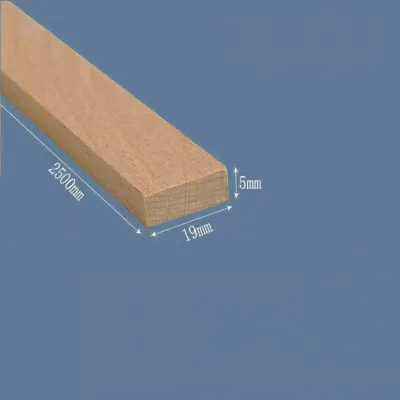
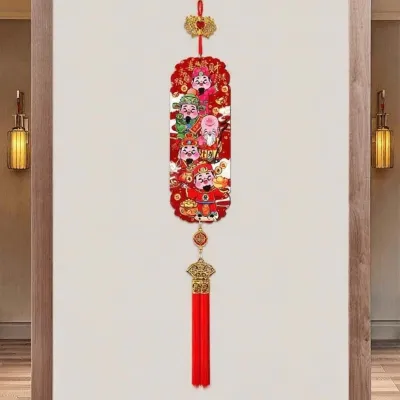
Prices are valid at publication and may change. Please refer to the product page for the latest price.
In tropical climates like the Philippines, wall construction and environmental conditions play a significant role in how you display art. Many local homes feature solid concrete or masonry walls, which require specific drilling tools and sturdy wall plugs rather than simple nails. If your bedroom has drywall partitions, you will need to locate the wooden studs or use specialized hollow-wall anchors to support the weight of heavy frames.
Additionally, take note of the natural and artificial light patterns in your room throughout the day. Intense, direct tropical sunlight can cause delicate paper scrolls, silk paintings, or canvas prints to fade prematurely. High humidity levels can also introduce moisture behind glass frames, potentially leading to mold or warping. Understanding these environmental factors allows you to choose the right framing materials and positioning to protect your investment over time.
Choosing the Right Chinese Wall Art for a Peaceful Vibe
Selecting the perfect piece of Chinese decoration for your bedroom involves focusing on themes and colors that promote relaxation. Traditional ink wash paintings (shanshui) depicting misty mountains, quiet rivers, and soft pine trees are ideal for creating a contemplative atmosphere. Gentle floral motifs, such as plum blossoms, lotus flowers, or elegant bamboo, offer a softer visual texture that complements a cozy bedroom setting without overwhelming the senses.

Color palettes should lean toward muted, earthy, or cool tones to foster a peaceful environment. Soft greys, charcoal black, pale greens, warm beiges, and delicate washes of blue work beautifully to soothe the eyes after a long day. Avoid highly saturated, aggressive colors like bright reds or high-contrast gold leaf patterns in large quantities, as these energetic shades can stimulate the mind and make it more difficult to wind down.
When it comes to materials, look for textures that bring a touch of nature indoors. Hand-painted silk scrolls, textured rice paper, and matte canvas prints offer a tactile warmth that synthetic materials cannot replicate. Frame your artwork with natural wood, bamboo, or simple matte black borders to maintain a clean, organic aesthetic that aligns with the calming principles of traditional Asian design.
Deciding between a single large statement piece and a multi-panel arrangement depends heavily on your wall’s proportions. A singular, expansive landscape painting acts as a powerful anchor for the room, drawing the eye and establishing a clear focal point. On the other hand, a series of two or three smaller, vertically oriented panels—such as a triptych of seasonal flora—creates a gentle, rhythmic visual flow that guides the eyes softly across the space.
Planning the Layout and Arrangement
Establishing a balanced layout is the key to making your bedroom feel grounded and intentional. The most common and effective focal point is the wall directly above your headboard, as it frames the bed and establishes the design theme of the entire room. Another excellent option is the wall directly opposite your bed, allowing you to gaze at a peaceful landscape the moment you wake up and right before you close your eyes.
To create a sense of stability and order, consider a symmetrical layout. Centering a large, horizontal frame or aligning two identical vertical scrolls side-by-side above your bed creates a classic, balanced look that feels incredibly secure and calming. Symmetry naturally reassures the brain, making it an excellent choice for spaces dedicated to rest and recovery.
If you prefer a more modern, organic feel, an asymmetrical arrangement can be highly effective. You can hang a single vertical artwork off-center on a wide wall, balancing the empty space on the opposite side with a low-profile nightstand holding a single ceramic vase or a small indoor plant. This approach relies on the concept of dynamic balance, where the artwork and the surrounding furniture work together to create a harmonious, uncluttered composition.
Regardless of the layout you choose, maintaining proper spacing is crucial for visual breathing room. Ensure there is a clear gap between the bottom of the frame and the top of your headboard or nightstands. Squeezing artwork too close to furniture or crowding it near the ceiling creates visual tension, which directly contradicts the peaceful, airy atmosphere you want to cultivate.
Step-by-Step Hanging and Installation Guide
Executing a secure and level installation ensures your artwork looks professional and remains safe on the wall. Before you begin, gather all the necessary tools to avoid mid-project interruptions. You will need a reliable measuring tape, a pencil for marking, a spirit level, a hammer, and a drill with the correct drill bits for your specific wall type.
Start by holding the artwork against the wall at your desired height, or have a family member hold it while you step back to evaluate the positioning. Once you are satisfied with the location, use your pencil to mark the top center of the frame on the wall. Measure the distance from the top of the frame to the hanging wire, bracket, or hook on the back of the art, and transfer this measurement downward from your initial wall mark to find your exact drilling point.
For concrete or masonry walls, which are standard in many homes, use a masonry drill bit to create a hole, insert a plastic wall plug (tox), and screw in a heavy-duty hanging hook. If you are working with drywall, use threaded drywall anchors or toggle bolts to ensure the weight is distributed safely. If you are hanging exceptionally heavy framed pieces, working at heights, or if your wall’s structural limits are unclear, always prioritize safety, follow the manufacturer’s instructions, and consult a qualified professional.
Once your hardware is securely in place, carefully hang the artwork. Place your spirit level on top of the frame and make minor micro-adjustments until the bubble is perfectly centered. Step back to view the piece from different angles in the room, ensuring it sits flush against the wall and aligns beautifully with your bedroom’s horizontal lines.
Complementing the Art with Lighting and Decor Accents
To truly elevate your Chinese decoration wall art, you must integrate it thoughtfully with the surrounding lighting and decor. Soft, warm-toned lighting is essential for creating a cozy, inviting evening ambiance. Avoid harsh, cool-white spotlights that can cause distracting glare on protective glass frames and disrupt your body’s natural sleep signals.
Consider installing adjustable picture lights or soft wall washers to gently illuminate the artwork’s details without overpowering the room. If you choose to install fixed electrical fixtures, always isolate the power at the circuit breaker before beginning any wiring work, follow the manufacturer’s installation instructions, and hire a certified electrician to ensure the setup complies with local safety standards.
Pairing your wall art with complementary decorative accents helps reinforce the natural, calming theme. Introduce organic textures such as a small potted bonsai, a sleek ceramic vase, or a wooden jewelry box on your dresser. These subtle touches echo the natural elements depicted in traditional Chinese paintings, creating a cohesive design narrative throughout your bedroom.
Finally, remember that less is always more when styling a peaceful bedroom. Resist the temptation to fill every empty surface with decorative items. By keeping your nightstands uncluttered and leaving plenty of open wall space around your main artwork, you allow the beauty of your Chinese wall art to stand out, ensuring your bedroom remains a quiet, balanced, and deeply restorative sanctuary.
Frequently Asked Questions (FAQ)
Can I mix Chinese wall art with modern bedroom furniture?
Yes, blending traditional Chinese art with modern bedroom furniture is an excellent way to create a sophisticated, contemporary look. To bridge the style gap, choose minimalist frames with clean lines, such as thin black metal or light natural wood, rather than ornate, heavy antique frames. Focus on color coordination by matching one or two subtle accent colors from the artwork with your modern bedding, throw pillows, or curtains. This thoughtful repetition of color, combined with generous negative space, allows the traditional art to serve as a stunning focal point that complements your modern furniture beautifully.
How high should I hang the artwork above the bed?
As a general guideline, the bottom of the artwork’s frame should hang approximately 20 to 30 centimeters above the top of your headboard. This spacing ensures the art feels visually connected to the bed, acting as a cohesive headboard extension rather than floating awkwardly on the wall. If your bedroom has exceptionally high ceilings, you can adjust this height slightly upward, but try to keep the center of the artwork close to eye level—roughly 140 to 150 centimeters from the floor—when standing. This height keeps the visual weight of the room balanced and comfortable for the eyes.
Community discussion
Share your experience or ask a question. Comments are reviewed before publication.