
Transforming a compact condo bedroom into a relaxing sanctuary requires thoughtful design choices, especially when floor space is limited. LED branch vine lights offer a flexible, organic way to introduce soft, layered illumination without cluttering your nightstands or dressers. By carefully planning your layout, shaping the bendable branches to mimic natural growth, and securing them with renter-friendly fasteners, you can easily achieve a warm, inviting atmosphere that makes your bedroom feel like a peaceful retreat.
Assessing Your Space and Power Sources
Before purchasing or installing your lighting, a thorough assessment of your condo bedroom’s physical layout and electrical setup is essential. Condo units in urban centers often feature compact bedrooms where every square meter counts. Start by measuring the wall dimensions, headboard width, and the vertical clearance of the areas you plan to decorate. Knowing these exact measurements prevents you from buying a vine light set that is either too short to make an impact or so long that it bunches awkwardly in the corners.
Next, map out the location of your electrical outlets. In typical Philippine condo developments, outlets may be limited or positioned in inconvenient spots. You will need to choose between three primary power configurations: standard plug-in models, USB-powered designs, or battery-operated units. Standard plug-in lights offer consistent brightness but require proximity to an outlet. USB-powered vine lights provide excellent flexibility, allowing you to run them off a standard phone adapter or even a portable power bank. Battery-operated models eliminate cords entirely but require regular battery replacements, which can become less economical over time.
Products mentioned in this guide
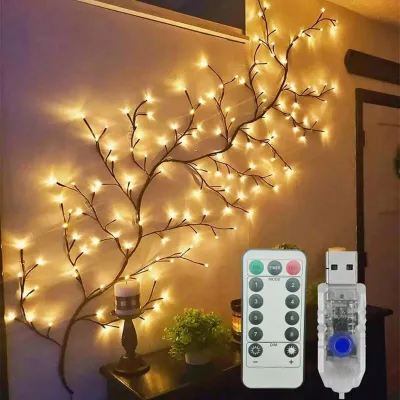

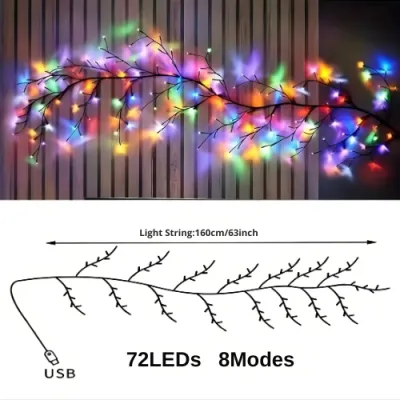
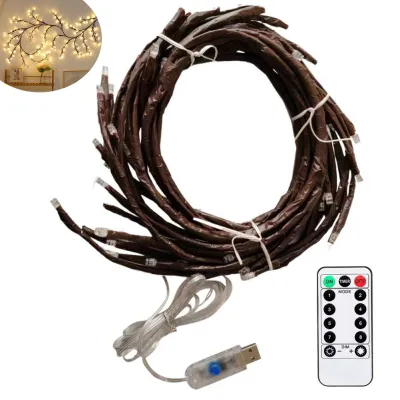
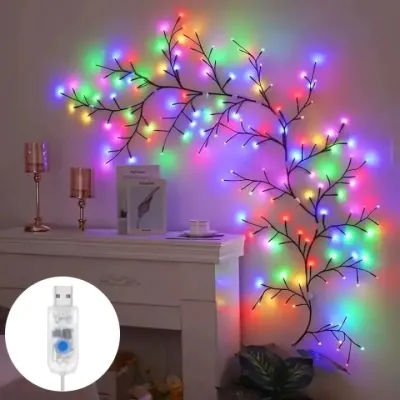
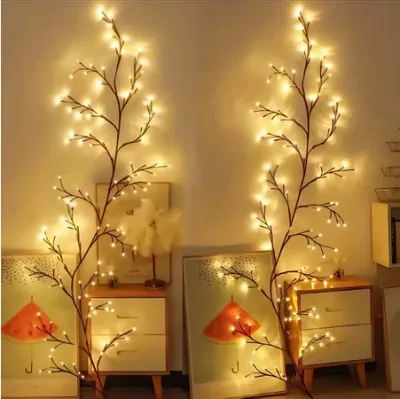
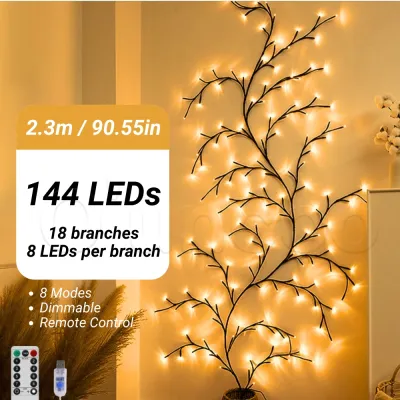
Prices are valid at publication and may change. Please refer to the product page for the latest price.
Finally, define specific “cozy zones” within your bedroom rather than trying to illuminate the entire space. In a small room, over-illumination can quickly wash out the cozy atmosphere and cause unwanted glare. Focus on a single accent area, such as the wall behind your bed or a quiet reading corner. This targeted approach creates visual depth, drawing the eye to a beautifully lit focal point while leaving other areas in soft, relaxing shadow.
Strategic Placement Ideas for Small Bedrooms
Maximizing the visual impact of LED branch vine lights in a compact space depends heavily on strategic placement. Because these lights feature a branch-like structure, they can be styled to look like climbing ivy or delicate twigs, adding both texture and light to your walls.

Framing the Bed and Headboard
The bed is naturally the focal point of any bedroom, making it the ideal location for ambient lighting. Outlining your headboard with vine lights creates a soft, halo-like glow that serves as a beautiful backdrop for reading or winding down at night. If you have a wooden or metal headboard, you can weave the flexible branches directly through the slats or frame elements to secure them in place.
For beds with canopy frames or minimalist poster designs, try wrapping the vine lights along the upper horizontal bars. This elevates the light source, casting a gentle, downward glow that mimics a starry canopy. If your bed lacks a headboard, you can mount the vine lights directly on the wall behind your pillows, shaping them into a graceful arch that visually frames the sleeping area.
Accentuating Windows and Curtains
Windows offer an excellent vertical canvas for displaying vine lights, especially in high-rise condos where night views can be framed beautifully. Weaving the branches along your curtain rods or trailing them down the sides of sheer panels creates a soft, diffused effect. The light filtering through sheer fabrics softens the individual LED hotspots, resulting in a gentle, atmospheric glow.
When working with window placements, avoid hiding the lights behind heavy blackout drapes, as this will completely block the ambient effect when the curtains are closed. Instead, mount the vine branches to frame the outer perimeter of the window frame. This ensures the warm glow remains visible whether your curtains are open or drawn shut, contrasting beautifully with the dark night sky outside.
Integrating with Indoor Plants and Shelves
Blending artificial lighting with natural elements is a highly effective way to create an organic, relaxing environment. The branch-like design of these LED lights makes them a perfect companion for indoor plant displays. You can gently wrap the wire branches around the stems of sturdy potted plants, such as a large Monstera or a snake plant, to illuminate their foliage from within. Always ensure the plants are kept dry during this process to prevent moisture from contacting the electrical components.
If you have floating shelves or wall-mounted bookshelves, trailing the vine lights along the edges adds depth to your display. Let the smaller branches drape naturally over the sides of the shelves, intermingling with books, photo frames, or small decorative items. This integration breaks up the rigid lines of modern condo furniture, introducing a softer, more organic aesthetic to the room.
Step-by-Step Guide to Shaping and Securing the Vines
Installing your vine lights correctly ensures they look natural and remain securely mounted without damaging your condo’s walls or furniture. Because many rental condos have strict rules against drilling or nailing into concrete walls, using damage-free mounting techniques is essential.
Preparation and Testing Before you begin mounting, unroll the vine lights completely on a flat surface and plug them in. Testing the lights beforehand allows you to verify that all LEDs are functioning, the remote control works, and there are no damaged wires. It is much easier to identify a faulty connection or a dead bulb while the lights are on the floor than after you have spent an hour mounting them to your wall.
Shaping the Branches Once you have verified the lights are working, unplug them from the power source to ensure safety during installation. LED branch vine lights typically feature a flexible copper or wire core wrapped in protective tape. Gently bend and spread the main branches and smaller offshoots to create organic, asymmetrical curves. Avoid creating stiff, 90-degree angles or perfectly straight lines; instead, mimic the natural, winding growth patterns of real climbing vines.
Renter-Friendly Mounting To secure the vines to your walls without leaving permanent marks, use removable transparent adhesive clips, mounting putty, or damage-free utility hooks. Before applying any adhesive, check the adhesive manufacturer’s instructions and your wall paint’s care guidelines to prevent peeling or surface damage. Clean the wall surface with a dry cloth to remove dust and humidity before applying any adhesive, as moisture can cause the clips to slip. Press the adhesive clips firmly against the wall according to the manufacturer’s instructions, then gently nestle the main wire trunk of the vine light into the clips. Always check the weight capacity of your adhesive clips to ensure they can support the weight of the vine branches.
Cable Management A clean installation is key to maintaining a relaxing environment. Hide excess wiring, bulky power adapters, or battery packs out of direct sight. You can tuck battery packs behind your headboard, place them inside a decorative woven basket on your bedside table, or use paintable cable sleeves to conceal cords running down to the floor outlets. Keeping these technical elements hidden preserves the illusion of a natural, glowing vine.
Tuning Brightness and Color for a Relaxing Vibe
The color temperature and brightness of your lighting directly influence your body’s ability to relax and prepare for sleep. When selecting LED branch vine lights, pay close attention to the light specifications to ensure they support a restful environment.
Opt for lights with a warm white color temperature, typically rated between 2700K and 3000K. This warm, golden hue mimics the gentle light of sunset, which helps promote relaxation and does not disrupt your body’s natural melatonin production. Avoid cool white or blue-toned LEDs (4000K to 6000K), as these mimic daylight and can increase alertness, making it harder to fall asleep.
Controlling the brightness level is equally important. Look for vine lights that include built-in dimming features, remote controls, or compatibility with smart plugs. Dimming the lights to around 10% to 30% of their maximum output creates a subtle, low-glare glow that is perfect for late-night wind-downs. If your lights do not have a built-in dimmer, plugging them into a smart plug allows you to set schedules and control the brightness via a smartphone app.
To prevent your bedroom from feeling flat or one-dimensional, practice layered lighting. Pair your vine lights with other low-level light sources, such as a small bedside lamp with a fabric shade or a warm-toned salt lamp. By distributing soft light sources at different heights and locations, you create a rich, multi-dimensional atmosphere that enhances the cozy feel of your condo.
Electrical Safety and Upkeep in Compact Spaces
Operating electrical decor in compact living spaces requires a mindful approach to safety and maintenance. Since tropical climates like the Philippines can experience high humidity, ensuring your electrical setups are dry and certified is paramount.
First, verify that your plug-in vine lights or USB adapters are fully compatible with the standard Philippine electrical system of 220V at 60Hz. Look for safety certifications such as the Philippine Standard (PS) quality mark or the Import Commodity Clearance (ICC) sticker on the power adapter. If you are using a USB adapter, ensure it comes from a reputable manufacturer and is rated for continuous use.
Avoid overloading your bedroom’s extension cords or power strips. While LED lights consume very little wattage, combining them on a single outlet with high-draw appliances like air conditioners, hair dryers, or laptop chargers can pose an electrical hazard. Keep all power cables organized and free of kinks or heavy pinches from furniture legs.
Although high-quality LEDs generate minimal heat compared to traditional incandescent bulbs, the power adapters, controllers, and battery packs can still warm up during prolonged use. Ensure these components are placed in well-ventilated areas, away from highly flammable fabrics, bedding, or enclosed mattress corners.
To keep your vine lights looking bright and clean, establish a simple maintenance routine. Over time, dust can accumulate on the small plastic leaves and bulbs, dimming their output. Unplug the lights completely and use a dry microfiber cloth or a soft-bristled brush to gently sweep away dust. Never use damp cloths, liquid sprays, or chemical cleaners on active electrical components. If you notice any flickering, exposed wires, or damaged insulation, discontinue use immediately and consult the manufacturer’s instructions or a qualified professional.
Frequently Asked Questions (FAQ)
Can I leave LED branch vine lights on all night?
While high-quality LED branch vine lights emit very little heat and are generally safe for extended use, leaving them on all night is not recommended. Continuous operation can shorten the lifespan of the LEDs and unnecessarily consume electricity. To enjoy a worry-free sleep, connect your vine lights to a smart plug or use a model with a built-in timer function to automatically turn them off after you fall asleep.
How do I hide the battery pack or power plug?
Bulky battery packs and power plugs can easily disrupt the clean, organic look of your vine lights. You can conceal battery packs by tucking them behind your headboard, placing them inside a small decorative woven basket on your nightstand, or mounting them to the back of your bedside table using removable hook-and-loop tape. For power plugs, use paintable cord covers that match your wall color, or position a potted plant or decorative frame in front of the outlet to block it from view.
Community discussion
Share your experience or ask a question. Comments are reviewed before publication.