
Styling metal wall art in a modern Filipino home requires a thoughtful balance between contemporary industrial design and the warm, breezy elements of tropical living. Metal wall art serves as a striking focal point, bringing texture, depth, and a touch of sophistication to clean, minimalist spaces. To successfully integrate these pieces into your home, you must consider how the metal’s finish, scale, and form interact with your existing furniture, natural lighting, and the architectural features of your room. By carefully selecting and positioning your artwork, you can elevate your interior design while maintaining a comfortable, inviting atmosphere that feels uniquely suited to the local climate and lifestyle.
Assessing Your Space and Choosing the Right Metal Art
Before purchasing a piece of metal wall art, evaluate the physical characteristics of the room where it will hang. Start by measuring the available wall space and considering the scale of the artwork relative to nearby furniture. A common design mistake is choosing a piece that is too small, which can make it look lost on a large wall, or selecting one that is too large, which can overwhelm the entire room. Ideally, the artwork should cover roughly 60% to 75% of the available wall space that is not occupied by furniture or architectural features.
Next, identify the dominant colors and undertones in your room to guide your choice of metal finish. Modern Filipino interiors often feature a mix of neutral tones, warm wood grains, and natural fibers. Warm metal finishes like gold, brass, and copper pair beautifully with warm color palettes, including creams, beige, terracotta, and rich wood tones. Conversely, cool finishes like silver, chrome, and brushed steel complement cool grays, blues, and crisp white walls, creating a sleek and ultra-modern aesthetic.
Products mentioned in this guide
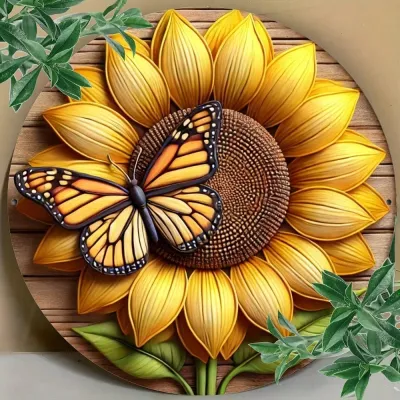
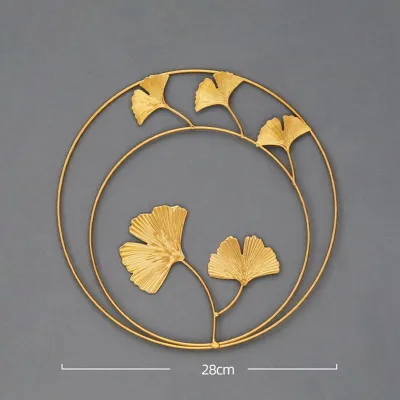
986 Lazada user ratings
very nice item and the price is also reasonable. It brings beauty in the house. this product is highly recommended 👌
Gandaaaaa.... Malaki sya... Napaka elegante... Thank you po.. More more more... Mukhang matibay.. Good quality
fast delivery. delivered within 2 days. securely packed. arrived without any damage. correct designs sent.
fabulous indeed. simple yet sophisticated look. well wrapped ang package. bravo 👏 👏 👏 👏 para kay seller 👍👍👍👌👌👌
wow ang Ganda..ang dami nagka gusto.nicevseller order uli ako Ng mlililit.ok nman ang packaging.
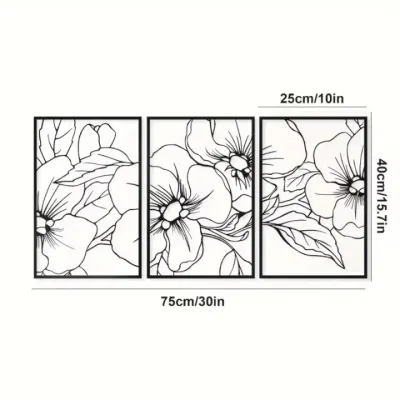
1 Lazada user ratings
🛠️Durability:ok 🎨Design:beautiful

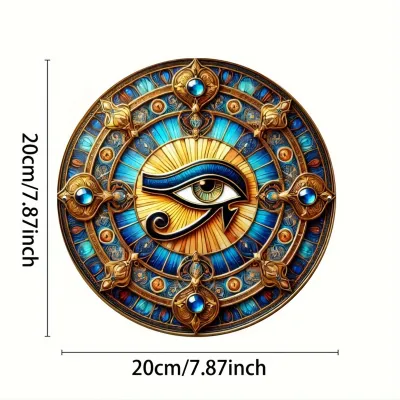

Prices are valid at publication and may change. Please refer to the product page for the latest price.
The abundant natural light in tropical climates also plays a significant role in how metal art appears in a space. Highly polished or reflective metal surfaces can create intense, distracting glare when placed directly opposite large windows or glass sliding doors. If your room receives direct sunlight, consider choosing matte, brushed, or powder-coated metal finishes that diffuse light softly rather than reflecting it harshly. This ensures the artwork remains comfortable to look at throughout the day.
Finally, consider the visual weight of the metal art, especially in open-plan layouts that are popular in modern homes. Open-plan designs rely on a sense of continuous flow and spaciousness. A solid, heavy metal panel can act as a visual barrier, making the space feel segmented or cramped. In contrast, open-frame, wire, or laser-cut metal designs allow the wall color to show through, maintaining an airy, light feel while still providing a strong artistic presence.
Strategic Placement for Maximum Visual Impact
To make the most of your metal wall art, you must position it where it can command attention without disrupting the flow of the room. Begin by identifying the primary sightlines and natural focal points in the space. These are the areas your eyes naturally land on when you first enter a room, such as the wall directly opposite the doorway or the main accent wall behind your seating area. Placing your artwork in these high-visibility zones maximizes its visual impact.

When aligning your art with furniture, applying the rule of thirds and centering techniques helps create a balanced composition. If you are hanging a piece above a sofa, console table, or sideboard, always center the artwork horizontally relative to the furniture below it. To maintain visual harmony, the width of the metal art should generally be about two-thirds to three-quarters the width of the furniture piece. This prevents the artwork from looking top-heavy or disconnected from the rest of the room.
Negative space is another crucial element when styling intricate metal designs. Because metal wall art often features complex shapes, negative space—the empty wall area surrounding the piece—acts as a visual frame that allows the design to breathe. Avoid crowding the artwork with other wall decor, light switches, or tall plants. Giving the piece ample breathing room ensures that its unique silhouette and the shadows it casts remain the central focus of the wall.
Living Room and Entryway Focal Points
The living room and entryway are the primary social zones of a home, making them ideal locations for bold, statement-making metal wall art. In the living room, positioning a large-scale metal sculpture above the main sofa instantly anchors the seating area and establishes a sophisticated design theme. Choose a design that complements the lines of your furniture, such as a horizontal geometric piece to mirror a low-profile modern sofa.
For the entryway, a medium-sized metal accent hung above a sleek console table creates an inviting first impression for guests. You can style this area by pairing the metal art with a simple ceramic tray for keys, a single decorative object, and a warm table lamp. This setup balances the industrial texture of the metal with functional, welcoming elements that define the entry path without obstructing movement.
If you prefer a more eclectic look, consider creating a mixed-media gallery wall in your living room. You can combine smaller metal accents with framed family photographs, canvas paintings, or even woven local baskets. The key to making this work is maintaining a consistent color palette or theme, allowing the different textures of metal, wood, paper, and fiber to contrast beautifully without looking cluttered.
Bedroom and Dining Area Accents
In more intimate spaces like the bedroom and dining area, metal wall art should enhance the ambiance without overpowering the room’s primary function. For the bedroom, select calming, symmetrical, or nature-inspired metal designs, such as abstract leaves, branches, or soft geometric patterns. Placing these pieces directly above the headboard creates a serene focal point that encourages relaxation and restfulness.
In the dining area, hang your metal wall art at eye level when seated, which is slightly lower than the standard standing eye-level rule. This placement ensures that the artwork remains a natural part of the dining experience, encouraging conversation among guests without forcing them to look upward. It also helps integrate the art into the immediate dining zone, making the space feel more cohesive and intimate.
Because both bedrooms and dining areas rely heavily on ambient lighting, such as bedside lamps or low-hanging dining chandeliers, managing glare is essential. Avoid highly reflective chrome or polished brass pieces in these areas, as they can bounce light directly into your eyes. Instead, opt for textured, dark, or matte finishes like oil-rubbed bronze or satin brass, which absorb light and create a softer, more inviting glow.
Mixing Metal Finishes with Existing Decor
Mixing different metal finishes is an excellent way to give your modern home a curated, designer look, but it requires a strategic approach to avoid looking disorganized. Start by establishing a single dominant metal finish that represents about 60% to 70% of the metallic elements in the room. This dominant finish is typically found on major fixtures like light pendants, cabinet hardware, or window frames. Your metal wall art can then serve as a matching anchor to reinforce this tone.
To successfully introduce a second or third metal finish, use your wall art as a deliberate contrasting accent. For example, if your room features dominant matte black hardware, hanging a warm brass or gold metal sculpture on the wall creates a stunning focal point. To bridge these different metal tones, incorporate smaller decorative accessories—such as candle holders, picture frames, or vase rims—that share the same finish as your wall art, creating a subtle visual connection throughout the space.
As a general rule for modern interiors, limit your selection to no more than two or three distinct metal finishes in a single room. Mixing too many different metals can create visual noise and disrupt the clean, intentional lines of modern design. Keep the undertones in mind: pair warm metals like gold and brass together, or cool metals like silver and chrome, using black or bronze as a neutral coordinator that works well with both.
To soften the industrial feel of metal wall art, pair it with warm, natural wood tones. In a modern Filipino home, integrating local hardwoods like acacia, mahogany, or tanguile provides an organic warmth that beautifully balances the cool, rigid nature of metal. Placing a metal sculpture against a wood-paneled accent wall or hanging it above a solid wood console table creates a rich contrast of materials that feels both contemporary and grounded.
Balancing Textures and Lighting in Modern Interiors
The beauty of metal wall art lies in its three-dimensional form and tactile surface. To fully appreciate these qualities, you must pay close attention to how you light the piece and the textures you place around it. Directional lighting is highly effective for highlighting the depth of metal sculptures. Installing adjustable track lights, recessed ceiling spotlights, or wall sconces allows you to angle light directly onto the artwork, casting dramatic shadows that change throughout the day.
Contrast is key to creating a visually rich modern interior. Balance the hard, smooth, and sometimes cold surface of metal wall art by surrounding it with soft, tactile textiles. Consider pairing your metal art with linen curtains, woven area rugs, or plush velvet upholstery. This juxtaposition of hard and soft materials prevents the room from feeling sterile, adding layers of comfort and warmth to your living space.
Incorporating natural elements is another excellent way to soften the metallic look and embrace a modern tropical aesthetic. Position indoor plants, such as a tall snake plant, a lush monstera, or a cascading pothos, near your metal wall art. The vibrant green foliage and organic shapes of the plants provide a stunning natural backdrop, making the metal art feel integrated into a living, breathing environment.
Finally, adjust the color temperature of your lighting to enhance the specific metal finish of your artwork. Warm white light, ranging from 2700K to 3000K, brings out the rich, glowing undertones of gold, brass, copper, and bronze. If your artwork is made of silver, chrome, or stainless steel, cool white light around 4000K will highlight its clean, crisp, and futuristic lines, enhancing the overall modern feel of the room.
Installation and Safety Considerations
Hanging metal wall art securely requires careful preparation, especially given the weight of metallic pieces and the structural characteristics of your home. Before you begin, always check the manufacturer’s weight specifications and recommended hanging hardware. Attempting to hang a heavy metal sculpture with standard nails or adhesive strips can result in severe damage to your walls or create a safety hazard if the piece falls.
In the Philippines, residential walls are commonly constructed from solid concrete, hollow concrete blocks, or plasterboard/drywall. Each of these materials requires specific fasteners to ensure a secure hold. For concrete or hollow block walls, you must use a masonry drill bit to create holes, insert plastic wall plugs (commonly known as tox), and secure the piece with heavy-duty screws. For drywall, ensure you mount the hanging hardware directly into a wall stud, or use specialized toggle bolts or hollow-wall anchors if a stud is not available.
Always use a spirit level and a measuring tape to mark your drilling points accurately before making any holes. Having a second person assist you during this process is highly recommended, as they can hold the artwork against the wall while you step back to verify the height and alignment. Taking these precise steps ensures a clean, professional installation and prevents the need for unsightly patchwork later on.
If your metal wall art is exceptionally heavy, features a complex multi-piece design, or requires structural modifications to hang safely, stop and consult a qualified professional installer. Ensuring the structural integrity of your wall and using the correct industrial-grade fasteners is essential for long-term safety, giving you peace of mind as you enjoy your beautiful new decor.
Frequently Asked Questions (FAQ)
How high should I hang metal wall art?
As a general rule, wall art should be hung so that the center of the piece is at eye level, which is approximately 57 to 60 inches from the floor. If you are hanging the metal art above a piece of furniture like a sofa or console table, the bottom of the artwork should sit roughly 6 to 8 inches above the top of the furniture. This spacing maintains a strong visual connection between the art and the furniture, preventing the piece from looking like it is floating aimlessly on the wall.
Can I mix different metal finishes in one room?
Yes, mixing metal finishes is highly encouraged in modern interior design as it adds depth, character, and a curated feel to the space. To do this successfully, choose one dominant metal finish to serve as your anchor, and use a second or third finish as a deliberate accent. Ensure you distribute the accent metals throughout the room in smaller accessories like frames, vases, or light fixtures to create a balanced, cohesive look rather than a cluttered one.
Community discussion
Share your experience or ask a question. Comments are reviewed before publication.