
Styling a picture frame with stand involves balancing visual weight, creating depth through layering, and choosing the right scale for your surface. Whether you are decorating a compact study desk, a deep living room shelf, or a wide entryway console, the key is to treat the frame’s built-in kickstand as an asset rather than an obstacle. By grouping frames in odd numbers, varying their heights, and pairing them with functional or organic accessories, you can transform scattered personal photos into a curated, intentional design feature that enhances your home’s overall aesthetic.
Core Principles for Displaying Picture Frame Stands
To create a visually pleasing display on any flat surface, you must first understand how objects interact with the surrounding space. Visual weight is not about the actual physical weight of a frame, but how much attention it draws. A thick, dark wooden frame carries more visual weight than a thin, metallic one of the same size. When arranging multiple frames, place heavier or larger frames toward the back or center of your arrangement to anchor the display, then layer lighter, smaller frames in front to create a natural sense of depth.
Proportion and scale are equally critical when selecting a picture frame with stand. A tiny frame placed alone on a massive mantelpiece will look lost and insignificant, while an oversized frame on a small side table can make the entire area feel cramped and unstable. Measure your surface before choosing your frames, ensuring there is ample breathing room around each piece. A good rule of thumb is to let the display occupy roughly two-thirds of the surface width, leaving the remaining space open to prevent visual clutter.
Products mentioned in this guide



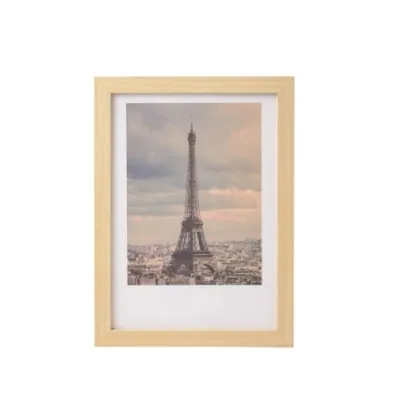
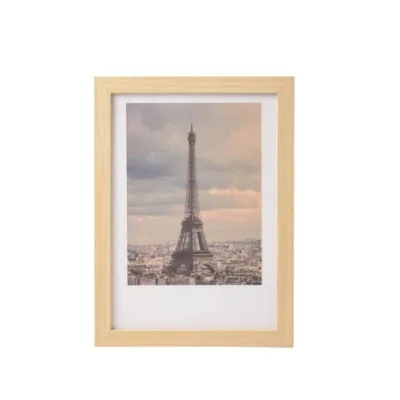
Prices are valid at publication and may change. Please refer to the product page for the latest price.
To guide the eye naturally across your display, utilize the rule of thirds and triangular grouping. Instead of lining up frames in a straight, monotonous row, arrange them in clusters of three or five. Position the tallest frame as the apex of a triangle, then place shorter frames or decorative objects on either side to form the base angles. This triangular structure creates a dynamic, balanced composition that feels organic rather than rigid.
Achieving a cohesive look does not require buying matching sets of identical frames. In fact, mixing materials can add rich texture and character to your space. You can balance different frame materials—such as warm acacia wood, sleek brass, or textured ceramic—by maintaining a common thread. This unifying element could be a consistent mat board width, a shared color palette in the photographs, or a similar design style, allowing your collection to look curated rather than chaotic.
Styling Picture Frames on Desks and Workspaces
A workspace requires a delicate balance between personal inspiration and functional efficiency. When styling a picture frame with stand on a desk, select compact sizes that do not interfere with your daily tasks. Large, bulky frames can easily obstruct computer monitors, desk lamps, or essential writing areas. Opt for smaller sizes, such as 4×6 or 5×7 inches, which provide a comforting personal touch without dominating your limited work surface.

Positioning is key to maintaining focus during long working hours. Place your standing frames in your peripheral zones—such as the back corners of the desk or alongside a desk organizer—rather than directly in your primary line of sight. This placement allows you to enjoy your cherished memories during natural breaks in your workflow without creating a constant visual distraction while you are trying to concentrate.
To make the display feel integrated rather than cluttered, pair your picture frame with functional desk accessories. Position a warm wooden frame next to a matching pen cup, a small brass tray for paperclips, or a low-maintenance indoor plant like a snake plant or a small succulent. This blending of decorative and practical items softens the clinical feel of office equipment, creating a more inviting and personalized environment.
In tropical climates where humidity can be high, consider the placement of your desk relative to windows and air conditioning units. Avoid placing standing frames directly under AC vents where condensation might form, or in direct sunlight which can cause photos to fade rapidly. If your desk is near a window, check that the backing of the frame is moisture-resistant to protect your prints from warping over time.
Arranging Picture Frame Stands on Shelves and Bookcases
Shelves and bookcases offer excellent opportunities for vertical styling, but they can quickly look cluttered if frames are simply lined up side by side. To create a sophisticated, layered look, use the depth of the shelf to your advantage. Place larger, leaning frames or stacked books at the back of the shelf to serve as a backdrop, then position a smaller picture frame with stand slightly forward and to the side, overlapping the background elements. This layering technique instantly adds dimension and draws the observer in.
To keep the display dynamic, alternate between horizontal and vertical frame orientations as you move from one shelf to another. If the top shelf features a vertical portrait frame, style the shelf below it with a horizontal landscape frame paired with a stack of books. This alternating pattern prevents the eye from getting bored and guides the viewer’s gaze smoothly across the entire bookcase.
Negative space is just as important as the objects you display. Resist the urge to fill every square inch of your shelving unit. Leave open areas between your frame clusters and other decorative items, such as ceramic vases, bookends, or small sculptures. This empty space gives the eyes a place to rest, making the overall arrangement feel intentional, airy, and clean rather than overcrowded.
When styling open shelves in humid environments, pay close attention to the materials of your frames and the backing boards. Cardboard backings on cheaper frames can absorb moisture from the air, leading to sagging or mold growth. Opt for frames with sturdy wood, plastic, or metal backings, and ensure there is a small gap between the back of the frame stand and the wall to allow for proper air circulation.
Designing Picture Frame Layouts for Mantels and Consoles
Mantels and console tables are highly visible focal points in a home, demanding a thoughtful design approach. For a modern, relaxed aesthetic, consider creating an asymmetrical gallery look. Instead of placing identical frames symmetrically on both ends of the surface, cluster a group of varying frame sizes on one side. Balance this cluster on the opposite side with a single, visually heavy object, such as a tall table lamp or a large decorative bowl, to maintain equilibrium without perfect symmetry.
To anchor a wide console table or mantel, start with a large central element. This could be a substantial piece of wall-mounted art or a large leaning mirror. Once your anchor is in place, position your picture frame stands around it. Pair the frames with tall, slender items like brass candlesticks, glass vases filled with tropical foliage, or ceramic jars to introduce height variation and break up the flat horizontal line of the surface.
Safety and stability are paramount on high-traffic surfaces like entry consoles or mantels. Ensure that the kickstand of each frame is fully extended and locked into place, and position the frames far enough back from the edge to prevent accidental bumps from knocking them over. If you are styling a mantel above an active fireplace, verify that the heat output does not exceed the safe limits for your frame materials, adhesives, or photographs, as excessive heat can warp wood and damage delicate prints.
When arranging frames on a console table near an entryway, consider the movement of people and doors. High-traffic zones are prone to vibrations that can cause standing frames to shift over time. Choosing frames with wider, sturdier easel backs or weighted bases will help keep your displays secure and upright despite the daily hustle and bustle of the household.
Common Display Mistakes and How to Fix Them
One of the most common styling mistakes is the “soldier row” effect, where frames of the same size are lined up in a straight, rigid line along a surface. This arrangement looks clinical and uninspired. To fix this, break up the line by introducing variety. Swap out some frames for different sizes, stack a few horizontally on top of hardback books to raise their height, and overlap the edges of the frames to create a layered, lived-in feel.
Another frequent issue is structural instability, especially on polished wood, glass, or slightly uneven surfaces. A picture frame with stand that wobbles or slides easily is a hazard to both the photograph and the surface itself. Always check the stability of your frames by gently tapping the surface; if the frame shifts or tips, it needs adjustment. Placing small, non-damaging protective pads on the bottom of the frame and its stand can instantly improve grip and protect your furniture from scratches.
Over-decorating is a common pitfall that dilutes the impact of your personal photographs. When too many small decorative items, souvenirs, and frames compete for attention on a single surface, the display becomes visual noise. Edit your display regularly by removing items that do not contribute to the overall theme or color palette. Remember that a few well-placed, high-quality frames will always make a stronger design statement than a crowded collection of miscellaneous knick-knacks.
Frequently Asked Questions (FAQ)
How do I keep picture frame stands from slipping on glass or polished wood?
To prevent picture frame stands from sliding on smooth, polished surfaces, start by checking the manufacturer’s care instructions for both your frame and your furniture. Applying unsuitable adhesives can permanently ruin delicate wood finishes or leave unsightly residue on glass. For a safe, non-damaging solution, apply small, self-adhesive felt pads or clear silicone bumpers to the bottom edges of the frame and the tip of the kickstand. These pads provide excellent traction, absorb minor vibrations, and prevent the hard edges of the frame from scratching your tabletop. If you are dealing with highly valuable antique furniture or extremely delicate surfaces, consult a professional conservator before applying any grip-enhancing products.
Can I mix different frame styles and colors in one display?
Yes, mixing different frame styles and colors can create a beautifully curated, eclectic display, provided there is a unifying element to tie them together. To keep the arrangement cohesive rather than chaotic, try using consistent mat board colors, such as all off-white or all black, which creates a visual boundary between the diverse frames and the photos. Alternatively, you can display only black-and-white photographs to unify frames of different materials like wood, metal, and plastic. If the display begins to feel visually overwhelming, edit the collection by removing the most contrasting frame or replacing it with a simpler design to restore balance and focus to your display.
Community discussion
Share your experience or ask a question. Comments are reviewed before publication.