
Styling shell lanterns on an outdoor patio requires a thoughtful balance of natural textures, strategic placement, and appropriate illumination to capture a relaxed, coastal aesthetic. By treating these delicate fixtures as both functional light sources and sculptural design elements, you can transform a standard outdoor space into a serene, seaside retreat. Achieving a cohesive look involves more than just placing a lantern on a table; it requires understanding how the organic patterns of capiz or scallop shells interact with your patio’s layout, existing furniture, and the surrounding tropical environment.
Evaluating Your Patio Layout and Lighting Needs
Before purchasing or arranging your decor, take a close look at the physical layout of your outdoor patio to identify where light is most needed. Key focal points such as dining tables, lounge seating areas, and entryway walkways serve as natural anchor points. A dining table benefits from a centralized, low-glare light source that facilitates conversation, while lounge areas require softer, indirect illumination to foster relaxation. Walkways and steps demand clear, downward-facing light to ensure safe passage.
Evaluating your existing ambient light is crucial to preventing over-illumination, which can quickly ruin a relaxed coastal atmosphere. If your patio already has bright overhead security lights or wall sconces, adding multiple bright lanterns can create harsh glare and wash out the delicate, translucent beauty of the shells. Aim instead for a layered lighting effect where the shell lanterns act as soft, warm accent lights that complement, rather than compete with, your primary light sources.
Products mentioned in this guide
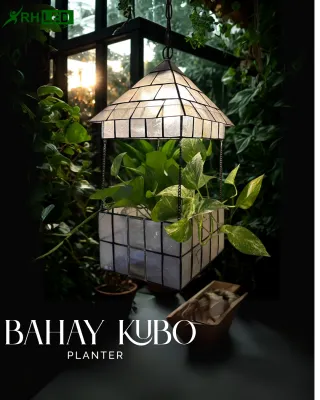
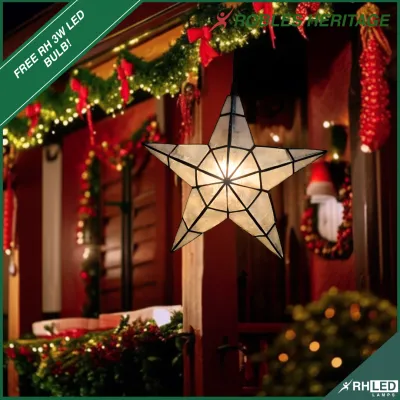
Prices are valid at publication and may change. Please refer to the product page for the latest price.
Finally, check the availability and location of outdoor power sources around your patio. If your layout lacks accessible, weather-sealed outdoor outlets, you will need to plan for battery-operated or solar-powered alternatives. Relying on long, exposed extension cords can create tripping hazards and detract from the clean, uncluttered look of a coastal design. Solar-powered lanterns work exceptionally well in open, sunny areas, while battery-operated LED pillars offer reliable, cord-free illumination for covered dining tables and deep lounge corners.
Choosing Weather-Resistant Shell Lanterns for Outdoors
Selecting the right shell lanterns for outdoor use requires careful attention to materials and construction to ensure they can withstand tropical elements. Always verify manufacturer labels and product specifications to confirm that a lantern is rated for outdoor suitability, moisture resistance, and UV protection. Natural shells, such as capiz, are inherently organic and can degrade, discolor, or become brittle when exposed to constant direct sunlight and high humidity without proper protective coatings. Look for lanterns that feature rust-resistant metal frames, such as powder-coated aluminum or treated stainless steel, to prevent unsightly rust stains on your patio floor.

Stability is another critical factor to assess, especially in breezy or exposed patio environments where sudden gusts of wind can easily tip over lightweight decor. Examine the base of the lantern to ensure it is wide, flat, and heavy enough to remain upright on various surfaces. If you plan to hang your lanterns, verify that the hanging loops, chains, and mounting brackets are structurally sound and rated to support the weight of the fixture. For fixed wiring installations or suspended loads in damp outdoor areas, always prioritize safety by isolating the power source, following the manufacturer’s installation instructions, and consulting a qualified professional to handle the electrical connections.
To protect the delicate shell panels from heat damage and minimize fire hazards, prioritize safe, low-heat light sources. Traditional wax candles generate significant heat and soot, which can scorch natural shells, melt the adhesive holding them together, or even ignite nearby combustible materials. Opt instead for modern LED fixtures, battery-operated flameless candles, or integrated solar components. When choosing electrical bulbs for wired lanterns, verify the voltage, base interface, and maximum wattage limits specified by the manufacturer to ensure complete compatibility and safe operation within your outdoor electrical setup.
Layering and Grouping Shell Lanterns for Visual Impact
To elevate your patio from a simple outdoor space to a designer-level coastal retreat, focus on strategic layering and grouping techniques. A single lantern sitting alone can look lost, whereas grouping fixtures creates an intentional, eye-catching focal point. Apply the classic design rule of odds by arranging lanterns in groups of three or five, which is naturally more appealing to the human eye than even-numbered pairings. To add depth and movement, vary the heights of the lanterns within each group. You can achieve this height variation by placing some lanterns directly on the floor, elevating others on weather-resistant wooden stools, or setting smaller fixtures on outdoor pedestals.
Instead of scattering your lanterns randomly across the entire patio, concentrate them in dedicated, clustered vignettes. A sideboard, a low coffee table, or an unused corner of the patio floor are excellent locations for these styled groupings. When clustering lanterns, position the tallest fixture toward the back or center, and layer the medium and smaller lanterns around it. This nesting technique creates a sense of structure and abundance, mimicking the natural, casual way shells wash up on a shoreline.
To anchor the coastal theme and tie the arrangement together, incorporate natural base fillers around and within your lantern displays. Placing a shallow layer of fine white sand, smooth sea glass, or small pieces of weathered driftwood at the base of your lanterns adds authentic texture and visual interest. If you are using flameless LED candles inside glass-sided shell lanterns, you can even place a small amount of sand or tiny shells directly inside the lantern base to secure the candle in place. Ensure that any organic fillers used are clean, dry, and kept away from any active electrical connections or heat-generating components.
Pairing Lanterns with Coastal Textures and Furniture
Integrating your shell lanterns with your existing patio furniture and decor is essential for creating a unified, harmonious design scheme. Start by building a cohesive color palette that complements the natural, iridescent tones of the shells. Focus on soft, sandy neutrals, crisp whites, and muted ocean blues or seafoam greens. These colors reflect the natural coastal landscape and allow the delicate textures of the shell lanterns to stand out without being overwhelmed by overly bright or contrasting hues.
Thoughtful material mixing is the key to achieving a sophisticated coastal look rather than a kitschy beach theme. Pair the delicate, smooth, and slightly glossy texture of shell lanterns with contrasting outdoor materials. Weathered teak or eucalyptus wood furniture provides a rustic, grounded base, while hand-woven rattan, wicker, or seagrass chairs introduce rich, organic patterns. Woven outdoor textiles, such as linen-look performance fabrics, chunky knit pillows, and flat-weave performance rugs, add layers of softness that balance the hard surfaces of the patio hardscaping.
To maximize the visual impact of your lighting, use outdoor-rated cushions, throws, and drapery to catch and soften the warm, ambient glow of the lanterns. Placing a lantern near a light-colored outdoor sofa or a textured woven screen allows the light to bounce gently off the fabric, creating a warm, inviting atmosphere. This interplay between the soft, diffused light filtering through the translucent shells and the rich, tactile surfaces of your outdoor furniture makes the patio feel like a natural extension of your indoor living space.
Cleaning and Protecting Shell Lanterns from the Elements
Regular maintenance and protective care are vital to preserving the beauty and structural integrity of your shell lanterns, especially in tropical climates characterized by high humidity and salty air. Dust and clean the shells gently using a soft, dry microfiber cloth or a feather duster to remove accumulated dirt, pollen, and salt residue. For stubborn grime, use a slightly damp cloth with plain water, avoiding any harsh chemical cleaners, acidic solutions, or abrasive scrubs, as these can strip away the natural luster of the shells and weaken the protective clear coat.
Electrical safety should always be a top priority when maintaining outdoor lighting fixtures. Regularly inspect the battery compartments of your cordless lanterns for signs of corrosion, white powdery buildup, or moisture intrusion, and replace old batteries promptly. If you use wired lanterns, check the outdoor extension cords, plugs, and sockets for any signs of fraying, cracking, or wear before each season of use. Ensure that all outdoor electrical connections remain elevated off the ground and protected from standing water or heavy rain runoff.
During periods of extreme weather, such as heavy monsoon rains, strong tropical winds, or prolonged humid seasons, store your shell lanterns indoors or in a dry, fully enclosed storage box. Leaving delicate shell fixtures exposed to severe weather can cause the shells to crack, the adhesive to fail, or the metal frames to corrode prematurely. Taking the time to bring your lanterns inside during storms ensures they remain beautiful and safe to use for many seasons to come.
Frequently Asked Questions (FAQ)
Can I use indoor shell lanterns on a covered patio?
While it may be tempting to bring indoor shell lanterns outside, they should only be used on a covered patio if they are completely protected from direct moisture, wind, and driving rain. Indoor-rated fixtures lack the weather-resistant seals, rust-proof hardware, and UV-resistant coatings required to withstand outdoor conditions. High ambient humidity levels can still cause the natural shells to degrade and the metal frames to rust over time, so monitor the lanterns closely and bring them indoors immediately after use or during damp weather.
What type of bulbs or candles work best inside shell lanterns?
Flameless LED candles and low-wattage outdoor LED bulbs are the safest and most effective choices for shell lanterns. Real wax candles pose a significant fire hazard near dry, combustible natural materials and generate intense heat that can scorch, crack, or melt the delicate shells and adhesives. Outdoor-rated LED bulbs provide a consistent, cool-to-the-touch light source that preserves the integrity of the lantern while offering the warm, flickering ambiance of a real flame without the safety risks.
How do I prevent lightweight shell lanterns from tipping over?
To secure lightweight shell lanterns on breezy patios, you can add discreet weights, such as heavy decorative stones or clean river pebbles, directly to the inside base of the lantern. For flat, stable surfaces like sideboards or coffee tables, applying a small amount of outdoor-safe museum wax or removable mounting putty to the bottom of the fixture will keep it firmly anchored without damaging the patio furniture. Alternatively, opting for hanging lantern styles secured with heavy-duty hooks is an excellent solution for high-wind zones.
Community discussion
Share your experience or ask a question. Comments are reviewed before publication.