
Creating a cohesive white Christmas display in your home requires a thoughtful balance of illumination, placement, and cultural focal points. By pairing the clean, elegant glow of white Christmas lights with the traditional radiance of a parol, you can transform your living space into a sophisticated holiday sanctuary. Achieving this look is not just about hanging as many strands as possible; it is an art of layering different light styles, coordinating textures, and positioning key elements to guide the eye naturally through each room. In tropical climates where winter snow is absent, a well-designed white light display brings a crisp, refreshing, and festive atmosphere that feels both modern and deeply rooted in local holiday traditions.
Planning Your Layout and Gathering Supplies
Before hanging a single strand of lights, mapping out your design ensures a balanced arrangement and prevents mid-installation frustration. Begin by identifying the primary focal points in each room—such as a large window, a central staircase, or the main Christmas tree—where your eyes naturally rest. Walk around your space to locate all available power outlets and note their distance from these focal points. This initial assessment helps you determine where you will need extension cords and where you can safely route wires along baseboards or behind furniture to keep them out of sight.
Choosing a consistent color temperature is critical for a unified aesthetic. White lights generally fall into two categories: warm white, which emits a soft, golden glow reminiscent of candlelight, and cool white, which offers a bright, crisp, slightly blue-toned illumination. Mixing these two temperatures haphazardly in the same immediate area can create a jarring visual clash. Decide on one dominant temperature for your main displays to establish a harmonious foundation throughout your home.
Products mentioned in this guide
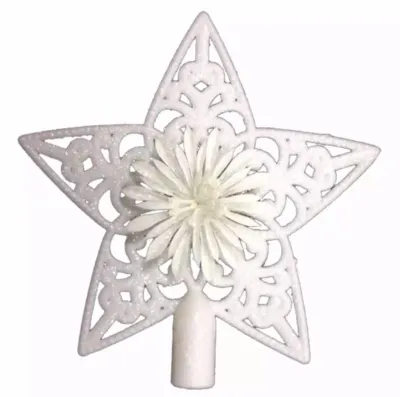
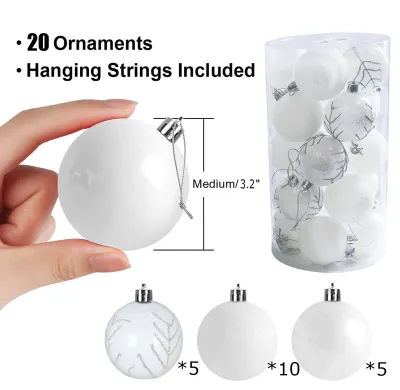
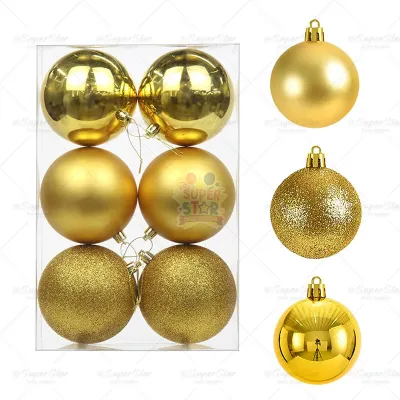
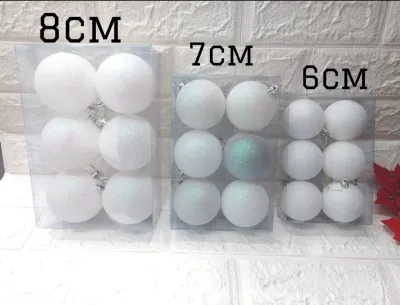
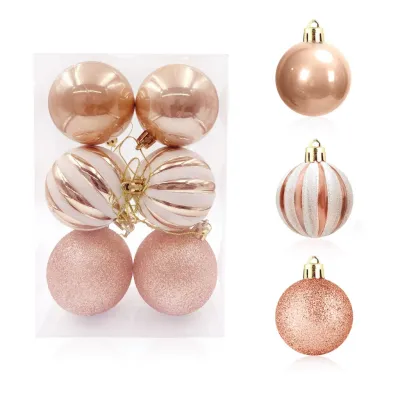
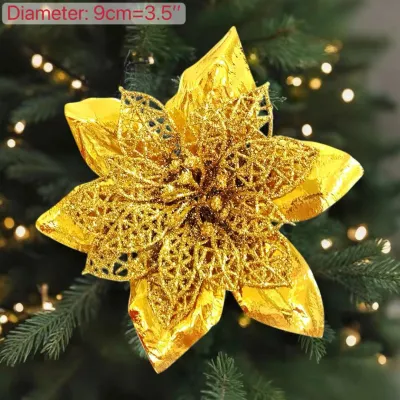
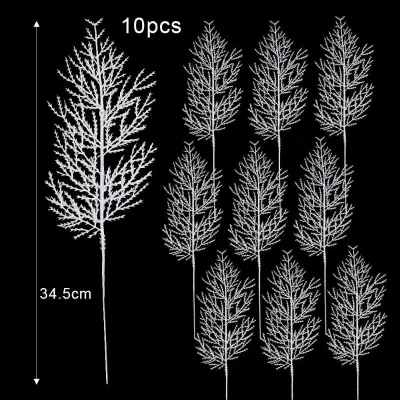
Prices are valid at publication and may change. Please refer to the product page for the latest price.
Gathering the right tools beforehand keeps the installation safe and efficient. Prepare a supply kit containing damage-free adhesive hooks, plastic cable clips, zip ties, and extension cords rated for your specific indoor or outdoor setup. Using dedicated clips and hooks prevents damage to your walls, ceilings, and wooden moldings, while zip ties are excellent for securing light strands to stair railings or tree branches.
Finally, measure the dimensions of your windows, mantels, and railings, and check these measurements against the lengths of your light strands. Knowing the exact length of your lighting runs prevents awkward gaps where the lights fall short, as well as excessive overlapping that can create distracting hot spots of intense brightness.
Layering Lights on Trees and Architectural Features
Layering lights on your Christmas tree and architectural features adds depth and dimension, turning flat surfaces into dynamic, glowing structures. When lighting a tree, avoid simply wrapping the outer needles in a circular fashion. Instead, work from the trunk outward, wrapping the main branches from the base to the tip and back. This technique weaves the lights into the interior of the tree, creating an inner glow that highlights the depth of the branches and makes ornaments pop.

For architectural features like stair railings, window frames, and mantels, draping lights with precision is key to a polished look. Use surface-safe clips to secure light strands tightly along the clean lines of your window frames, or let them drape in elegant, uniform swags along the front of a mantel or staircase. When wrapping handrails, ensure the light strands are wound tightly and secured with zip ties so they do not slip or interfere with anyone grasping the rail for support.
Adjusting your light density based on the scale of each feature prevents visual overcrowding. A massive living room window can handle multiple parallel strands or a dense curtain light arrangement, whereas a delicate mantelpiece might only require a single, subtle strand of micro-fairy lights nestled within a garland. Keep the spacing of your bulbs consistent across similar features to maintain a balanced visual weight throughout the room.
To prevent frustrating tangles and potential damage to the bulbs, always unspool your light strands completely on the floor before attempting to hang them. Plug each strand in to verify that all bulbs are functioning correctly before you begin mounting. This simple check saves you from the tedious task of locating a dead bulb or a faulty connection after the lights are already woven into a tree or clipped high on a wall.
Positioning Parol as Focal Points
The parol is the heart of a traditional holiday display, representing hope and light. To integrate this iconic star lantern into a modern white Christmas theme, treat it as your primary visual anchor. Select a parol size that is proportional to your room’s dimensions; an oversized lantern can overwhelm a small room with low ceilings, while a tiny parol may get lost in a spacious entryway with high ceilings.
Position your parol in high-visibility areas where it can command attention without obstructing daily movement. Excellent locations include the center of a large living room window facing the street, the middle of an entryway, or suspended directly above the dining table. Hanging the parol in these central spots allows its intricate patterns to serve as the main attraction, around which your other white lights and decorations are styled.
Coordinate the materials of your parol with your overall white aesthetic. A capiz shell parol offers a classic, pearlescent sheen that diffuses light softly, making it an excellent match for warm white lighting schemes. If your style leans more contemporary, a parol made of frosted acrylic or structured white paper can deliver a clean, minimalist look that pairs beautifully with both warm and cool white lights.
When hanging your parol, safety and clearance must be your top priorities. Ensure the lantern is positioned well away from ceiling fans, swinging doors, and high-traffic pathways where people might accidentally bump into it. If you are suspending a heavy capiz parol from the ceiling, verify that the mounting hook and the ceiling structure can support the weight safely, keeping the connection secure and elevated.
Combining Textures and Finishes for Visual Depth
An all-white holiday display runs the risk of looking flat or sterile if every element has the same texture. To create a rich, magazine-worthy look, mix different finishes that interact with your white lights in unique ways. Combine matte white ornaments, which absorb light and provide a soft, subtle presence, with glossy or metallic white baubles that reflect the surrounding glow and create sparkling points of interest. Frosted or translucent glass ornaments add a delicate, ice-like quality that diffuses light beautifully.
Incorporating natural elements introduces organic contrast and warmth to a monochromatic palette. Consider adding white-painted pinecones, dried baby’s breath, or bare, whitewashed branches to your garlands and tree displays. These natural textures break up the clean lines of artificial decorations, adding an earthy, rustic dimension that softens the overall look.
Varying your bulb shapes and sizes is another effective way to build visual depth. Instead of using the same standard mini-bulbs everywhere, mix delicate micro-fairy lights in your tabletop greenery, larger globe bulbs along your mantel, and cascading icicle lights in your windows. This variation in scale creates diverse light patterns and prevents the lighting from looking monotonous.
Balance your illuminated items with non-illuminated white textiles to make the space feel cozy and inviting. Layering plush faux fur throws, chunky knit blankets, and soft linen stockings around your seating areas and fireplace mantel provides a tactile contrast to the bright, crisp light. These soft surfaces absorb light and create a warm, comfortable environment that invites relaxation.
Electrical Safety and Installation Boundaries
A stunning holiday display is only successful if it is safe. Before plugging in any decorations, verify the electrical specifications of your light strands, parols, and extension cords. Check the manufacturer labels for voltage ratings, wattage limits, and official safety certifications suitable for your region. Ensure that any lights used outdoors are explicitly rated for outdoor use to withstand humidity and moisture, while indoor-only lights must remain strictly inside.
Calculate the total wattage of all light strands you plan to connect to a single outlet or power strip to avoid overloading your household circuits. Most standard LED light strands have low wattage demands, but traditional incandescent bulbs or large, motorized parols can draw significantly more power. Never daisy-chain more than the manufacturer-recommended number of light strands together, and use high-quality, surge-protected power strips rather than overloaded adapters.
Recognize the limits of DIY installation to protect yourself and your property. If your design requires fixed wiring alterations, mounting heavy fixtures to high ceilings, or running power lines through walls, stop and hire a qualified electrician. Working at heights on tall ladders or handling complex electrical connections poses serious risks that are best managed by a professional.
Keep all electrical connections elevated off the floor, especially in areas prone to moisture or high humidity. Route cords away from high-traffic walkways to prevent tripping hazards, and keep them out of reach of pets who might chew on the wires. Ensure that no light bulbs or warm electrical components are in direct contact with highly flammable materials, such as dry paper decorations or lightweight synthetic fabrics.
Final Walkthrough and Adjustments
Once your lights and parol are installed, conduct a thorough walkthrough to refine the display and ensure visual cohesion. Turn off the main room lights and view the space from multiple angles, including the main entrance, seating areas, and even from the street if you have window displays. Look for any dark gaps, unevenly spaced light strands, or areas where the light is excessively bright and distracting.
Take this opportunity to tidy up the installation by hiding exposed wires, bulky green plugs, and extension cords. Tuck wires behind furniture, secure them along the undersides of tables, or use white cord covers that blend into your baseboards. If a particular bulb is casting a harsh glare directly into a seating area, gently adjust its angle or nestle it deeper into the tree branches or garland to soften the effect.
If you are using automated timers or smart plugs, test them to ensure your lighting schedules function correctly. Setting your lights to turn on automatically at dusk and off late at night saves energy and ensures your home is always welcoming. Make any final, minor adjustments to the alignment of your parol or the drape of your lights during this nighttime viewing to ensure your display looks polished and balanced from every perspective.
Frequently Asked Questions (FAQ)
Can I mix warm white and cool white lights in the same room?
While it is generally best to stick to one color temperature to maintain a cohesive look, you can mix warm and cool white lights if you do so intentionally through zoning. Avoid placing warm and cool white bulbs directly next to each other on the same tree or mantel, as this creates a distracting visual clash. Instead, use cool white lights to mimic natural starlight or icicles in window displays, and reserve warm white lights for your main tree and seating areas to create a cozy, inviting indoor environment.
How do I safely hang a heavy parol on a standard ceiling?
To hang a heavy parol safely, you must verify its weight against the rated capacity of your mounting hardware. Never rely solely on standard adhesive hooks or simple drywall anchors for heavy lanterns, as they can pull free and cause damage or injury. Instead, use a stud finder to locate a solid wooden ceiling joist and secure a heavy-duty screw hook directly into the wood. If your ceiling structure does not allow for direct joist mounting, or if the parol is exceptionally heavy, consult a professional installer to ensure a secure, structurally sound installation.
Community discussion
Share your experience or ask a question. Comments are reviewed before publication.