
Transforming a compact condo balcony into a warm, inviting outdoor sanctuary requires a thoughtful approach to lighting. Traditional wired fixtures often present installation challenges in high-rise buildings, where drilling into concrete walls or running extension cords can violate condominium association guidelines or create safety hazards. A solar-powered post lamp offers an elegant, self-sustaining alternative that bypasses these structural limitations entirely. By harnessing daily sunlight, these wireless fixtures allow you to introduce beautiful ambient illumination to your outdoor space without increasing your monthly utility bill.
To successfully integrate a Bosca solar post lamp into your balcony decor, you must balance aesthetic appeal with practical considerations like sun exposure, wind safety, and spatial layout. Unlike open gardens or spacious backyards, a high-rise balcony features unique architectural boundaries, such as overhead ceilings and adjacent building shadows, which directly affect how solar fixtures perform. With the right placement and styling techniques, you can maximize both the charging efficiency and the visual impact of your lamp, turning a simple concrete balcony into a cozy tropical retreat.
Assessing Your Balcony Space and Lighting Needs
Before positioning your solar post lamp, take the time to evaluate the physical dimensions and existing environmental conditions of your balcony. Begin by measuring the usable floor space, paying close attention to corners, narrow walkways, and the swing paths of doors or windows. Because condo balconies are often compact, a freestanding post lamp must be positioned where it will not obstruct daily movement or restrict the use of outdoor furniture. Identifying underutilized corner zones or edge boundaries is typically the most effective way to integrate a vertical fixture without sacrificing valuable floor area.
Products mentioned in this guide
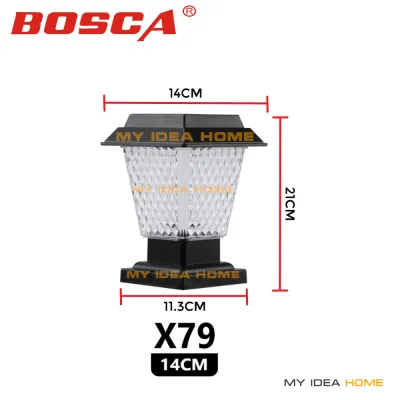
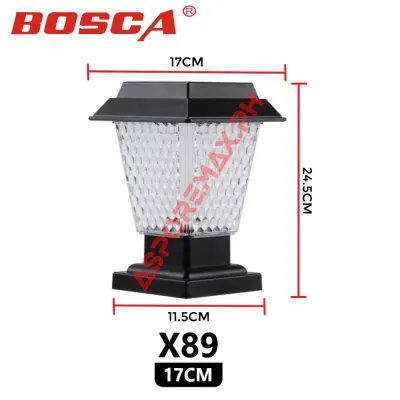
Prices are valid at publication and may change. Please refer to the product page for the latest price.
Next, analyze the existing light sources that influence your balcony during the evening hours. Urban condos are rarely in complete darkness; streetlights, neighboring units, and light spilling from your own living room glass doors all contribute to the baseline illumination of the space. Mapping these light sources helps you avoid over-illuminating the balcony, which can ruin the cozy, intimate atmosphere you want to create. If your living room lights are exceptionally bright, you may want to position your solar lamp in the furthest, darkest corner of the balcony to establish a balanced gradient of light.
Finally, define how you primarily intend to use your balcony during the evening. If your main activity is quiet lounging with a book or enjoying a glass of wine, you will require soft, low-intensity ambient light that minimizes eye strain. If you plan to use the space for dining or hosting small gatherings, you may need a slightly brighter setup or strategic placement that illuminates tabletop surfaces. Understanding these functional needs allows you to select the appropriate height and placement for your post lamp, ensuring it serves a practical purpose while enhancing the overall mood.
Strategic Placement Techniques for Solar Post Lamps
Positioning a solar post lamp on a condo balcony requires a careful balance between aesthetic design and solar physics. To create a sense of depth and make a small balcony feel more spacious, consider placing the lamp in one of the far corners. Corner placement frames the outdoor area, drawing the eye outward from the interior living space and establishing a clear visual boundary. This technique also ensures that the fixture remains out of high-traffic paths, reducing the risk of accidental bumps or tipping.

If you have a longer, linear balcony, a symmetrical arrangement can create a highly sophisticated, structured look. Placing matching post lamps at opposite ends of the balcony or flanking a central seating area establishes visual balance and guides the eye along the length of the space. When using multiple fixtures, ensure they are spaced far enough apart to prevent overlapping pools of bright light, which can create harsh glare and detract from the desired ambient effect.
The most critical factor for any solar-powered fixture is access to direct sunlight. Because condo balconies are covered by the floor above and are often flanked by neighboring high-rises, securing adequate sunlight can be challenging. Observe your balcony throughout the day to identify the areas that receive the most consistent, unobstructed sunlight during peak hours. Position the solar panel of your post lamp directly in these sunlit zones, ensuring that structural pillars, railings, or overhead ceilings do not cast shadows over the panel during the day.
Safety must also remain a top priority when placing freestanding fixtures in an elevated environment. High-rise balconies are subject to sudden, strong wind gusts that can easily tip over lightweight or top-heavy items. Keep your post lamp clear of sliding door tracks, folding chairs, and delicate glass decor that could be damaged if the lamp is accidentally shifted. If your balcony railing is open, position the lamp a safe distance away from the edge to prevent any risk of the fixture falling to the ground below during extreme weather events.
Styling and Layering for a Cozy Atmosphere
To achieve a truly professional and inviting lighting design, avoid relying on a single light source. Layering different types of light is the key to creating warmth, texture, and visual interest on your balcony. Use your solar post lamp as the primary mid-level anchor, and complement it with lower-intensity accent lighting. For instance, wrapping warm LED string lights around your balcony railing or placing small, battery-operated tea lights on a coffee table introduces multiple levels of illumination that soften the overall environment.
Integrating your lighting with natural elements is an excellent way to enhance the tropical, cozy feel of a balcony in the Philippines. Position your solar post lamp near potted plants, such as lush palms, snake plants, or broad-leafed monsteras. As the lamp illuminates the foliage, it will cast soft, organic shadows against the concrete balcony walls, adding depth and a touch of nature to the space. This interaction between light and shadow breaks up the sterile, hard lines of urban architecture, making your outdoor area feel like a private garden oasis.
When selecting and styling your post lamp, consider how its physical design coordinates with your existing outdoor furniture and decor. Matching the finish of the lamp post—whether it is a sleek matte black, a rustic bronze, or a modern metallic—with the frames of your chairs, tables, or planters creates a cohesive, curated look. If your balcony features natural wood or rattan furniture, a classic lantern-style post lamp can enhance the warm, organic aesthetic, while a minimalist geometric design pairs beautifully with modern, industrial-style decor.
To maintain a relaxing atmosphere, pay close attention to glare control. Direct, unshielded light shining into your eyes while you are seated can cause discomfort and ruin the cozy ambiance. Position the post lamp slightly behind or to the side of your primary seating area rather than directly in front of it. If your lamp model allows, adjust the height or use decorative elements like tall potted plants to partially diffuse the light, ensuring that only a soft, warm glow reaches your eyes.
Maintenance and Performance Checks for Condo Environments
Operating a solar post lamp on an elevated balcony exposes the fixture to unique environmental challenges, including wind, rain, and urban pollution. Regular maintenance is essential to ensure the lamp remains safe, stable, and performing at its best. Dust, pollen, and vehicle emissions can quickly accumulate on the solar panel, creating a thin film that blocks sunlight and reduces charging efficiency. Wipe the solar panel clean at least once every two weeks using a soft, damp microfiber cloth, avoiding abrasive scrubbers or harsh chemical cleaners that could scratch the surface.
Wind safety is a critical concern for high-rise residents, as wind speeds increase significantly at higher floors. To prevent your freestanding post lamp from tipping over during sudden gusts or tropical storms, you must ensure the base is securely weighted or anchored. Many post lamps feature hollow bases that can be filled with sand or water, or mounting plates that can be secured to heavy-duty planters. If drilling into the balcony floor is prohibited by your condo rules, placing the lamp base inside a heavy ceramic or concrete planter filled with soil is an excellent, non-destructive way to add stability.
Before exposing your lamp to the elements, verify its water resistance capabilities by checking the manufacturer’s specified IP (Ingress Protection) rating on the packaging or in the product manual. While most outdoor solar lights are designed to withstand light rain, heavy tropical downpours common in the Philippines require a higher level of water resistance. If a severe typhoon or tropical storm is forecasted, it is always safest to temporarily move the fixture indoors to prevent water damage or physical impact from flying debris.
Proper battery care will significantly extend the lifespan of your solar post lamp. Over time, rechargeable solar batteries lose their capacity to hold a charge, especially when exposed to extreme heat or prolonged periods of incomplete charging due to cloudy weather. Refer to your product manual for specific instructions on battery replacement and care. If you plan to travel or leave your condo unoccupied for an extended period, turn the fixture off and store it in a cool, dry indoor location to preserve the battery health.
Frequently Asked Questions (FAQ)
Can a solar post lamp charge effectively on a shaded condo balcony?
Solar post lamps rely on direct ultraviolet (UV) sunlight to charge their internal batteries efficiently. While solar panels can still absorb some energy on overcast days or under partial shade, the charging rate is significantly reduced, which directly impacts the brightness and runtime of the lamp at night. If your balcony is deeply shaded by an overhanging roof, adjacent high-rise buildings, or large trees, the lamp may only stay illuminated for a short period or fail to turn on entirely.
To determine if your balcony is suitable for solar lighting, track the sun’s movement across your outdoor space for a few days. Ideally, the solar panel should receive at least four to six hours of direct, unobstructed sunlight daily. If your balcony only receives partial sun, try positioning the lamp on the outermost edge of the railing where exposure is maximized, or check if your specific model supports a detachable solar panel that can be mounted in a sunnier spot.
Are solar post lamps safe to use near balcony plants and water features?
Yes, solar post lamps are generally safe to use around balcony plants and small water features, provided you take a few basic precautions. Because solar fixtures do not require electrical wiring or connection to a wall outlet, they eliminate the risk of electrical short circuits or shocks when exposed to moisture. However, you must verify the product’s specific IP (Ingress Protection) rating in the user manual to ensure it is rated for wet environments before placing it near water.
When positioning your lamp near potted plants, keep it clear of direct water runoff from heavy watering or dripping hanging baskets. Constant exposure to standing water or soil moisture can corrode the metal components or seep into the battery compartment of fixtures that are not fully sealed. Additionally, never submerge any part of the post lamp or place it directly inside a water feature unless the manufacturer explicitly states that the model is fully waterproof and rated for submersion.

Community discussion
Share your experience or ask a question. Comments are reviewed before publication.