
To arrange a figurine collection for the best visual impact, you must balance height variation, thematic grouping, and negative space while protecting your items from environmental damage. A successful display transforms a cluttered shelf into a curated gallery by guiding the viewer’s eye across distinct levels and focal points. By treating your shelving unit as a dynamic canvas rather than a storage space, you can showcase individual details without overwhelming the room’s overall decor.
Prepare Your Space and Collection
Before placing a single figure, assess the physical limits of your shelving unit. Measure the exact depth, height, and width of each shelf to ensure your largest pieces have adequate clearance. Check the manufacturer’s specified weight capacity, especially if you display heavy resin statues or solid vinyl figures, to prevent bowing or structural failure over time.
Clean both the shelving unit and your figurines thoroughly to establish a pristine foundation. Dust and oils can degrade paint finishes and attract more debris, so wipe down shelves with a microfiber cloth and gently clean figurines using a soft makeup brush or air blower.
Products mentioned in this guide
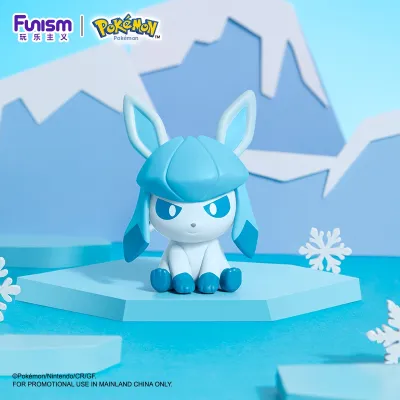
30 Lazada user ratings
Excellent quality and accurate product.. Plus quality ang free case. Will buy again soon..waiting sa ibang series. Thank you.
Quality product and accurate items. Plus impressive case. Will buy again soon. waiting lang sa ibang series.
Cute Pokémon design, Nostalgic collectible,
Nostalgic collectible, Cute Pokémon design,

147 Lazada user ratings
💰Price:10 🎨Design:10 🛠️Material:10Unique hollow design, Perfect gift choice, Perfect gift choice, Smooth surface, Smooth surface, Unique holl…Read full reviewShow less
💰Price:10 🎨Design:10 🛠️Material:10Unique hollow design, Perfect gift choice, Perfect gift choice, Smooth surface, Smooth surface, Unique hollow design,
💰Price:10👌👌👌👌👌 🎨Design:10 ganda ganda nya 🛠️Material:ok na ok👌👌👌👌👌 may dagdag display na naman ako gusto g gusto ko di sya kalakihan Pero ang ganda n…Read full reviewShow less
💰Price:10👌👌👌👌👌 🎨Design:10 ganda ganda nya 🛠️Material:ok na ok👌👌👌👌👌 may dagdag display na naman ako gusto g gusto ko di sya kalakihan Pero ang ganda nya
Artistic look, ganda
Elegant and stylish,
Prices are valid at publication and may change. Please refer to the product page for the latest price.
Sort your collection into logical categories before attempting to arrange them. Grouping items by size, franchise, or visual weight allows you to plan the layout on a separate surface, reducing the risk of accidental drops during the trial-and-error phase of styling.
Core Techniques for Visual Impact
Transforming a shelf from a simple storage rack into an eye-catching exhibit relies on a few fundamental design principles. By manipulating height, grouping related items, and leaving intentional empty spaces, you create a visual rhythm that guides the viewer’s eye naturally across the display.

These techniques prevent the “wall of plastic” effect, where individual figures blend into a chaotic mass of colors and shapes. Instead, a structured approach highlights the unique details of your favorite pieces while maintaining a clean, professional aesthetic that enhances your living space.
Create Height Variation with Risers
A flat row of figurines of similar heights quickly becomes monotonous and makes it difficult to see the pieces in the back. Utilizing risers is the most effective way to introduce vertical depth, allowing you to layer your collection and maximize the use of vertical shelf space.
Select risers made from materials that complement your room’s decor and the style of your collection. Clear acrylic risers are highly versatile because they virtually disappear on the shelf, keeping the focus entirely on the figurines. If your room has a warmer, more rustic aesthetic, wooden risers can add a touch of organic texture, while metal risers offer a sleek, modern look.
When arranging the figures, place the tallest items or those on high risers at the back of the shelf, and position shorter figures toward the front. This staggered arrangement creates a triangular visual flow, ensuring that no single piece is completely obscured by another.
Always verify that the risers are stable and large enough to accommodate the entire base footprint of each figurine. A base that hangs over the edge of a riser is highly susceptible to tipping, which can cause costly damage to fragile joints or delicate paint details.
Group by Theme, Color, or Scale
A cohesive display tells a story, which you can achieve by organizing your figurines into logical, thematic zones. Grouping figures by their specific franchise, character relationships, or shared narrative universes creates an immediate sense of purpose and harmony.
If your collection spans multiple unrelated series, try grouping them by shared color palettes instead. Placing figures with similar dominant colors together—such as a zone of cool blues and greens next to a zone of warm reds and oranges—creates a smooth visual transition that feels intentional rather than random.
Keep these distinct groups visually separated by leaving small gaps between them, which prevents the shelf from looking like a chaotic jumble. Maintaining scale consistency within specific zones also helps preserve proportional balance, ensuring that a massive 1/4 scale statue does not awkwardly dwarf a tiny chibi figure placed directly next to it.
Balance Negative Space and Density
One of the most common mistakes in displaying collectibles is trying to pack every available inch of shelf space. Negative space, or the empty area surrounding your figurines, is a powerful design tool that gives the viewer’s eyes a place to rest and allows individual pieces to stand out.
Apply basic styling principles by leaving generous breathing room around your focal points, such as premium statues or rare limited-edition figures. When a high-value piece is surrounded by empty space, it naturally commands attention and signals its importance to anyone viewing the collection.
Avoid the temptation to display your entire collection at once if it results in crowded, cluttered shelves. Using negative space to frame your figurines not only highlights their intricate details but also maintains a sophisticated, clean look that integrates seamlessly with the rest of your home decor.
Lighting and Environmental Protection
Proper lighting is essential for showcasing the fine details of your figurines, but it must be implemented safely to protect your investment. When installing display lighting, choose low-heat LED strip lights or adjustable LED spotlights rather than traditional halogen bulbs, which emit significant heat that can warp plastic or degrade delicate paint over time.
Before purchasing any lighting system, verify the electrical specifications, including the voltage, base or interface type, wattage limits, physical dimensions, and electrical safety certification. If your lighting setup requires fixed wiring, mounting in damp areas, or working at heights, always isolate the power source before starting, follow the manufacturer’s installation instructions carefully, or consult a qualified professional to ensure a safe installation.
When planning your lighting design, treat decorative styles, perceived color temperatures, and spatial lighting effects as conditional preferences rather than universal performance facts. Warm lighting can create a cozy, dramatic atmosphere, while cool white light often highlights fine details and modern aesthetics more clearly, depending on your personal taste and the theme of your collection.
Position your shelving units away from direct sunlight to prevent irreversible damage. Ultraviolet (UV) rays from the sun will rapidly fade paint pigments, yellow white plastics, and weaken structural materials, causing them to become brittle.
Additionally, monitor the temperature and humidity levels in your display room. In the Philippines, where tropical humidity can be high, monitoring indoor climate is especially important to prevent soft vinyl figures from becoming sticky, while extreme temperature fluctuations can cause materials to expand and contract, leading to joint warping or paint cracking.
Refresh and Rotate Your Display
Keeping your display dynamic prevents it from becoming a static background element that you eventually stop noticing. Instead of cramming new acquisitions onto already full shelves, establish a rotation system to keep the presentation fresh and engaging.
Store a portion of your collection in protective, acid-free storage boxes when they are not on display. This practice not only protects the figures from dust and light exposure but also ensures you always have a fresh selection of pieces to swap in.
Consider rotating your display seasonally, when you acquire new key pieces, or simply when you feel the layout has become stale. Swapping out figures, adjusting the heights of your risers, and changing the thematic groupings will give your older pieces a renewed visual presence and keep your hobby exciting.
Frequently Asked Questions (FAQ)
How do I keep tall or top-heavy figurines from falling?
To secure unstable or top-heavy figurines without causing permanent damage, use reversible museum wax or clear adhesive putty on the bottom of their bases. These products provide a strong grip on shelves and risers but can be easily removed without leaving sticky residue or stripping paint.
Ensure that your shelving unit is perfectly level and positioned away from high-traffic pathways, doors, or vibrating household appliances. If a figurine has an exceptionally fragile, uniquely shaped, or hollow base that cannot be safely anchored with putty, stop and consult the manufacturer’s guidelines or use a specialized display stand designed for that specific figure type.
Can I mix different scales and brands on the same shelf?
Yes, you can mix different scales and brands successfully by focusing on thematic or color coordination to unify the mismatched pieces. Creating a small diorama or grouping figures from the same media franchise—even if they are made by different manufacturers—helps bridge the gap between varying styles.
Use risers of different heights to align the eye levels or base planes of mismatched figures, which helps create a more cohesive visual line. Instead of scattering different sizes randomly, design intentional transitions, such as placing smaller figures on high risers in the back and larger figures on the shelf floor to balance the overall scale.

Community discussion
Share your experience or ask a question. Comments are reviewed before publication.