
Identifying a genuine Bosca 100W solar light requires a careful combination of physical inspection, packaging analysis, and purchasing vigilance. With the rising popularity of solar-powered outdoor lighting in the Philippines, counterfeit products have increasingly flooded online marketplaces and local physical stalls. Distinguishing an original unit from a cheap imitation is crucial not only to ensure you get the brightness you pay for but also to protect your property from electrical hazards. By understanding the specific design markers, material standards, and verification steps of authentic units, you can confidently secure a reliable lighting solution for your home or business.
Why Authenticity Matters for High-Wattage Solar Lights
High-wattage solar lights, such as 100W models, demand robust internal components to handle significant electrical currents and thermal loads. When you purchase a counterfeit solar light, you expose your home to serious safety hazards. Substandard lithium batteries commonly found in fake units are highly susceptible to swelling, overheating, and thermal runaway, especially when exposed to the intense tropical heat of the Philippines. Poorly insulated wiring and lack of proper circuit protection can lead to short circuits, creating a direct fire risk on your roof, garden post, or exterior walls.
Beyond safety, performance discrepancies are a major frustration for buyers of counterfeit goods. A fake 100W solar light rarely delivers its advertised brightness, often performing closer to a 10W or 20W unit due to low-grade LED chips and inefficient drivers. These imitation lights also suffer from rapid battery degradation, failing to stay illuminated throughout the night after only a few weeks of use. Furthermore, buying a counterfeit means you forfeit all forms of customer service, technical support, and warranty coverage, leaving you with no recourse when the unit inevitably fails.
Products mentioned in this guide
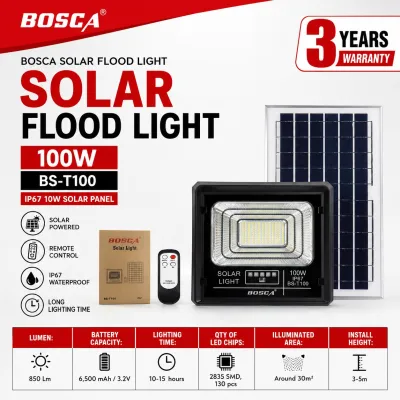
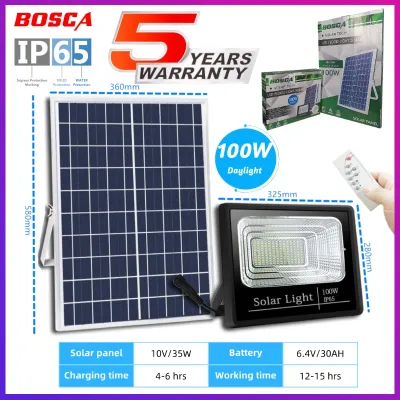
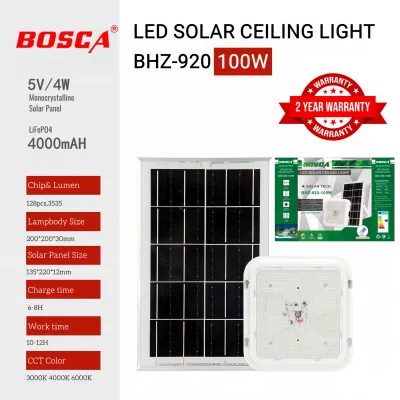
Prices are valid at publication and may change. Please refer to the product page for the latest price.
Physical and Packaging Checks to Spot Fakes
Spotting a counterfeit Bosca 100W solar light begins before you even turn the device on. The packaging is often the first giveaway of a substandard imitation. Original manufacturers invest in high-quality, thick cardboard packaging with crisp, high-resolution printing. Examine the box closely for faded colors, blurry images, and spelling or grammatical errors in the product descriptions and user manuals. Counterfeiters frequently copy packaging designs hastily, resulting in misaligned text, low-contrast logos, and generic instruction sheets that lack specific technical details.

Next, evaluate the physical build quality of the light fixture itself. Authentic high-wattage solar lights are constructed from durable, weather-resistant materials such as high-grade aluminum or thick, UV-stabilized polycarbonate designed to withstand harsh outdoor environments. If the housing feels flimsy, lightweight, or bends easily under moderate hand pressure, it is likely a fake. Pay close attention to the seams and joints of the fixture; original units feature clean, uniform seals to prevent water ingress, whereas counterfeits often show messy glue residue, uneven gaps, or poorly fitted rubber gaskets.
Finally, check the included accessories and technical markings. A genuine 100W solar light kit is a complete system, typically packaged with robust mounting brackets, heavy-duty screws, a functional remote control, and a comprehensive user manual. Look for official electrical certification marks, voltage ratings, and wattage limits printed clearly on the product label. If the mounting hardware feels thin and easily bendable, or if the remote control is made of cheap, clicky plastic without clear branding, you should question the authenticity of the entire package.
Performance and Build Quality Indicators
To truly verify a 100W solar light, you must look at its functional components, starting with the solar panel. A genuine 100W LED light requires a relatively large, high-efficiency solar panel to generate enough electricity to charge the internal battery fully during daylight hours. If the solar panel included in the box is surprisingly small, lightweight, or features unevenly spaced photovoltaic cells, it cannot physically produce the power required for a true 100W output. Compare the dimensions of the panel with standard specifications for high-wattage solar systems before mounting.
The battery compartment and internal sealing are also critical indicators of build quality. Outdoor lights in tropical climates must endure heavy monsoon rains and high humidity. Genuine units feature robust IP-rated sealing (typically IP65 or higher) around the battery compartment and wire entry points. Inspect these areas to ensure the rubber seals are thick and tightly seated. If you notice loose wires, exposed solder joints, or a battery compartment that is easily accessible without proper weatherproofing, the unit is highly vulnerable to water damage and is likely a counterfeit.
Additionally, observe the LED array density and the quality of the light output. Authentic 100W solar lights utilize a dense grid of high-quality LED chips soldered uniformly onto the circuit board. Counterfeit units often use fewer, lower-quality LEDs spaced far apart to cut manufacturing costs. When turned on, a fake light will often emit a harsh, bluish, or uneven light beam that fails to project across the expected outdoor area, whereas an original unit provides a bright, wide, and consistent illumination pattern. Note that while some users prefer a cool white light for security purposes, others might prefer a warmer color temperature for a softer spatial effect; these are subjective preferences rather than indicators of product quality.
How to Verify Through Official Channels
One of the most reliable ways to confirm whether your Bosca 100W solar light is original is by utilizing official manufacturer verification systems. Many reputable lighting brands place unique security labels, holographic stickers, or scratch-off verification codes on their product packaging or the light housing itself. Locate these identifiers and check them against the official brand website. If the packaging features a scratch-off area, gently reveal the code and enter it into the manufacturer’s official authentication portal to verify its legitimacy.
If you are still uncertain, you can contact the official customer support channels of the brand. Take clear, well-lit photographs of the product from multiple angles, focusing on the brand logo, the technical specification label, the serial number, and the packaging box. Send these images along with your purchase details to the official support email or verified social media pages. The manufacturer’s team can quickly identify whether the batch codes and physical design match their production records.
Be cautious when scanning QR codes printed on the box or product labels. While genuine products often use QR codes to link directly to user manuals or official verification pages, counterfeiters sometimes print QR codes that redirect users to sophisticated phishing websites designed to look like the official brand site. Always check the URL in your mobile browser after scanning to ensure it belongs to the official, secure domain of the manufacturer, rather than a suspicious or newly registered web address.
Choosing Reliable Purchasing Channels
Preventing the purchase of a counterfeit solar light is far easier than dealing with the aftermath of a scam. To minimize your risk, always prioritize buying from official brand stores, authorized physical dealers, or verified flagship sellers on major e-commerce platforms. Authorized distributors are vetted by the manufacturer and are contractually obligated to sell genuine products, ensuring you receive authentic hardware and a valid warranty.
When browsing online marketplaces, learn to identify common listing red flags. An unrealistically low price is the most common indicator of a counterfeit product. If a seller lists a “Bosca 100W solar light” for a fraction of the price found on the official store, it is almost certainly a fake. Counterfeiters also rely heavily on stock-only photos, vague product descriptions, and listings that avoid mentioning specific warranty terms.
Before checking out, thoroughly investigate the seller’s profile. Look for high overall ratings and read recent buyer reviews, paying close attention to reviews that include real photos and videos of the delivered product. Check if other buyers have complained about receiving fake items, poor build quality, or non-functional remotes. Additionally, verify the seller’s return and refund policies; reputable sellers will offer clear, hassle-free return windows if the product arrives damaged or does not match the advertised specifications.
What to Do If You Suspect a Counterfeit
If you suspect that the solar light you purchased is a counterfeit, you must take immediate action to protect your investment and your safety. First, document all physical and functional discrepancies. Take clear, high-resolution photographs of the blurry packaging, the flimsy plastic housing, any spelling errors, and the overall build of the unit. If possible, take a video showing the poor light output or any charging issues. This documentation will serve as crucial evidence when filing a dispute.
Next, initiate a return or refund request through the e-commerce platform’s buyer protection program or contact the physical store where you made the purchase. Most major online marketplaces have strict policies against the sale of counterfeit goods and will freeze the seller’s funds or issue a refund if you provide clear photographic proof of the fake item. Avoid confirming receipt of the order or leaving a final review until the platform has resolved your dispute.
Finally, for safety reasons, immediately discontinue using the suspected counterfeit unit. Do not attempt to mount it on high walls, roofs, or near flammable materials. Substandard batteries and uncertified electrical circuits pose a real risk of overheating or catching fire when left to charge under the hot sun. When installing or uninstalling outdoor solar lights, especially at height on walls or poles, always prioritize safety by using stable ladders and securing the fixture properly against wind loads. If your solar system involves any fixed electrical wiring or integration with home power grids, ensure you isolate the power source before handling, follow the manufacturer’s installation instructions carefully, or consult a qualified professional to prevent electrical hazards.
Frequently Asked Questions (FAQ)
Can a fake 100W solar light cause a fire hazard?
Yes, counterfeit solar lights pose a significant fire hazard. They often use substandard lithium-ion or lithium iron phosphate batteries that lack essential safety protection circuits. When exposed to high outdoor temperatures and continuous solar charging, these low-quality batteries can swell, leak, or overheat, potentially leading to thermal runaway and fire. Additionally, poor internal wiring and the absence of proper fuses increase the risk of electrical short circuits.
Is a heavier solar light always an indicator of an original product?
While genuine high-wattage solar lights generally feel heavier due to the use of robust materials like die-cast aluminum and thick glass, weight alone is not a foolproof indicator of authenticity. Some counterfeit manufacturers deliberately place heavy metal plates, scrap iron, or ballast inside the plastic housing of fake units to mimic the weight of an original product. It is always better to evaluate the overall build quality, seam seals, and solar panel size rather than relying solely on how heavy the unit feels.
Community discussion
Share your experience or ask a question. Comments are reviewed before publication.