
Spotting an original Bosco solar light requires a careful inspection of the packaging print quality, the physical build of the casing and solar panel, and the credibility of the seller. Counterfeit units often flood online marketplaces, mimicking the appearance of genuine security lights but failing to deliver the same performance, weatherproofing, or electrical safety. By systematically checking key visual markers and verifying seller credentials, you can protect your investment and ensure your outdoor spaces remain safely illuminated.
Why Authenticity Matters for Solar Security Lights
Outdoor security lights in tropical climates like the Philippines face intense heat, heavy monsoon rains, and high humidity. Genuine solar lights are engineered to withstand these harsh environmental conditions, utilizing robust seals and certified electrical components. Counterfeit units, however, often cut corners on material quality, leading to premature water ingress, short circuits, or complete system failure during a typical tropical downpour.
Substandard battery components represent a significant safety hazard in unauthorized products. Authentic manufacturers use graded, protected batteries equipped with overcharge protection circuits. Fake units frequently contain recycled or uncertified batteries that lack these safety mechanisms, increasing the risk of thermal runaway or swelling when exposed to prolonged, direct tropical sunlight.
Products mentioned in this guide
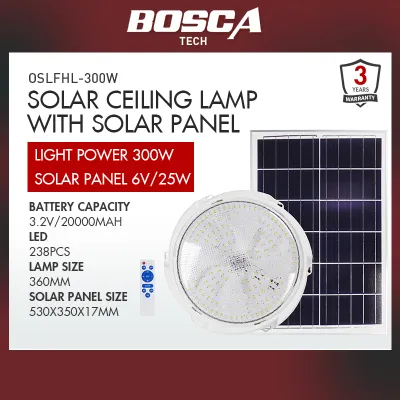
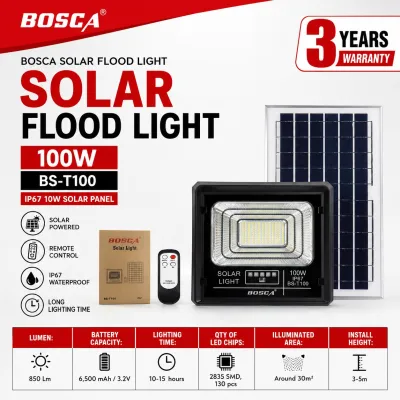
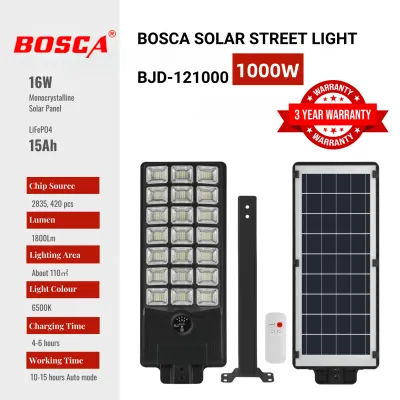
Prices are valid at publication and may change. Please refer to the product page for the latest price.
Furthermore, purchasing a counterfeit light strips you of any manufacturer warranty. If a genuine unit experiences a technical issue, authorized dealers can provide replacement parts or troubleshooting assistance. With a fake product, you have no recourse once the initial return window of an online marketplace closes, turning a supposedly cheap purchase into a total loss.
Reliability is the cornerstone of security lighting. A genuine motion-activated solar light relies on calibrated sensors and high-efficiency solar panels to ensure the light activates precisely when needed. Counterfeit models often feature low-grade sensors with poor detection ranges and inefficient solar cells that fail to charge the battery fully, leaving your property in the dark.
Key Visual and Physical Markers to Inspect
Verifying the authenticity of a solar light involves a systematic physical inspection of both the product and its packaging. While counterfeiters have become increasingly sophisticated in mimicking brand aesthetics, they rarely match the precise manufacturing tolerances of original equipment.

It is important to approach this inspection holistically. A single minor cosmetic variation might occasionally occur during legitimate production runs, but a combination of low-quality packaging, flimsy materials, and misaligned components strongly indicates a counterfeit product.
Packaging and Documentation Checks
Start your inspection with the exterior box. Genuine packaging features high-resolution printing, crisp typography, and accurate brand logos. Counterfeit boxes often exhibit blurry text, pixelated images, or slight variations in the brand name’s font and spacing, which are common tactics used to evade trademark detection.
Examine the product labels and documentation inside the box. Original units include a clear, well-translated user manual with detailed installation instructions and technical specifications. If the manual is missing, poorly printed, or filled with obvious grammatical and spelling errors, the product is highly likely to be an unauthorized reproduction.
Verify that the technical specifications listed on the box match the labels on the light fixture itself. Look for official certification marks, such as local or international electrical safety standards, printed clearly on the product rating label. Counterfeiters often print generic or fake certification logos that lack the proper formatting or registration numbers.
Build Quality and Material Indicators
Once you unbox the light, evaluate the physical construction of the fixture. Genuine solar lights feature precise seam alignment, high-grade UV-resistant plastics, or corrosion-resistant metal finishes designed to endure outdoor exposure. Run your fingers along the joints; rough edges, gaps in the casing, or visible glue residue indicate substandard manufacturing processes typical of fake units.
Pay close attention to the solar panel and its protective lens. Authentic panels use high-clarity tempered glass or specialized, durable polymers that maximize light transmission and resist yellowing over time. Counterfeit panels often use cheap, thin plastics that scratch easily, warp under heat, or show visible bubbles and misalignment in the solar cell grid.
Assess the weight and sturdiness of the fixture, including any integrated motion sensors or mounting brackets. Genuine units have a reassuring heft due to the quality of their internal heat sinks, batteries, and structural reinforcement. If the light feels unusually light, hollow, or if the mounting brackets bend easily under minimal pressure, the internal components have likely been compromised.
If your solar light installation requires working at height or integration with existing fixed wiring, always ensure the power is isolated and consult a qualified professional to prevent falls or electrical hazards.
Evaluating the Seller and Listing Details
Before purchasing on an online marketplace, conduct a thorough audit of the seller’s profile. Check the store’s overall rating, its age, and the ratio of positive to negative feedback. Legitimate distributors usually operate established stores with high positive ratings, whereas counterfeit sellers often use short-lived accounts that disappear once negative reviews accumulate.
Analyze customer reviews carefully, looking for red flags like repetitive phrasing or a sudden influx of highly positive reviews over a short period. Authentic reviews often include user-submitted photos and detailed feedback about durability. Pay close attention to low-star reviews, as buyers who received counterfeit units will often post warnings about poor build quality or non-functional sensors.
Compare listing images and product descriptions against official manufacturer specifications. Unauthorized sellers frequently use low-resolution stock photos, mismatched product titles, or omit crucial technical details like exact dimensions, battery capacity, and lumen output. If the listing description is vague or uses generic terms instead of specific model numbers, proceed with caution.
Pricing anomalies are one of the most reliable indicators of a counterfeit product. While seasonal promotions and authorized dealer discounts do occur, a price that is significantly lower than the standard market rate is a major red flag. Counterfeiters rely on the allure of an impossibly low price to entice buyers into overlooking other warning signs.
Official Verification Channels and Support
To ensure you are purchasing an original product, cross-reference the seller’s claims with official brand resources. Visit the official manufacturer website to locate their list of authorized dealers, physical retail partners, and certified online flagship stores. If a seller claims authorization but does not appear on these lists, treat their products as suspect.
If you have already purchased a unit, contact the official customer support channel directly to verify its authenticity. Provide them with the exact model number, batch code, or serial number printed on the product’s rating label, along with clear photos of the packaging. Authorized support teams can cross-reference these details with their production databases to confirm if the unit is genuine.
Avoid using unverified third-party verification apps or scanning QR codes printed on suspicious packaging that direct you to non-official websites. Counterfeiters often set up fake verification portals designed to mimic official brand sites. Always manually type the official manufacturer’s URL into your browser to access their support and verification tools.
What to Do If You Suspect a Counterfeit
If you receive a solar light and suspect it is a counterfeit, document the discrepancies immediately. Take clear, well-lit photographs of the packaging, product labels, physical defects, and any areas where the build quality falls short of genuine standards. Keep these photos alongside your original order confirmation and invoice as evidence.
Initiate a return or dispute process through the ecommerce platform’s official buyer protection program as quickly as possible. Do not contact the seller outside the platform’s official messaging system, and avoid accepting partial refunds that require you to close the dispute prematurely. Present your documented photographic evidence to the platform’s customer support to secure a full refund.
For your safety, do not attempt to install, mount, or wire a suspected counterfeit solar light. Substandard electrical connections, uncertified batteries, and poor weatherproofing pose real risks of short circuits, water damage, or electrical fires. Keep the unit powered off, store it in a cool, dry place away from flammable materials, and wait for instructions on how to return or safely dispose of the item.
Frequently Asked Questions (FAQ)
Can I rely solely on the price to identify a fake Bosco solar light?
No, price alone is not a foolproof indicator of authenticity. While an unusually low price is a strong warning sign, some sophisticated counterfeiters price their fake units only slightly below the market rate of genuine products to make the listing appear legitimate. To protect yourself, always combine price checks with a thorough evaluation of the seller’s reputation, customer reviews, and physical product details.
Do all genuine Bosco solar lights come with a warranty card?
The inclusion of a physical warranty card can vary depending on the specific model, production batch, and the region where it is sold. Some genuine models include a dedicated warranty card in the box, while others direct buyers to register their purchase online via the official website using a serial number. Always check the official manufacturer’s documentation guidelines for your specific model to confirm what should be included in the packaging.
Community discussion
Share your experience or ask a question. Comments are reviewed before publication.