
Identifying a genuine Bosco solar light requires a close examination of its physical build quality, verification of the packaging and documentation, and purchasing exclusively through authorized retail channels. Counterfeit units often reveal themselves through lightweight materials, misaligned solar panels, poor sealing against tropical humidity, and suspiciously low pricing on online marketplaces. Taking a few minutes to inspect these details protects your investment and ensures your outdoor lighting can safely withstand harsh weather conditions.
Why Authenticity Matters for Solar Lights
In tropical climates like the Philippines, outdoor lighting must endure intense heat, heavy downpours, and high humidity. Genuine solar lights are engineered with sealed battery compartments and weather-resistant casings to prevent water ingress. Counterfeit solar lights, however, often skimp on these protective measures, using low-grade sealants that degrade quickly under the sun. This poor insulation can lead to short circuits, rapid battery failure, or even thermal hazards from uncertified lithium-ion batteries.
Beyond safety, performance is a major differentiator. Original solar fixtures utilize calibrated solar panels and efficient LED arrays designed to provide consistent illumination throughout the night. Fake units typically feature low-efficiency solar cells that fail to charge fully, especially during the rainy season when sunlight is limited. Furthermore, buying a counterfeit means forfeiting any manufacturer warranty or customer support, leaving you with no recourse when the unit stops working after a few weeks.
Products mentioned in this guide
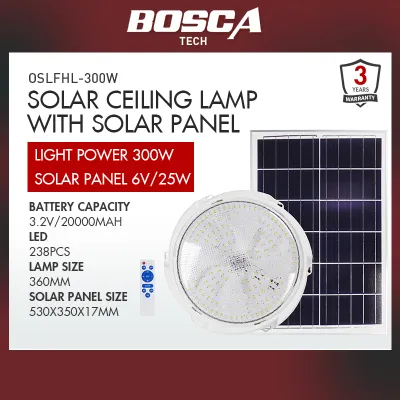
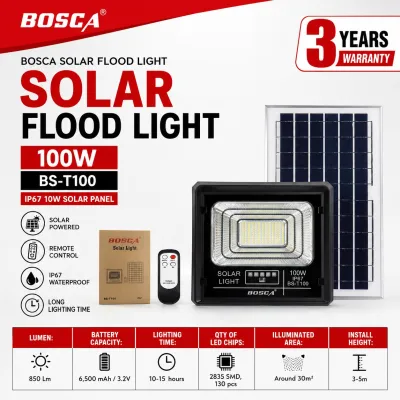
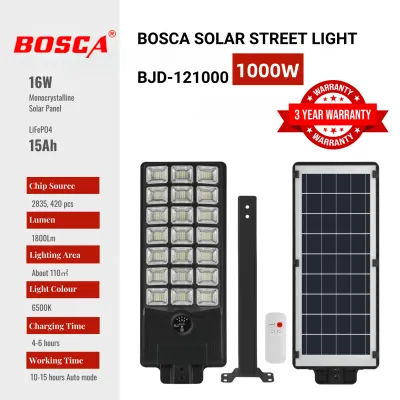
Prices are valid at publication and may change. Please refer to the product page for the latest price.
Inspecting Packaging and Documentation
Before even opening the product, the exterior packaging can provide immediate clues about its authenticity. Genuine manufacturers invest in high-quality, sturdy cardboard boxes with crisp, high-resolution printing and accurate color reproduction. Counterfeiters often use flimsy packaging with blurry text, faded logos, or noticeable spelling and grammatical errors. Check the brand name carefully, as copycats sometimes alter a single letter to mimic the official branding while avoiding direct trademark infringement.

Inside the box, you should find clear, well-printed documentation. Original solar lights typically include a comprehensive user manual, a warranty card, and details regarding electrical certifications. If the manual is missing, printed on low-quality paper with illegible diagrams, or contains instructions that do not match the actual product features, it is highly likely a counterfeit. Look for official certification marks, but remember to verify their layout against standard formats, as fake products often print generic or inaccurate safety labels.
Evaluating Physical Build and Components
The physical construction of the light fixture is one of the most reliable indicators of quality. Genuine outdoor solar lights are built with robust, UV-resistant plastics or heavy-duty aluminum alloys designed to withstand prolonged sun exposure. Examine the seams where the housing pieces meet; they should be tight, uniform, and sealed with high-quality gaskets. If you notice uneven gaps, excess glue, or loose screws, the unit may be a poorly assembled imitation.
Next, inspect the solar panel and the LED array. A genuine solar panel features a uniform surface with clean, straight grid lines and no bubbles or scratches under the protective layer. Counterfeit panels often have misaligned cells, visible dust trapped beneath the glass, or a dull, uneven finish that severely limits charging efficiency. Similarly, the LEDs inside the light should be perfectly aligned in their sockets, with consistent spacing and clean soldering joints visible through the lens.
Weight and balance also play a crucial role in identifying fakes. High-quality batteries, sturdy heat sinks, and robust casings give original solar lights a reassuring heft. If the fixture feels surprisingly light or hollow, it likely contains a substandard, low-capacity battery and lacks the necessary internal components to dissipate heat safely. Always compare the physical weight of the product to the specifications listed in the official documentation when possible.
Verifying the Seller and Purchasing Channel
Where you buy your solar lighting is just as important as what you buy. To minimize the risk of purchasing a counterfeit, prioritize official brand flagship stores, authorized distributors, and reputable local hardware retailers. These channels source their inventory directly from the manufacturer, ensuring you receive a genuine product backed by a valid warranty.
When shopping on online marketplaces, exercise extra caution. Check the seller’s profile for official badges, high positive feedback ratings, and a history of selling authentic lighting products. Read through customer reviews, paying close attention to any complaints about product quality, missing accessories, or packaging discrepancies. Be wary of stores with generic names, extremely short operating histories, or restrictive return policies that make it difficult to claim a refund.
Price is another major indicator of authenticity. While seasonal promotions and authorized clearance sales can offer genuine discounts, prices that seem too good to be true usually are. If a seller offers a solar light at a fraction of its standard retail price (for example, listing a fixture for a few hundred pesos when the market average is closer to ₱2,000), it is highly probable that the item is a cheap imitation made with inferior components.
Steps to Take If You Receive a Suspected Fake
If you suspect that the solar light you received is a counterfeit, stop using it immediately. Do not connect it to any power source, mount it on your property, or leave it to charge in the sun. Substandard batteries and poor electrical insulation in fake units pose genuine safety risks, including overheating and electrical fires, making it crucial to isolate the product.
Next, document your findings thoroughly. Take clear, high-resolution photographs of the packaging, the shipping label, any spelling errors, and the physical defects or discrepancies on the light itself. This visual evidence will be essential when filing a dispute or requesting a refund.
Contact the seller to request a return, and if they refuse or fail to cooperate, escalate the issue through the e-commerce platform’s buyer protection program. Most reputable online marketplaces have strict policies against counterfeit goods and will facilitate a refund if you provide sufficient proof. Additionally, consider reporting the unauthorized seller to the official brand representatives to help prevent other consumers from falling victim to the same scheme.
Frequently Asked Questions (FAQ)
Can I verify a Bosco solar light using a mobile app?
App-based verification is only reliable if the manufacturer officially promotes and supports a specific verification application. If the product packaging or the seller directs you to download a third-party scanning app that is not listed on official brand channels, avoid doing so, as these apps can be manipulated to show false validation. Always check the official manufacturer website to confirm if they utilize QR codes or dedicated apps for authenticity checks before scanning any codes.
Are cheaper Bosco lights on e-commerce platforms always fake?
Not necessarily, but extreme price differences require careful scrutiny. Authorized dealers and official stores occasionally run promotional campaigns, holiday sales, or clearance events that temporarily lower prices. However, if the price remains consistently and drastically below the standard market value without any official promotional context, the product is highly likely to be a counterfeit. Always verify the seller’s credentials and check customer reviews before purchasing a heavily discounted item.
Community discussion
Share your experience or ask a question. Comments are reviewed before publication.