
An old lamp often carries sentimental value, serving as a reliable companion on a bedside table or a warm accent in a living room. However, as household fixtures age, they transition from charming vintage decor to potential safety hazards or highly inefficient energy drains. Determining whether to keep, repair, or replace an old lamp requires a careful look at its physical condition, electrical integrity, and performance. In tropical environments where humidity and ambient heat accelerate wear, evaluating these factors is essential for maintaining a safe and comfortable home.
Quick Diagnostic: Is Your Old Lamp a Safety Hazard?
Prioritizing safety is the first and most critical step when evaluating an old lamp. Over time, electrical components degrade, and what seems like a minor flicker could actually be a precursor to a short circuit or an electrical fire.
Begin your inspection at the wall outlet and move along the power cord. In the Philippines, high relative humidity and warm ambient temperatures cause rubber and plastic insulation to degrade, crack, or become brittle much faster than in cooler, drier climates. Run your fingers carefully along the cord to check for any fraying, exposed copper wires, or stiff sections that indicate the plasticizer has leached out of the protective sheath.
Products mentioned in this guide
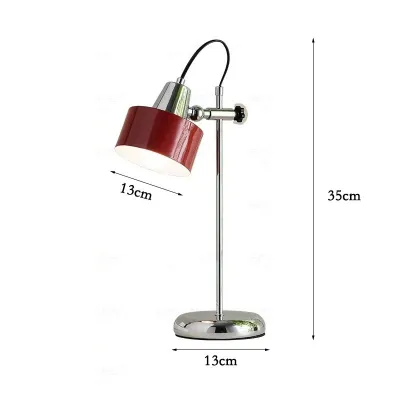
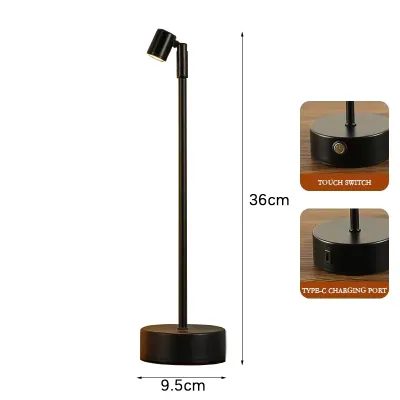
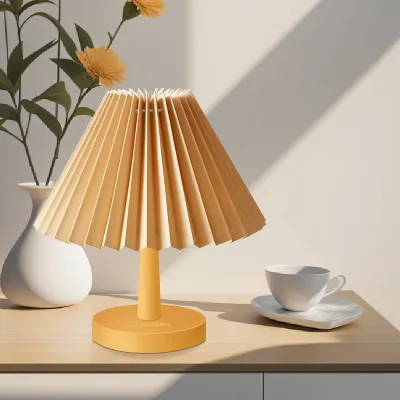
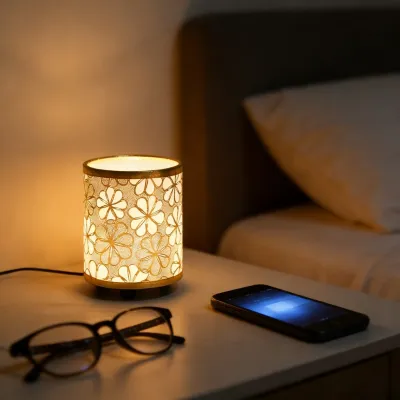
Prices are valid at publication and may change. Please refer to the product page for the latest price.
Next, examine the socket and bulb holder. A loose socket or a bulb that wobbles when fully screwed in indicates mechanical failure of the contact points. If you notice a faint burning smell, a buzzing sound, or a brief spark when flicking the switch, these are clear signs of arcing—where electricity jumps across gaps in worn or corroded contacts.
Perform a thermal check during standard use. While a bulb naturally emits heat, the cord, switch, and base of the lamp should remain cool to the touch. If any of these areas feel warm or hot, it indicates excessive electrical resistance, which is a major hazard.
If you identify any of these critical electrical faults, you must unplug the lamp immediately and cease using it. Do not attempt DIY repairs on internal wiring or damaged sockets unless you are a qualified professional. The risks of electrical shock or household fires far outweigh the cost of a replacement fixture.
Performance and Efficiency: Evaluating Light Quality
Beyond immediate safety concerns, an old lamp must be evaluated on its ability to deliver high-quality, energy-efficient illumination. If your fixture is struggling to provide steady light, it may be failing internally.

If your lamp flickers, dims, or cuts out unexpectedly, start by replacing the bulb with a known working one. If a brand-new, compatible bulb continues to exhibit the same issues, the problem lies within the fixture itself. Worn-out or corroded socket contacts fail to maintain a steady electrical connection, which can damage bulbs and create inconsistent light output.
Older lamps designed decades ago were engineered specifically for high-wattage incandescent bulbs. These fixtures often lack the appropriate wiring insulation ratings or heat dissipation characteristics required for modern, high-output LED equivalents. While retrofitting an LED bulb into an E27 socket of an old lamp is common, some vintage sockets do not seat modern bulbs correctly, leading to poor contact or premature bulb failure. Furthermore, running older, inefficient fixtures can contribute to higher electricity bills compared to modern integrated LED fixtures or lamps optimized for low-wattage, high-lumen output.
A lamp must provide adequate, glare-free illumination for its intended purpose, whether that is reading in bed or lighting a living room corner. Over time, internal reflectors can tarnish, and older shade designs may fail to diffuse light properly, resulting in harsh glare or inadequate brightness that causes eye strain. If the fixture cannot safely support modern, energy-efficient bulbs or fails to deliver comfortable, functional light for its designated space, upgrading to a modern table lamp is the most logical and beneficial step.
Physical Wear, Stability, and Aesthetic Decline
A lamp’s physical structure must be robust enough to withstand daily use. Minor cosmetic blemishes are easy to overlook, but structural degradation can compromise both safety and utility.
In coastal or tropical regions, metal bases and stems are highly susceptible to rust, corrosion, and pitting. While light surface rust on a heavy iron base might be purely cosmetic, deep structural corrosion can weaken joints, cause the stem to lean, or even expose internal wiring paths to sharp, rusted metal edges.
Inspect the lampshade carefully. Fabric, paper, and plastic shades degrade under UV light and ambient moisture, leading to yellowing, brittleness, mold growth, or permanent staining. If the shade is a standard size and detachable, replacing it is a simple fix. However, if the shade is permanently integrated into the lamp’s design or if the mounting bracket is proprietary and broken, finding a suitable replacement may be virtually impossible, making a full fixture replacement necessary.
Test the mechanical switch—whether it is a rotary dial, a push-button, or a pull-chain. A switch that feels stiff, gets stuck, or requires multiple attempts to turn on is a clear sign of internal mechanical wear. A sparking switch is an immediate fire hazard.
A safe table lamp must have a well-balanced, heavy base to prevent tipping. If the base has warped, lost its weighting material, or wobbles on a flat surface, it poses a significant tipping hazard, especially in active households with children or pets. While minor cosmetic blemishes can often be cleaned or covered, structural instability, severe corrosion, and broken integrated components are strong indicators that the lamp has reached the end of its functional life.
Repair vs. Replace: Making the Final Decision
Deciding whether to salvage an old lamp or purchase a new one comes down to safety, cost, and the practical value of the fixture.
When deciding whether to salvage an old lamp, compare the costs. Hiring a qualified electrician to diagnose, rewire, and replace a socket or switch can easily cost between ₱1,000 and ₱3,000 in labor and parts. In contrast, a brand-new, modern table lamp with updated safety features and contemporary styling often ranges from ₱500 for basic models to ₱2,500 for high-quality, mid-range options. Unless the lamp is a valuable antique, professional repair is rarely cost-effective.
If the lamp is a cherished family heirloom, a vintage collectible, or holds deep sentimental value, do not attempt risky DIY modifications. Instead, consult a professional restoration specialist who can safely rewire the fixture using period-accurate, safety-certified components while preserving its historical character.
If your old lamp fails multiple safety checks, lacks modern electrical safety certifications (such as the Philippine Standard or Import Commodity Clearance marks), or simply no longer aligns with your room’s aesthetic and functional needs, purchasing a new fixture is the safest and most practical choice.
When you decide to replace your lamp, ensure you verify the following technical specifications before buying from local lighting showrooms or online marketplaces:
- Voltage Compatibility: Ensure the fixture is rated for the standard 220V electrical system used in the Philippines.
- Base and Interface Type: Check the socket type (most commonly E27 or E14) to ensure easy bulb replacement.
- Wattage Limits: Verify the maximum allowable wattage for both incandescent and LED bulbs to prevent overheating.
- Dimming Method: If you plan to use a smart bulb or a dimmable LED, ensure the lamp's switch and wiring support dimming.
- Installation Environment: Confirm the lamp is rated for the intended space (e.g., dry indoor areas for bedside tables, or damp-rated if placed near open windows or semi-outdoor patios).
- Dimensions and Proportions: Measure your bedside table or living room console to choose a lamp that sits at an appropriate height without spilling over the edges.
Frequently Asked Questions (FAQ)
Can I just rewire an old table lamp myself?
While replacing an external plug is a relatively simple task for a confident DIY enthusiast, completely rewiring the internal socket, switch, and cord requires specific electrical knowledge. Improper wiring, using incorrect wire gauges, or failing to secure connections can lead to short circuits, electrical shocks, or fire hazards. If you are not trained, licensed, or entirely confident in your electrical repair skills, always prioritize safety by hiring a qualified professional or replacing the old lamp with a safety-certified new model.
How long should a good quality table lamp last?
A high-quality table lamp with a solid ceramic, metal, or wooden base can easily last for several decades if cared for properly. However, the internal electrical components—such as the switch, socket contacts, and power cord—along with the lampshade, typically have a functional lifespan of 5 to 10 years depending on usage frequency and environmental exposure. To maximize your lamp’s lifespan, perform regular maintenance: dust the fixture gently with a dry microfiber cloth, avoid placing it in high-moisture areas, ensure power-isolation by unplugging it before cleaning, and always use bulbs that match or fall below the manufacturer’s recommended wattage limits.
Community discussion
Share your experience or ask a question. Comments are reviewed before publication.