
A compact dining area can easily feel cramped, especially in modern condominiums and urban homes where space is at a premium. Strategically placing a mirror for dining area layouts is one of the most effective ways to visually double your square footage, amplify natural light, and create an inviting atmosphere for meals. By understanding how light interacts with reflective surfaces, you can transform a tight, dim corner into a bright and airy dining destination.
Achieving this illusion requires more than simply hanging any reflective glass on the nearest wall. It demands a thoughtful assessment of your room’s proportions, light sources, and structural limits. Whether you want to brighten a windowless alcove or make a narrow dining room feel expansive, choosing and positioning your mirror correctly will elevate both the functionality and style of your home.
Assess Your Dining Space and Light Sources
Before purchasing or mounting a mirror, take time to analyze the physical layout and lighting dynamics of your dining area. Walk around the space during different times of the day to observe how natural light enters through windows or glass doors. Note the areas where daylight naturally pools and identify the darker corners that remain shadowed even during peak afternoon hours.
Products mentioned in this guide
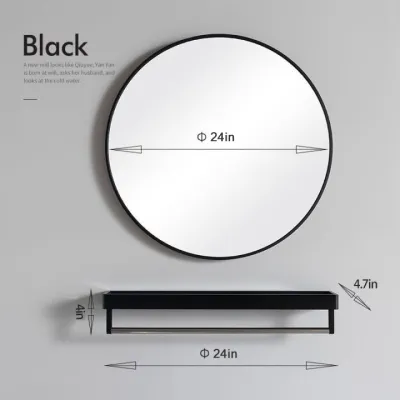
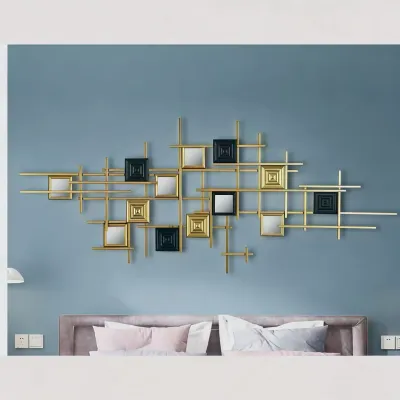
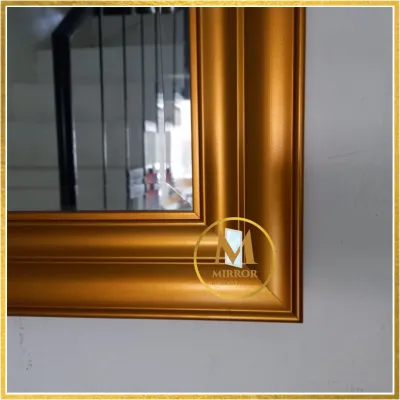
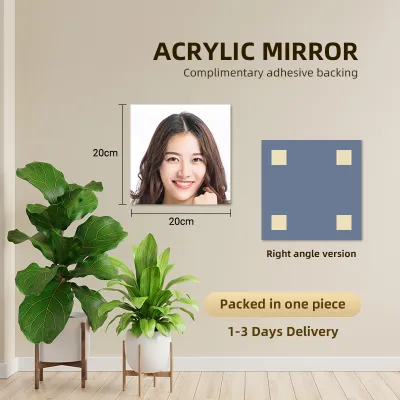
Prices are valid at publication and may change. Please refer to the product page for the latest price.
Next, evaluate your existing artificial light fixtures, such as overhead pendants, chandeliers, or wall sconces. Consider the height of these fixtures, their wattage limits, and the direction of their light output. If you plan to position a mirror near fixed electrical wiring or light sources, always ensure you maintain safe clearances to prevent heat buildup or accidental contact with electrical components.
You must also determine the primary focal point of the room from the perspective of someone sitting at the dining table. Sit in each chair and look at the surrounding walls. A mirror acts as a visual window, meaning it will constantly project whatever lies directly opposite it. Identifying what you want to highlight—such as a beautifully styled sideboard, an accent wall, or an outdoor garden view—helps you select the optimal wall for placement.
Select the Right Mirror Size, Shape, and Frame
Selecting the perfect mirror requires balancing its dimensions against your dining table and the overall wall surface. A mirror that is too small will look lost and fail to create the illusion of space, while an excessively large one can overwhelm the room and make it feel top-heavy. As a general guideline, aim for a mirror that is approximately two-thirds to three-quarters the width of your dining table or buffet console to maintain a balanced visual weight.

The shape of the mirror should complement the geometric lines of your existing furniture. If you have a rectangular or square dining table, a round or oval mirror can soften the sharp angles and introduce a graceful contrast. Conversely, if your dining set features organic curves or a round table, a rectangular or square mirror can provide a clean, structured frame that anchors the entire dining zone.
Frame materials and finishes must also harmonize with your dining set and lighting fixtures. In tropical climates like the Philippines, high humidity can affect certain materials over time. When selecting a frame, look for moisture-resistant backings and durable finishes that resist warping or silvering degradation. If your dining area features warm wood tones, a matching wooden frame or a complementary metallic finish like brushed brass can tie the room together, while a sleek black metal frame offers a modern, minimalist edge.
Position Mirrors to Maximize Space and Light
To create the strongest illusion of depth, position your mirror opposite or adjacent to a primary window. This placement allows the glass to capture incoming daylight and bounce it deep into the dining area, instantly neutralizing dark corners and making the room feel significantly brighter. The reflected outdoor view also acts as a virtual window, tricking the eye into perceiving a continuous, open sightline.
If your dining area is particularly narrow, hanging a single oversized mirror on the longest wall can dramatically alter the perception of the room’s width. This technique stretches the visual boundaries of the space, making the walls appear to recede. For the best results, ensure the mirror is large enough to reflect a substantial portion of the dining table and seating, which helps integrate the reflection seamlessly into the room’s layout.
Be mindful of the height and angle at which you hang the mirror. Instead of reflecting a blank ceiling or an empty wall, position the mirror to capture attractive design elements, such as a statement pendant light or a piece of artwork on an adjacent wall. If you are reflecting a light fixture, verify that the reflection does not create a harsh, direct glare for diners sitting at the table, as this can cause discomfort during meals.
Install Heavy or Large Mirrors Safely
Mounting a large or heavy mirror requires careful preparation to ensure it remains securely attached to the wall. Before beginning the installation, always consult the manufacturer’s mounting instructions, weight specifications, and recommended hardware. Never rely on simple nails or adhesive strips for substantial wall decor, as these methods cannot reliably support the weight of heavy glass and frames over time.
For secure mounting, you must identify the structural composition of your wall. In many homes and condominiums, walls may consist of concrete, hollow blocks, or drywall over wooden or metal studs. If you are mounting on drywall, use a stud finder to locate the studs and secure your mounting brackets directly into them. When studs are not accessible, use heavy-duty toggle bolts or specialized drywall anchors that are explicitly rated for the exact weight of your mirror. For concrete or masonry walls, utilize appropriate masonry anchors and a hammer drill to create a stable foundation.
Recognize the limits of DIY installation when dealing with exceptionally heavy, oversized, or structurally complex mirrors. If the installation requires working at height, handling fragile custom glass, or navigating tight spaces near fixed electrical wiring, it is safest to hire a qualified professional. A professional installer has the specialized tools and experience to handle suspended loads securely, protecting both your home and your household from potential accidents.
Avoid Common Mirror Styling Mistakes
While mirrors are excellent tools for expanding a space, improper styling can lead to a cluttered and chaotic environment. One of the most common mistakes is positioning a mirror where it directly reflects an untidy area, such as an open kitchen sink, a utility zone, or a cluttered countertop. Because a mirror duplicates whatever is in its path, reflecting clutter will instantly make your small dining area feel twice as messy and visually cramped.
Another frequent error is hanging the mirror at an incorrect height. Placing a mirror too high on the wall disconnects it from the dining furniture, making it look like it is floating aimlessly. Conversely, hanging it too low can cut off the heads of standing guests or create awkward reflections. Aim to position the center of the mirror at average eye level—approximately 140 to 150 centimeters from the floor—or align it carefully with the height of your dining chairs and table to maintain a cohesive visual flow.
Finally, avoid the temptation to use a collection of many small, highly fragmented mirrors to fill a large wall. While gallery walls of small mirrors can be decorative, they break up the reflection into multiple tiny segments. This fragmentation creates visual noise and distraction rather than a clean, continuous sense of depth. To make a small dining area look genuinely bigger, a single, well-proportioned mirror is almost always more effective than a cluster of small ones.
Frequently Asked Questions (FAQ)
Can I use a mirror in a dining area without windows?
Yes, you can effectively use a mirror to brighten and expand a windowless dining area by focusing on artificial light sources. Position the mirror so that it reflects ambient light from chandeliers, pendant lights, or wall sconces, which helps disperse the light throughout the room and eliminates dark, flat spots. Choosing a mirror with a reflective, metallic, or light-colored frame can also add an extra layer of brightness to the wall. To prevent a harsh or artificial look, pair the mirror with warm, dimmable LED bulbs and layered lighting, such as under-cabinet lights or small buffet lamps, to create a soft, inviting glow.
How high should I hang a mirror above a dining buffet or console?
When hanging a mirror above a dining buffet or console table, aim to leave a gap of approximately 15 to 20 centimeters between the bottom of the mirror frame and the top surface of the furniture. This spacing creates a clear visual boundary while keeping the two elements connected as a single design unit. You may need to adjust this height slightly depending on your ceiling height and the average eye level of your guests when they are standing or sitting. Always check the manufacturer’s instructions for both the mirror and the console table to ensure proper clearance and to avoid blocking any integrated features or outlets.

Community discussion
Share your experience or ask a question. Comments are reviewed before publication.