
Using solar Christmas lights to illuminate your condo interior is an ingenious, energy-efficient way to create a warm, inviting sanctuary without adding to your monthly electricity bill. While traditionally designed for outdoor gardens and balconies, these eco-friendly string lights can successfully transition indoors if you understand how to manage their power source. The core secret lies in bridging the gap between the outdoor solar panel, which requires direct sunlight, and your indoor living spaces. By strategically positioning the charging unit and choosing the right equipment, you can enjoy a soft, magical glow in your bedroom or living room every single evening.
The Core Challenge: Charging Solar Lights Indoors
The primary obstacle to using solar-powered lights inside a high-rise or low-rise condo is the fundamental physics of solar charging. Solar Christmas lights are engineered with photovoltaic panels that convert solar radiation into electrical energy, storing it in small rechargeable batteries. These panels require direct, unfiltered sunlight to charge efficiently; they cannot generate sufficient power from standard indoor fluorescent or LED room lights. Relying solely on ambient indoor lighting will leave your fairy lights dark, as the lux levels of typical indoor spaces are far too low to trigger the chemical reaction required for battery charging.
In the Philippines, the tropical climate offers an abundance of intense sunlight, but condo architecture and orientation can heavily restrict your access to it. If your unit is north-facing or tucked away in a shaded corner of a high-rise development, capturing enough direct sunlight becomes a daily challenge. Deep balconies, overhangs, and neighboring buildings can block the sun’s path, leaving your windows in shadow for most of the day. Before investing in solar lighting, you must evaluate your condo’s layout. If your unit lacks a sun-drenched window ledge, a bright windowsill, or an open balcony, standard solar lights will require you to physically relocate the panel outdoors every day, which can quickly become a tedious chore.
Products mentioned in this guide
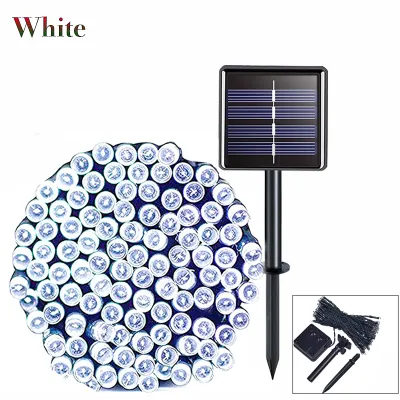
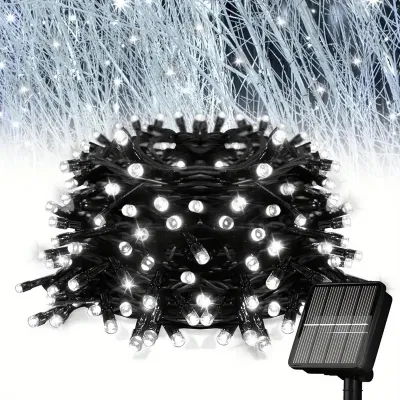
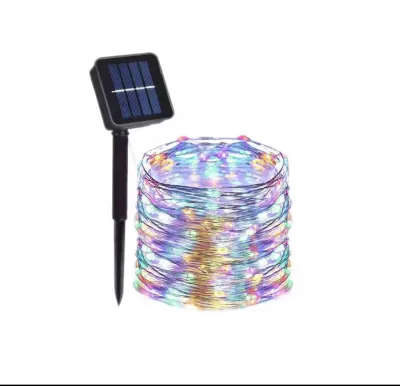
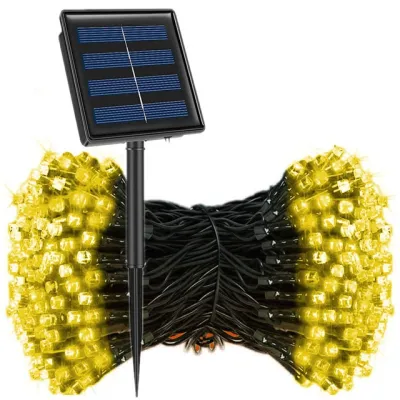
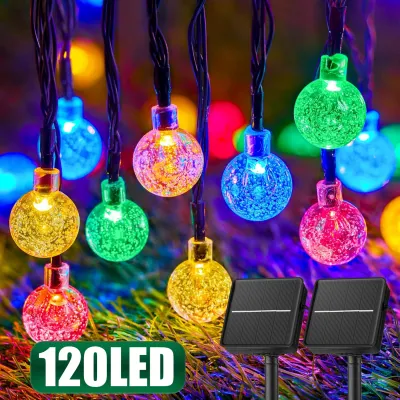
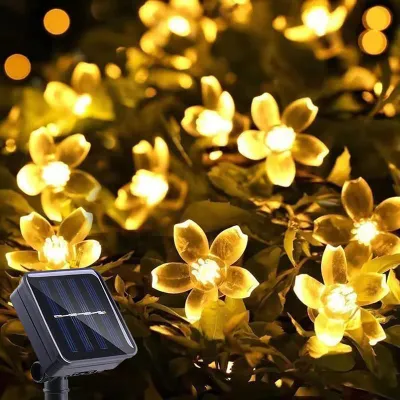
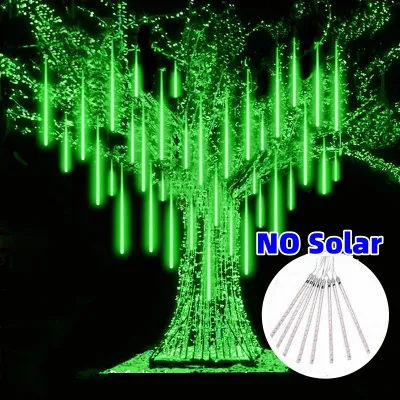
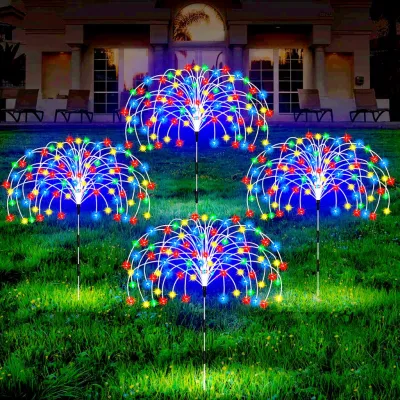
Prices are valid at publication and may change. Please refer to the product page for the latest price.
Selecting the Right Solar Fairy Lights for Condo Living
When shopping for solar Christmas lights (often priced between ₱200 and ₱1,200 on local online marketplaces), selecting the correct design is crucial for indoor success. Avoid integrated models where the light string is permanently fixed directly to the back of the solar panel without a lead wire. Instead, look for a split-design system. A split-design features a generous lead cable—often ranging from two to five meters—between the solar panel and the first LED bulb. This physical separation allows you to mount the solar panel in a sunny window or on a balcony while routing the decorative string lights deep into a dark bedroom corner or living room alcove.

Given the seasonal weather patterns in the Philippines, dual-power options are highly recommended. During the wet monsoon season (habagat), consecutive days of heavy rain and thick cloud cover will severely limit solar charging. Choosing a solar light model that includes a secondary USB charging port allows you to detach the panel or plug it into a standard 5V USB wall adapter or power bank to charge the internal batteries manually. This hybrid functionality ensures your ambient lighting remains reliable year-round, regardless of the weather outside.
Additionally, pay close attention to the light temperature and operational modes of the product. For a relaxing, cozy indoor environment, look for warm white LEDs, which typically fall within the 2700K to 3000K color temperature range. Cool white lights (6000K and above) can feel clinical and harsh indoors, while aggressive flashing or chasing modes can disrupt your peace. Opt for models that offer a “steady-on” mode or a gentle, slow-fade setting. Finally, verify that the product has basic water-resistance ratings (such as IP44 or IP65) if the panel will be exposed to the elements on an open balcony, and check for quality certifications like the Import Commodity Clearance (ICC) sticker or Philippine Standard (PS) mark to ensure electrical safety.
Step-by-Step Setup for Indoor Ambient Lighting
Step 1: Positioning the Solar Panel for Optimal Charging
To maximize the runtime of your indoor fairy lights, you must identify and utilize the absolute sunniest spot in your condo. This is typically an open balcony railing, an exterior window ledge, or a south- or west-facing windowsill that receives several hours of direct afternoon sun. If your solar panel comes with a ground stake designed for gardens, do not discard it; you can easily insert the stake into a heavy-duty balcony planter filled with soil or stable gravel to keep the panel upright and angled directly toward the sun’s path. Alternatively, use outdoor-rated, heavy-duty suction cups or double-sided mounting tape to secure the panel directly to the exterior glass surface of your window.
It is vital to understand that standard window glass filters out a significant portion of ultraviolet (UV) rays and solar intensity. While placing the panel on an indoor windowsill behind a closed window may seem convenient, it can reduce charging efficiency by 30% to 50%, resulting in dim lights that turn off after only an hour or two. If your condo association rules permit, mounting the panel on the exterior side of the window or on an open balcony railing is always the superior choice. Always ensure the panel is angled at roughly 15 to 30 degrees to prevent rainwater from pooling on its surface and to capture the maximum amount of daily tropical sunlight.
Step 2: Routing the Cable and Securing the Lights
Once your solar panel is securely positioned in the sun, you must carefully route the thin connection wire indoors. Most modern condo windows and sliding balcony doors feature flexible rubber weather stripping or foam seals. You can gently press the thin copper or plastic-coated wire through these seals, allowing you to close the window or door completely without pinching, cutting, or exposing the delicate internal copper strands. Avoid forcing the wire through rigid metal frames or slamming heavy sliding doors directly onto the cable, as this can sever the connection, short-circuit the system, and void your warranty.
Inside your condo, you must secure the string lights using non-destructive mounting methods to comply with lease agreements or condo corporation rules. Avoid using nails, staples, or permanent adhesives that can chip the paint or damage the concrete walls. Instead, utilize clear, removable adhesive hooks, light-duty mounting putty, or reusable silicone clips designed for cable management. These tools allow you to drape and shape your lights across walls, ceilings, or furniture without leaving permanent marks. Before applying any adhesive hooks, wipe the wall surface clean with a dry microfiber cloth to remove dust and ensure a strong, lasting bond.
Step 3: Styling for a Cozy Bedroom or Living Room
With the technical setup complete, you can focus on the creative arrangement of your lights to enhance your condo’s interior design. In the bedroom, you can drape the delicate fairy lights behind a sheer, semi-translucent curtain hanging over your window. The fabric will diffuse the bright LED pinpoints, creating a soft, dreamy glow reminiscent of a starry night. Alternatively, wrap the string lights loosely around your bed’s headboard, or gather a short strand and place it inside an empty, clean glass mason jar on your nightstand to function as a whimsical, low-glare bedside reading lamp.
In the living room, use the lights to add depth and highlight your favorite interior features. Weave the string lights through the leaves of hardy indoor potted plants, such as a snake plant or a monstera, to cast beautiful, organic shadows across the room. You can also outline the shelves of a wooden bookshelf to showcase your book collection, or frame the back of a wall-mounted mirror. Framing a mirror not only hides the wire but also reflects the warm light back into the room, effectively doubling the ambient brightness and making your living space feel significantly larger and more open.
Troubleshooting and Daily Maintenance
If your indoor solar lights begin to underperform, a few simple maintenance steps can restore their brightness and runtime. The most common cause of dim lights or short runtimes is a dirty solar panel. In dense urban areas across the Philippines, airborne dust, vehicle emissions, and construction soot quickly accumulate on outdoor surfaces. This fine layer of grime acts as a barrier, blocking sunlight from reaching the photovoltaic cells. Every two to three weeks, use a damp, soft microfiber cloth to gently wipe down the surface of the solar panel. Avoid using abrasive scrubbing pads or harsh chemical cleaners, which can scratch the protective plastic cover and permanently degrade its light-gathering capabilities.
Another critical factor to consider is the health of the rechargeable batteries housed inside the solar panel casing. Over time, these built-in batteries (typically NiMH AA or AAA cells) naturally degrade and lose their ability to hold a full charge, usually after one to two years of daily use. Before throwing away a failing light set, consult the manufacturer’s label or instruction manual to see if the battery compartment is accessible. If it is, you can easily slide open the cover, remove the old batteries, and replace them with fresh, high-quality rechargeable NiMH batteries of the same voltage and capacity (mAh). Ensure you isolate the power by turning the unit off before performing any battery replacements.
Finally, proper switch and sensor management is essential for seamless daily operation. Most solar Christmas lights feature a physical “ON/OFF” switch on the back of the solar panel. This switch must remain in the “ON” position during the day; if it is turned off, the solar panel will collect sunlight but will not route the energy to charge the battery. Additionally, remember that these units rely on an integrated photocell sensor to detect ambient darkness before turning the LEDs on. If you place your solar panel or the light sensor near a bright indoor lamp, a television screen, or hallway lighting, the sensor will misinterpret the artificial light as daytime, preventing your fairy lights from illuminating automatically.
Safety and Condo Strata Considerations
Living in a high-rise condominium requires a mindful approach to safety and community guidelines. When mounting your solar panel on a balcony railing or an exterior window ledge, absolute security is paramount. The Philippines frequently experiences strong winds, heavy monsoon downpours, and typhoons. A poorly secured solar panel can easily be dislodged, posing a severe hazard to pedestrians or property below. Use heavy-duty, weather-resistant zip ties, steel wire clamps, or secure brackets to anchor the panel. Never let wires hang loosely over the balcony edge where they can catch the wind or snag on exterior structures.
While LED fairy lights are highly efficient and generate very little heat compared to traditional incandescent bulbs, basic fire safety precautions should still be followed. Ensure the light strings do not come into direct, prolonged contact with highly flammable materials, such as dry paper decorations, synthetic fabrics, or delicate tinsel. Always inspect the entire length of the wire before installation to ensure there are no exposed copper strands or cracked insulation. Lastly, always review your specific condo corporation’s house rules or strata bylaws. Many developments prohibit residents from drilling into exterior walls, hanging items on the outside of balcony railings, or making visible modifications to the building’s facade, so choosing temporary, non-invasive mounting solutions is the safest path to avoid warnings or fines.
Frequently Asked Questions (FAQ)
Can solar Christmas lights charge through a closed glass window?
Yes, solar Christmas lights can charge through a closed glass window, but the process is highly inefficient. Modern residential window glass, especially double-glazed or tinted glass designed to block heat, filters out a substantial portion of the ultraviolet and infrared light spectrum. This filtration can reduce the solar panel’s charging efficiency by up to 50%. While your lights may still turn on at night, their brightness will be noticeably dimmer, and their runtime will be significantly shorter compared to a panel placed in direct, unobstructed outdoor sunlight.
Will the lights turn on automatically if my living room lamps are on?
Probably not, as solar lights rely on an integrated light sensor (photocell) to detect darkness. If your living room lamps, overhead lights, or television screens cast a bright glow onto the solar panel or the sensor unit, the system will register this artificial illumination as daylight. As a result, the lights will remain off to preserve battery power. To ensure your fairy lights turn on automatically, position the sensor unit in a dark corner of the room, or place a small piece of dark electrical tape over the photocell sensor to manually simulate nighttime.
Community discussion
Share your experience or ask a question. Comments are reviewed before publication.