
Using solar Christmas lights to create a cozy, warm ambiance inside your condominium is entirely possible, even if the lights are designed to draw power from the sun. The secret lies in selecting a lighting system with a detached solar panel that can be positioned in a sunlit area—such as a balcony, window sill, or glass pane—while the decorative LED string remains indoors. By choosing the right configuration and routing the wiring carefully, you can enjoy a beautiful, energy-efficient glow in your bedroom or living room without relying on wall outlets or increasing your monthly electricity bill.
Choosing the Right Solar Design for Indoor Use
To successfully bring solar-powered illumination indoors, you must first evaluate the physical design of the lighting kit. Standard outdoor solar lights often feature an integrated design where the solar panel and the light fixture are a single unit. For indoor condo decoration, look for a split-design system. This configuration separates the solar panel from the LED string, connecting them with a thin, durable extension cable. A generous cable length allows you to place the panel in direct sunlight on your balcony or window sill while routing the light string deep into your living room or bedroom.
Another excellent option for condo dwellers is a hybrid solar light system. These versatile units feature a solar panel equipped with an auxiliary USB charging port. During the bright summer months, the sun provides all the energy you need. However, during the rainy season or on heavily overcast days, you can detach the panel or the battery pack and plug it into a standard USB charger indoors. This hybrid functionality ensures your ambient lighting remains reliable year-round, regardless of the weather outside.
Products mentioned in this guide
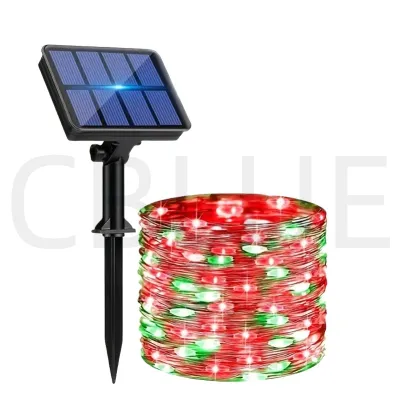
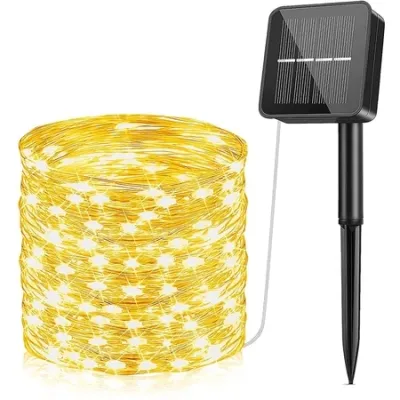
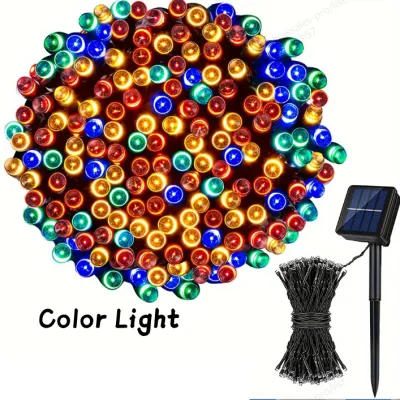
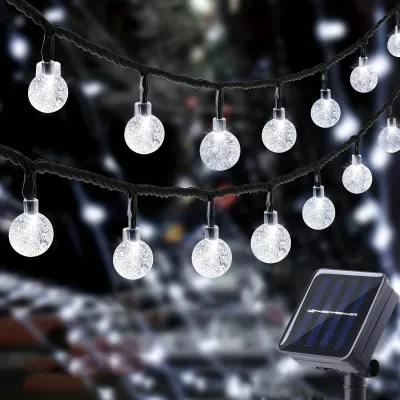
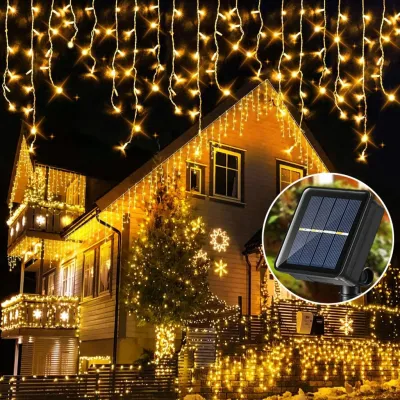
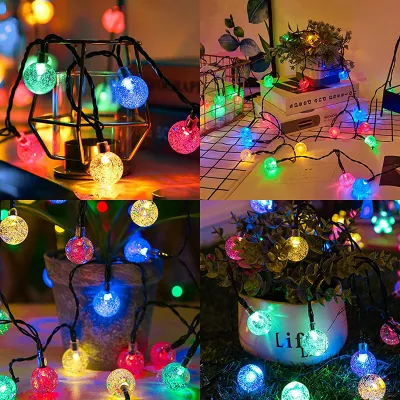
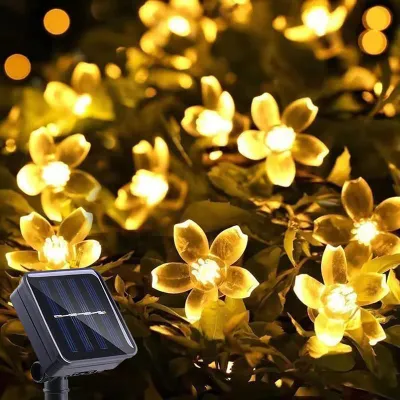
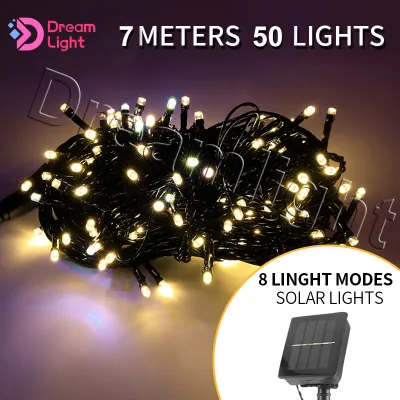
Prices are valid at publication and may change. Please refer to the product page for the latest price.
If you already own a single-unit solar string where the panel and lights cannot be easily separated, you can still use them indoors by establishing a manual charging routine. This method requires you to place the entire unit—or at least the portion containing the panel and battery—on a sunny window sill or an open balcony during the day. Once the sun sets and the battery is charged, you can bring the lights inside to drape them over your furniture. While this requires daily effort, it is a highly cost-effective way to repurpose existing outdoor decorations for indoor cozy spaces.
Planning Your Bedroom and Living Room Layout
Designing an indoor lighting layout requires balancing aesthetics with the physical limitations of your solar wiring. In the bedroom, the goal is to create a serene, restful sanctuary. Draping a delicate string of solar fairy lights over a wooden headboard or weaving them through a sheer bed canopy produces a soft, diffused glow that promotes relaxation. You can also run the lights along curtain rods, allowing the LEDs to illuminate the folds of your drapes and cast a gentle wash of light across the room.

In the living room, solar Christmas lights can highlight architectural features and key decor pieces. Try wrapping a thin wire string around the stems of sturdy indoor plants, such as a potted monstera or a snake plant, to create a dramatic, organic focal point. Alternatively, you can line the undersides of floating shelves or place the lights behind your media console. This backlighting technique reduces eye strain when watching television and adds depth to a compact condo living space.
Selecting between warm white and multicolor LEDs is a matter of personal preference rather than a performance standard. Warm white light is often preferred for creating a calm, candle-like ambiance in bedrooms, while vibrant multicolor strings are popular for festive holiday displays. The perceived brightness and spatial effect of these colors will vary depending on your wall paint, room size, and existing light sources. Pay attention to the wire color as well; silver or copper wire blends seamlessly into modern, minimalist decor, while green wire is best suited for wrapping around indoor foliage or holiday wreaths.
Step-by-Step Installation and Panel Placement
The most critical step in setting up indoor solar lights is routing the extension cable from the outdoor solar panel to the indoor light string. To do this without damaging your condo’s insulation or window frames, look for thin, flat ribbon cables designed to pass through tight gaps. You can gently route these cables through the rubber weatherstripping of a sliding glass balcony door or an awning window. Ensure the cable is positioned in a low-friction area where opening and closing the door will not pinch, crimp, or sever the delicate copper wires inside.
Securing the external solar panel requires a non-destructive approach, especially if you are renting your condo or must adhere to strict building guidelines. Avoid drilling into exterior walls or window frames. Instead, use heavy-duty, weather-resistant zip ties to secure the panel’s mounting bracket to your balcony railing. If you do not have a balcony, you can use suction cup mounts designed for outdoor glass to attach the solar panel directly to the exterior of your window pane, ensuring it faces the direction that receives the most direct sunlight throughout the day.
Inside your condo, routing the light string should be done with care to protect your walls and wallpaper. Avoid using nails, staples, or heavy-duty tacks that leave permanent holes. Instead, opt for damage-free adhesive hooks or clear decorating clips designed for lightweight strings. These hooks hold the wire securely in place and can be removed cleanly when you want to change your layout. For temporary setups across wider spans, tension rods placed inside window frames or between columns can support draped lights without requiring any adhesive at all.
Navigating Condo Rules and Safety Checks
Before installing any external components, it is essential to consult your condominium’s house rules or property management guidelines. Many high-rise buildings in the Philippines have strict regulations regarding building facades, balcony aesthetics, and external attachments. Some associations prohibit residents from hanging items over balcony railings or running visible cables along the exterior walls. Verifying these rules beforehand prevents potential fines and ensures your lighting setup remains compliant with community standards.
Electrical safety is paramount when bridging the gap between your outdoor balcony and indoor living spaces. Always verify the Ingress Protection (IP) rating of your solar panel and the connecting cables. For outdoor exposure in tropical climates prone to heavy downpours and high humidity, look for a minimum rating of IP65, which ensures the housing is dust-tight and protected against water jets. Never use indoor-rated extension cords or unsealed connectors in areas exposed to rain, as moisture infiltration can cause short circuits or damage the battery unit.
When purchasing your solar lighting kit, always verify the technical specifications to ensure compatibility with your home setup. Check the battery capacity, interface type, and electrical certifications printed on the packaging. If your setup requires routing cables near metal frames or damp balcony areas, ensure the wiring is fully insulated and rated for wet environments. For any complex installations that involve working at heights on high-rise balconies or routing permanent wiring through exterior walls, always isolate the power source first and consult a qualified professional to prevent electrical hazards.
Inside your condo, manage your cables carefully to prevent physical hazards. Loose wires running across walkways or near the foot of your bed present a significant trip hazard, especially in the dark. Use low-profile cable covers or adhesive cord clips to secure wires flat against baseboards or behind furniture. If you have pets or small children, ensure the light strings and cables are positioned out of reach to prevent accidental pulling, chewing, or entanglement.
Maintaining Battery Life and Light Output
To keep your solar Christmas lights shining brightly night after night, regular maintenance of the solar panel is necessary. In urban condo environments, dust, pollution, and rain residue can quickly accumulate on the glass surface of the panel. This fine layer of grime blocks sunlight, significantly reducing the charging efficiency of the photovoltaic cells. Wipe the panel clean once every two weeks using a soft, damp microfiber cloth. Avoid using harsh chemical cleaners or abrasive scrubbers that could scratch the surface and permanently degrade its performance.
Understanding how your solar light’s built-in dusk-to-dawn sensor operates will save you from troubleshooting common lighting issues. These sensors automatically turn the LEDs on when they detect a drop in ambient light. If your indoor living room is brightly lit by overhead lamps or if a streetlamp shines directly onto your balcony, the sensor may detect this light and refuse to turn the string lights on. To resolve this, position the solar panel away from artificial light sources, or cover the sensor manually if you want to enjoy the glow while your indoor lights are still on.
Finally, manage your expectations during consecutive rainy or heavily overcast days, which are common during the tropical monsoon season. When sunlight is limited, the solar battery will not receive a full charge, resulting in dimmer light output or a shorter runtime in the evening. During these periods, make use of your hybrid system’s USB charging port if available. Alternatively, you can temporarily switch the lights to a flashing or blinking mode rather than a steady glow, as intermittent lighting consumes significantly less battery power and extends the runtime.
Frequently Asked Questions (FAQ)
Can I charge solar Christmas lights using indoor lamps?
Standard solar panels are designed specifically to absorb the broad spectrum and high intensity of natural sunlight. While it is technically possible for a solar cell to generate a tiny amount of electrical current from indoor incandescent or LED lamps, the light intensity produced by standard household bulbs is far too weak to charge the battery effectively. It would take days of continuous exposure to a typical living room lamp to achieve even a fraction of the charge that a single hour of direct sunlight provides.
If you cannot place your solar panel outdoors or on a sunny window sill, relying on standard indoor lighting is not a viable solution. In these situations, the only effective alternatives are using a hybrid solar light that supports USB charging, or placing the solar panel directly under a high-intensity agricultural grow light designed to mimic the full spectrum of natural sunlight. For most condo residents, however, simply moving the panel to a sun-facing window or balcony remains the most practical and energy-efficient approach.
Community discussion
Share your experience or ask a question. Comments are reviewed before publication.